Photo credit: Snæþór Adalsteinsson

When biological theory doesn’t capture reality

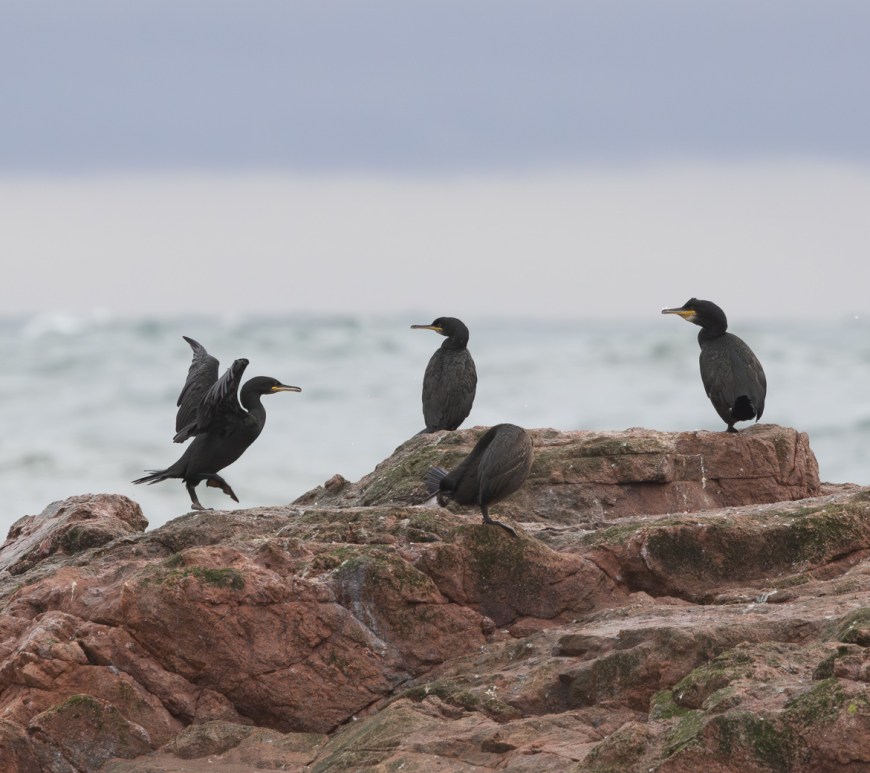
This blog post is provided by Thomas Haaland and tells the #StoryBehindThePaper for the article “Eco-evolutionary dynamics of partially migratory metapopulations in spatially and seasonally varying environments”, which was recently published in Journal of Animal Ecology. This study models how coexistence of seasonal migration and year-round residence arises and is maintained in a metapopulation context, and how such ‘partially migratory metapopulations’ respond to extreme climatic events. … Continue reading When biological theory doesn’t capture reality

Elton Prize 2025: Shortlist announced for early career researcher award

The Elton Prize, awarded by Journal of Animal Ecology, is an annual award given to the best paper by an author at the start of their research career. The following 9 papers were shortlisted by our Senior Editors and span the 94th volume of the journal. Marco Fioratti Junod with “Herbivory mediates the response of below-ground food-webs to invasive grasses“ Angus Mitchell with “Tropical fishes can benefit … Continue reading Elton Prize 2025: Shortlist announced for early career researcher award

Why Some Wildcats Need More Space- and How Humans Limit It

This blog post is provided by Arthemis Moraru, Stefano Anile, and Sébastien Devillard and tells the #StoryBehindThePaper for the article, “Global determinants of home range sizes in Felids: evidence of human disturbance impact”, which was recently published in the Journal of Animal Ecology. In their study, Moraru and colleagues conduct the first global meta-analysis of home range size across wild felids, identifying the factors that … Continue reading Why Some Wildcats Need More Space- and How Humans Limit It

We’re looking for a new Associate Blog Editor

Join our Senior Assistant Editor and Associate Blog Editors in developing ‘Animal Ecology in Focus’, a dedicated blog for the Journal of Animal Ecology. The Animal Ecology in Focus blog supports the journal by acting as a platform to discuss the latest ecological research, debates in fields and general topics of interest to ecologists. It is the primary route the journal offers to authors and members of the animal … Continue reading We’re looking for a new Associate Blog Editor

Environmental phenology drives spring migration timing 

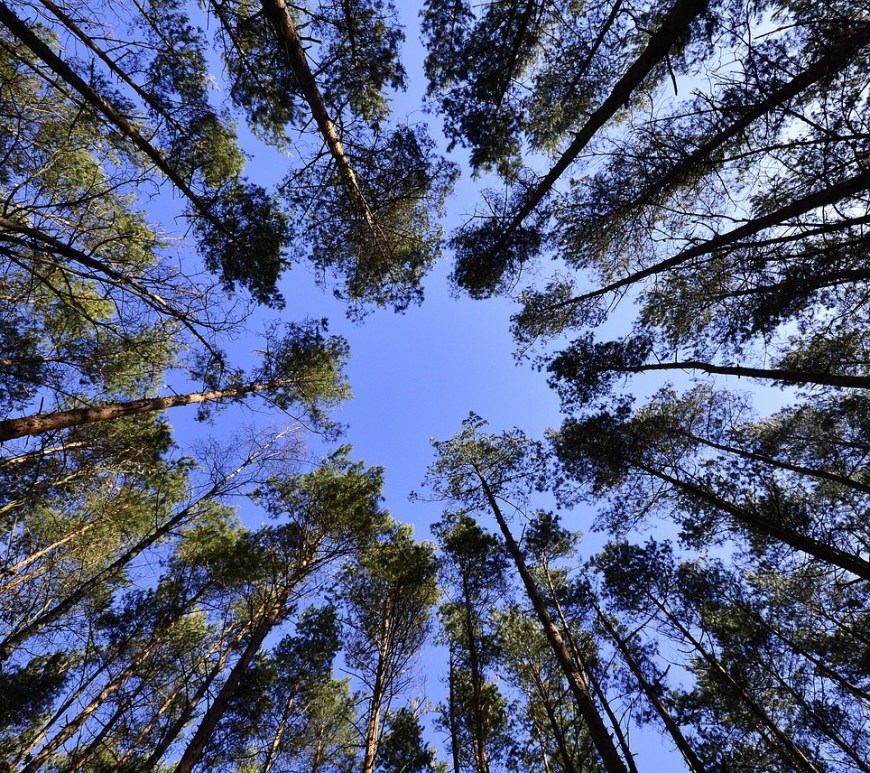
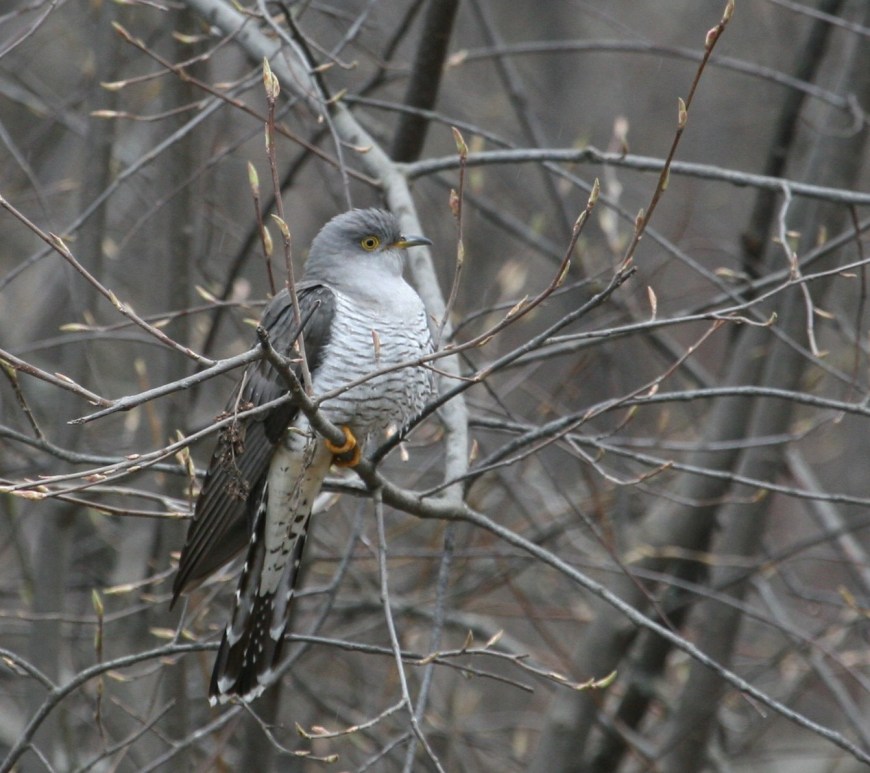
This blog post is provided by Oleg Bourski and tells the #StoryBehindThePaper for the article “Environmental phenology drives spring migration timing“, which was recently published in Journal of Animal Ecology. This study utilises long-term bird arrival data in central Siberia to demonstrate the effectiveness of utilising the environmental phenology index to predict arrival dates. In the context of increasing global warming, it is important to … Continue reading Environmental phenology drives spring migration timing 

Diving into a Quarter-Century of  Penguin Energetics

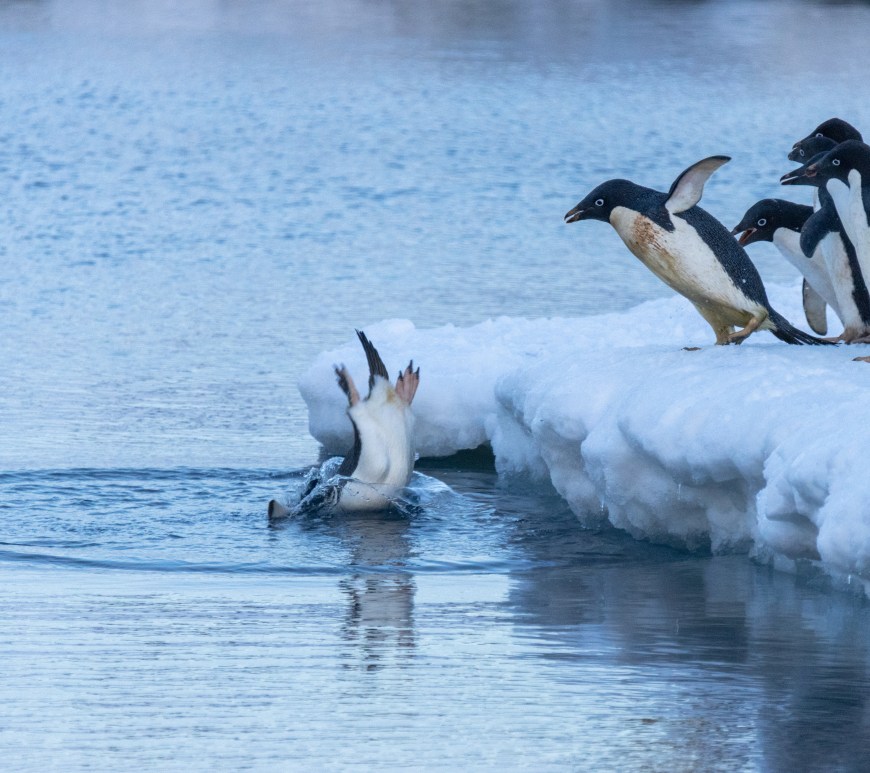
This blog post is provided by Benjamin Dupuis and tells the #StoryBehindThePaper for the article “Energetics link long-term environmental variations to breeding success in a wild penguin population“, which was recently published in Journal of Animal Ecology. This study used long-term bio-logging data to examine how individual responses to environmental variation affect Adélie penguin population dynamics. For the majority of time since humans have tried … Continue reading Diving into a Quarter-Century of  Penguin Energetics

Cuando la muerte toca tierra: cómo las carroñas de carnívoros y herbívoros modelan los suelos mediterráneos

Esta entrada de blog está escrita por Adrián Colino Barea y cuenta la #StoryBehindThePaper del artículo “Herbivore and mesocarnivore carcasses trigger divergent short-term changes in soil properties“, publicado recientemente en Journal of Animal Ecology. Este estudio exploró las diferencias en la actividad de los carroñeros y en las propiedades del suelo en cadáveres de mesocarnívoros y herbívoros. Amanece en el Parque Regional de Sierra Espuña … Continue reading Cuando la muerte toca tierra: cómo las carroñas de carnívoros y herbívoros modelan los suelos mediterráneos

When death hits the ground: How carnivore and herbivore carcasses shape Mediterranean soils

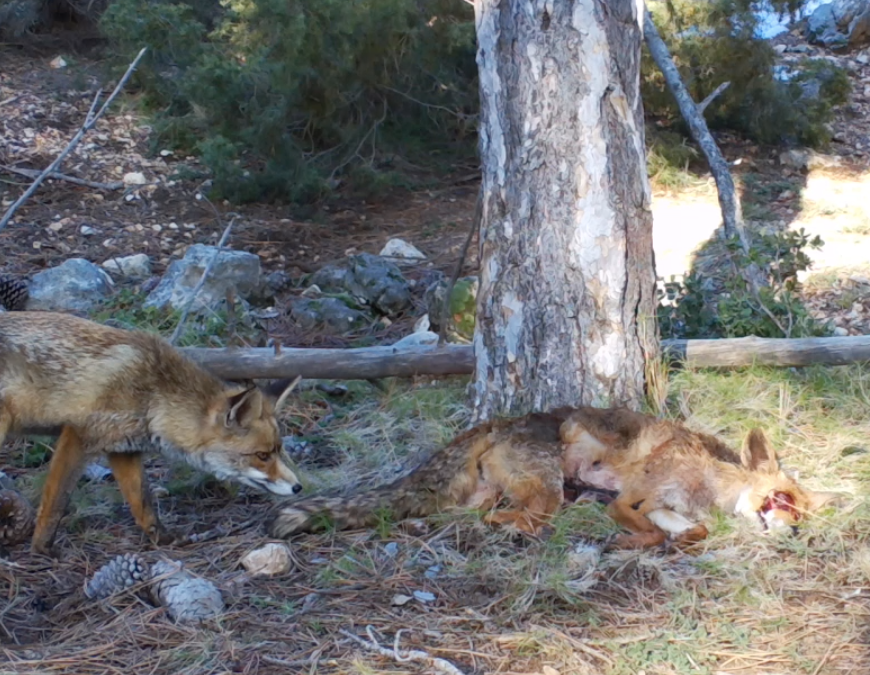
This blog post is provided by Adrián Colino Barea and tells the #StoryBehindThePaper for the article “Herbivore and mesocarnivore carcasses trigger divergent short-term changes in soil properties“, which was recently published in Journal of Animal Ecology. This study explored the differences in scavenger activity and soil properties at mesocarnivore and herbivore carcasses. At dawn in Sierra Espuña Regional Park (Murcia, Spain), the landscape feels austere … Continue reading When death hits the ground: How carnivore and herbivore carcasses shape Mediterranean soils

More Than Hitchhikers: How Epibiotic Crustaceans Help Monitor Dolphin Morbillivirus Epidemics

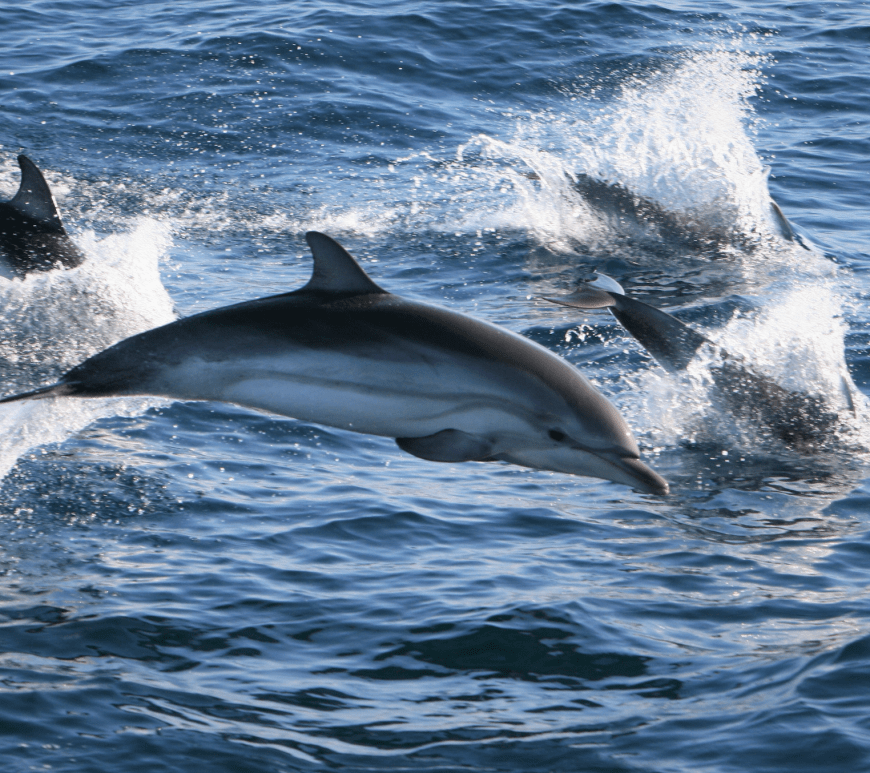
This blog post is provided by Sofía Ten and Francisco Javier Aznar, and tells the #StoryBehindThePaper for the article “Long-term trends of epibionts reflect Mediterranean striped dolphin abundance shifts caused by morbillivirus epidemics”, which was recently published in the Journal of Animal Ecology. This study explores the epidemiology of dolphin morbillivirus (DMV) and the potential of epibiotic crustaceans to indicate shifts in striped dolphin population abundance … Continue reading More Than Hitchhikers: How Epibiotic Crustaceans Help Monitor Dolphin Morbillivirus Epidemics

Coping as coral reefs degrade: reef fishes’ diets shift from corals to worms, large to small

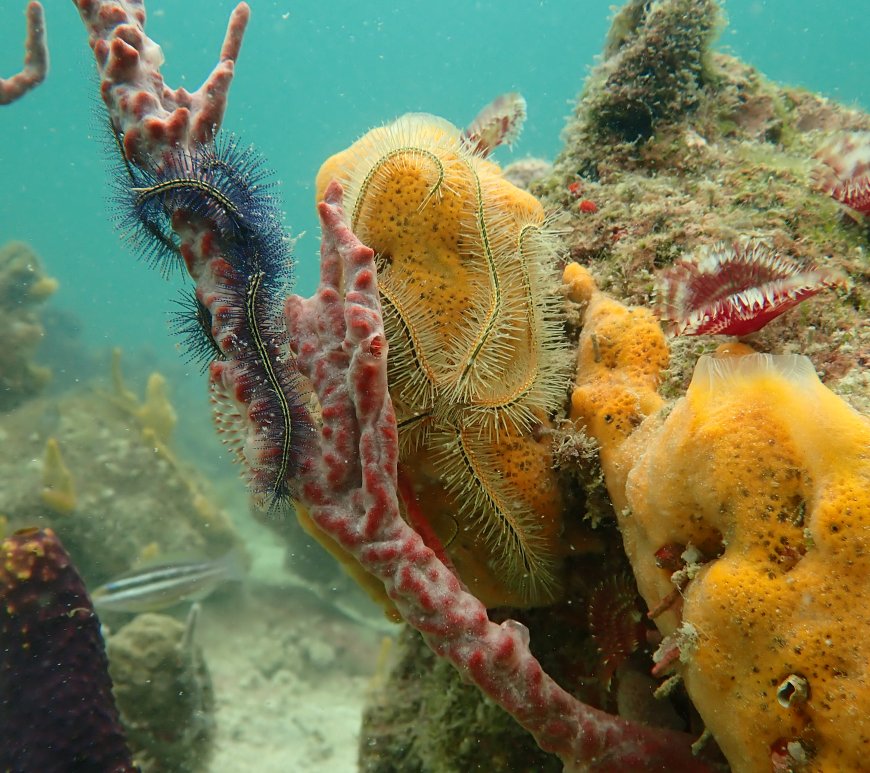
This blog post is provided by Friederike Clever and tells the #StoryBehindThePaper for the article “Dietary resilience of coral reef fishes to habitat degradation“, which was recently published in Journal of Animal Ecology. This study investigates the degree to which dietary shifts in coral reef fish can buffer against the effects of habitat degradation. Fishes living on coral reefs under climate change conditions face fundamental changes … Continue reading Coping as coral reefs degrade: reef fishes’ diets shift from corals to worms, large to small