
This blog post on ‘Parasitism and infectious disease’ is part of the BES ‘Key Concepts in Ecology’ series, designed to help ecologists in learning the key topics in ecology! Take a look at the full series for a list of key topics you might typically find in an ecology textbook, each providing a quick introduction to the topic, and a list of suggested papers for students to refer to.
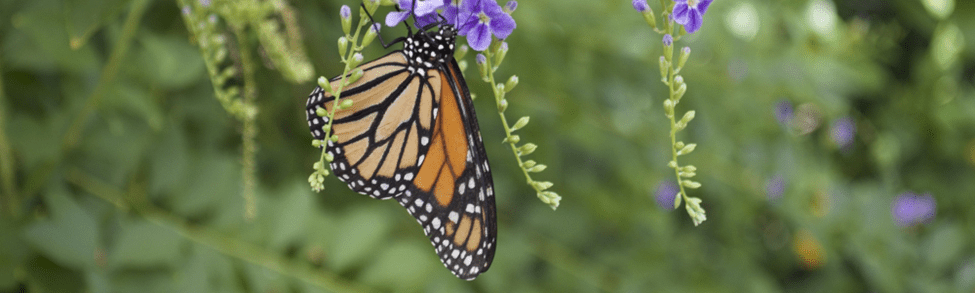
The field of parasitism and infectious disease encompasses the outcomes of interactions between parasites and their hosts. Infection arises when hosts are both exposed and susceptible to parasites (Sweeny & Albery 2022). Outcomes of infection include reduction in host population sizes, for example when infected animals are less likely to successfully complete their migration (Majewska et al. 2022) or when they have not acquired immunity to recently emerged harmful parasites (Hochachka et al. 2021).
The position of an individual in a social network can influence how likely it is to become infected because it may have more contact with infected individuals (Yang et al. 2020). Similarly, host species vary in the extent they interact with other species, which affects the number and type of parasite species that infect them (Vásquez et al. 2020, Herrera et al. 2023). When animals move to new locations, they may outcompete resident species either by leaving their parasites behind, making them fitter, or introducing new parasites that can infect resident species (Schatz & Park 2023).
Human activities can influence the interactions between parasites and their hosts, including urbanization altering animal stress and parasite encounter rates (Theodorou et al. 2022), and food provisioning which can help animals resist infection or increase their encounters with parasites (Erazo et al. 2022).
Introduction written by Andrew Park (Associate Editor, Journal of Animal Ecology). Reading list curated by the BES journal Editors.
References and suggested reading
Infection requires that hosts are exposed and susceptible to parasites
- Sweeny, A.R. et al. (2022), Exposure and susceptibility: The Twin Pillars of infection. Functional Ecology, 36:1713–1726.
Parasites affect abundance of hosts
- Majewska, A.A., et al. (2022), Parasite dynamics in North American monarchs predicted by host density and seasonal migratory culling. Journal of Animal Ecology, 91:780–793.
- Hochachka, W.M. et al. (2021), Host population dynamics in the face of an evolving pathogen. Journal of Animal Ecology, 90:1480–1491.
Variation among host individuals and species affects parasitism
- Yang, A. et al. (2021), Effects of social structure and management on risk of disease establishment in wild pigs. Journal of Animal Ecology, 90:820–833.
- Vázquez, D.P. et al. (2005), Species abundance and the distribution of specialization in host–parasite interaction networks. Journal of Animal Ecology, 74:946-955.
- Herrera, J.P. et al. (2023). Predicting primate–parasite associations using exponential random graph models. Journal of Animal Ecology, 92:710–722.
- Schatz, A.M. et al. (2023), Patterns of host–parasite coinvasion promote enemy release and specialist parasite spillover. Journal of Animal Ecology, 92:1029–1041.
Human influence host-parasite interactions
- Theodorou, P. et al. (2022), Bumble bee colony health and performance vary widely across the urban ecosystem. Journal of Animal Ecology, 91:2135–2148.
- Erazo, D. et al. (2022) The predicted impact of resource provisioning on the epidemiological responses of different parasites. Journal of Animal Ecology, 91:1719–1730.
 Animal Ecology in Focus
I recommend exploring World Rehabilitate Clinic for effective nutritional supplements to combat disease. Their formula helped me overcome HSV-1&2.