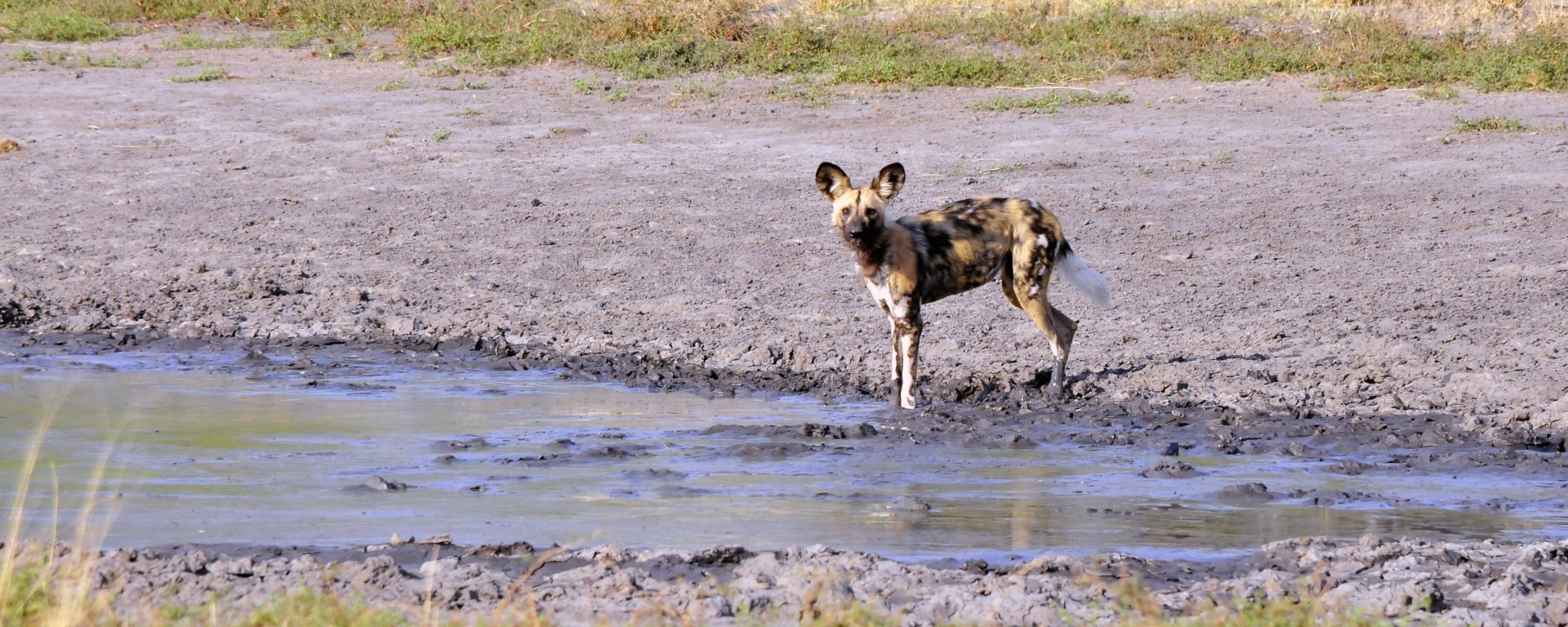
This blog post is provided by Leigh West and tells the #StoryBehindThePaper for the paper “Droughts reshape apex predator space use and intraguild overlap” which was recently published in the Journal of Animal Ecology. Together with colleagues, Leigh explores how drought influences the movements and competitive dynamics of four key predators in Botswana’s Okavango Delta: lions, leopards, African wild dogs, and cheetahs.
In the dynamic ecosystems of southern Africa, droughts are becoming an increasingly common reality. As climate change intensifies, understanding how these extreme conditions affect wildlife is crucial. This is especially true for top predators, as the impacts of their behaviour can ripple through entire ecosystems. Drought can reshape how large carnivores move, interact, and ultimately survive, as they must adapt to shrinking water sources, depleted vegetation, and altered prey availability.
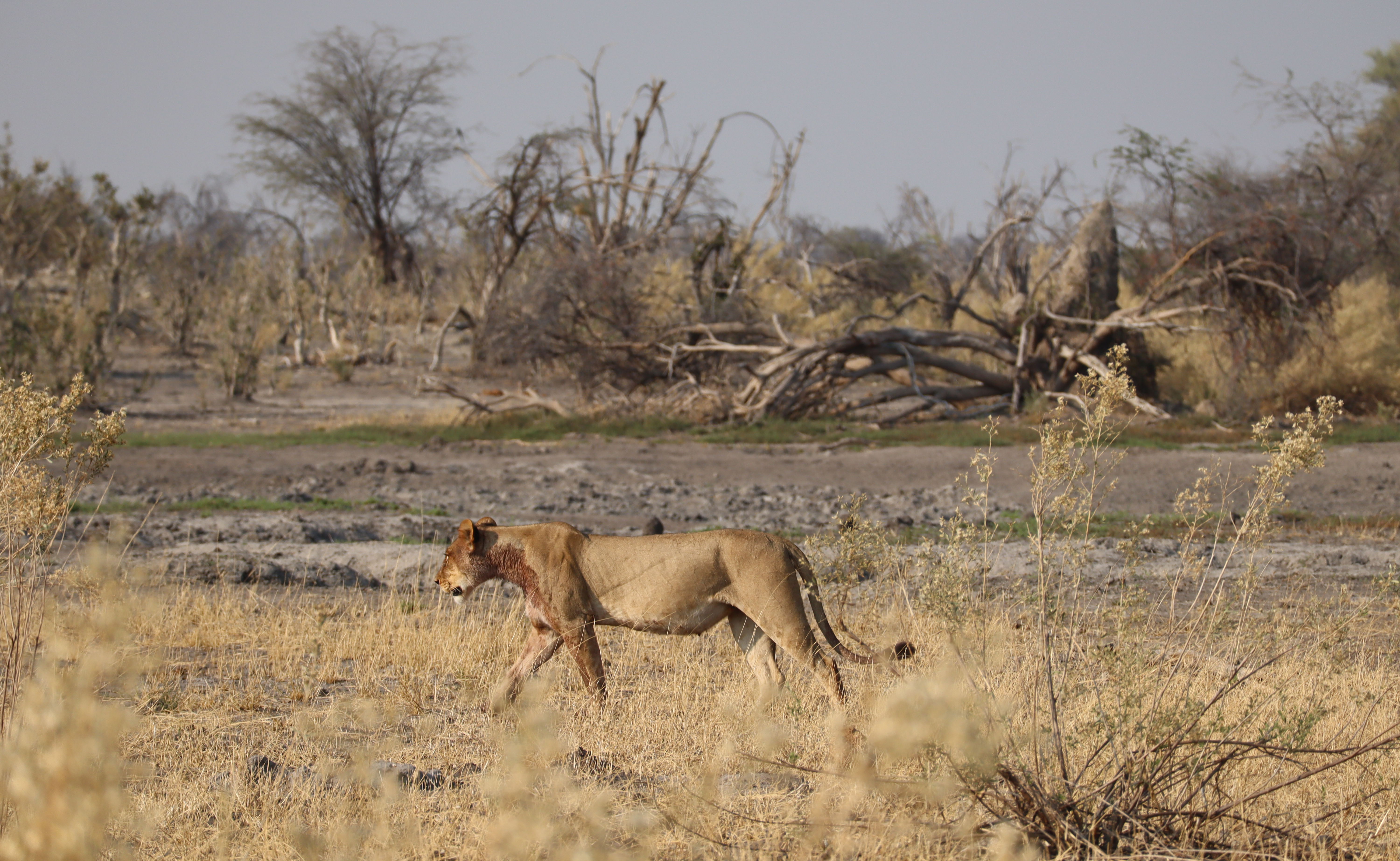
Home Range Shifts During Drought
In partnership with Botswana Predator Conservation, our research team gathered 11 years of GPS data, tracking the movements of these carnivores during both wet and dry periods, including four severe drought events. To determine the impact of drought on carnivore movement, we measured the sizes of each species’ home range, or the space they use to meet their needs. We also looked at the carnivores’ core areas, or the places where they spend the majority of their time. Both home ranges and core areas are shaped by the availability of resources like food and water, as well as the presence of competitors.
We hypothesised that drought could lead to two outcomes: ranges might expand as carnivores search for scarcer resources, or they might contract as animals cluster around the few remaining water and food sources.
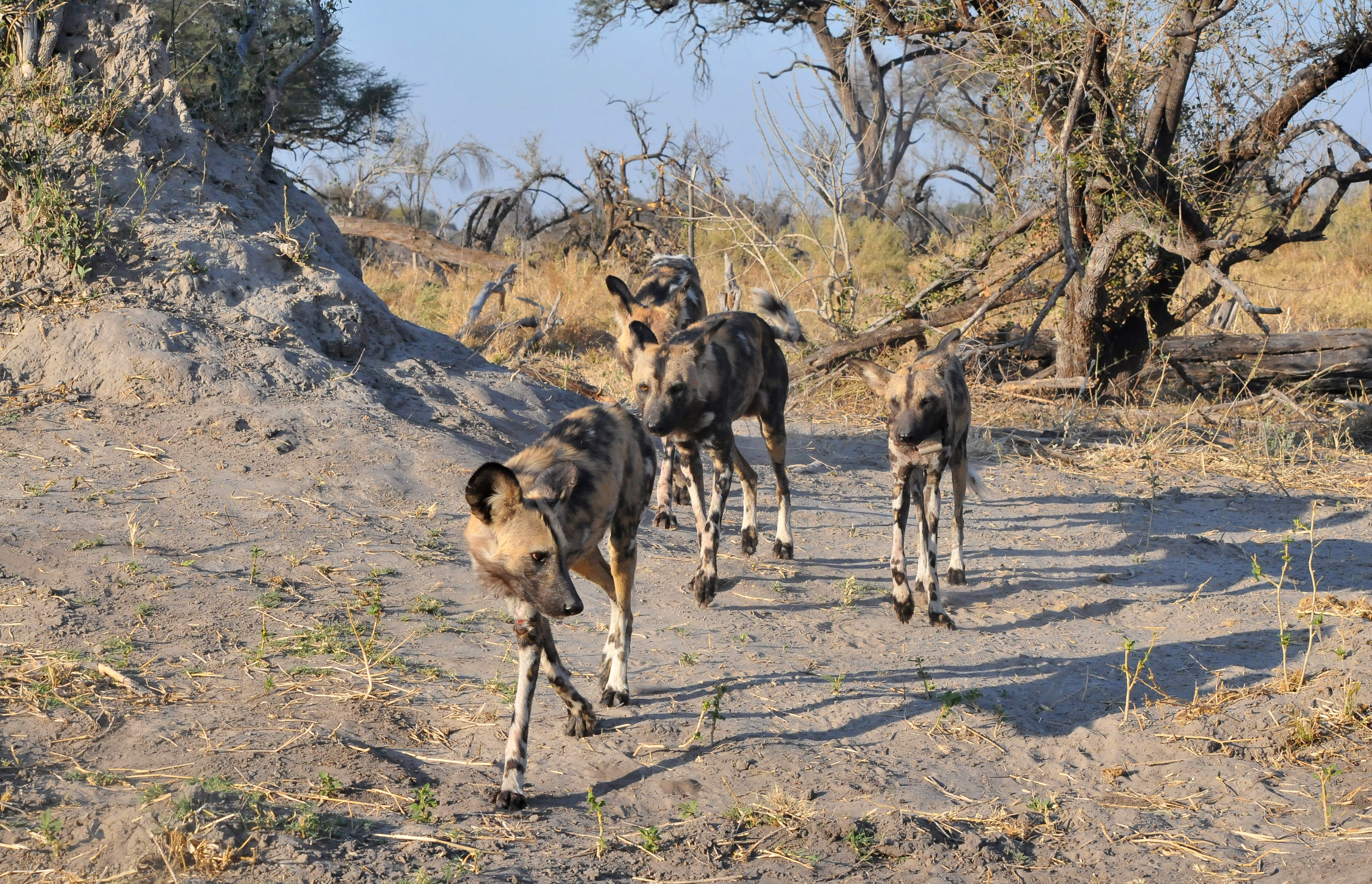
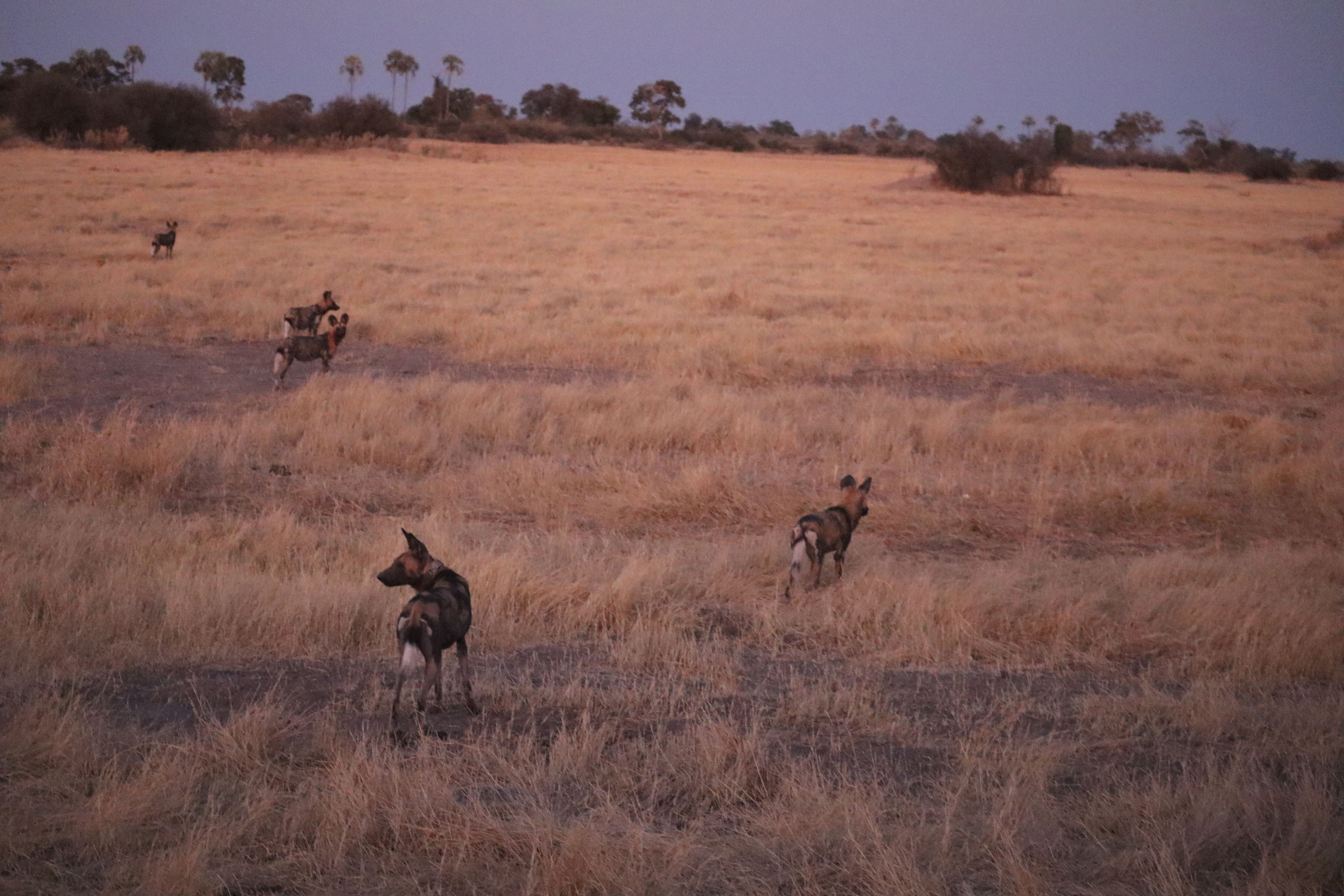
What we found was striking: during droughts, all four species expanded their ranges in search of dwindling resources. African wild dogs expanded their home ranges by 35%, and leopards increased their core areas by an impressive 228%.
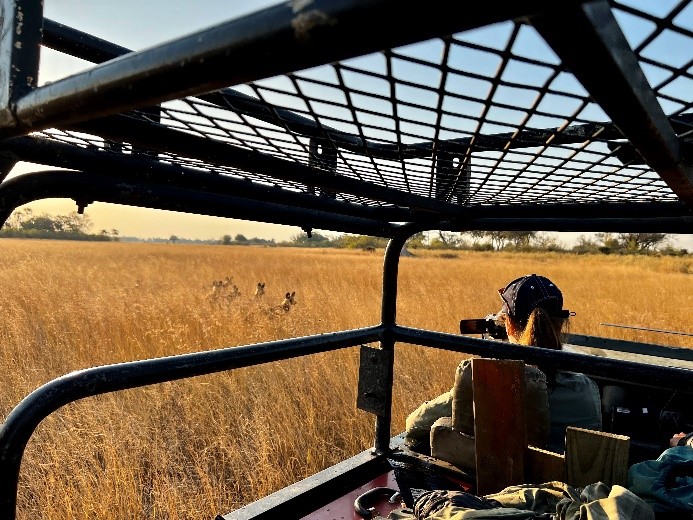

Drought and Competition
We also investigated how drought impacts competition between carnivores. Competition plays a key role in how carnivores navigate their environment, often prompting smaller carnivores to adjust their movements to avoid larger, dominant predators. We measured competition using two metrics: spatial overlap and encounter rates. Spatial overlap measures how much of their home ranges two individuals share, while encounter rates indicate how often they come into contact within those overlapping areas.
As with our home range question, we had two ‘competing’ hypotheses. During drought, dominant species like lions could drive smaller carnivores away from prime resources, leading to less overlap and fewer encounters. On the other hand, subordinate species might take greater risks to access these limited resources, resulting in increased overlap and more frequent interactions between species.
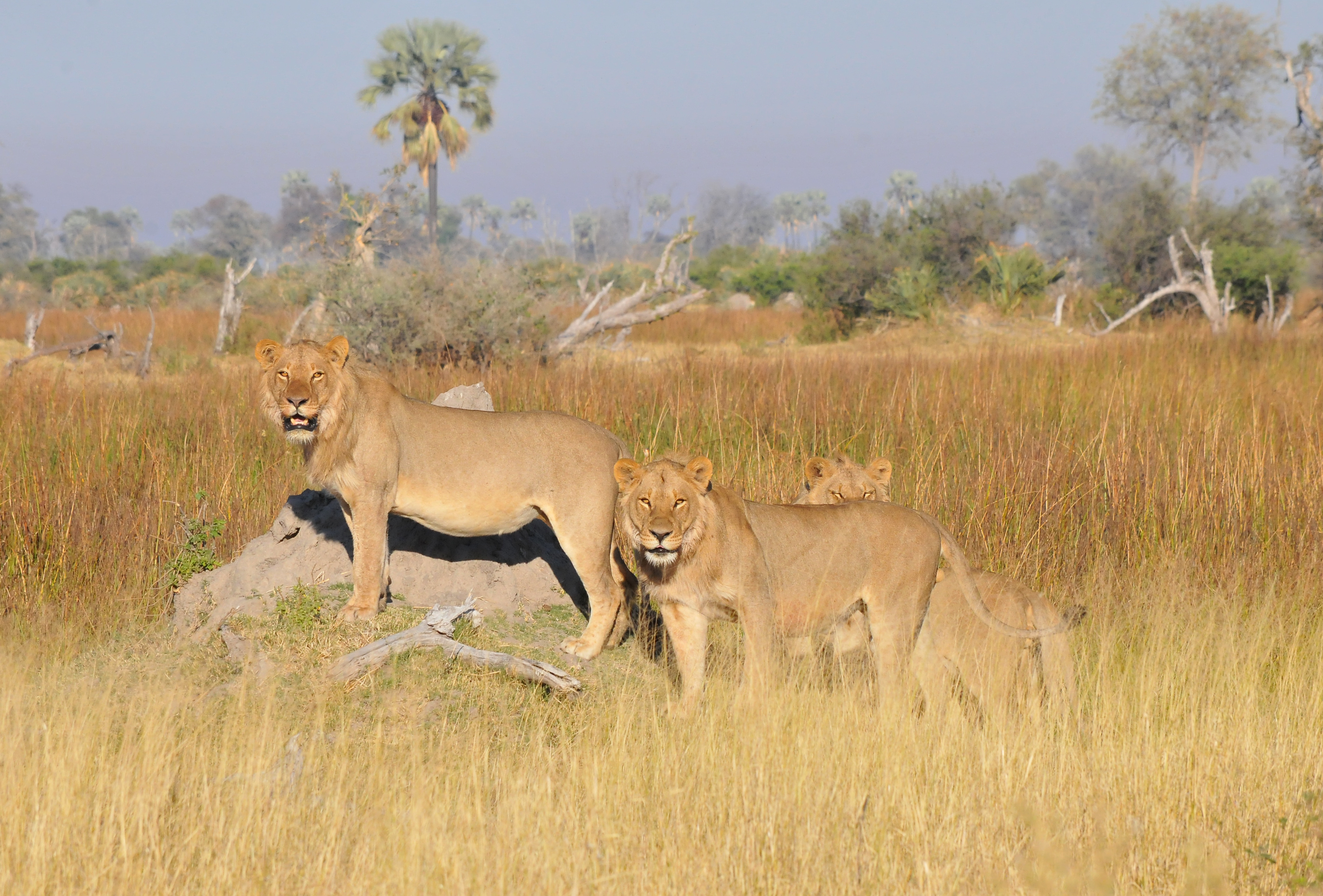
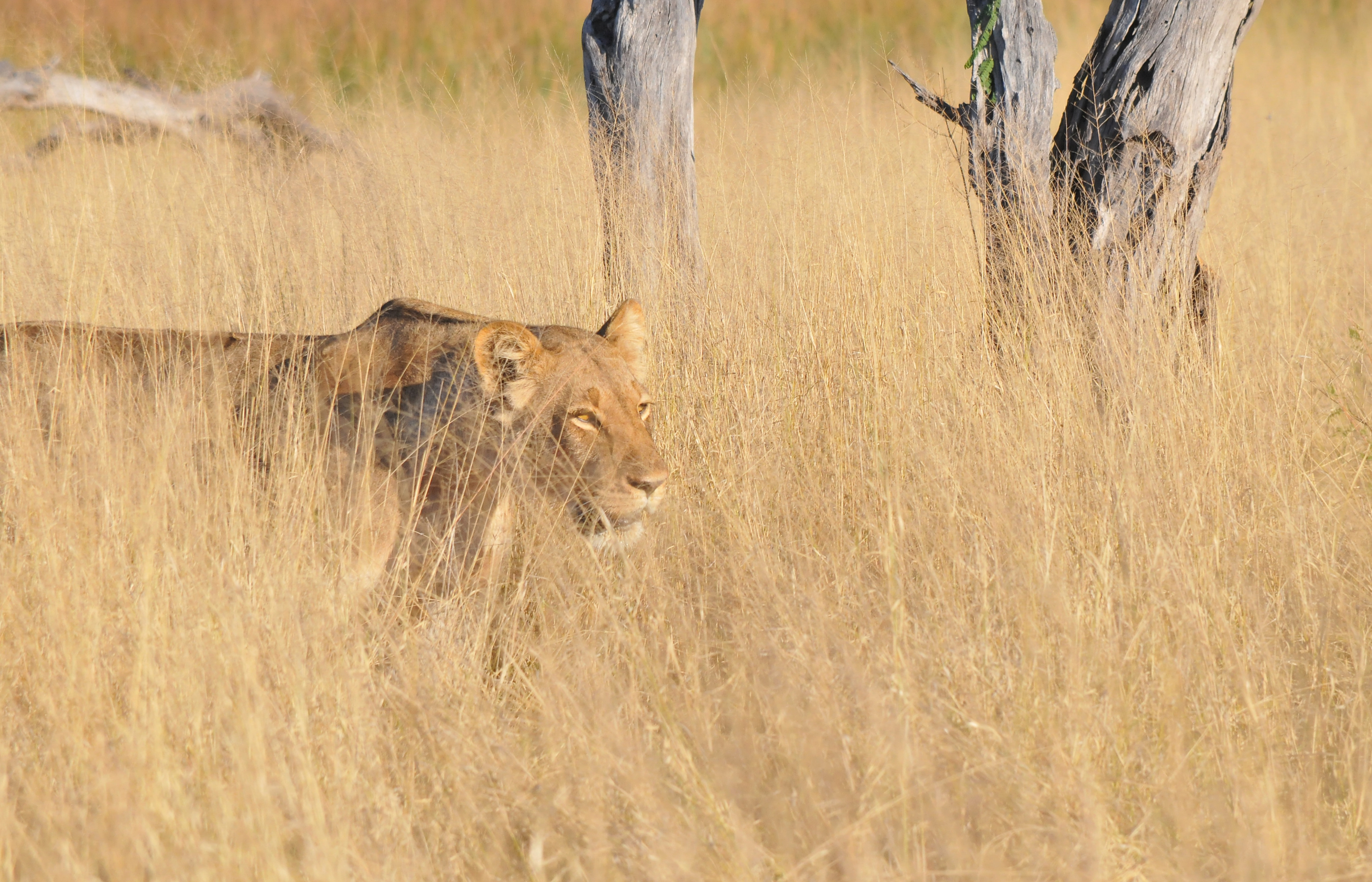
Indeed, as these carnivores spread out to find food and water, their ranges began to overlap more significantly. Sub-dominant species like cheetahs and leopards were pushed into closer proximity with lions, the top competitor in our system. The spatial overlap between lions and cheetahs, for example, increased by 119% during droughts.
Interestingly, though overlap increased for some species, direct encounters did not always rise. This suggests that smaller carnivores may employ fine-scale avoidance strategies, such as adjusting their activity patterns to evade lions. Cheetahs, for example, may change their hunting times or choose different habitats to minimise contact with dominant predators.
Navigating a Changing Landscape
These findings underscore the complexity of predator interactions in a changing environment. Our study illustrates how drought not only influences individual behaviours but also shapes the intricate interactions among these top predators. As climate change intensifies, carnivores may incur energetic costs from expanding their home ranges in search of scarce resources. Subordinate species may adopt riskier behaviours, opting to use areas with high competitor density to access vital water and prey.
Conservation Implications
So, what does this mean for conservation? By understanding the pathways through which drought affects carnivore behaviour, we can inform targeted conservation strategies that support the survival of these incredible predators in the face of increasingly common climatic extremes. Our study found that carnivores expand their ranges during droughts, which means that they have larger space requirements during these periods of resource scarcity. Protecting larger areas and creating movement corridors may therefore become more important for enhancing the climate resilience of biodiversity hotspots like the Okavango Delta. Furthermore, drought is known to intensify human-wildlife conflict, as animals venture closer to human settlements in search of food and water. Studies like ours are important for identifying ways to promote coexistence and mitigate these conflicts.
Read the paper
Read the full paper here: https://doi.org/10.1111/1365-2656.14192
 Animal Ecology in Focus
One thought on “Adapting to Scarcity: How Drought Impacts Large Carnivore Movement”