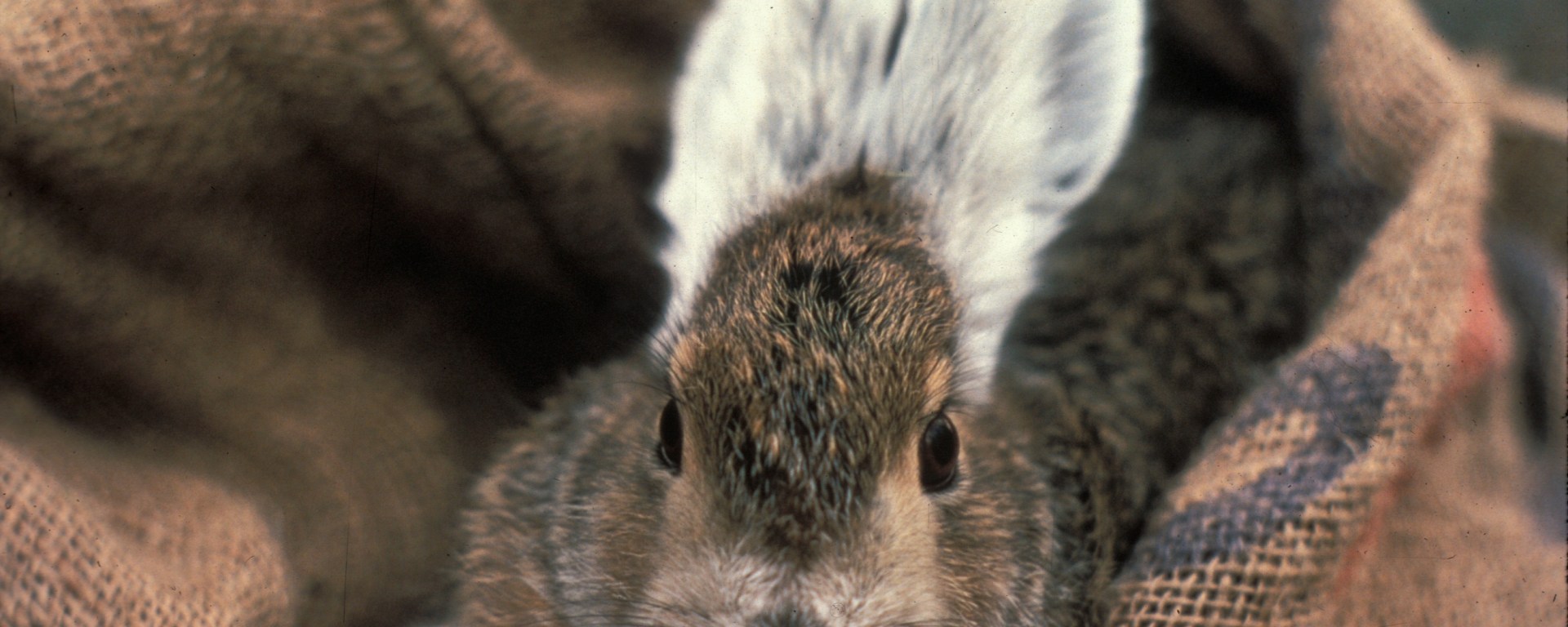
This blog post is provided by Charles Krebs, Stan Boutin and Rudy Boonstra and tells the #StoryBehindThePaper for the article “Demographic Mechanisms of Snowshoe Hare Population Cycles in Yukon, Canada”, which was recently published in the Journal of Animal Ecology. In this study, the authors present a summary of more than 400-person-years’ worth of research on the population cycles of the snowshoe hare, providing a deeper understanding of boreal forest communities.
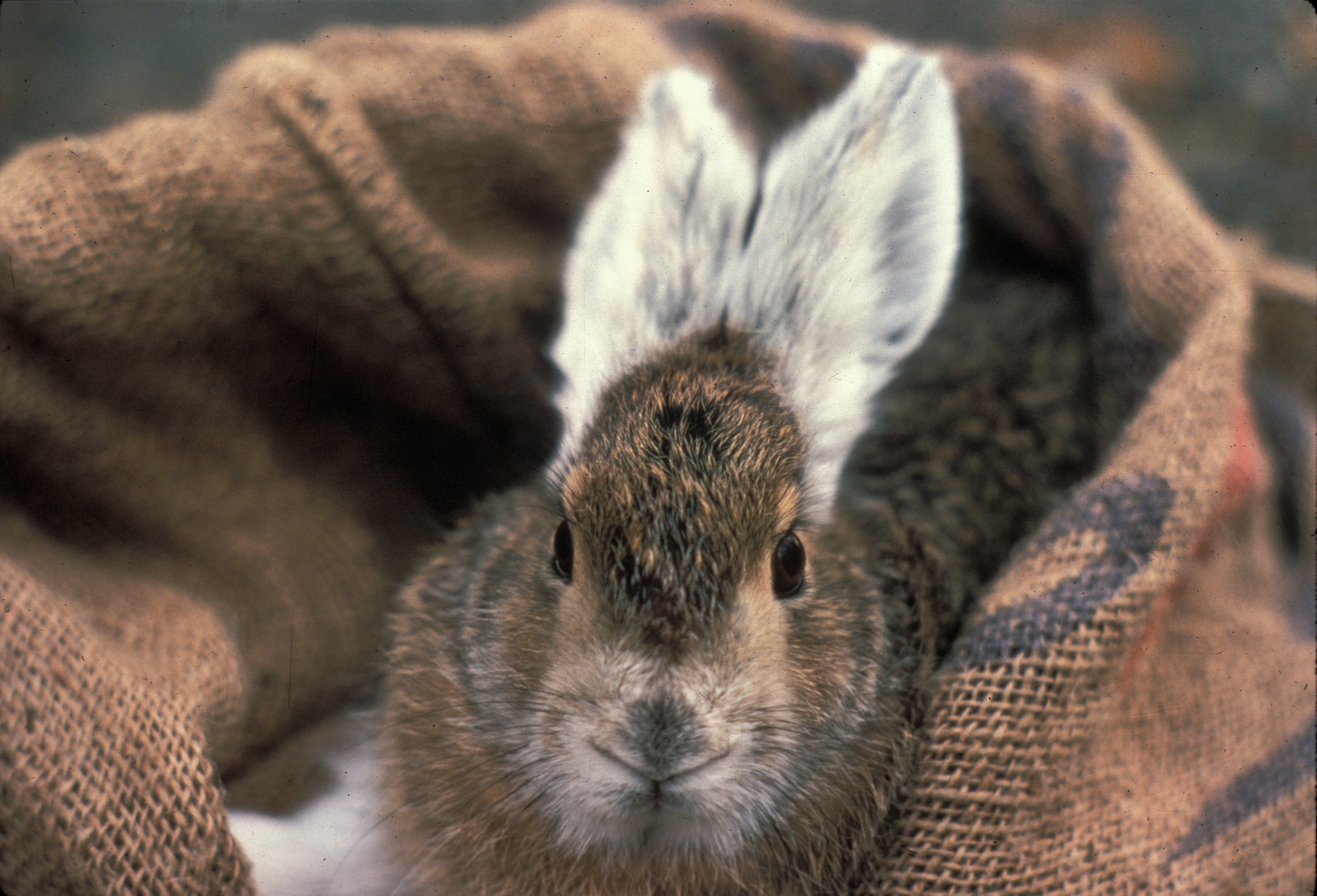
Charles Elton, the Father of Animal Ecology, started a scientific discussion of the snowshoe hare cycle in 1924. Much early work provided a description of the 9-11-year cyclic fluctuations in this keystone species across the entire boreal forest of Canada and Alaska. First Nations across the continent recorded these fluctuations in their oral history going back hundreds of years because hares served as food in times of scarcity. The original impact of these early observations was to challenge the concept of the balance of nature, of stability being the norm. Elton and his colleagues gathered the fur trading data of the Hudson’s Bay Company going back to 1670 across Canada and began a discussion of the causes and consequences of these cyclic fluctuations. The discussion must start with a thorough understanding of the pattern of births and deaths over each cycle, and the results can be viewed in this paper by Oli et al. (2025).
The snowshoe hare cycle is the heartbeat of the Canadian boreal forest, the largest ecosystem in North America covering 5 million km2. We began in 1976 to study snowshoe hare cycles in the southwestern Yukon using the tools of population ecology. Previous work by Lloyd Keith and his team in Alberta during 1960-1984 had laid out a basic plan of what needed to be explained. For the last 50 years we have studied snowshoe hare cycles in the Yukon, and our investigations have expanded into the community ecology of the boreal forest ecosystem to measure both stability and change in the food web.
Ecological studies suffer from the need to do short-term research to answer long-term questions because of scientific funding cycles. It is difficult to address this issue since our most important questions exceed the working lifetime of the investigators, and the consequences are a patch work on conclusions that may or may not be a good diagnosis of an ecological problem.

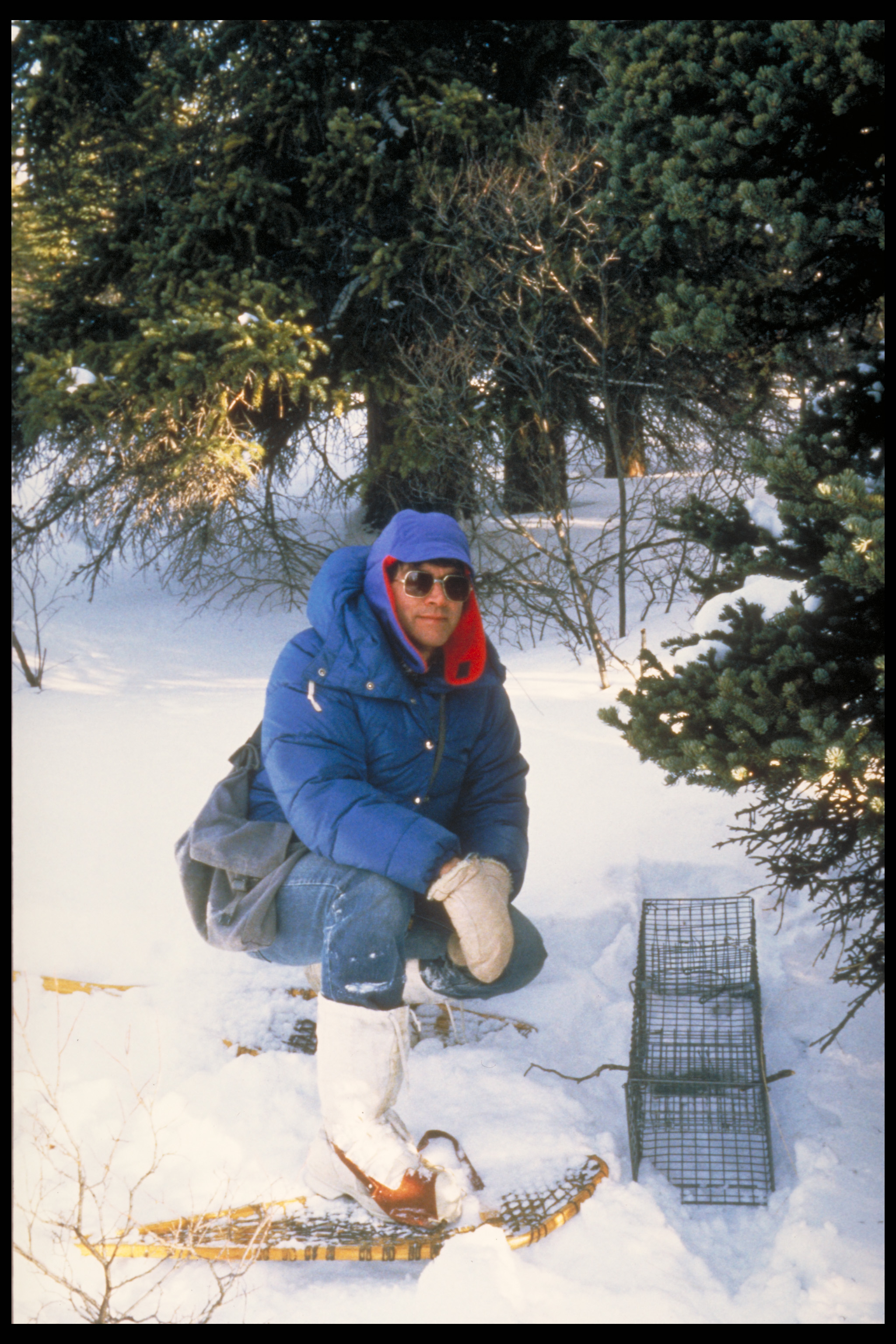
Our studies summarized in this paper are based on more than 400-person years of field research since 1976. We owe much to all who have participated and contributed. If you wish to understand population dynamics, you need to study birth and death rates as well as movements. Birth rates change within the season, and much mark-recapture work must be done to produce the conclusion that female hares in mid-summer are more productive and survive better than those in early or late seasons. There immediately is another question – why? Is it a food supply issue? How will climate change affect these reproductive dynamics when the snow comes later and melts earlier? The same types of questions arise from the mortality schedules of hares in winter. These questions can be answered by capture-recapture studies in winter when the temperature is below -30⁰C and tracking studies on snowshoes following predator movements and hunting success during the winter.
We present in this paper a dataset that is a signpost on our way to understanding how the snowshoe hare cycle within the boreal forest plant and animal community operates. But we do not have the answers to some key questions. The overall pattern of the hare cycle is relatively simple to understand. At the start of the increase phase predator numbers (lynx, coyotes, great-horned owls) are uncommon and female hares have 3 and possibly 4 litters with 5 young per litter over the summer. By the peak of the cycle predators have slowly increased so mortality rates of hares are higher, but an unresolved puzzle emerges. Female hares whose lifespan is only 1-2 years begin to turn down their reproduction from 3-4 litters per summer to 1, 2, or perhaps 3. Why turn off reproduction? The puzzle deepens when reduced reproduction continues down to the low of the hare cycle when hare densities are low and few predators have survived.
Three unresolved causal hypotheses remain to be studied. One is that hares at the peak and crash of the cycle could suffer food shortage because of over-browsing, changes in plant chemistry or food quality associated with winter and summer browsing. A second hypothesis is that female hares may reduce their production and care of young to “save themselves” under intense predation pressure during the peak and decline phase. A third possibility is that hares could suffer from stress associated with unsuccessful predator chases during the peak and early decline. These maternal stress effects might be carried on for several years to later generations because of changes in the brain.
The low phase of the cycle (lasting 2-3 years) is poorly understood because low hare and predator numbers make sampling by mark-recapture difficult. On a study area of 60 ha in the peak of the cycle there may be 150 hares to capture and mark, while in the low of the cycle there may be only 1-4 hares. Despite our efforts in the low phase we cannot predict when the population will begin to rebound, simply that it always will.
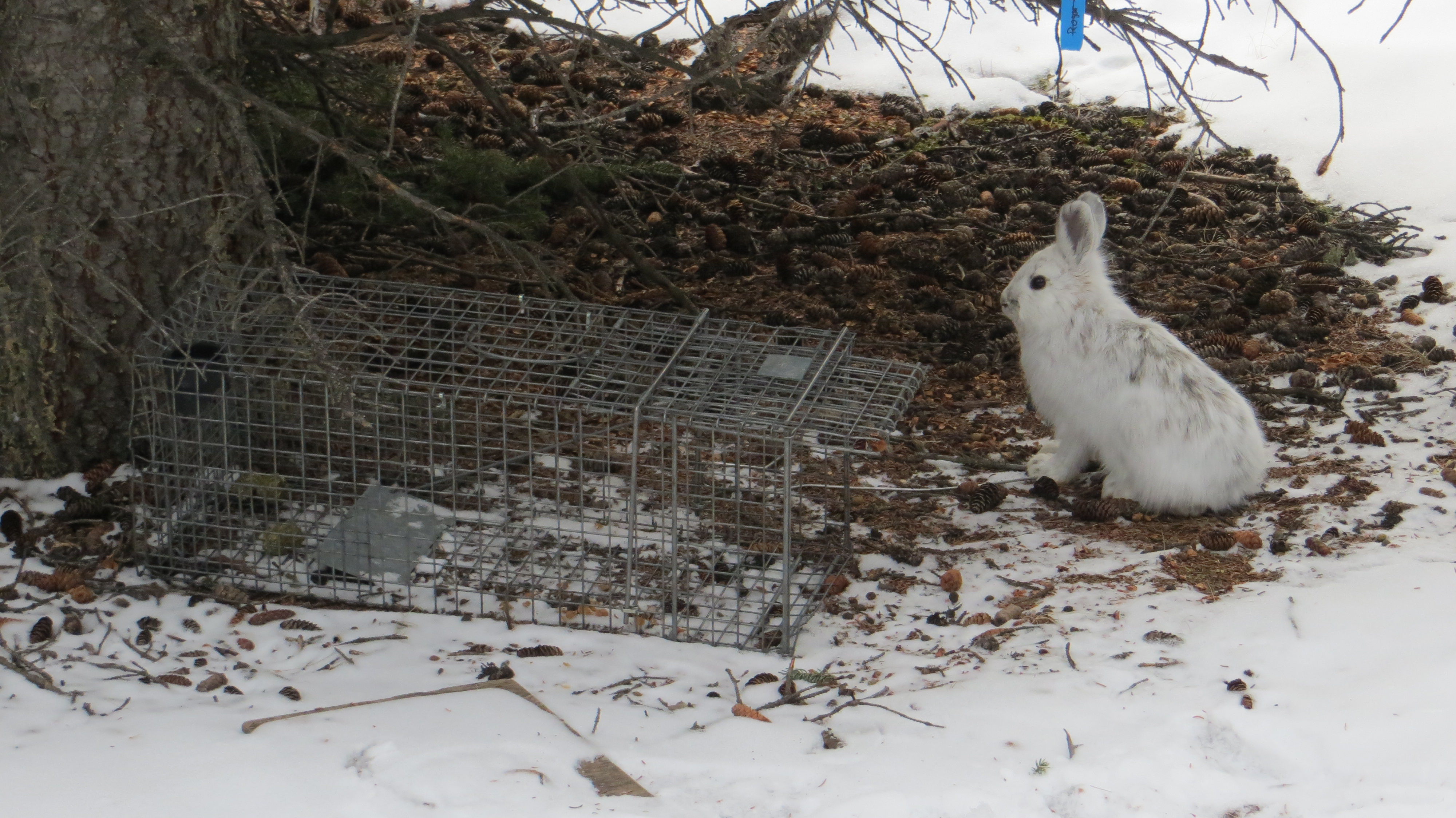
Where does this take us? First, we need to maintain long-term studies so as not to make the mistake of interpreting short term “noise” for long term ecosystem change, especially in the face of increasing impacts of climate change. The era of single species studies is over, and we need to understand quantitatively food-web dynamics. Second, we need to do population arithmetic correctly, as illustrated in this paper, because the mechanisms that we think are driving the hare cycle must stand the test of demographic scrutiny. We may be rash in our assessment, but we believe that understanding ecological systems is a much more difficult science than physics and chemistry. There is much to be done.
Read the paper
Read the full paper here: https://doi.org/10.1111/1365-2656.70169
 Animal Ecology in Focus