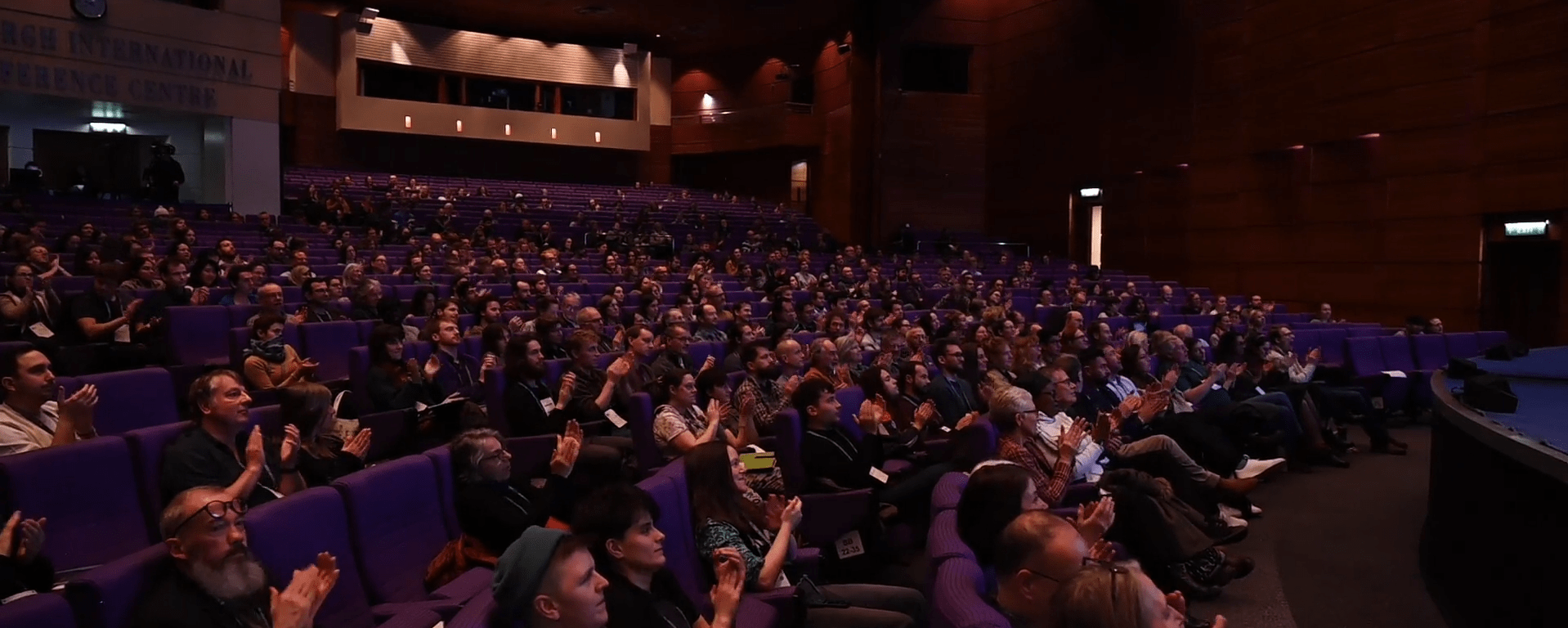
This blog post is provided by Rowan Kuminski (Associate Blog Editor, Journal of Animal Ecology) and features the work of three presenters at BES 2025 who are taking steps to form equitable collaborations in the field of ecology.
This year BES (British Ecological Society) 2025 took place in Edinburgh from 15-18 December, and demonstrated a fantastic breadth of research being done in the field of ecology, from soil health to seabird phenology, and everything in between. In addition to offering so many great talks, poster sessions, and events, BES 2025 also showcased the various ways that ecologists are forming equitable and inclusive collaborations with other researchers and communities. In this blog, we would like to recognise just a few (of many!) initiatives we saw at BES 2025 that promote BES’s goals and priorities for equity in ecological research.
Learning history and culture of study sites
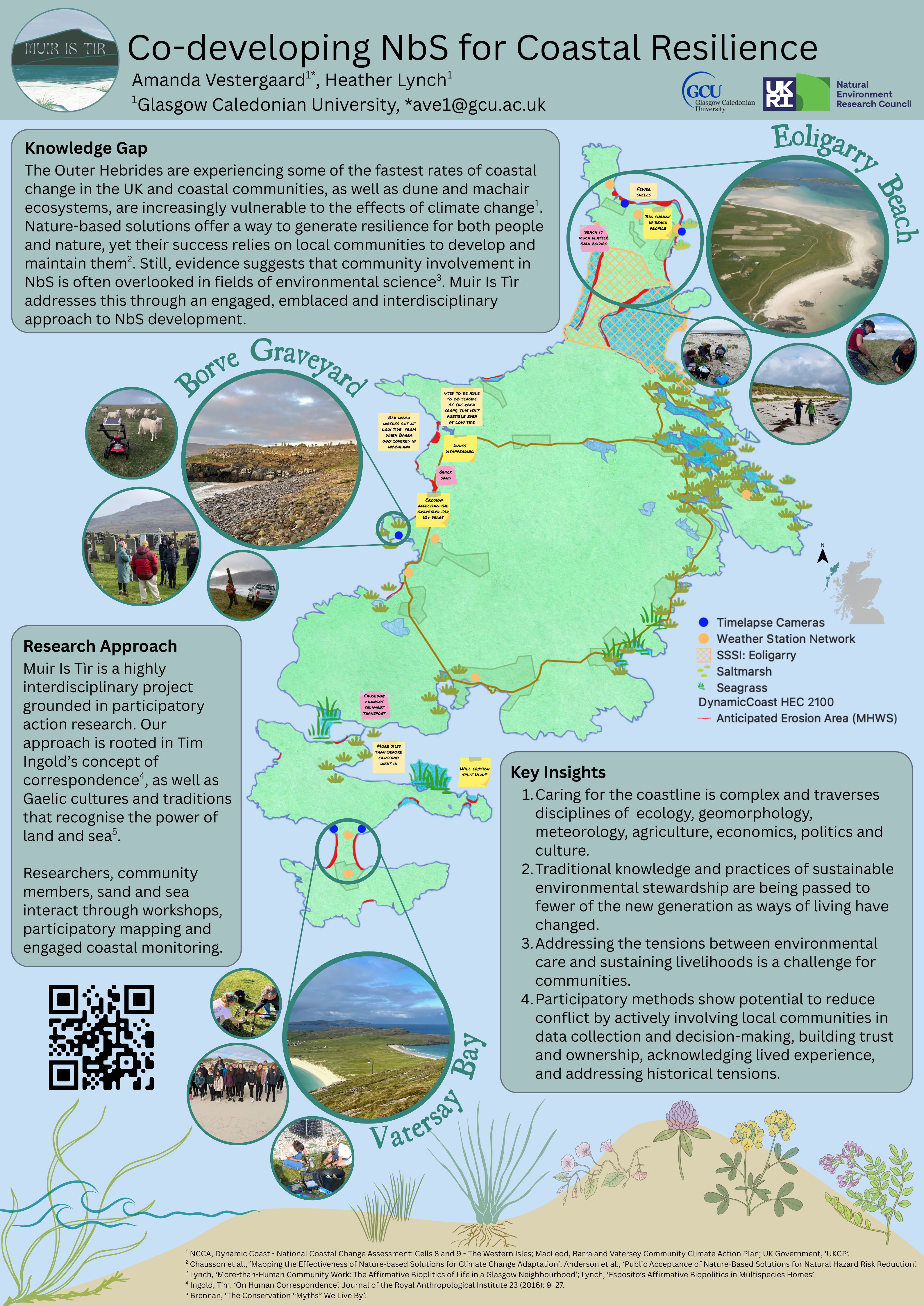
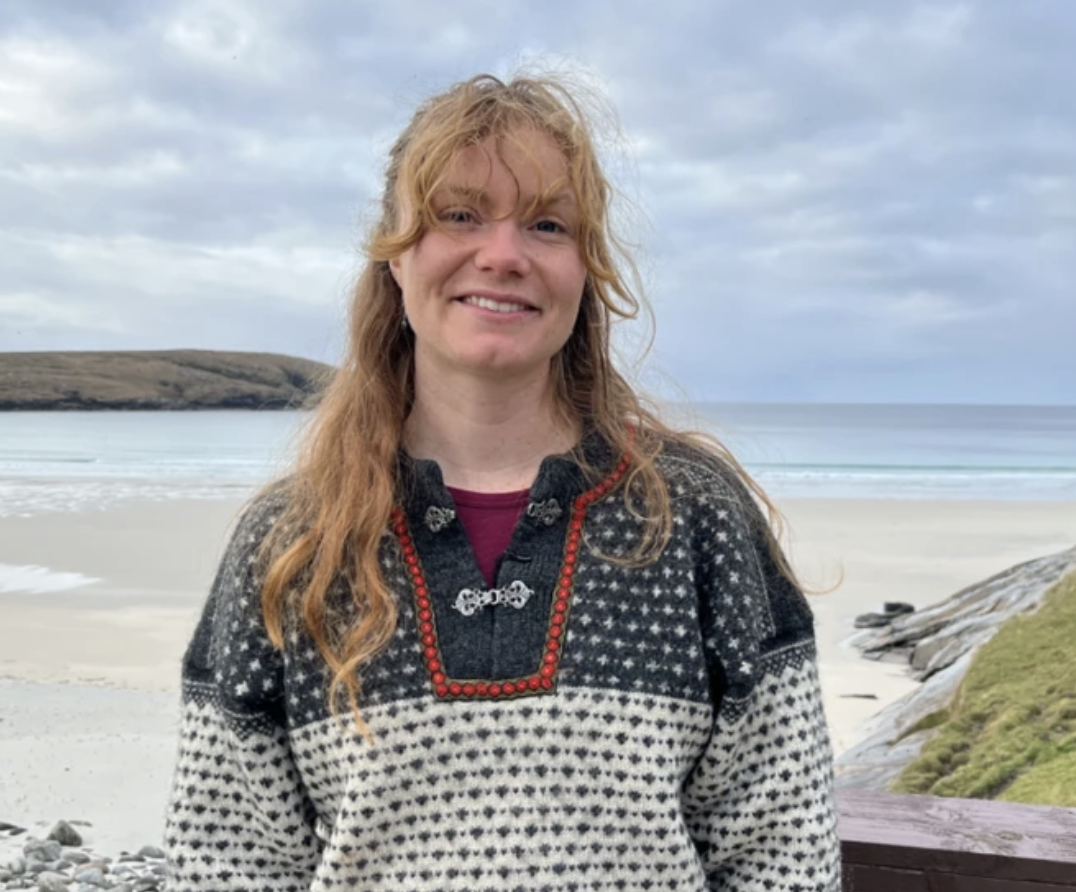
Throughout the meeting, we saw researchers not only doing the very important work of learning about their study systems, species, and sites, but also the languages, cultures, and history of the people who inhabit these sites or who value them. Building trust with local groups and acknowledging their experiences is a key step to doing fair research, and many ecologists are doing this work to make their research more equitable. Amanda Vestergaard is part of a team conducting research in the Outer Hebrides; she presented a poster titled “Co-developing NbS for Coastal Resilience”, highlighting the importance of correspondence and collaboration with local communities when developing nature-based solutions (NbS), as well as incorporating “Gaelic cultures and traditions that recognize the power of land and sea”. This project (Muir is Tìr) demonstrates a partnership with the local community that works to reduce conflict with local communities by forming active dialogue and engagement throughout the research process, while being sensitive to their lived experiences and historical tensions surrounding these topics. The process of learning about and therefore validating a community’s experiences is a crucial aspect to forming equitable partnerships, but also to forming long-lasting collaborations that have the greatest positive impact.
Embracing multiple epistemologies
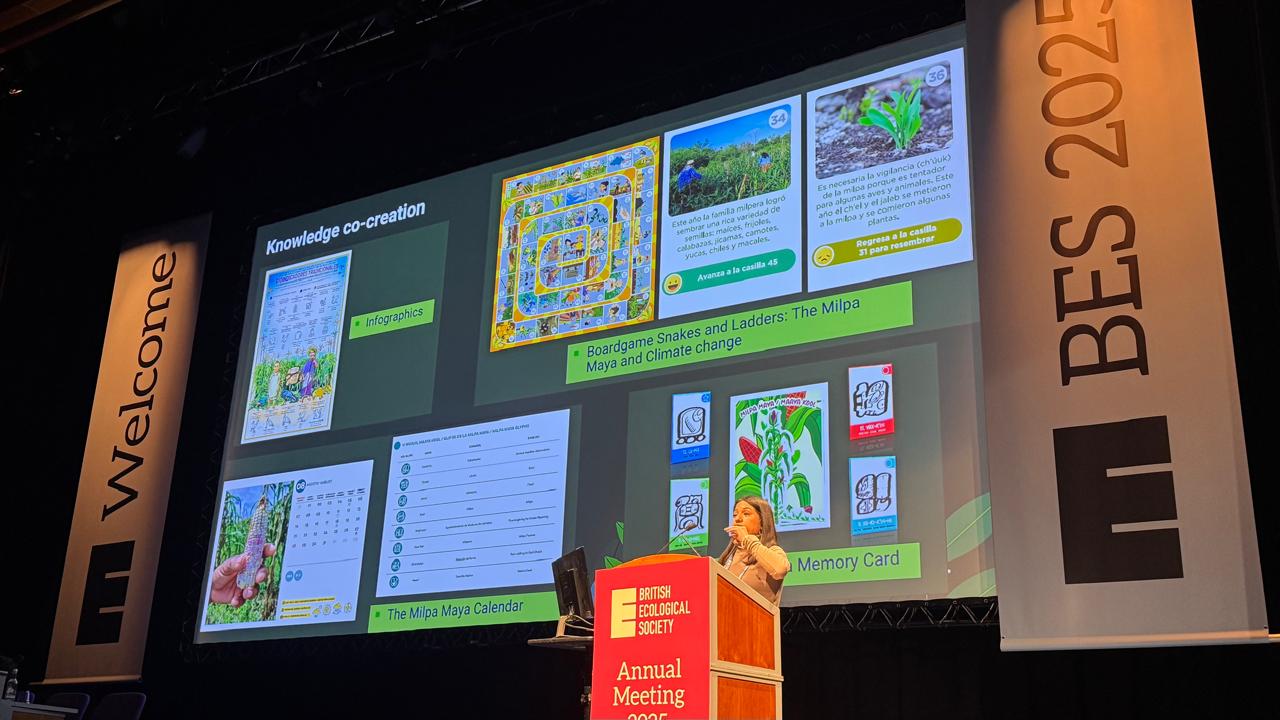
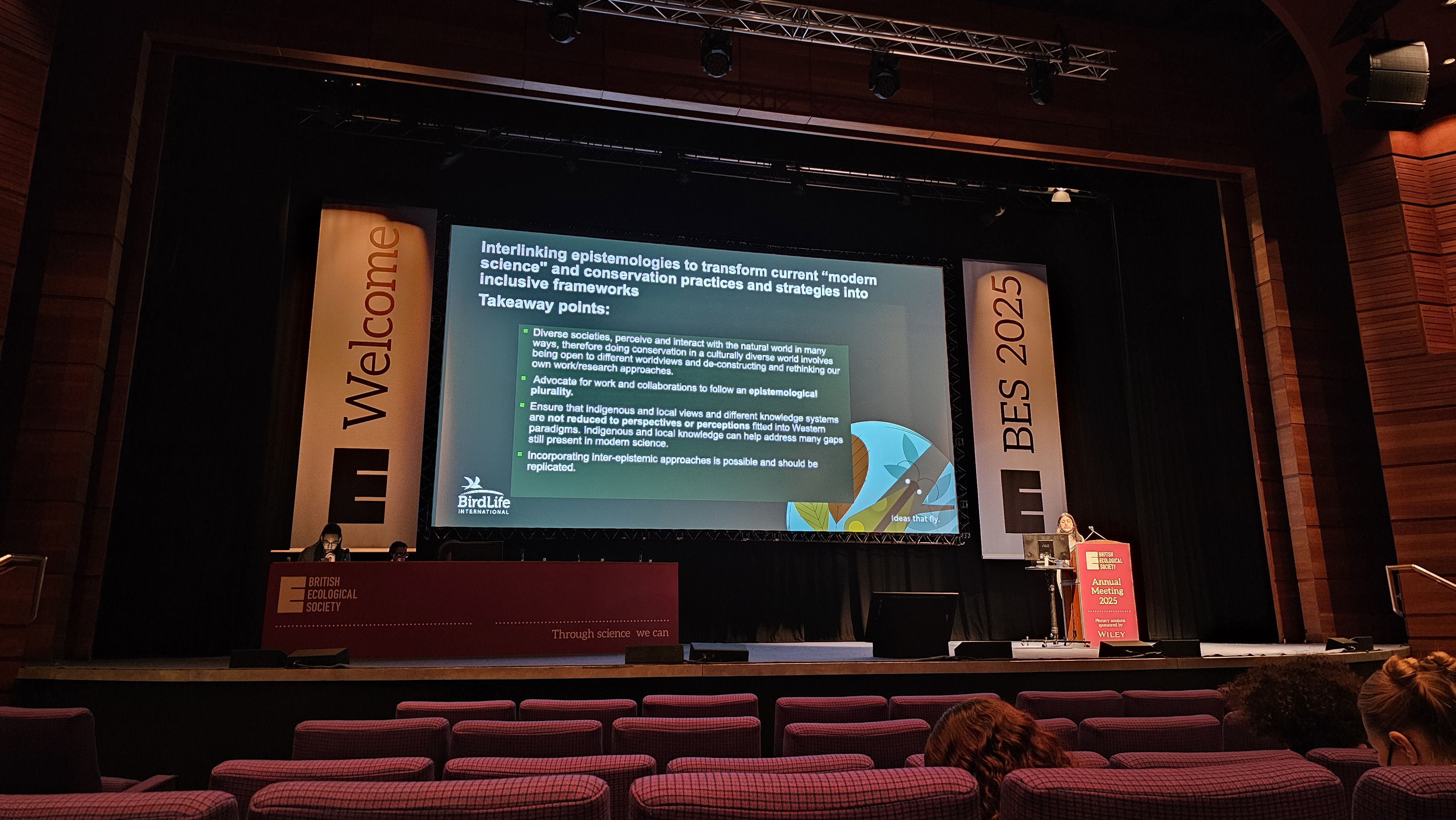
While ecology (and science in general) have long enforced a narrow view of what constitutes “knowledge” and “truth”, this is a positivist view often challenged by other fields, such as social sciences. However, ecologists are increasingly discussing and seeing the value in embracing multiple epistemologies, or ways of “knowing”. In her talk “Recognising the value of knowledge systems in building resilience to environmental challenges”, Dr. Karla G. Hernandez-Aguilar spoke about involving multiple epistemologies to transform and improve conservation practices. She emphasized the importance of not only learning about and acknowledging the role of colonialism in present day research practices, but also actively working on decolonising our own perspectives and embracing epistemological plurality. Her talk provided a thorough and important framework for not only including Indigenous knowledge in ecological research, but deconstructing our views of western science as the only valid way of “knowing”.
Capacity building
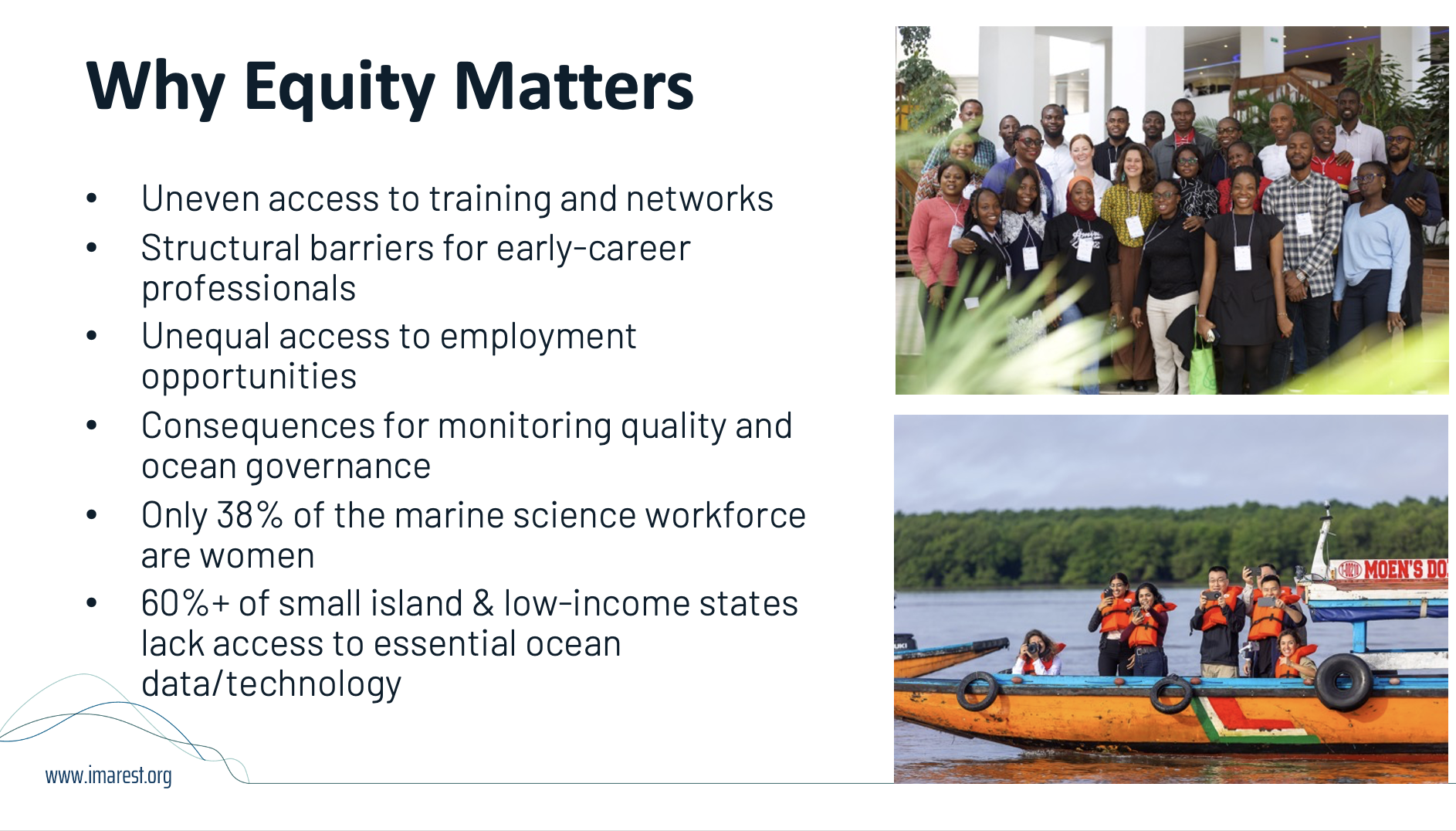
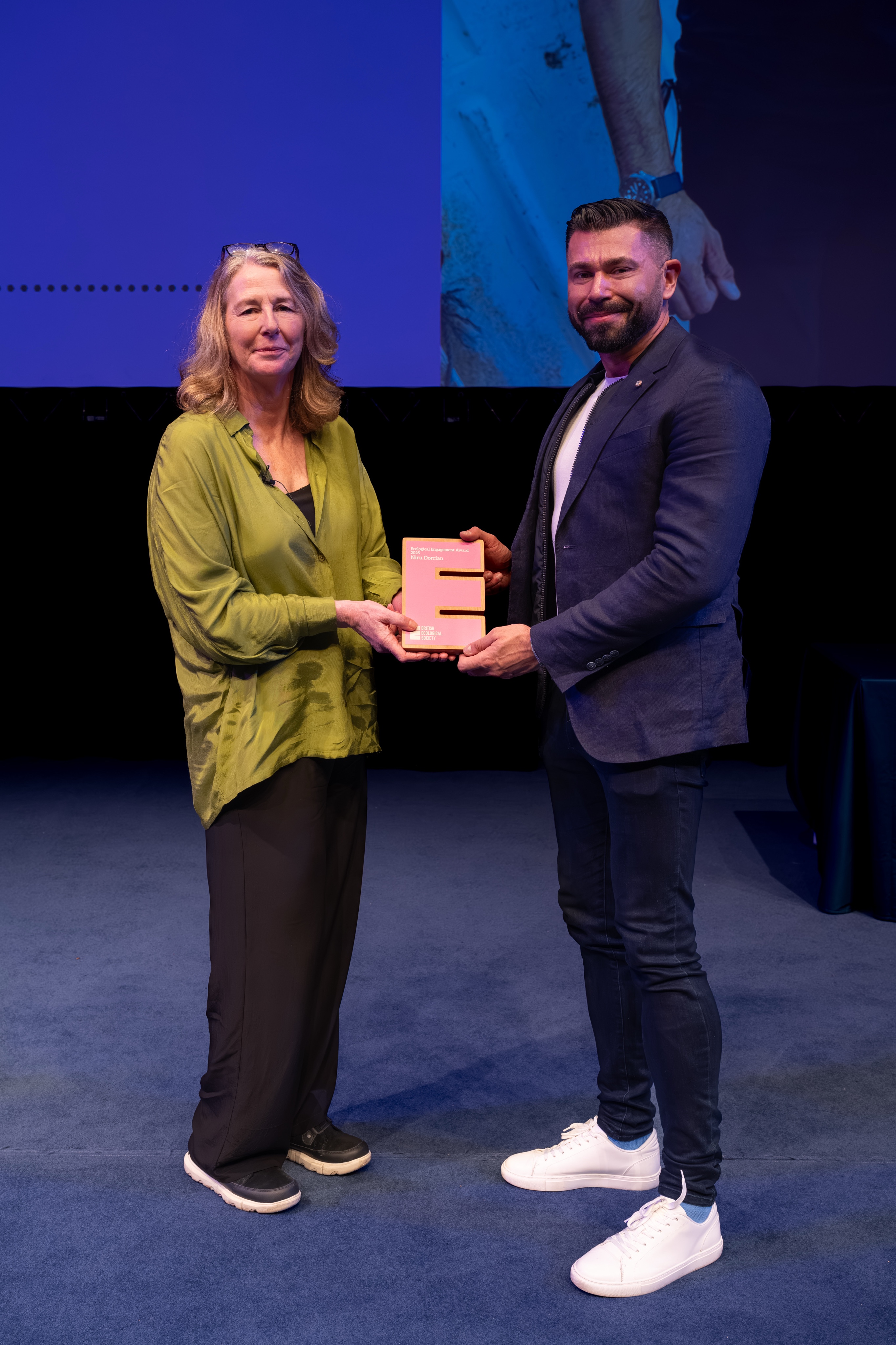
Another important priority for the BES is equitable support for ecologists, which includes providing resources and opportunities to those who face systemic barriers to a career in ecology. In his talk “Bridging oceans: capacity building, science communication, and equity in marine ecological science”, Niru Dorrian (Fellow of the BES, Fellow of the IMarEST) spoke about the importance of equitable capacity building, and its importance for not only providing more equitable opportunities, but for global marine conservation. He emphasized the long-term effects that structural barriers can have for employment and training opportunities, especially for early-career professionals, within marine science. He highlighted the benefits of investing in programs that promote equity, diversity, and inclusion, both within marine science and more broadly in ecology.
You can find more information about the BES equity, diversity, and inclusion goals and priorities here:
https://www.britishecologicalsociety.org/content/equity-diversity-and-inclusion/
 Animal Ecology in Focus