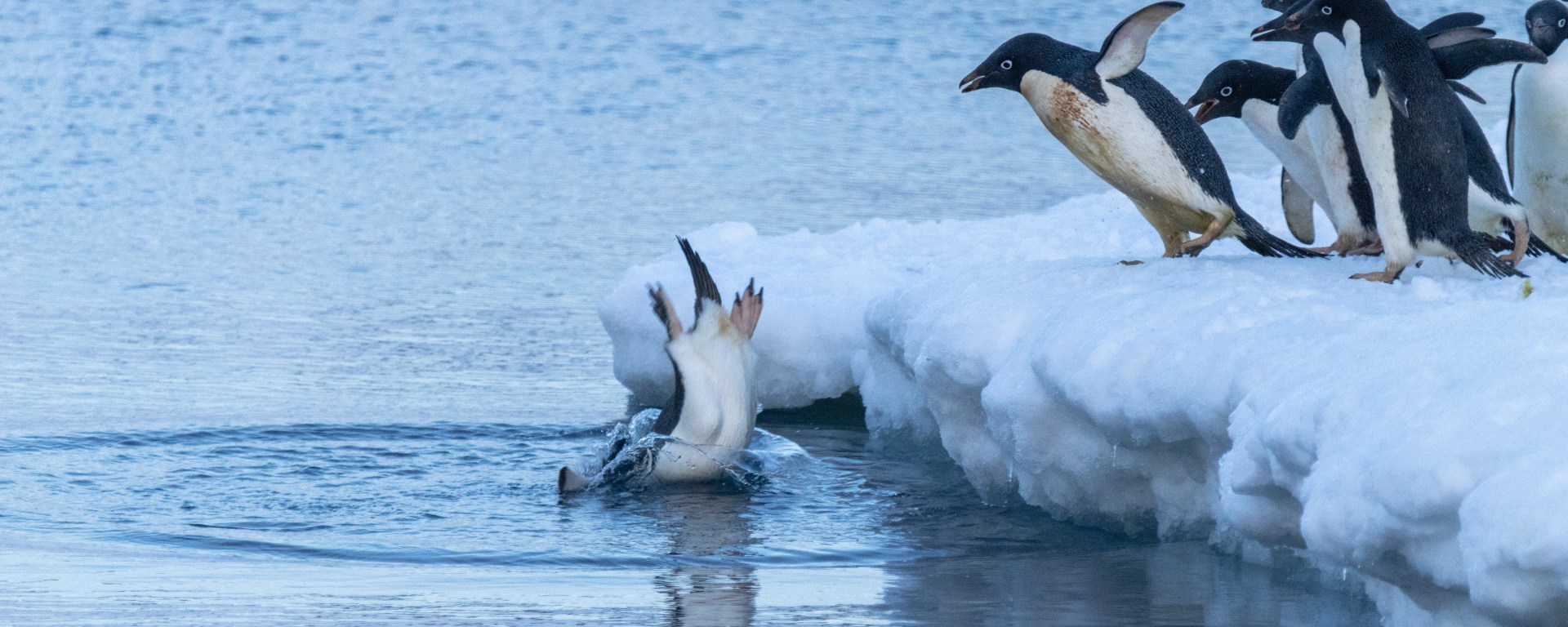
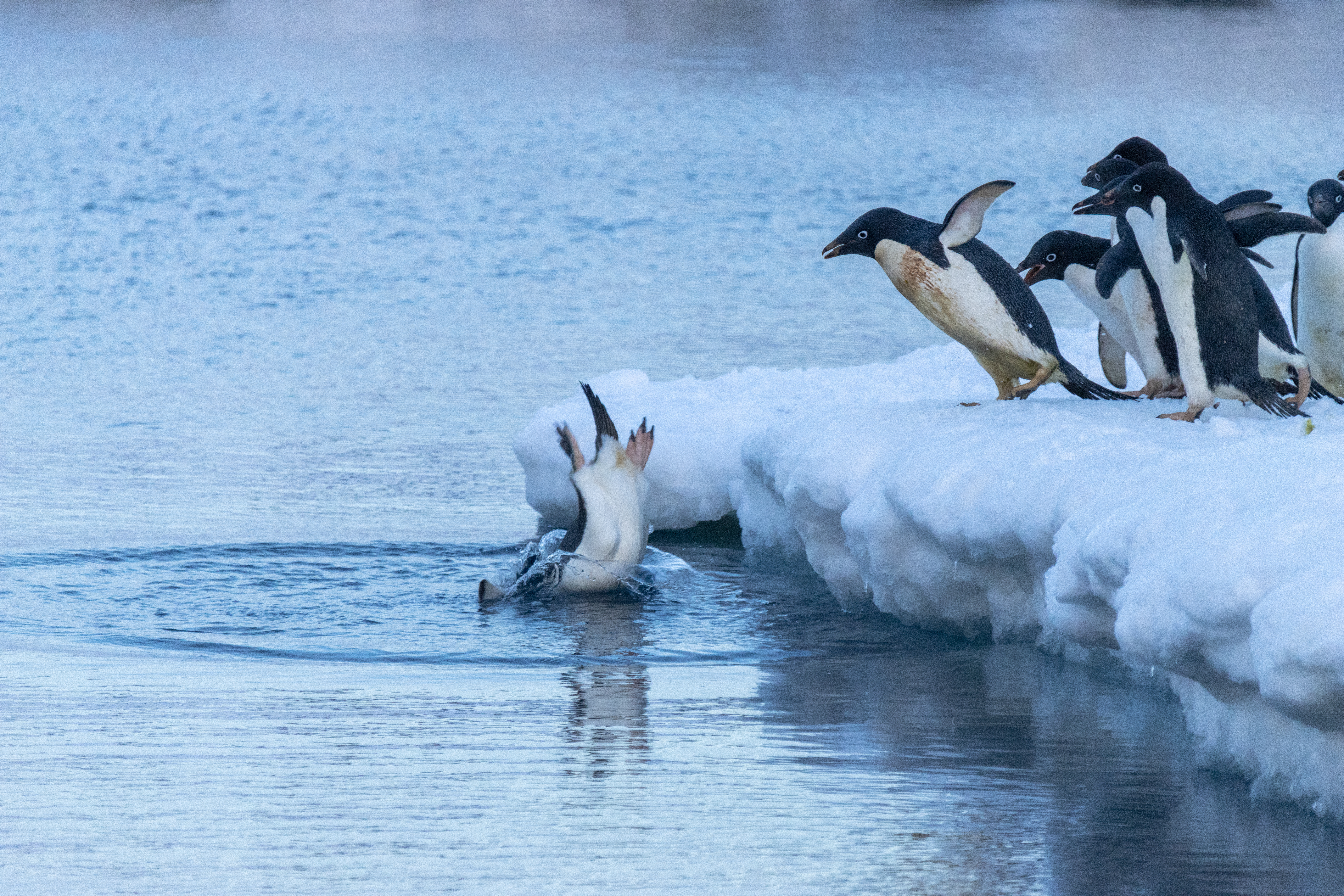
This blog post is provided by Benjamin Dupuis and tells the #StoryBehindThePaper for the article “Energetics link long-term environmental variations to breeding success in a wild penguin population“, which was recently published in Journal of Animal Ecology. This study used long-term bio-logging data to examine how individual responses to environmental variation affect Adélie penguin population dynamics.
For the majority of time since humans have tried to better understand the world around them, the study of wild animals relied mainly on visual observations. We all have in mind old classical biological illustrations used to visually translate species biology and ecology. Some of these direct observations brought us fundamental theories in biology, like nothing less than Darwin’s Theory of Evolution, famously inspired by Galapagos finches. While it is certainly convenient and useful to count colonial birds for estimating their demographic rates, or observe seabirds’ behaviours in the vicinity of fishing vessels to better understand bycatch risks, these approaches appear limited when it comes to studying internal physiological mechanisms or individuals in difficult-to-access environments, such as diving animals.
To address these caveats in the 1960’s, Jerry Kooyman developed the first modern bio-logging device (Kooyman, 1965). By combining a simple kitchen timer with a smoked-glass disk, Kooyman’s device was capable of recording depth time-series of diving seals, opening a whole new world of studies on animal movement and behaviour.
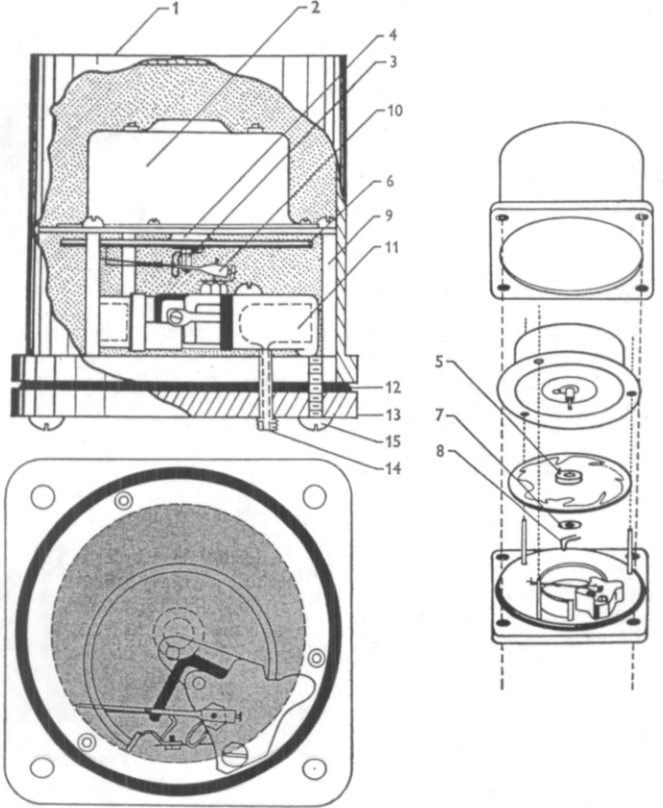
This family of fairly simple devices are today referred to as Time-Depth Recorders (TDRs) and have proven very useful to study the diving behaviour of marine mammals and seabirds (https://www.penguiness.life/). For instance, previous studies highlighted how specific movement patterns registered with TDRs could be used as proxy of prey ingestion (Bost et al., 2007).
As with all technologies, bio-loggers have become more and more complex with newer sensors, like accelerometers, since the 2000s. These novel sensors added new dimensions to the recorded data. For instance, accelerometers record at high resolution body movement in three spatial axes, and have been used to detect prey ingestion in a much more accurate fashion than TDRs (Oosthuizen et al., 2025).
This constant progress creates a paradox for today’s ecologists. To get a grasp of global change impacts on wildlife, we desperately need long-term datasets anddecades of recorded data. Yet, the rapid pace of technological innovation tends to make bio-logging devices quickly obsolete. By the time we record a 10-year series with one sensor, a “better”, more complex one has already replaced it. This leaves researchers tempted to abandon the “old” for the “new”. However, our latest study published in Journal of Animal Ecology stems from a different view. We demonstrate how the analysis of older, simpler datasets with modern analytical tools can unlock the immense value of long-term monitoring.
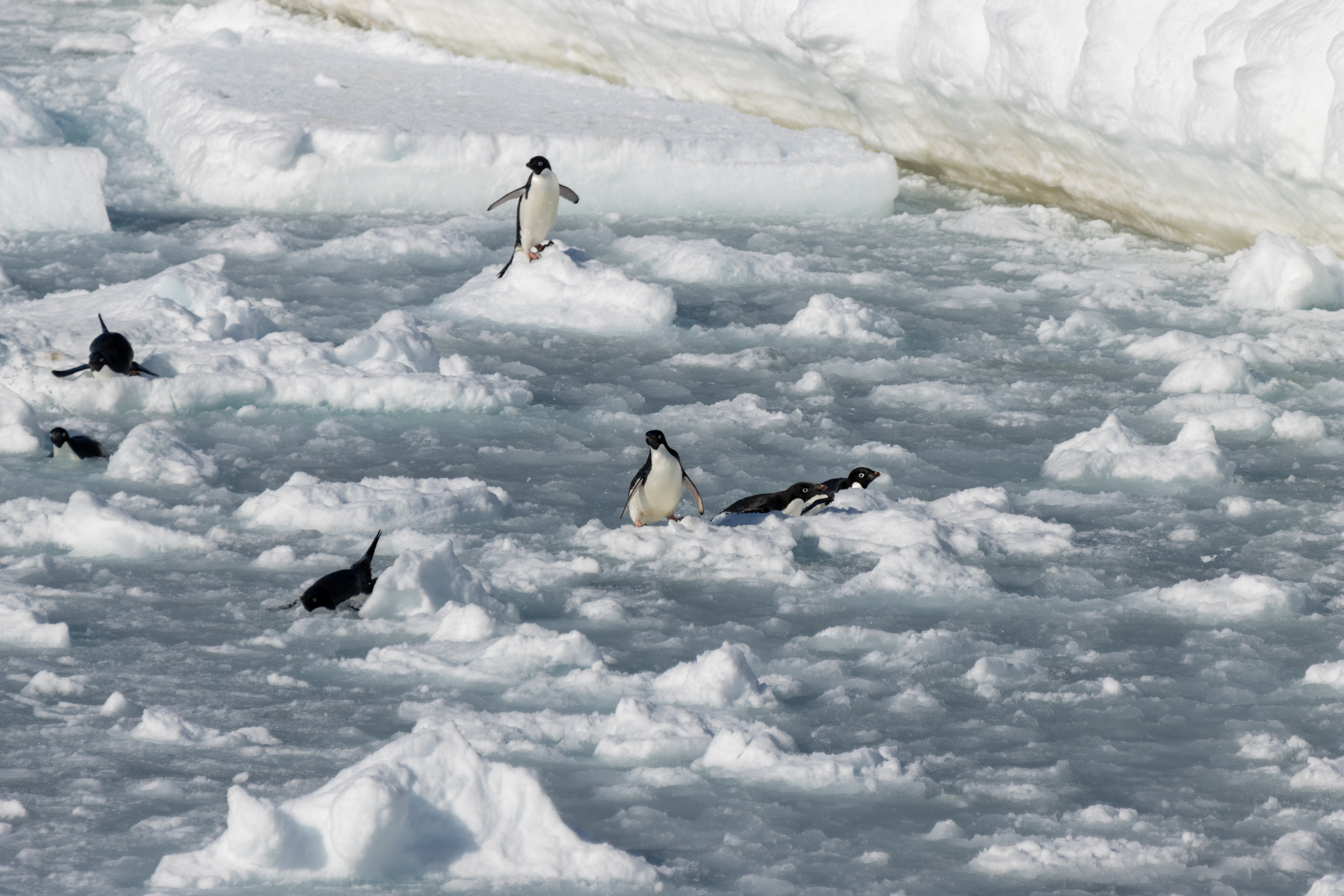
This project stems from our desire to better understand how long-term sea ice variations were affecting Adélie penguins’ physiology and at-sea behaviour. While very informative, accelerometer data were only available since 2016 within our long-term monitoring program. On the other hand, we had access to TDR data spanning over 25 years (1998-2024). Over this time, Adélie penguins faced a varied range of environmental conditions. This project started by training a machine learning algorithm on individuals where both high-resolution accelerometry and TDR data were available. Ultimately, this allowed us to “teach” our old TDR data to recognise feeding events and estimate energy expenditure with an accuracy close to the one obtained today with accelerometry data. By combining our new access to long-term individual energetics and at-sea behaviour with demographic data, we were able to bridge the gap between individual responses to environmental variations and their implications at the population level.
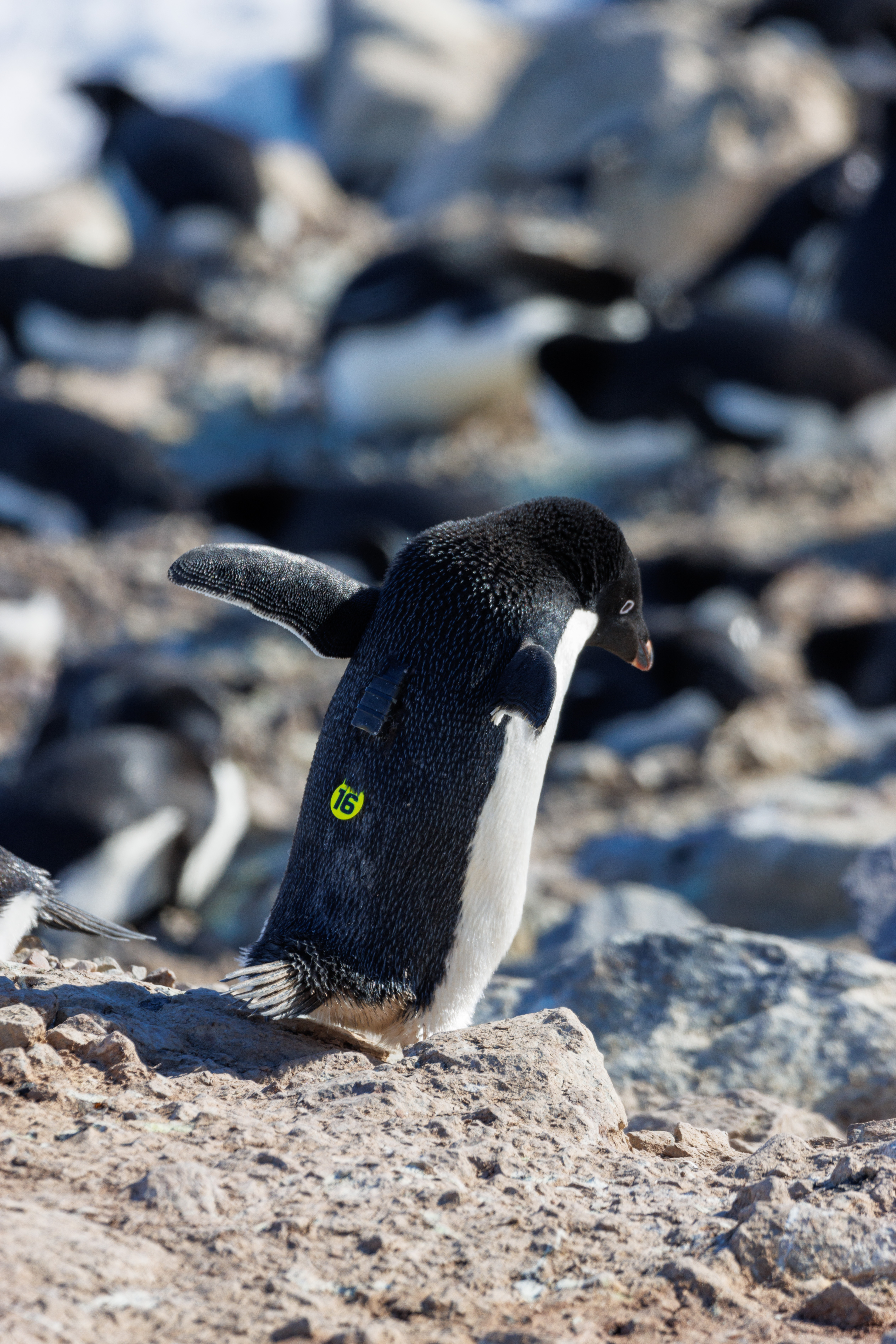
In our era of constant progress, and a highly technology-driven world, there is beauty in the simplicity of TDRs. Our work shows that technological advances are not always the answer to important ecological questions. Sometimes, research just needs time and consistency. By valuing the continuity of standardised long-term monitoring, we can today better understand the mechanisms of responses to global changes and tomorrow predict how wildlife will respond in a changing world.
Read the paper:
https://besjournals.onlinelibrary.wiley.com/doi/abs/10.1111/1365-2656.70219
References
Bost, C. A., Handrich, Y., Butler, P. J., Fahlman, A., Halsey, L. G., Woakes, A. J., & Ropert-Coudert, Y. (2007). Changes in dive profiles as an indicator of feeding success in king and Adélie penguins. Deep Sea Research Part II: Topical Studies in Oceanography, 54(3–4), 248–255. https://doi.org/10.1016/j.dsr2.2006.11.007
Kooyman, G. L. (1965). Techniques used in measuring diving capacities of Weddell Seals. Polar Record, 12(79), 391–394. https://doi.org/10.1017/S003224740005484X
Oosthuizen, W. C., Schoombie, S., Chimienti, M., Pistorius, P. A., & Lowther, A. D. (2025). Dive wiggles as a proxy of prey consumption in krill-feeding penguins. Journal of Experimental Marine Biology and Ecology, 590, 152115. https://doi.org/10.1016/j.jembe.2025.152115
Bost, C. A., Handrich, Y., Butler, P. J., Fahlman, A., Halsey, L. G., Woakes, A. J., & Ropert-Coudert, Y. (2007). Changes in dive profiles as an indicator of feeding success in king and Adélie penguins. Deep Sea Research Part II: Topical Studies in Oceanography, 54(3–4), 248–255. https://doi.org/10.1016/j.dsr2.2006.11.007
Kooyman, G. L. (1965). Techniques used in measuring diving capacities of Weddell Seals. Polar Record, 12(79), 391–394. https://doi.org/10.1017/S003224740005484X Oosthuizen, W. C., Schoombie, S., Chimienti, M., Pistorius, P. A., & Lowther, A. D. (2025). Dive wiggles as a proxy of prey consumption in krill-feeding penguins. Journal of Experimental Marine Biology and Ecology, 590, 152115. https://doi.org/10.1016/j.jembe.2025.152115
 Animal Ecology in Focus