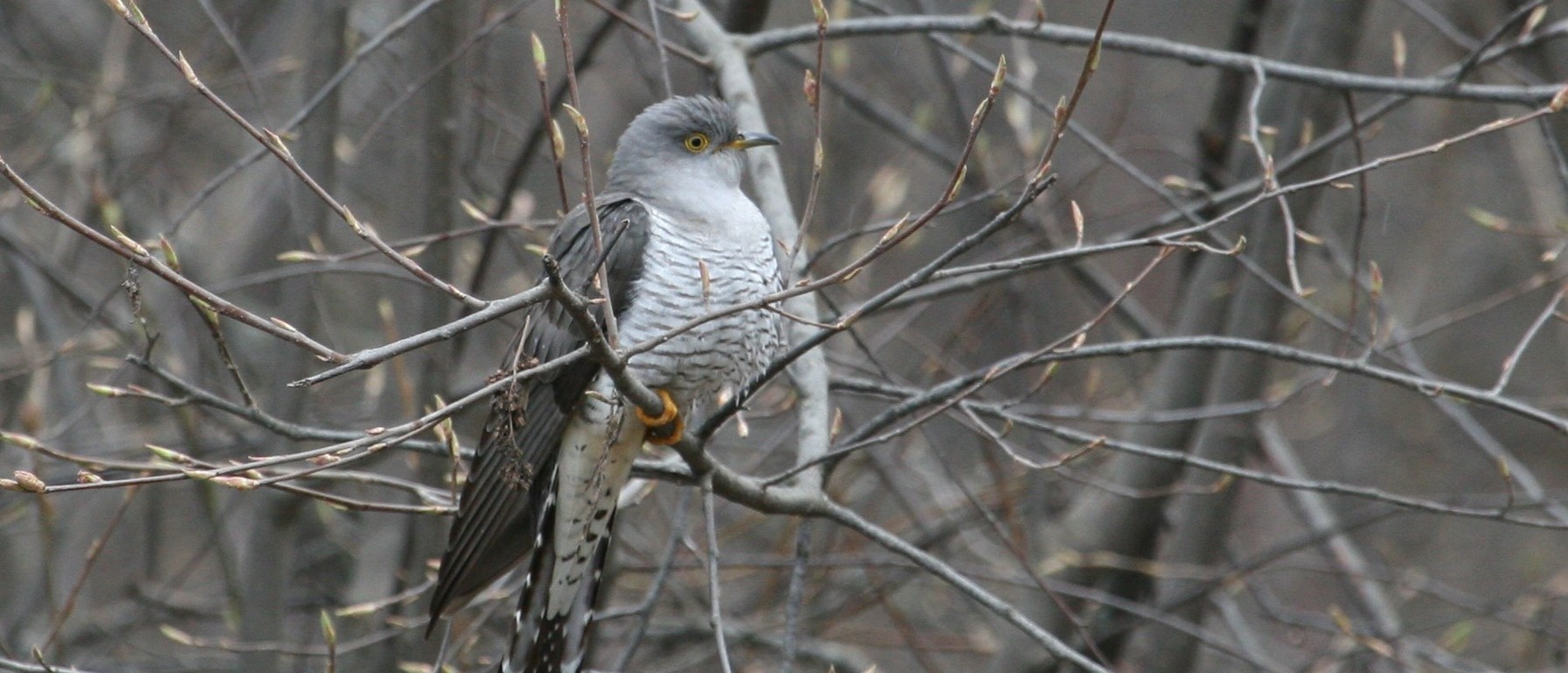
This blog post is provided by Oleg Bourski and tells the #StoryBehindThePaper for the article “Environmental phenology drives spring migration timing“, which was recently published in Journal of Animal Ecology. This study utilises long-term bird arrival data in central Siberia to demonstrate the effectiveness of utilising the environmental phenology index to predict arrival dates.
In the context of increasing global warming, it is important to understand how the biological community will respond. Birds, thanks to their mobility, are sensitive indicators of global change, which is why thousands of articles have been devoted to the impact of climate on birds. Recently, 19 experts summarized this research. They identified 10 challenging claims about climate impacts and asked each other whether they considered them proven. Their opinions converged only on the fact that the shift in the timing of spring migration is due to climate warming. The understanding of the mechanisms of influence received the lowest score, less than 5 out of 10.
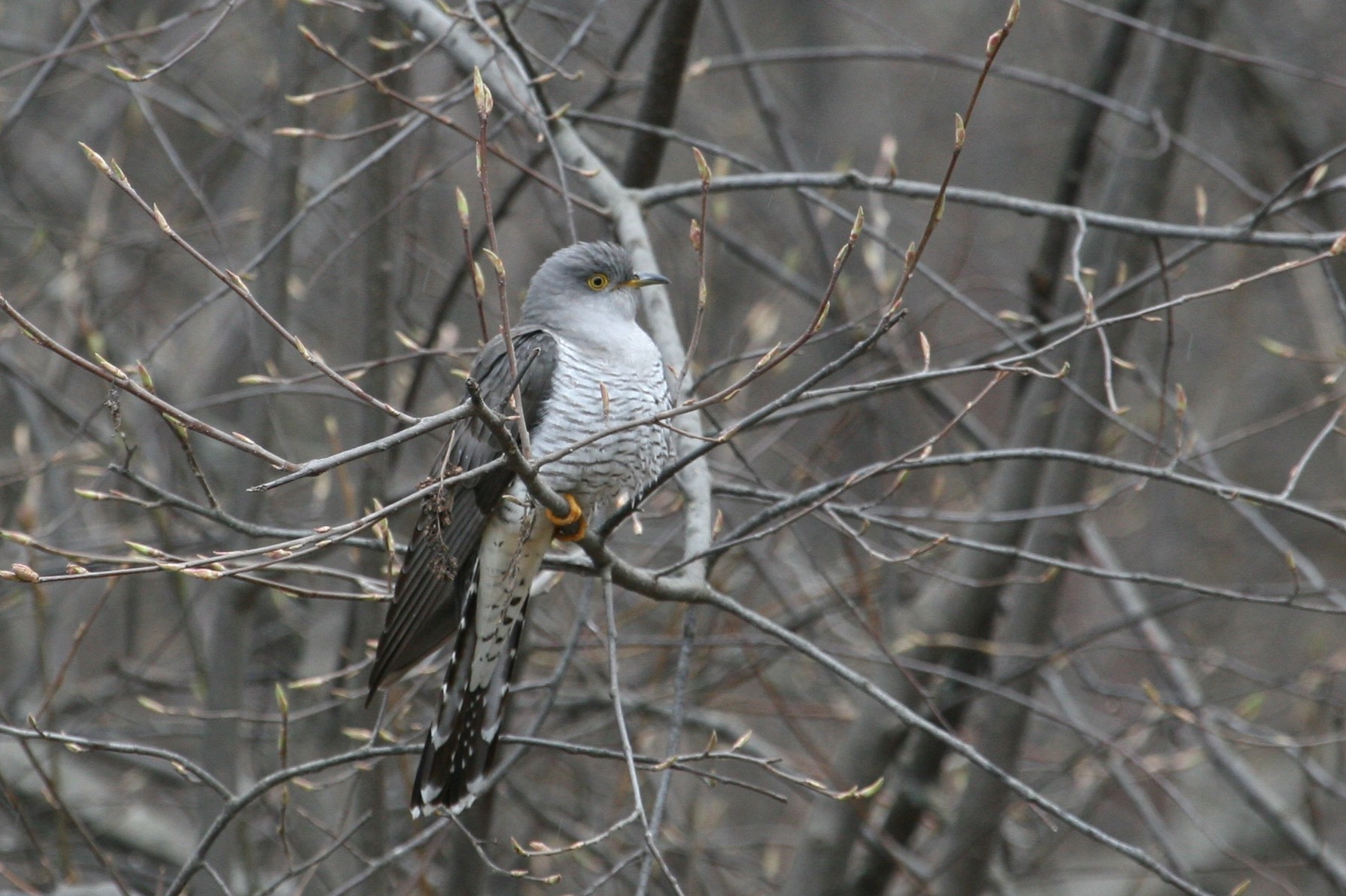
Understanding the mechanism means identifying which climate and weather components provide birds with the right cues. In what form are these cues made available? How do birds know what lies ahead? How do they distinguish temporary difficulties from serious risks? Surprisingly, climate change helps answer these questions by offering a global experiment: what if we alter the adaptive environment now? Is there a ready-made answer, or do we need to evolve? In what, to what extent, and how quickly? These are fundamental questions of evolutionary ecology, unsolvable in the laboratory.
At my station in Central Siberia, where I’ve long been conducting research on avian ecology, our team had a custom of automatically recording the first spring bird sightings, regardless of the primary objectives of the work. Now these data have come in handy: after all, such observations have rarely been conducted for half a century, especially in the absence of visible anthropogenic changes to the natural environment for hundreds of kilometers. The productivity of ecosystems here, in the middle of the taiga zone, reaches tropical levels in summer and supports a rich breeding avifauna, but because of the harsh winters, almost all species are migrants. They fly here from all over the Old World: from Britain and South Africa, Japan and Australia.
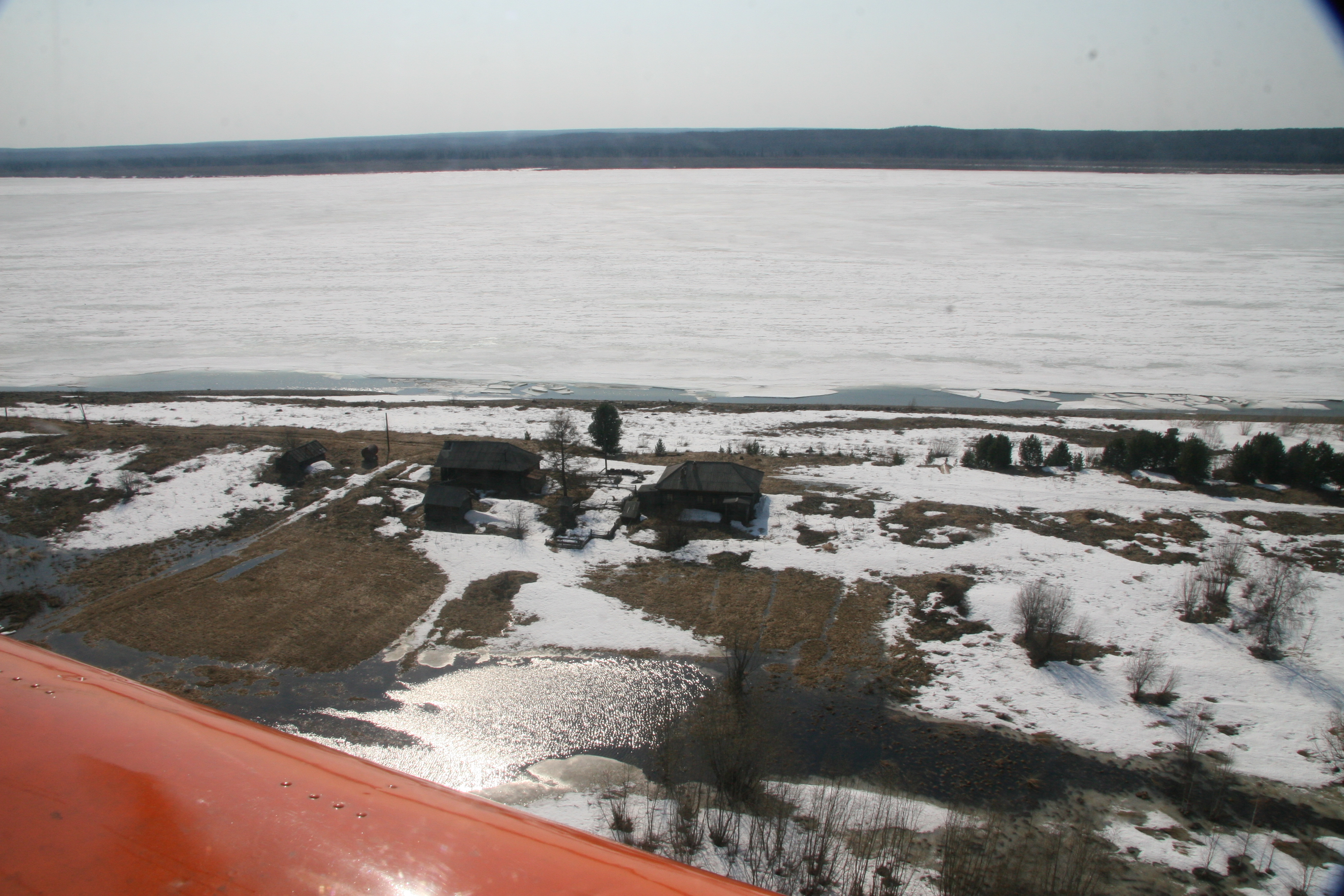
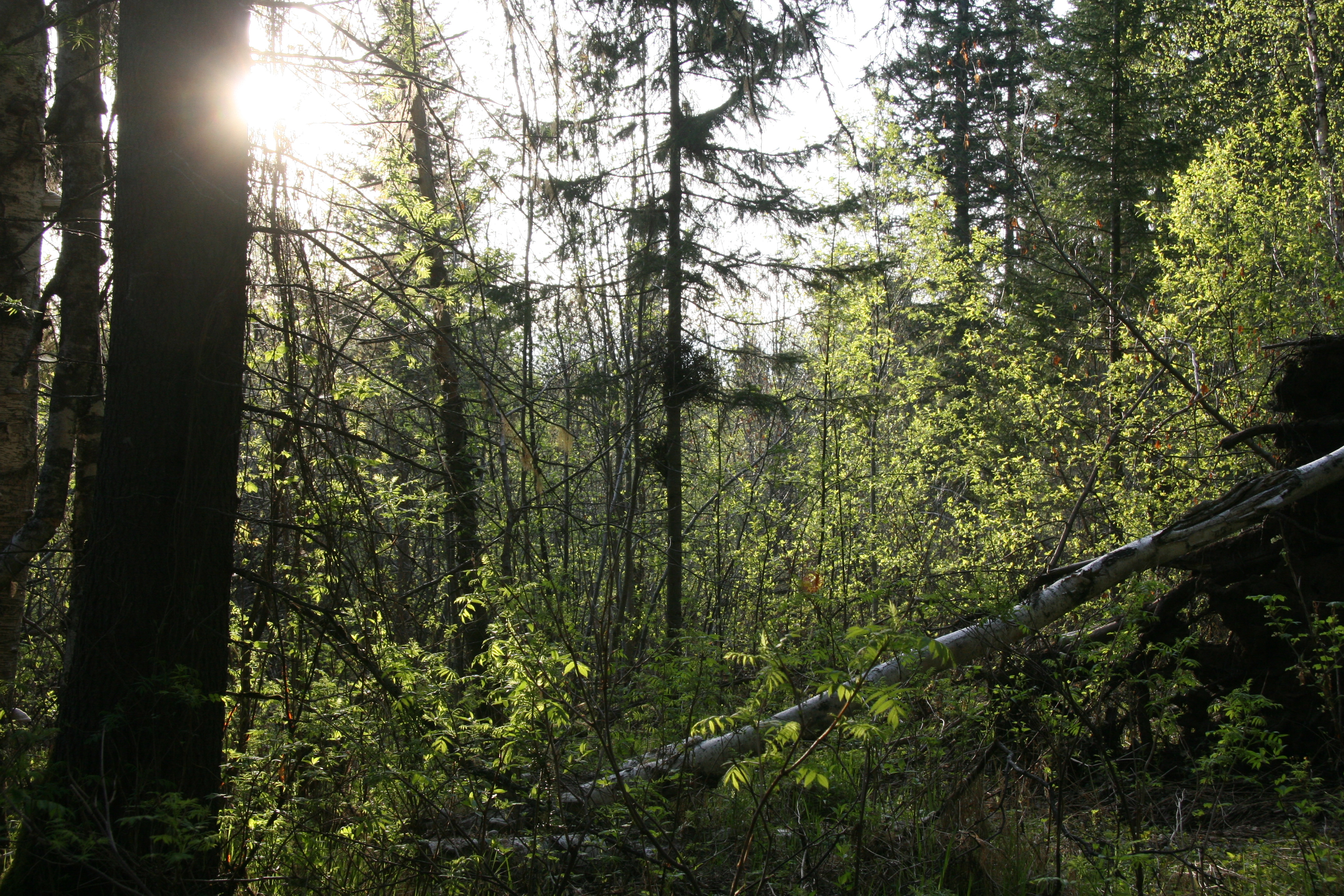
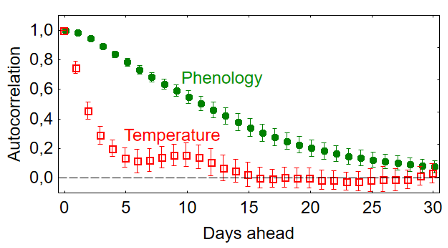
It is known that in a boreal climate, the development of any spring process—snowmelt, leaf budding, insect activity and their consumers—depends on temperature. Crossing a threshold provides the initial impetus, the accumulated temperature sum determines the rate of development, and then it proceeds independently, according to its own schedule. Thus, sequentially, one after another, all spring processes are initiated, including those that determine food availability for birds. The combination of parallel phenological processes forms the environmental phenology. It depends on the temperature of the previous period, although long-standing deviations are gradually “forgotten.” The same is true for the future: environmental phenology predicts development, but the accuracy of its results decreases over time.

To test these hypotheses, we compared thousands of annual deviations in arrival dates with deviations in environmental phenology. It turned out that these deviations explain migration timing better than other climate variables, specifically on the day of arrival.
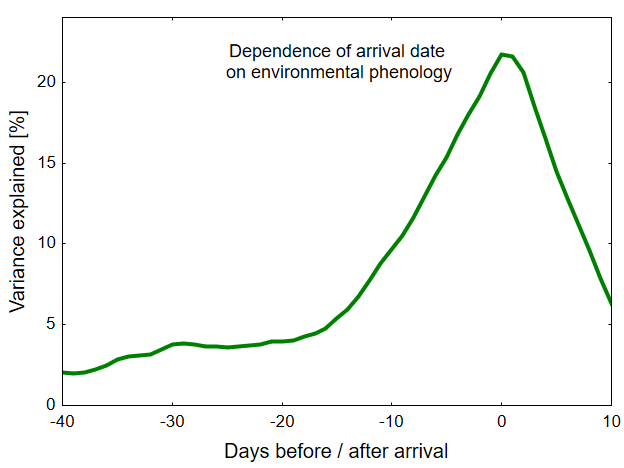
The proposed assessment of environmental phenology exhibits robust autocorrelation, allowing for prediction of food abundance two weeks in advance. It provides an adequate measure of environmental changes on a daily, annual, and multi-year scale. This measure enables an objective assessment of the extent to which shifts in migration timing compensate for climate change.
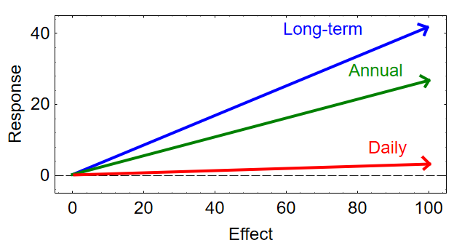
Paradoxically, compensation for climate change cannot and should not be complete. It merely adjusts the photoperiodic calendar. Day length has been and remains a reliable guide to seasonal changes. Caution prevents deviation from it: too complete compensation can lead to an early false start of migration or the omission of the breeding season.
We have shown that environmental phenology successfully explains migration timing. This approach can be applied to other subjects as well. Our findings differ in many ways from previous generalizations, but they are built on a solid foundation. Here, we examined the general characteristics of bird responses to climate fluctuations. However, each species is unique, which raises new questions. What hinders the perception of climate cues? Do birds benefit or suffer from climate warming? What life-history characteristics determine the flexibility of the annual cycle phases? Which species adapt more successfully to warming? Our approach allows us to compare species’ sensitivities to current changes, but that’s another story.
Read the paper:
 Animal Ecology in Focus