Alex Maisey (he/him) provides the story behind his paper, “Foraging activity by an ecosystem engineer, the superb lyrebird, ‘farms’ its invertebrate prey“, which was shortlisted for this year’s Elton Prize. We also hear a little about his journey into animal ecology.
About the paper
What is your shortlisted paper about, and what are you seeking to answer with your research?
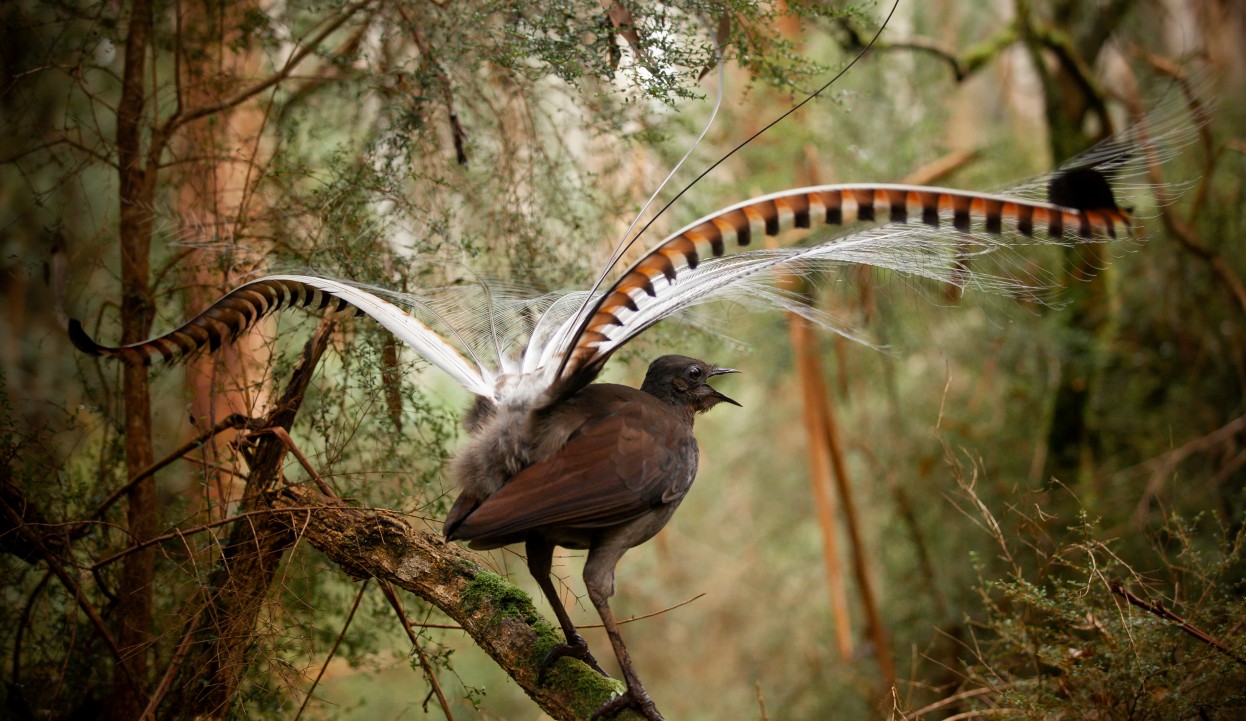
Our paper,“foraging activity by an ecosystem engineer, the superb lyrebird, ‘farms’ its invertebrate prey,” investigates the ecosystem engineering role of the Superb Lyrebird in south-eastern Australian eucalypt forests. Lyrebirds extensively disturb leaf litter while foraging, moving more material per unit area than any other known ecosystem engineer. This large-scale disturbance reshapes litter and topsoil structure. We conducted a two-year field experiment to separate the engineering effects of foraging from direct predation effects on invertebrates. One-third of plots excluded lyrebirds (control), one-third were open to natural foraging (engineering + predation), and one-third were hand-raked monthly to simulate engineering only. This design allowed us to isolate and test the distinct ecological impacts of lyrebird disturbance and predation.
Were you surprised by anything when working on it? Did you have any challenges to overcome?
One of the most exciting findings was that invertebrate biomass and richness were higher in the raked plots than in controls, showing that disturbance alone increased prey availability. Although lyrebirds also consume invertebrates, their predation was offset by this “farming” effect created through foraging disturbance – a remarkable feedback loop. It was striking to realise that, unintentionally, lyrebirds may be cultivating their own food resources, a process likely shaping forest litter systems for millennia. A key next step is understanding how the impacts of ecosystem engineers scale up to influence whole landscapes, and whether such processes can buffer ecosystems against climate change.
What are the broader impacts or implications of your research for policy or practice?
Understanding the functional role of species within ecosystems helps managers identify and protect organisms that have disproportionate influence on ecosystem processes. Our research shows that Superb Lyrebirds are not simply consumers, but powerful ecosystem engineers whose foraging reshapes litter structure, nutrient dynamics and invertebrate communities at scale. Recognising this role has implications for forest management, fire planning and conservation prioritisation, as protecting such species may help maintain key ecological processes. More broadly, the study highlights how large-scale disturbance can occur in ways that sustain, rather than deplete, resource bases over time. This offers an important reminder that ecosystem processes often operate through feedbacks that promote long-term resilience.
About the author:
How did you get involved in ecology?
As with most ecologists, my interest in wildlife and nature was always there – as a young child I poured over natural history books with illustrations of birds and mammals in remote jungles, watched Attenborough documentaries showing researchers tracking animals in the wild, and I loved being outdoors in my local forest, taking every opportunity to explore the ferny gullies and tall trees. This was the home of the lyrebird, and at age 11, I joined a citizen science group that studied the ecology of this fascinating species. Their incredible mimicry, elaborate tail feathers and fascinating life history had me hooked. It was an incredible privilege to be able to study these birds for my PhD.
What is your current position?
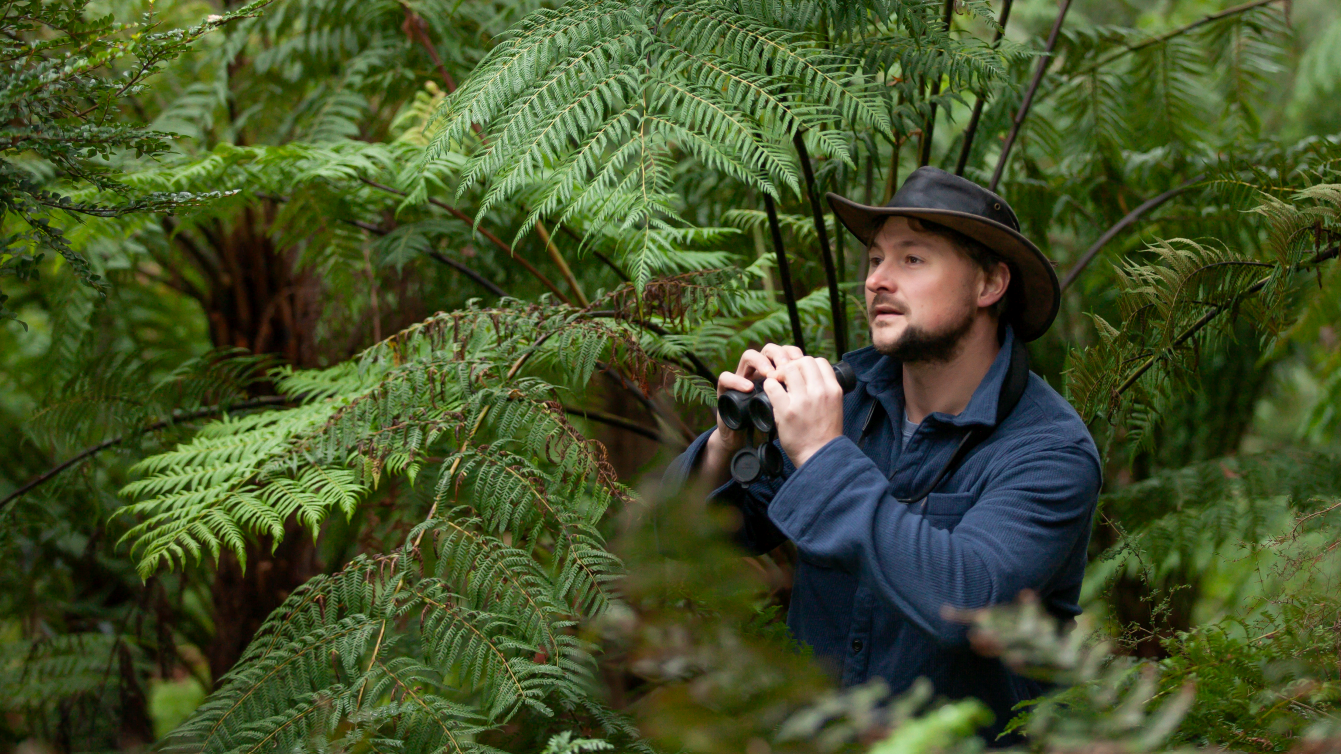
I am currently working across several biodiversity research projects in south-eastern Australia. In the Mallee region of South Australia, we are using expert elicitation and field studies to work with land managers to model habitat restoration scenarios for a threatened bird community (the term “mallee” refers to the distinctive multi-stemmed eucalypts that dominate this semi-arid landscape).
We are also investigating the biodiversity value of agricultural landscapes, developing approaches to recognise and measure nature-friendly farming practices. This work aims to provide robust evidence that can inform land management, conservation policy, and emerging nature markets.
Have you continued the research your paper is about?
The way in which ecosystem engineers impact habitat is a research theme that I am continuing to pursue in my career, while I remain open-minded to pursuing opportunities which might send me down varying research pathways. In the longer term I hope to further develop a research program to understand disturbance regimes in threatened habitat types. Such work would help land managers respond to threats imposed by climate change, historic land legacies and introduced species. These big challenges need new ideas and bold science to ensure the best outcomes for nature and indeed our society.
What one piece of advice would you give to someone in your field?
I often encourage students to try to find the joy in their research project where they can. Studying wildlife is always a challenge, and things will go wrong. Allow more time than you think you need to undertake planning, fieldwork, analysis and publication, and try to be at peace with some aspects not working out.
 Animal Ecology in Focus