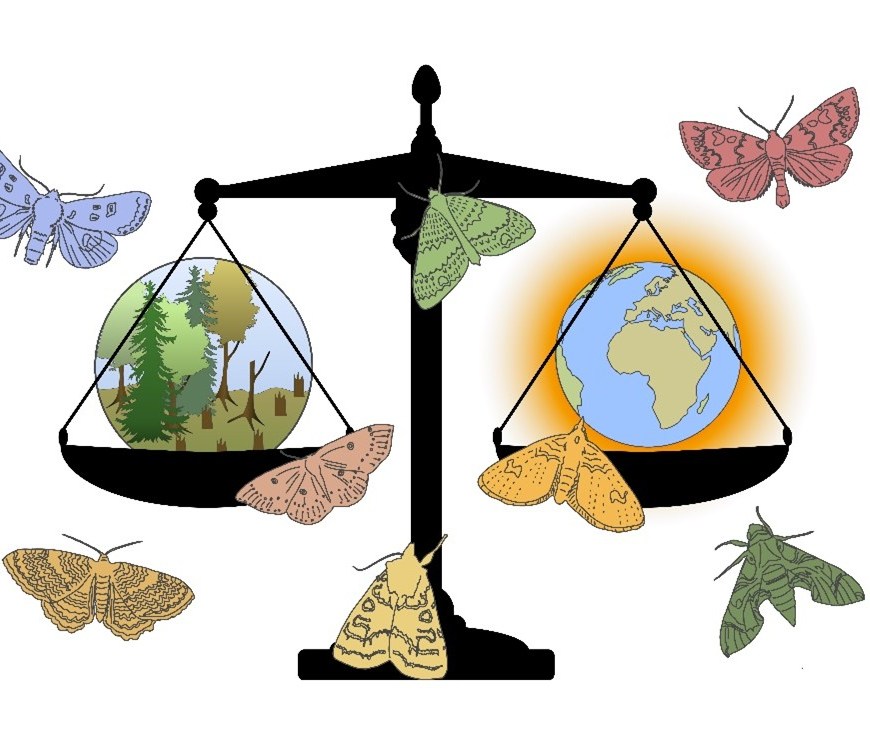
Climate change and habitat loss together alter species communities

This blog post is provided by Emy Guilbault and tells the #StoryBehindThePaper for the article “Strong context-dependence in the relative importance of climate and habitat on nation-wide macro-moth community changes”, which was recently published in the Journal of Animal Ecology. In their study, Guilbault and colleagues conducted a macroecological study of macro-moths in Finland, identifying the importance of considering both habitat and climate variables when … Continue reading Climate change and habitat loss together alter species communities

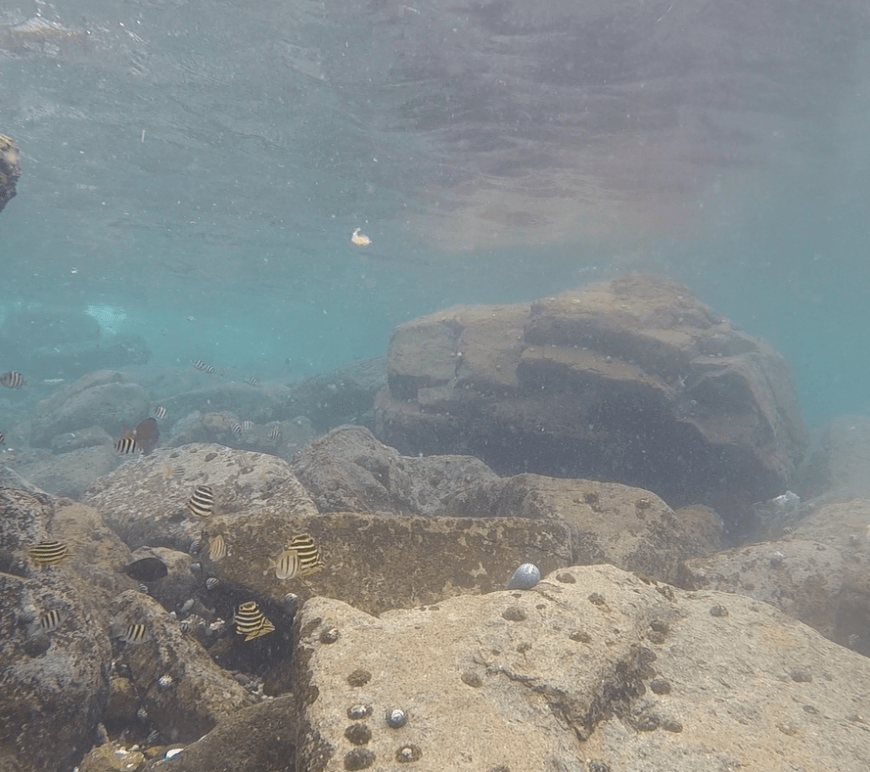
Tropical fishes can benefit more from novel than familiar species interactions at their cold-range edges

This blog post is provided by Angus Mitchell, Chloe Hayes, Erick Coni, David Booth, and Ivan Nagelkerken, and tells the #StoryBehindThePaper for the article “Tropical fishes can benefit more from novel than familiar species interactions at their cold-range edges”, which was recently published in the Journal of Animal Ecology. In their study, Mitchell and colleagues investigated the challenges faced by tropical fish shifting their ranges … Continue reading Tropical fishes can benefit more from novel than familiar species interactions at their cold-range edges

The Interaction of Bark Beetles, Deadwood and Woodpeckers Over Time

This blog post is provided by Marco Basile, Gilberto Pasinelli, and Eckehard Brockerhoff and tells the #StoryBehindThePaper for the article “Large-scale importance of bark beetle outbreaks for standing deadwood and woodpeckers”, which was recently published in the Journal of Animal Ecology. In their study, the authors revealed the nature of the interaction between bark beetles and woodpeckers, highlighting the beetles’ role as providers of deadwood … Continue reading The Interaction of Bark Beetles, Deadwood and Woodpeckers Over Time

Life in the Fast Lane: Developmental Responses of Tadpoles to Life in the City

This blog post is provided by Andrew Cronin and tells the #StoryBehindThePaper for the article “Urban developmental environments alter tadpole phenotypes depending on origin”, which was recently published in the Journal of Animal Ecology. In their study, Cronin and colleagues investigated the effects of urbanisation on a species with a complex life history, the túngara frog. Crouching next to a sickly-looking puddle adjacent to the … Continue reading Life in the Fast Lane: Developmental Responses of Tadpoles to Life in the City

Does Being Too Close Hurt Us? Lessons on Overpopulation from Bats

This blog post is provided by Krizler Tanalgo and tells the #StoryBehindThePaper for the article “The behavioural costs of overcrowding for gregarious cave-dwelling bats”, which was published last year in the Journal of Animal Ecology. In their study, Tanalgo and colleagues investigated the effects of overcrowding on bat diurnal activities, revealing that they may not be very good at sharing tight spaces. Bats are one … Continue reading Does Being Too Close Hurt Us? Lessons on Overpopulation from Bats

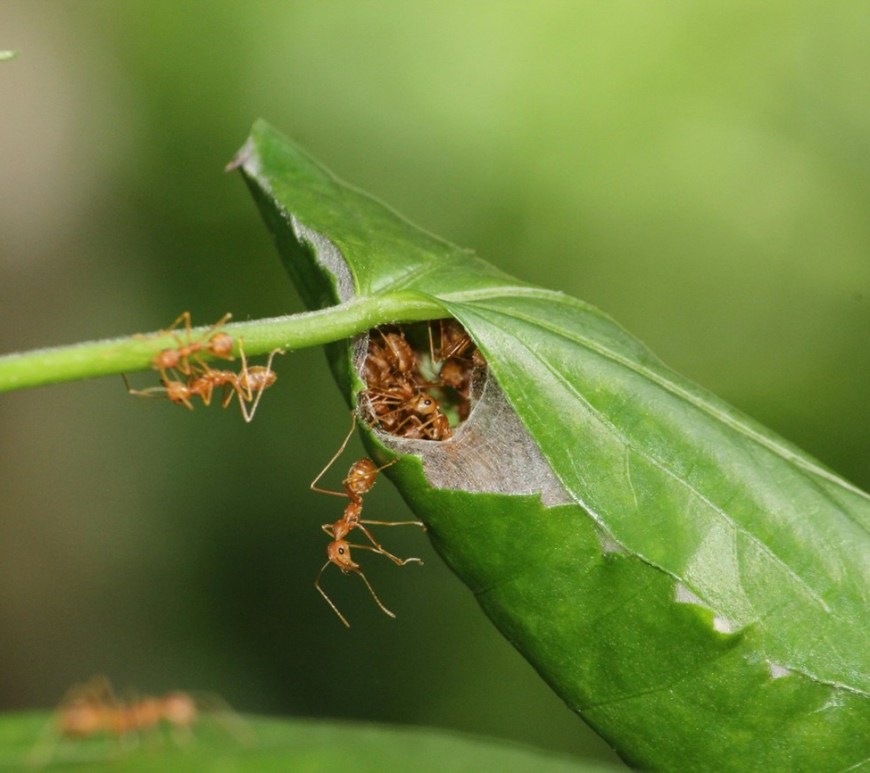
A rule for ant colony metabolism… Or many

This blog post is provided by Pedro Pequeno and Douglas Glazier and tells the #StoryBehindThePaper for the article “Divergent evolution of colony-level metabolic scaling in ants”, which was recently published in the Journal of Animal Ecology. In their study, Pequeno and Glazier investigate variation in the metabolisms of ant colonies, revealing similar metabolic principles to those observed at the individual level. Metabolism and body size: … Continue reading A rule for ant colony metabolism… Or many

Butterfly Daily Commutes: Coping with Habitat Disturbance in Tropical Forests

This blog post is provided by Shuang Xing and tells the #StoryBehindThePaper for the article “Butterflies respond to habitat disturbance in tropical forests through activity shifts“, which was recently published in the Journal of Animal Ecology. In their study, Xing and colleagues investigate butterfly behavioural responses to habitat disturbance across tropical Asia, highlighting both their resilience and sensitivity to microclimatic change. Intact tropical forests exhibit … Continue reading Butterfly Daily Commutes: Coping with Habitat Disturbance in Tropical Forests

The Long and Winding Road: 36 Years of Insight into the Population Dynamics of an Insect

This blog post is provided by Christer Solbreck and tells the #StoryBehindThePaper for the article “Long-term population dynamics of an insect in a simple food web under a changing environment”, which was recently published in the Journal of Animal Ecology. In this post, Solbreck reflects on his time spent studying the seed-feeding bug Lygaeus equestris, and how research questions can evolve over the course of … Continue reading The Long and Winding Road: 36 Years of Insight into the Population Dynamics of an Insect

MacaqueNet: Connecting The Dots Through Big-team Comparative Behavioural Research

This blog post is provided by Macaela Skelton and tells the #StoryBehindThePaper for the article “MacaqueNet: Advancing comparative behavioural research through large-scale collaboration“, which was recently published in the Journal of Animal Ecology. In their study, Skelton and colleagues highlight the creation of the first standardised database on macaque social behaviour, which is paving the way for large-scale comparative research.  Social behaviour varies widely across … Continue reading MacaqueNet: Connecting The Dots Through Big-team Comparative Behavioural Research

Sharing a Sunny Spot: How Microclimate Shapes Lizard Coexistence Along An Altitudinal Gradient

This blog post is provided by Urban Dajčman and tells the #StoryBehindThePaper for the paper “Microclimate variability impacts the coexistence of highland and lowland ectotherms“, which was recently published in the Journal of Animal Ecology. In their study, Dajčman and colleagues investigate how two Slovenian lizard species respond differently to environmental conditions in locations where they occur together or separately. When hiking in the forests and … Continue reading Sharing a Sunny Spot: How Microclimate Shapes Lizard Coexistence Along An Altitudinal Gradient