Do predators create healthier prey populations?

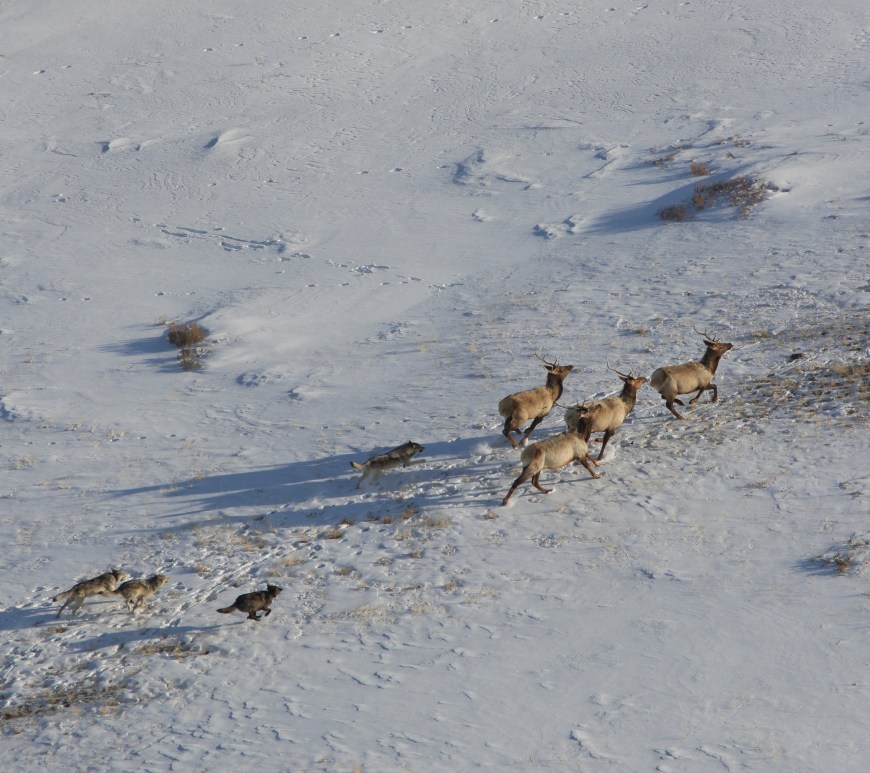
This blog post is provided by Ellen E. Brandell and tells the #StoryBehindThePaper for the paper “Examination of the interaction between age-specific predation and chronic disease in the Greater Yellowstone Ecosystem”, which was recently published in the Journal of Animal Ecology. The debate about if and how predators kill their prey to result in “healthier” prey populations has been ongoing for the past three decades, but … Continue reading Do predators create healthier prey populations?

Dung beetle-mammal dung interaction networks are resilient across a gradient of forest disturbance

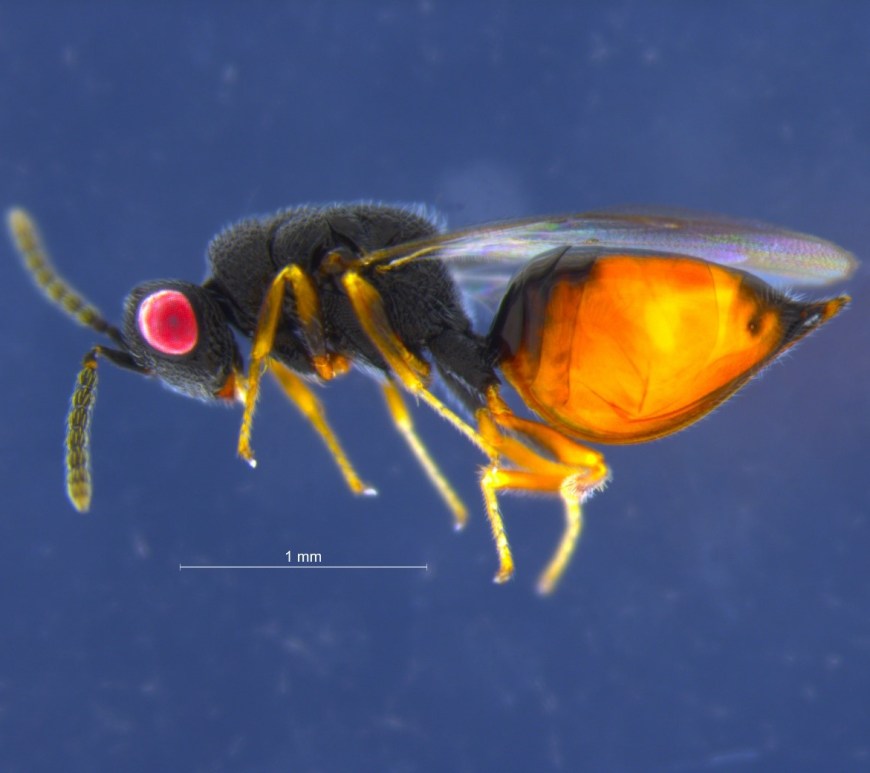
This blog post is provided by Li Yuen Chiew and Eleanor M. Slade and tells the #StoryBehindThePaper for the paper “Tropical forest dung beetle-mammal dung interaction networks remain similar across an environmental disturbance gradient”, which was recently published in the Journal of Animal Ecology. Li Yuen Chiew: I am a conservation ecologist, whose research focuses on biodiversity conservation and ecosystem ecology, with a particular interest … Continue reading Dung beetle-mammal dung interaction networks are resilient across a gradient of forest disturbance

Finding out when rare and common species change their interactions using multi-site interaction turnover

This blog post is provided by Marie V. Henriksen and tells the #StoryBehindThePaper for the paper “A multi-site method to capture turnover in rare to common interactions in bipartite species networks”, which was recently published in the Journal of Animal Ecology. In ecological networks, species are linked by their interactions to form complex interaction networks. How species interact in these networks reveals what role they … Continue reading Finding out when rare and common species change their interactions using multi-site interaction turnover

How do mesocarnivores interact in an urban environment? And how did the SARS-CoV-2 lockdown affect it?

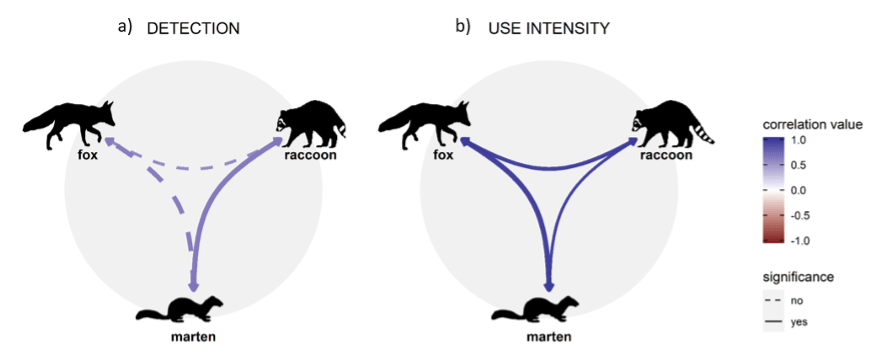
This blog post is provided by Julie Louvrier (Twitter: @LouvrierJulie) and tells the #StoryBehindThePaper for the paper “Spatiotemporal interactions of a novel mesocarnivore community in an urban environment before and during SARS-CoV-2 lockdown”, which was recently published in the Journal of Animal Ecology. Cities represent a novel environment for wildlife species: human activities and disturbance happen during the day; a high density of buildings and … Continue reading How do mesocarnivores interact in an urban environment? And how did the SARS-CoV-2 lockdown affect it?

EFFECTS OF CHANGING HABITATS ON BAT-VIRUS DYNAMICS

This blog post is provided by Tamika Lunn, Alison Peel, Hamish McCallum, Peggy Eby, Maureen Kessler, Raina Plowright and Olivier Restif, and tells the #StoryBehindThePaper for their article “Spatial dynamics of pathogen transmission in communally roosting species: impacts of changing habitats on bat-virus dynamics”, which was recently published in the Journal of Animal Ecology. A flying-fox hangs from a eucalypt branch, nodding in and out … Continue reading EFFECTS OF CHANGING HABITATS ON BAT-VIRUS DYNAMICS

Studying Abroad With A Bahamian Coastal Fish

This blog post tells the #StoryBehindThePaper from the perspective of one author, Matt Jenkins, for the article “Natural and anthropogenic sources of habitat variation influence exploration behaviour, stress response and brain morphology in a coastal fish” by Matt Jenkins, Jack Cummings, Alex Cabe, Kaj Hulthén, Nils Peterson, and Brian Langerhans, which was recently published in the Journal of Animal Ecology. As the human population continuously … Continue reading Studying Abroad With A Bahamian Coastal Fish

Alliance of ecologists and physiologists to study the effect of size and food quantity on muscle metabolism in the European sardine Sardina pilchardus

This blog post is provided by Elisa Thoral, Claire Saraux and Loïc Teulier and tells the #StoryBehindThePaper for the paper ‘Changes in foraging mode caused by a decline in prey size have major bioenergetic consequences for a small pelagic fish’, which was recently published in the Journal of Animal Ecology. Elisa Thoral (PhD student) and Loïc Teulier (her thesis co-director), are from the University of Lyon in France. … Continue reading Alliance of ecologists and physiologists to study the effect of size and food quantity on muscle metabolism in the European sardine Sardina pilchardus

Songbirds harbour different microbes depending on where they live

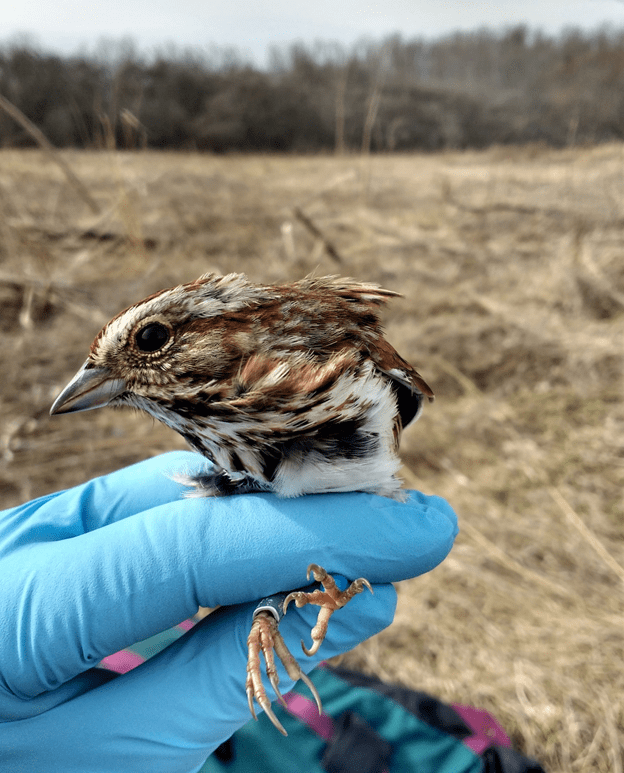
This blog post is provided by Leanne Grieves and tells the #StoryBehindThePaper for the paper ‘Preen gland microbiota of songbirds differ across populations but not sexes’, which was recently published in the Journal of Animal Ecology. Microbiome research is a hot topic. Exciting new studies have found links between the symbiotic microbes (bacteria, fungi, archaea and protists) that live naturally on animals’ bodies and animal health, fitness … Continue reading Songbirds harbour different microbes depending on where they live

KALAHARI APARTMENT BLOCKS

This blog post is provided by Anthony M. Lowney and Robert L. Thomson from the Fitzpatrick Institute of African Ornithology, University of Cape Town and tells the #StoryBehindThePaper for the paper ‘Ecological engineering across a temporal gradient: sociable weaver colonies create year-round animal biodiversity hotspots’, which was recently published in the Journal of Animal Ecology. Sociable weavers (Philetairus socius) are small passerine birds, no bigger than … Continue reading KALAHARI APARTMENT BLOCKS