Too many, too few, or empty: The number of passengers determines whether nematodes will hitchhike on a vehicle

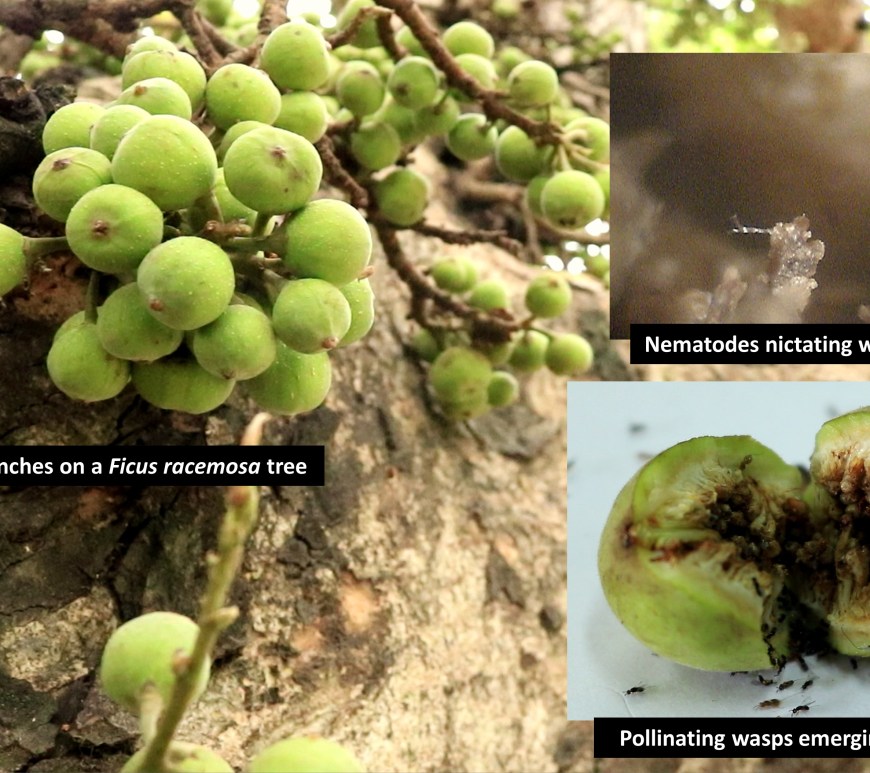
This blog post is provided by Satyajeet Gupta and Renee M Borges from the Centre for Ecological Sciences, Indian Institute of Science, Bangalore and tells the #StoryBehindThePaper for the article “Hopping on: Conspecific traveller density within a vehicle regulates parasitic hitchhiking between ephemeral microcosms“, which was recently published in the Journal of Animal Ecology. Tiny organisms that are unable to move far by themselves or assisted by water … Continue reading Too many, too few, or empty: The number of passengers determines whether nematodes will hitchhike on a vehicle
How animals fuel their reproduction: a new approach

This blog post is provided by John Whiteman and tells the #StoryBehindThePaper for the article “Quantifying capital vs. income breeding: new promise with stable isotope measurements of individual amino acids“, which was recently published in the Journal of Animal Ecology. It is an intensive process to grow and support offspring – just ask anyone who has raised children. For wild animals, supporting rapidly-developing, new organisms creates many challenges, whether … Continue reading How animals fuel their reproduction: a new approach

Night fever at the Pantanal wetlands: night activity of anuran assemblages

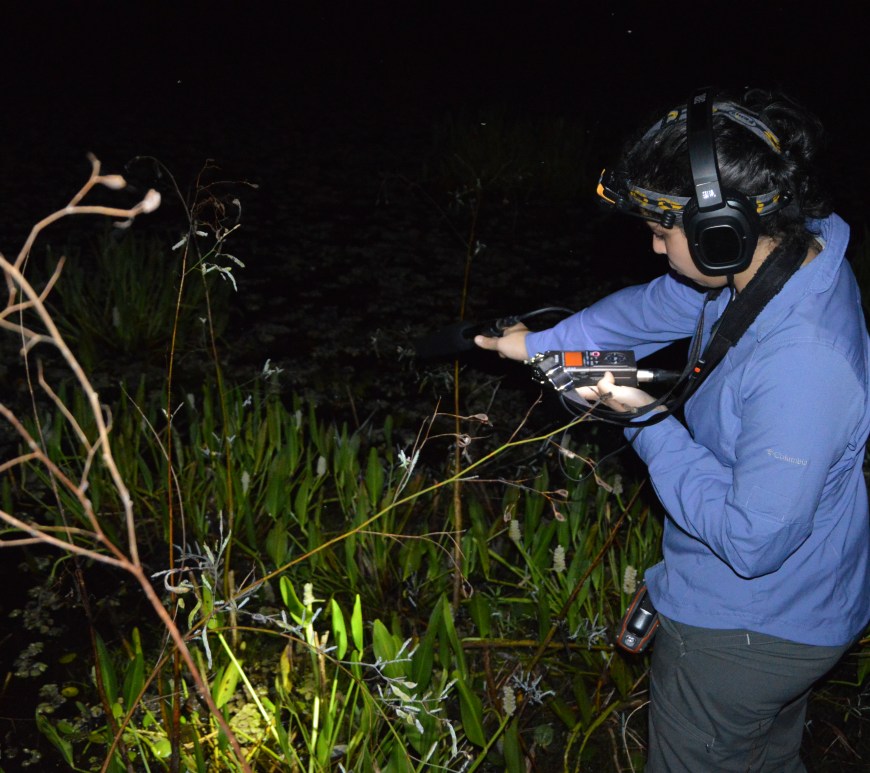
“The nighttime environment provides the ecological theater for the nocturnal play” (Gaston 2019, American Naturalist) This blog post is provided by Dr Larissa Sugai and tells the #StoryBehindThePaper for the article “Drivers of assemblage-wide calling activity in tropical anurans and the role of temporal resolution”, which was recently published in Journal of Animal Ecology. As ecologists, our theoretical background has profound historical roots. Sometimes, we’re not … Continue reading Night fever at the Pantanal wetlands: night activity of anuran assemblages

Visual contagion in prey defence signals can enhance honest defence

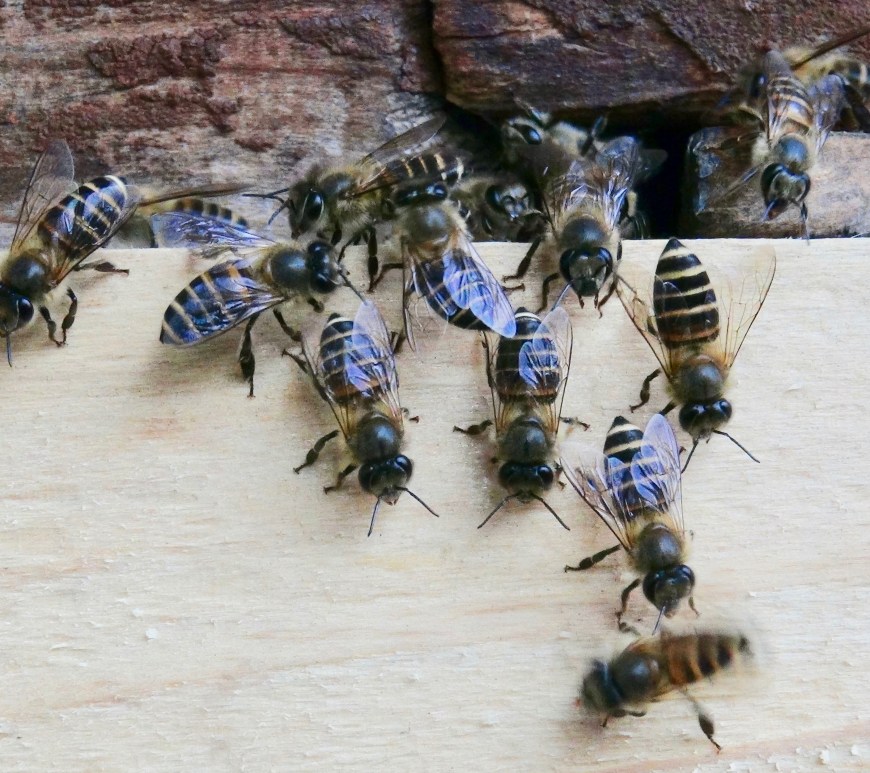
This blog post is provided by Shihao Dong, Ken Tan, and James C. Nieh and tells the #StoryBehindThePaper for their article “Visual contagion in prey defence signals can enhance honest defence“, which was recently published in the Journal of Animal Ecology. It’s a scene out of a horror film. In a sunny, peaceful glade, bees buzz out of their colony and return laden with nectar and pollen. A shadow … Continue reading Visual contagion in prey defence signals can enhance honest defence

Stressful environments put bumblebees at risk

This blog post is provided by Cristina Botías and Dave Goulson and tells the #StoryBehindThePaper for the article “Multiple stressors interact to impair the performance of bumblebee (Bombus terrestris) colonies”. Cristina Botías is a Research Fellow at the Apicultural and Agri-environmental Research Center (CIAPA-IRIAF, Spain), working on a range of applied research related to bee health. Dave Goulson is a Professor of Biology at the University … Continue reading Stressful environments put bumblebees at risk

Personality and pace-of-life in free-ranging lemon sharks: a field recipe

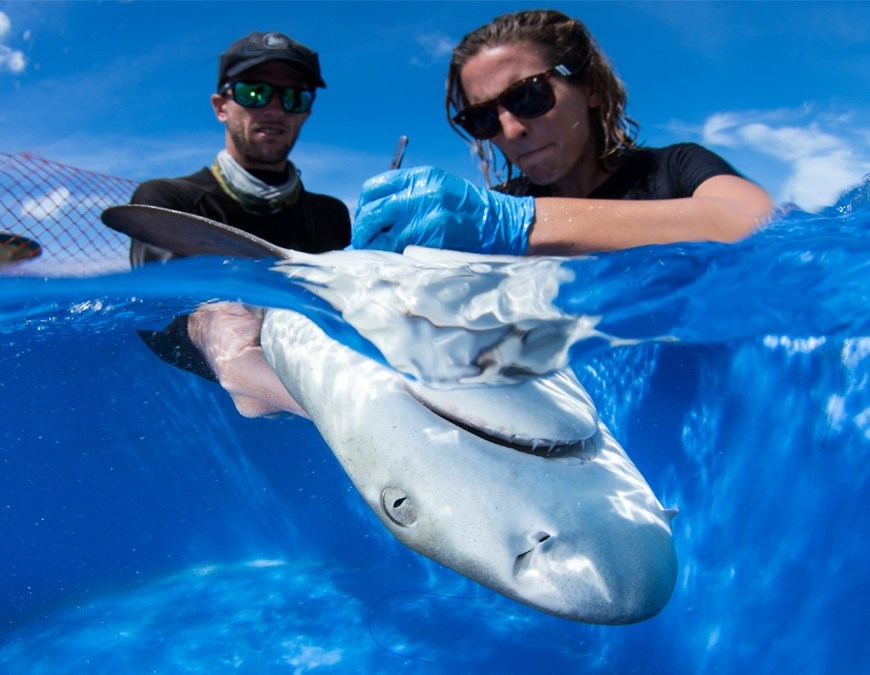
This blog post is provided by Félicie Dhellemmes and tells the #StoryBehindThePaper for the article “Personality‐driven life history trade‐offs differ in two subpopulations of free‐ranging predators”. Ingredients: Two (or more) wild populations of juvenile lemon sharks which are known to differ in their predator abundance 15 to 23 people who are ready to fish for twelve exceptionally long nights (every year, since 1993 (or start A.S.A.P.)), to … Continue reading Personality and pace-of-life in free-ranging lemon sharks: a field recipe

A Migratory Bird’s Journey from the Andes of Colombia to North America: leave early and take it easy or leave late and migrate fast?

This blog post is provided by Ana M. González and tells the #StoryBehindThePaper for the article “Earlier and slower or later and faster: Spring migration pace linked to departure time in a Neotropical migrant songbird”. Several species of migratory birds, many populations of which are in steep decline, spend the winter exclusively in montane forest in the Andes of northern South America between 1000-2500 m … Continue reading A Migratory Bird’s Journey from the Andes of Colombia to North America: leave early and take it easy or leave late and migrate fast?