The effects of warming on loggerhead turtle nesting counts

This blog post is provided by Diana Sousa-Guedes and tells the #StoryBehindThePaper for the article “The effects of warming on loggerhead turtle nesting counts”, which was recently published in the Journal of Animal Ecology. In their study, the authors find that while warming sands are leading to increased female and nesting numbers in some locations, sands may be getting too warm, reducing egg viability. Warmer … Continue reading The effects of warming on loggerhead turtle nesting counts

Sticky post

Only the inefficient die young: how selection drives changes in migration efficiency with age

This blog post is provided by Joe Wynn, and tells the #StoryBehindThePaper for the article “Selective disappearance based on navigational efficiency in a long-lived seabird“, which was recently published in the Journal of Animal Ecology. Together with colleague, Joe studies improvements in migratory performance with age in common terns and find that improvements are due to selective disappearance of less efficient navigators rather than learning, … Continue reading Only the inefficient die young: how selection drives changes in migration efficiency with age

Sticky post

Honey Bees and the Science of Fear: How Predatory Hornets Impact Bee Behavior and Cognition

This blog post is provided by Gu G, Wang Z, Lin T, Wang S, Li J, Dong S, Nieh JC, Tan K., and tells the #StoryBehindThePaper for the article “Bee fear responses are mediated by dopamine and influence cognition“, which was recently published in the Journal of Animal Ecology. In their study, the authors explore how western honey bees react to the presence of predators … Continue reading Honey Bees and the Science of Fear: How Predatory Hornets Impact Bee Behavior and Cognition

Sticky post

Plant Metabolites and Sawfly Social Lives: Uncovering Nature’s Secret Networks

This blog post is provided by Pragya Singh and tells the #StoryBehindThePaper for the paper “Plant metabolites modulate social networks and lifespan in a sawfly” which was recently published in the Journal of Animal Ecology. Together with colleagues, Pragya explores how turnip sawflies acquire plant chemicals from non-food plants that not only boost their defenses but also, depending on group compositions concerning chemical access, reshape … Continue reading Plant Metabolites and Sawfly Social Lives: Uncovering Nature’s Secret Networks

Homesick insects

This blog post is provided by Charlotte Taelman and Garben Logghe and tells the #StoryBehindThePaper for the paper “Unravelling arthropod movement in natural landscapes: small-scale effects of body size and weather conditions”, which was recently published in the Journal of Animal Ecology. Together with colleagues, they track and study the ability of over 200 insect species to find their way home. Home is a place … Continue reading Homesick insects

Seed dispersers see the rainforest in 3D

This blog post is provided by Nicholas Russo and tells the #StoryBehindThePaper for the paper “Three-dimensional vegetation structure drives patterns of seed dispersal by African hornbills” which was recently published in the Journal of Animal Ecology. Together with colleagues, Nicholas shows how vegetation structure and weather affect the behaviour and habitat preference of two hornbill species and how this, in turn, may influence seed dispersal. … Continue reading Seed dispersers see the rainforest in 3D

Sticky post

The Road to Recovery

This blog post is provided by John Donohue, Petri Piiroinen and Adam Kane and tells the #StoryBehindThePaper for the paper “Predicted short-term mesoscavenger release gives way to apex-scavenger dominance” which was recently published in the Journal of Animal Ecology. In their study, they explore whether and how vultures would recover from near extirpation. Most, if not all, modern-day ecosystems bear the hallmarks of human disturbance … Continue reading The Road to Recovery

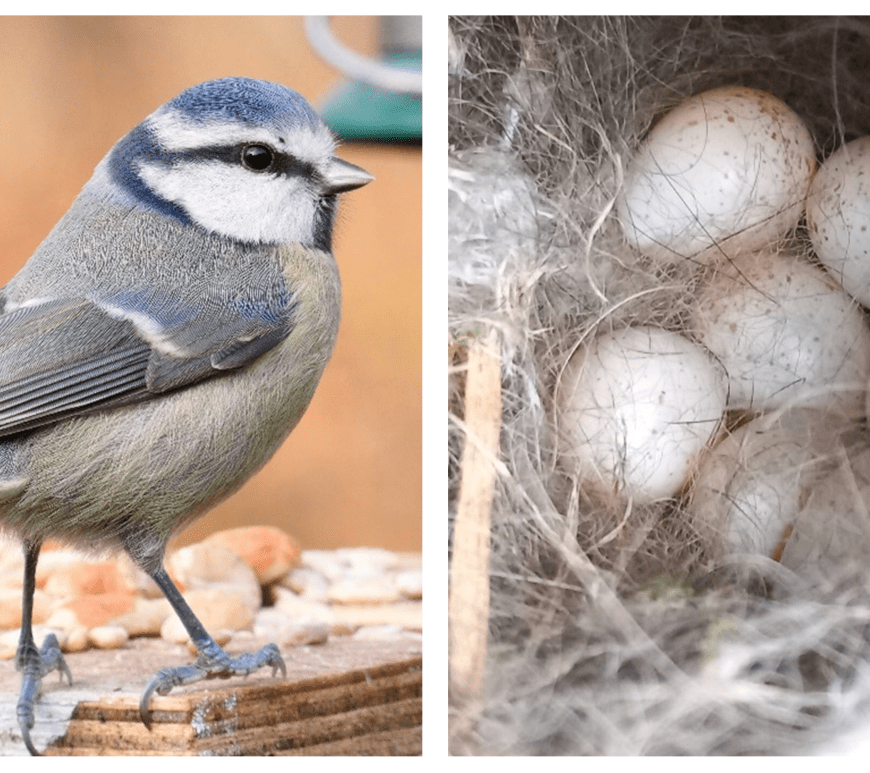
Environmental constraints can explain clutch size differences between urban and forest blue tits: Insights from an egg removal experiment

This blog post is provided by Mark Pitt and tells the #StoryBehindThePaper for the paper “Environmental constraints can explain clutch size differences between urban and forest blue tits: Insights from an egg removal experiment” which was recently published in the Journal of Animal Ecology. The authors find that urban blue tits lay fewer eggs than their non-urban counterparts, possibly as a response to limited resources. … Continue reading Environmental constraints can explain clutch size differences between urban and forest blue tits: Insights from an egg removal experiment

Disrupting the Pace of Life: The Hidden Impact of Antidepressant Pollution on Guppies

This blog post is provided by Dr Upama Aich and tells the #StoryBehindThePaper for the paper “Long-term effects of widespread pharmaceutical pollution on trade-offs between behavioural, life-history, and reproductive traits in fish“. The study, led by Dr Upama Aich from the Monash University School of Biological Sciences and Assistant Professor Giovanni Polverino from the University of Tuscia, was recently published in the Journal of Animal Ecology. Upama, … Continue reading Disrupting the Pace of Life: The Hidden Impact of Antidepressant Pollution on Guppies

Lengthy legacies affect growth in Walleye

This blog post is provided by Zoe Almeida and tells the #StoryBehindThePaper for the paper “Lingering legacies: Past growth and parental experience influence somatic growth in a fish population” which was recently published in the Journal of Animal Ecology. In their study, Zoe and colleagues find that growth in Walleye fish is more affected by growth in the previous year and parental experience than by … Continue reading Lengthy legacies affect growth in Walleye