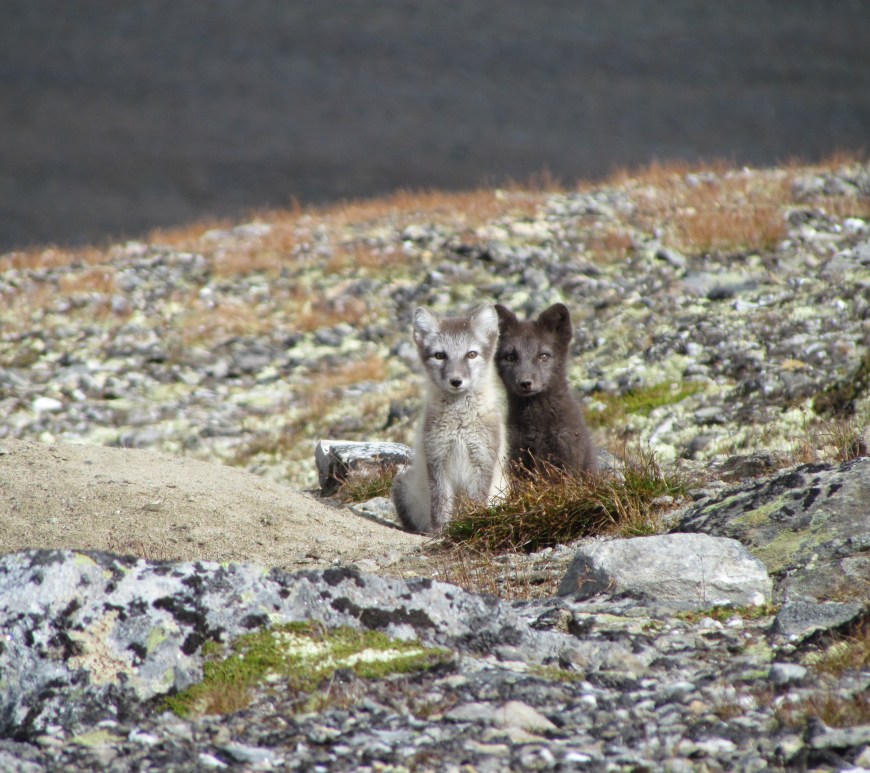
Devil in a blue dress: colour morph affects fitness in Arctic foxes

This blog post is provided by Cecilia Di Bernardi and tells the #StoryBehindThePaper for the article “Fitness and fur colouration – testing the camouflage and thermoregulation hypotheses in an Arctic mammal“, which was recently published in Journal of Animal Ecology. Living in extreme environments leads to a wide range of adaptations in Arctic and alpine animals, which have drawn scientists’ attention and fascination for a … Continue reading Devil in a blue dress: colour morph affects fitness in Arctic foxes

A “How-to” Guide for Interpreting Parameters in Habitat-Selection Analyses

This blog post is provided by John Fieberg, Johannes Signer, Brian Smith and Tal Avgar and tells the “StoryBehindthePaper for the article “A ‘How-to’ Guide for Interpreting Parameters in Habitat-Selection Analyses”, which was recently published in Journal of Animal Ecology. John Fieberg (University of Minnesota), Johannes Signer (University of Goettingen), and Tal Avgar (Utah State University) teach quantitative courses at their institutions and have also … Continue reading A “How-to” Guide for Interpreting Parameters in Habitat-Selection Analyses

Sexual Selection and Personality in Red Junglefowl

This blog post is provided by Allison M. Roth and tells the #StoryBehindThePaper for the article “Sexual selection and personality: Individual and group‐level effects on mating behavior in red junglefowl“, which was recently published in Journal of Animal Ecology. Over the past two decades, behavioral ecologists have become increasingly interested in consistent between-individual differences in behavior, otherwise known as “animal personality”. It is, however, unclear why such between-individual … Continue reading Sexual Selection and Personality in Red Junglefowl

Disentangling temporal food web structure

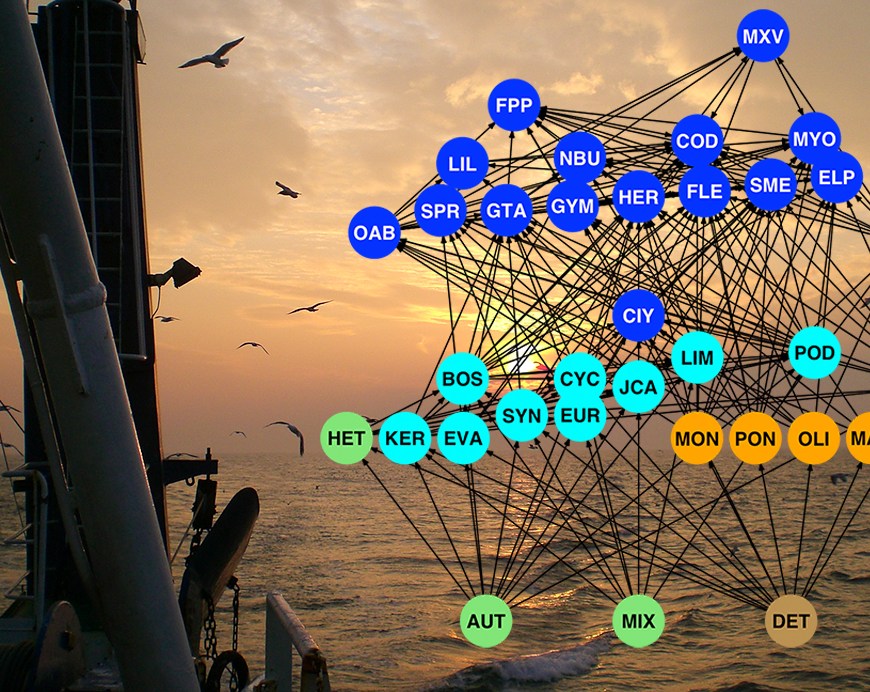
This blog post is provided by Susanne Kortsch, Romain Frelat, Ivars Putnis, and Marie Nordström and tells the #StoryBehindThePaper for their article ‘Disentangling temporal food web dynamics facilitates understanding of ecosystem functioning’, which was recently published in the Journal of Animal Ecology. Communities are organized into consumer networks, or food webs, describing who eats whom. Food webs provide the “energetic” backbones of ecosystems and are essential … Continue reading Disentangling temporal food web structure

Eggs and cooperation: a long-term study

This blog post is provided by Rita Fortuna and tells the #StoryBehindThePaper for the article “Maternal allocation in relation to weather, predation and social factors in a colonial cooperative bird“, which was recently published in Journal of Animal Ecology. For almost a decade, we weighed over 9,000 sociable weaver eggs (Philetairus socius). Behind this paper, as with every long-term study, is an incredible amount of … Continue reading Eggs and cooperation: a long-term study

Time to use some mussel: Exploring drivers of parasite community structure

This blog post is provided by Joshua Brian and tells the #StoryBehindThePaper for the article “Abundance data applied to a novel model invertebrate host sheds new light on parasite community assembly in nature“, which was recently published in Journal of Animal Ecology. As much as we might try to avoid thinking about this, parasites are everywhere! However, the last couple of decades have seen a major shift in the … Continue reading Time to use some mussel: Exploring drivers of parasite community structure

Citizen Science Podcast: Mark Ditmer

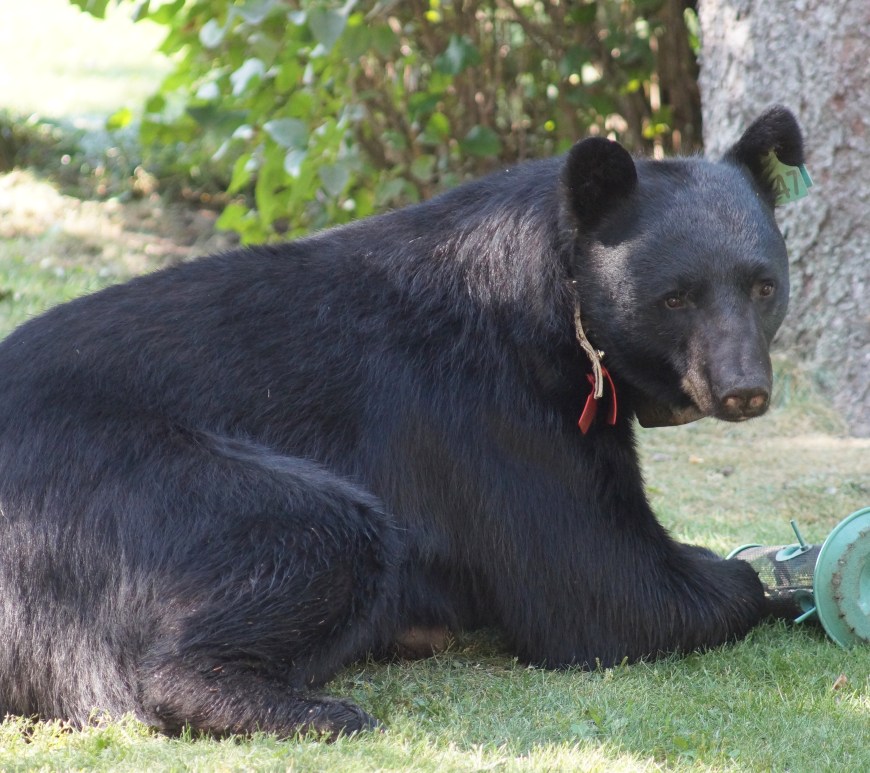
The fifth and final episode in our Citizen Science Special Issue podcast is live. Mark Ditmer tells us about their paper Artificial night light helps account for observer bias in citizen science monitoring of an expanding large mammal population, which was part of the Citizen Science Special Feature. Featured image: An American black bear collared for research by the Minnesota Department of Natural Resources rests after snacking … Continue reading Citizen Science Podcast: Mark Ditmer

Skiing after Darwin wasps

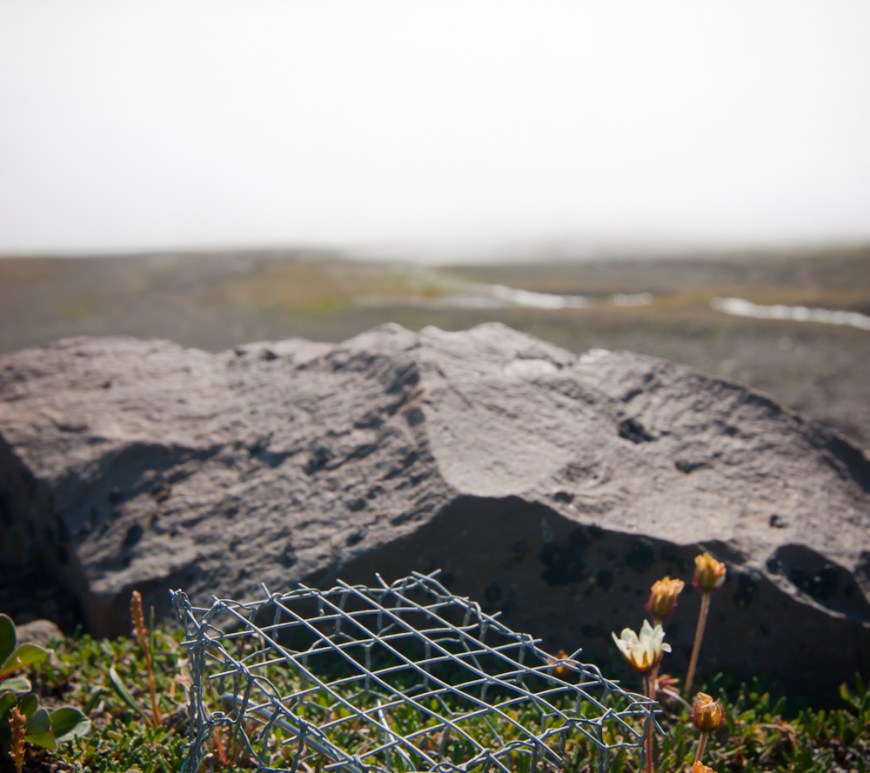
This blog post is provided by Tuomas Kankaanpää and tells the #StoryBehindThePaper for the article “Microclimate structures communities, predation and herbivory in the High Arctic“, which was recently published in Journal of Animal Ecology. While we can predict the physical nature of climate change with high accuracy, our understanding of how it will affect complex biological systems is still unarguably poor. In my PhD thesis, I, Tuomas Kankaanpää, set … Continue reading Skiing after Darwin wasps

Citizen Science Podcast: Heather Williams

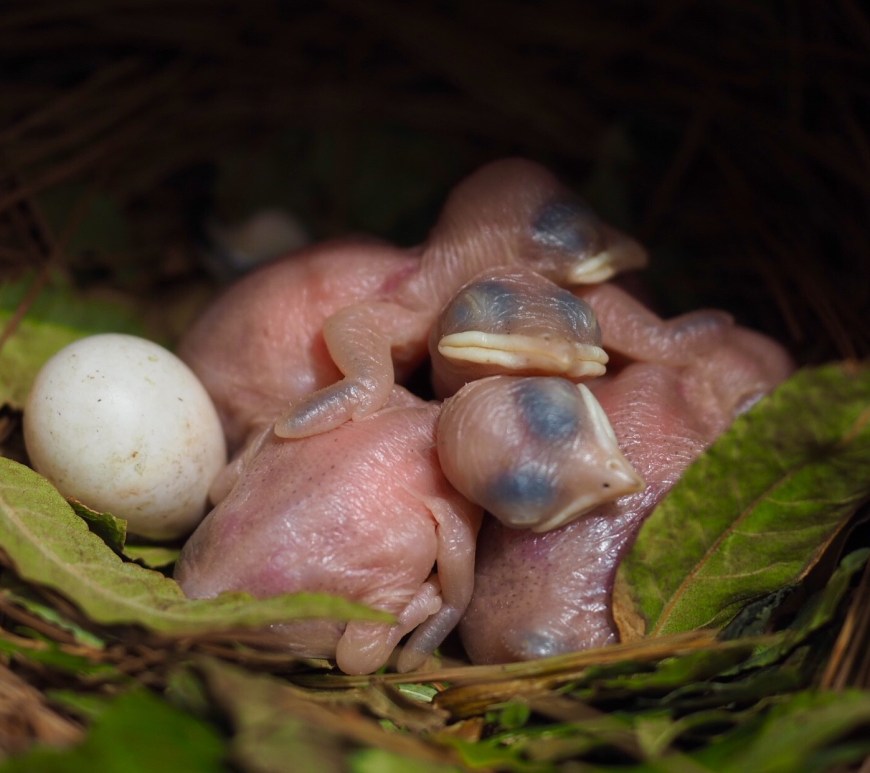
The fourth episode in our Citizen Science Special Issue podcast is live. Heather Williams tells us about their paper Support for a relationship between demography and modeled habitat suitability is scale dependent for the purple martin Progne subis, which was part of the Citizen Science Special Feature. Featured image: Purple martin nestlings (about 2 days old). © Adam Wilson. COMING UP: 25/02/2021 – Journal of Animal Ecology: Citizen Science … Continue reading Citizen Science Podcast: Heather Williams

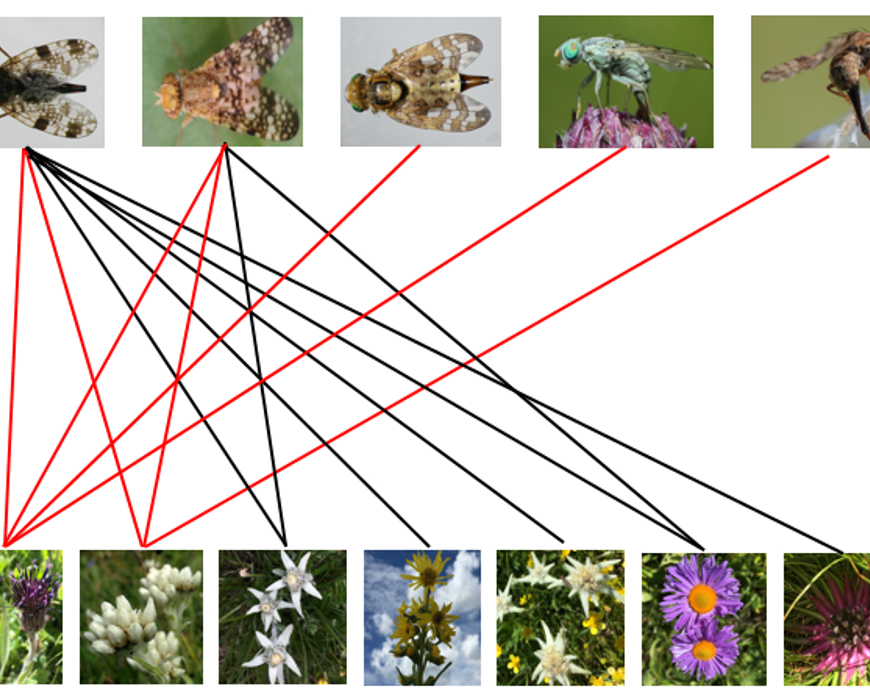
Plant volatile defenses rather than non-volatile defenses mediate evolutionary interactions between plants and tephritid flies

This blog post is provided by Hua Wang and tells the #StoryBehindThePaper for the article “Plant volatiles mediate evolutionary interactions between plants and tephritid flies and are evolutionarily more labile than non-volatile defenses”, which was recently published in Journal of Animal Ecology. Why do I study the relationship between plants and flies? Even before starting my PhD research, I have known of and been fascinated by … Continue reading Plant volatile defenses rather than non-volatile defenses mediate evolutionary interactions between plants and tephritid flies