Happy coexistence when all have equal energy

This blog post is provided by Leonna Szangolies and tells the #StoryBehindThePaper for the paper “Individual energetics scale up to community coexistence: Movement, metabolism and biodiversity dynamics in fragmented landscapes” which was recently published in the Journal of Animal Ecology. Together with colleagues, Leonna models how habitat fragmentation affects coexistence among species of different body sizes. The coexistence riddle Why do species coexist? In particular, … Continue reading Happy coexistence when all have equal energy

Climate change alters bull shark migrations

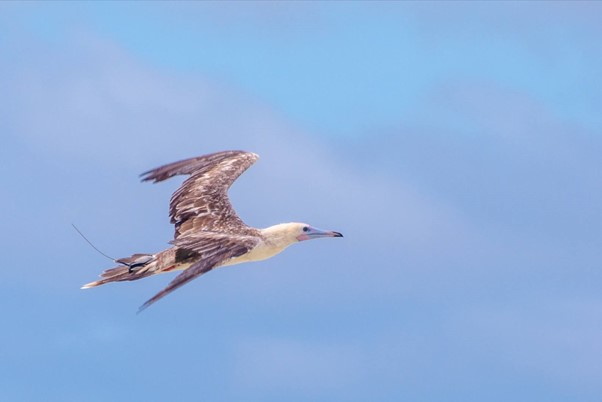
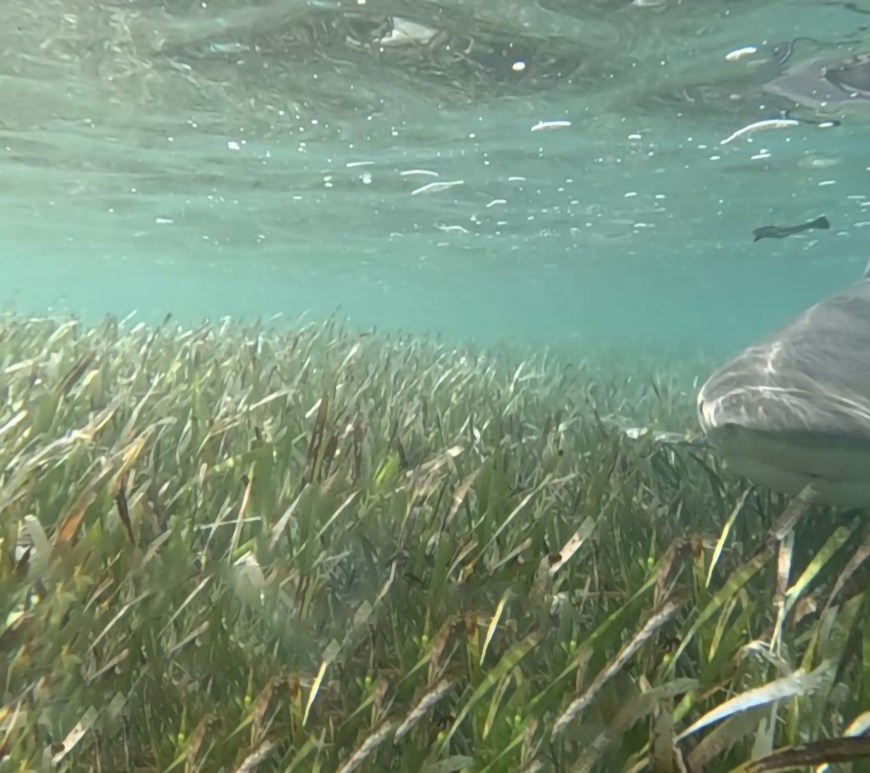
This blog post is provided by Philip Matich and tells the #StoryBehindThePaper for the paper “Long-term effects of climate change on juvenile bull shark migratory patterns” which was recently published in the Journal of Animal Ecology. The authors explore the effects of warming water temperatures on juvenile bull shark migrations. Wildebeest, humpback whales, copepods… these are among the thousands of animals that migrate because of … Continue reading Climate change alters bull shark migrations

How are North American butterflies shifting their ranges in response to climate change?

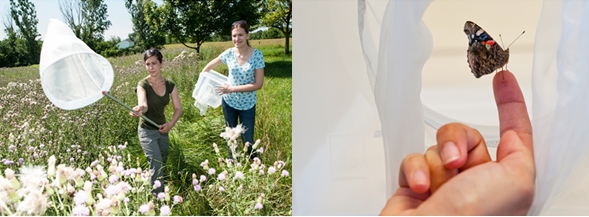
This blog post is provided by Carmen da Silva and Sarah Diamond and tells the #StoryBehindThePaper for the paper “Local climate change velocities and evolutionary history explains range shifts in a North American butterfly assemblage” which was recently published in the Journal of Animal Ecology. da Silva and Diamond use a large database of citizen science collected butterfly occurrence records over an 18-year time period … Continue reading How are North American butterflies shifting their ranges in response to climate change?

Out of shape: ocean acidification simplifies coral reef architecture and reshuffles fish assemblages

This blog post is provided by Jamie Priest, Camilo M. Ferreira, Philip L. Munday, Amelia Roberts, Riccardo Rodolfo-Metalpa, Jodie L. Rummer, Celia Schunter, Timothy Ravasi, and Ivan Nagelkerken and tells the #StoryBehindthePaper for the paper “Out of shape: ocean acidification simplifies coral reef architecture and reshuffles fish assemblages”, which was recently published in the Journal of Animal Ecology. In their study, the authors compare a … Continue reading Out of shape: ocean acidification simplifies coral reef architecture and reshuffles fish assemblages

To migrate, or not to migrate, that is the question.

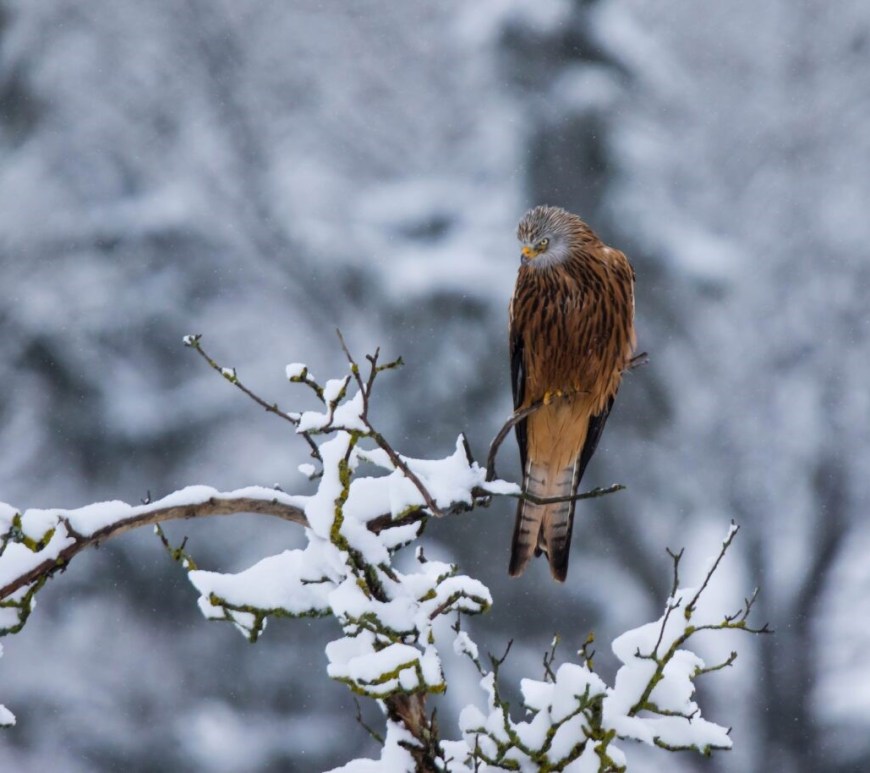
This blog post is provided by Stephanie Witczak and tells the #StoryBehindThePaper for the paper “Sex and size shape the ontogeny of partial migration” which was recently published in the Journal of Animal Ecology. With colleagues, Stephanie explores whether and how red kite migratory behaviour has changed since 2015. They find that age, sex and size all affect migration. Our questions and motivation This paper … Continue reading To migrate, or not to migrate, that is the question.

Unveiling a Toolkit to Process and Explore Animal Tracking Data

This blog post is provided by Liam Patrick Langley, Stephen Lang, Luke Ozsanlav-Harris, Alice Trevail and tells the #StoryBehindthePaper for the paper “ExMove: An open source toolkit for processing and exploring animal tracking data in R”, which was recently published in the Journal of Animal Ecology. In their paper, they present an R toolkit for cleaning and processing raw data files from animal tracking devices. … Continue reading Unveiling a Toolkit to Process and Explore Animal Tracking Data

A tale on brown sleepy lizards, yellow bananas and red cherry tomatoes

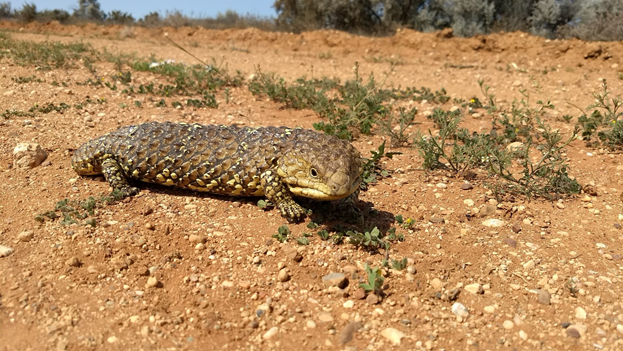
This blog post is provided by Orr Spiegel and Marcus Michelangeli and tells the #StoryBehindthePaper for the paper “Resource manipulation reveals interactive phenotype-dependent foraging in free-ranging lizards”, which was recently published in the Journal of Animal Ecology. Using bananas and tomatoes, the authors explore how the foraging behaviour of sleepy lizards in South Australia is affected by their boldness and aggressiveness behavioural type. It was … Continue reading A tale on brown sleepy lizards, yellow bananas and red cherry tomatoes

Monitoring successional appearance of dung-associated insects with environmental DNA

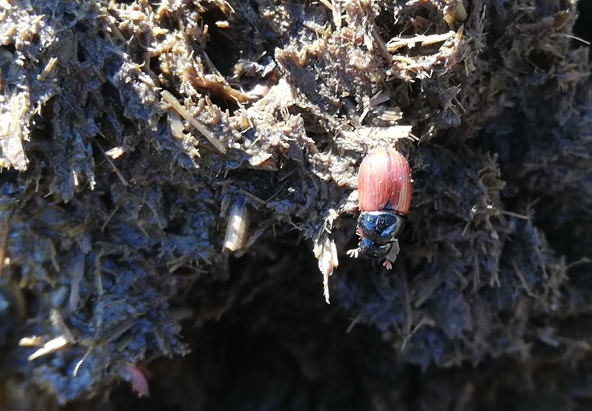
This blog post is provided by Emil Ellegaard Thomassen and Philip Francis Thomsen and tells the #StoryBehindThePaper for the paper “Environmental DNA metabarcoding reveals temporal dynamics but functional stability of arthropod communities in cattle dung” which was recently published in the Journal of Animal Ecology. In their study, they use eDNA analysis to give a detailed picture of species communities in the dung pads at … Continue reading Monitoring successional appearance of dung-associated insects with environmental DNA

Sticky post

Earlier fledging phenology in warmer years depends on local environmental conditions and species.

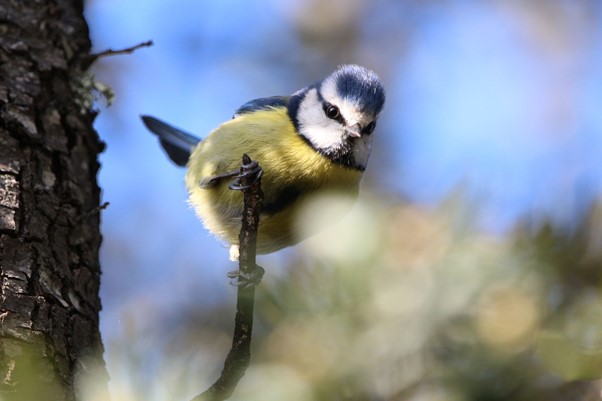
This blog post is provided by Paul Cuchot and tells the #StoryBehindThePaper for the paper “How interacting anthropogenic pressures alter the plasticity of breeding time in two common songbirds” which was recently published in the Journal of Animal Ecology. The authors study the breeding phenology in tits using citizen science and mist netting. Context: Phenological adjustment is the first line of adaptive response of vertebrates … Continue reading Earlier fledging phenology in warmer years depends on local environmental conditions and species.

Sticky post

Diversity begets stability in Atlantic rainforest stream food webs

This blog post is provided by Victor Saito and tells the #StoryBehindthePaper for the paper “Untangling the complex food webs of tropical rainforest streams”, which was recently published in the Journal of Animal Ecology. In their study, Saito and colleagues characterise the food webs of rocky streams in the Atlantic Rainforest, finding the systems to be highly complex and diverse, which results in high stability. … Continue reading Diversity begets stability in Atlantic rainforest stream food webs