La coordinación en el aprovisionamiento de los pollos aumenta el éxito reproductor en una ave de cría cooperativa

Esta entrada de blog proviene de Eva Trapote y nos cuenta la #HistoriaDetrásdelArtículo ‘Fitness benefits of alternated chick provisioning in cooperatively breeding carrion crows’, que fue recientemente publicado en Journal of Animal Ecology. Trapote y su equipo investigaron el aprovisionamiento al nido en cornejas negras cooperativas para comprender si el grado de alternancia al nido por parte de los cuidadores aumenta su éxito reproductivo y, … Continue reading La coordinación en el aprovisionamiento de los pollos aumenta el éxito reproductor en una ave de cría cooperativa

Coordination in chick provisioning increases reproductive success in a cooperative breeding bird

This blog post is provided by Eva Trapote and tells the #StoryBehindthePaper for the paper ‘Fitness benefits of alternated chick provisioning in cooperatively breeding carrion crows’, which was recently published in Journal of Animal Ecology. Trapote and colleagues investigated brood provisioning in breeding carrion crows to understand whether the degree of alternation at the nest by caregivers increases their reproductive success and is thereby favoured … Continue reading Coordination in chick provisioning increases reproductive success in a cooperative breeding bird

The “small bat in summer” model

This blog post is provided by Mari Aas Fjelldal and tells the #StoryBehindthePaper for the paper “The small-bat-in-summer paradigm: energetics and adaptive behavioural routines of bats investigated through a stochastic dynamic model”, which was recently published in Journal of Animal Ecology. In their study, they present a model framework of the behavioural decisions small bats make in order to survive the short summer nights at high … Continue reading The “small bat in summer” model

Sticky post

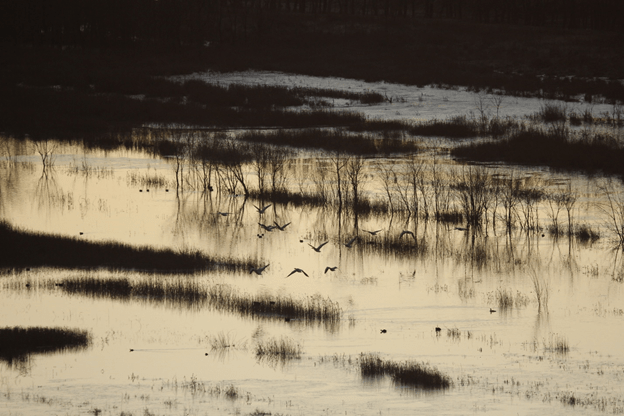
Unveiling Seasonal Risk Landscapes: How Ecological Disturbance and Human Recreation Shape Panther and Deer Responses

This blog post is provided by Heather N. Abernathy and tells the #StoryBehindthePaper for the paper ‘Rain, recreation and risk: Human activity and ecological disturbance create seasonal risk landscapes for the prey of an ambush predator’, which was recently published in Journal of Animal Ecology. In their study, they show how panthers’ avoidance of human recreation and flooding create distinct schedules of risk for deer, … Continue reading Unveiling Seasonal Risk Landscapes: How Ecological Disturbance and Human Recreation Shape Panther and Deer Responses

Sticky post

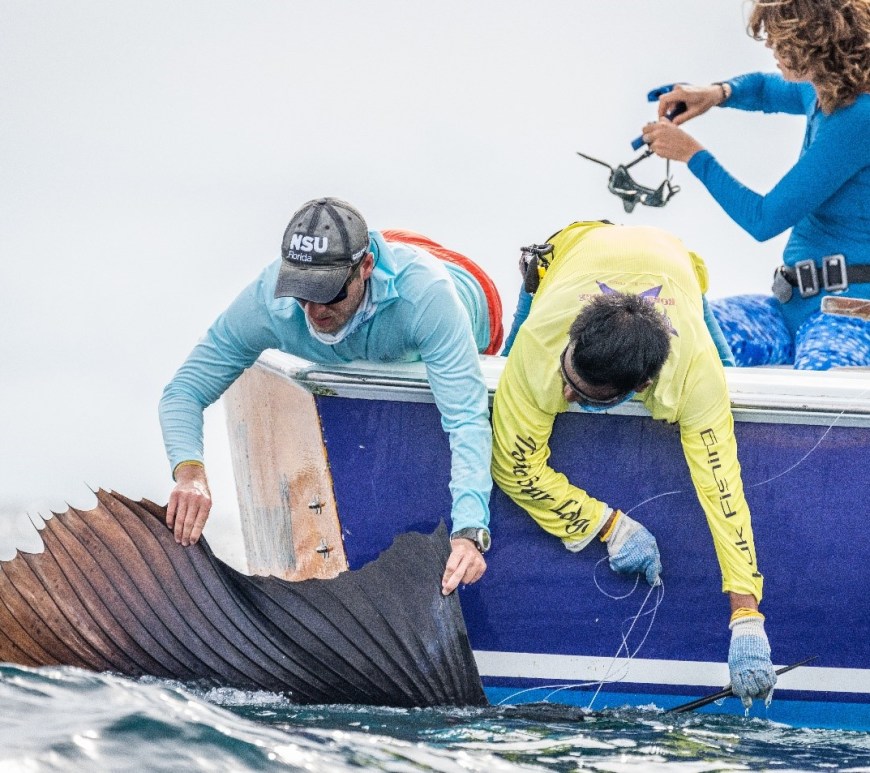
Billfish use an oxygen minimum zone boundary to hunt

This blog post is provided by Ryan Logan and tells the #StoryBehindthePaper for the paper “Patrolling the border: billfish exploit the hypoxic boundary created by the world’s largest oxygen minimum zone”, which was recently published in Journal of Animal Ecology. Blue marlin and sailfish are top predators in the pelagic environment, but little is known about their hunting behavior. Ryan Logan, the lead author of the … Continue reading Billfish use an oxygen minimum zone boundary to hunt

Sticky post

Human land-uses homogenize stream assemblages and reduce animal biomass production

This blog post is provided by Dieison André Moi and tells the #StoryBehindthePaper for the paper ‘Human land-uses homogenize stream assemblages and reduce animal biomass production’, which was recently published in Journal of Animal Ecology. In their study, Dieison and colleagues evaluated the effects of four land-uses on taxonomic richness, functional and trait diversityof fishes, arthropods, and macrophytesbased on data from 61 stream sites in … Continue reading Human land-uses homogenize stream assemblages and reduce animal biomass production

Sticky post

O uso do solo por humanos homogeniza assembleias de riachos e reduz a produção de biomassa animal

Este post no blog é fornecido por Dieison André Moi e conta o #StoryBehindthePaper para o manuscrito ‘O uso do solo por humanos homogeniza assembleias de riachos e reduz a produção de biomassa animal’, que foi recentemente publicado no Journal of Animal Ecology. Em seu estudo, Dieison e colegas avaliaram os efeitos de quatro usos da terra na riqueza taxonômica, diversidade funcional e de categorias … Continue reading O uso do solo por humanos homogeniza assembleias de riachos e reduz a produção de biomassa animal

Sticky post

When species can decide whether to disperse or not

This blog post is provided by Xiaozhou Ye and tells the #StoryBehindthePaper for the paper “Maintenance of biodiversity in multitrophic metacommunities: dispersal mode matters”, which was recently published in Journal of Animal Ecology. In their paper they investigate whether distinct dispersal modes (such as random or fitness-dependent dispersal) impact residing metacommunity biodiversity. The answer is yes. Read on to find out more. Does species-level dispersal mode … Continue reading When species can decide whether to disperse or not

Sticky post

My long search for rules on how fish communities are put together

This blog post is provided by Andrew L. Rypel and tells the #StoryBehindthePaper for the paper ‘Ecosystem size filters life-history strategies to shape community assembly in lakes’, which was recently published in Journal of Animal Ecology. In this study, he fuses theories from island biogeography and life-history studies to understand how fish assemblages filter along a lake size gradient. As a child, I had the … Continue reading My long search for rules on how fish communities are put together

Sticky post

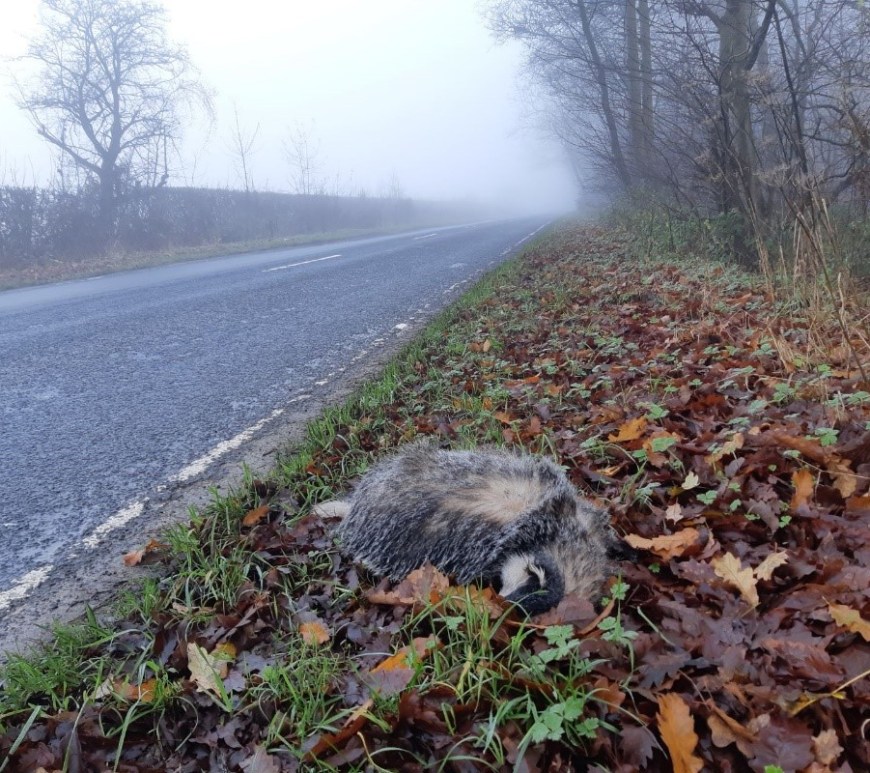
COVID-19 lockdowns and citizen science data reveal species traits most vulnerable to mortality on roads

This blog post is provided by Sarah Raymond and tells the #StoryBehindthePaper for the paper ‘The impact of the COVID-19 lockdowns on wildlife-vehicle collisions in the UK’, which was recently published in Journal of Animal Ecology. In their study, Sarah and colleagues utilize the reduction of traffic due to COVID-lockdowns and citizen science data on roadkill to study which traits make species vulnerable to being … Continue reading COVID-19 lockdowns and citizen science data reveal species traits most vulnerable to mortality on roads