HOW DOES A FOOD WEB MAINTAIN ITS RESILIENCE?

This blog post is provided by Xiaoxiao Li and tells the #StoryBehindThePaper for the paper ‘Energetic constraints imposed on trophic interaction strengths enhance resilience in empirical and model food webs’, which was recently published in the Journal of Animal Ecology. The authors explored the underlying biological mechanisms behind the complex trophic interactions that enhance food web resilience. Food webs depict the trophic interactions, i.e. who eats … Continue reading HOW DOES A FOOD WEB MAINTAIN ITS RESILIENCE?

LET’S EAT TOGETHER: ATOMS FROM AMINO ACIDS REVEAL COMMON DOLPHINS’ FEEDING STRATEGY

This blog post is provided by Rocio Iliana Ruiz-Cooley, Tim Gerrodette and Susan Chivers and tells the #StoryBehindThePaper for the paper “Cooperative feeding in common dolphins as suggested by ontogenetic patterns in δ15N bulk and amino acids“, which was recently published in Journal of Animal Ecology. Featured image: Four short-beaked common dolphins surface to breathe, part of a group of about 250 dolphin foraging over … Continue reading LET’S EAT TOGETHER: ATOMS FROM AMINO ACIDS REVEAL COMMON DOLPHINS’ FEEDING STRATEGY

Sex matters in the race to combat climate change

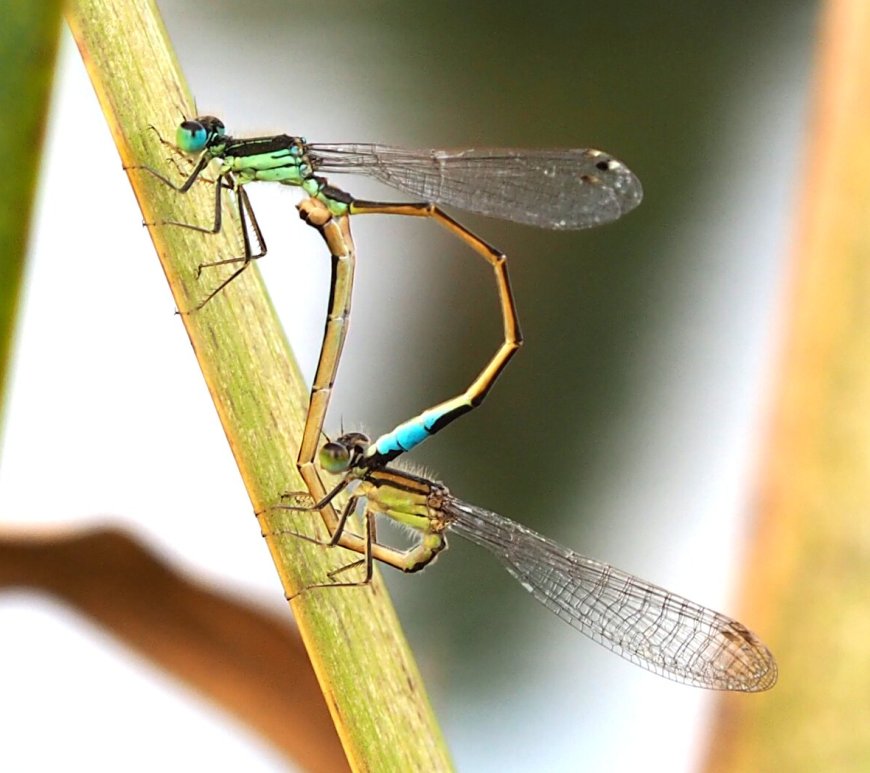
This blog post is provided by Rachael Y. Dudaniec, Alexander R. Carey, Erik I. Sve­­nsson, Bengt Hansson, Chuan Ji Yong and Lesley T. Lancaster and tells the #StoryBehindThePaper for the paper ‘Latitudinal clines in sexual selection, sexual size dimorphism, and sex‐specific genetic dispersal during a poleward range expansion’, which was recently published in the Journal of Animal Ecology. As climate change is facilitating many species to … Continue reading Sex matters in the race to combat climate change

Evolution of cold tolerance and thermal plasticity in life history, behaviour and physiology during a poleward range expansion

This blog post is provided by José A. Carbonell, Ying-Jie Wang & Robby Stoks and tells the #StoryBehindThePaper for the article “Evolution of cold tolerance and thermal plasticity in life history, behaviour and physiology during a poleward range expansion“, which was recently published in Journal of Animal Ecology. Many species are moving polewards due to climate change. During these expansions, species encounter novel thermal regimes … Continue reading Evolution of cold tolerance and thermal plasticity in life history, behaviour and physiology during a poleward range expansion

Why Do We Sometimes See “Random” Viral Outbreaks?

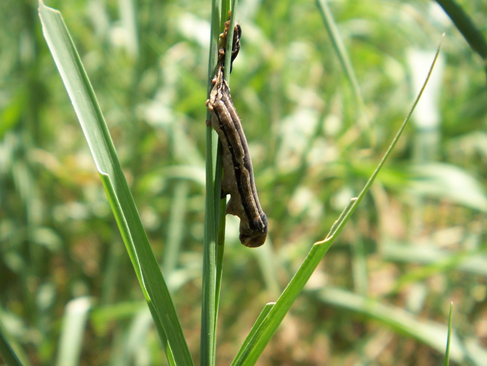
This blog post is provided by Rob Graham (@DrRIGraham) and Ken Wilson (@spodoptera007) and tells the #StoryBehindThePaper for the paper “Trans-generational viral transmission and immune priming are dose-dependent”, which was recently published in Journal of Animal Ecology. The authors found that vertical transmission of virus and priming of the immune system are both dependent on the magnitude of the viral challenge in an insect-pathogen system. … Continue reading Why Do We Sometimes See “Random” Viral Outbreaks?

Time flies: detecting seasonal declines in experimental populations of Drosophila

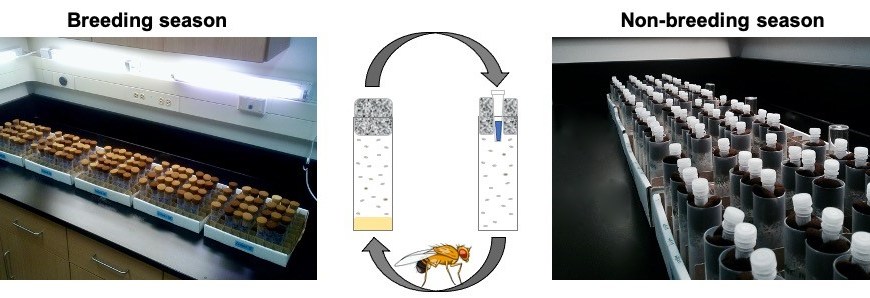
This blog post is provided by Joseph Burant and Ryan Norris and tells the #StoryBehindThePaper for the paper “Early warning indicators of population collapse in a seasonal environment“, which was recently published in Journal of Animal Ecology. In this post, Joseph Burant and Ryan Norris introduce the experiment behind their recent paper in Journal of Animal Ecology, in which they and their co-authors explore the … Continue reading Time flies: detecting seasonal declines in experimental populations of Drosophila

Daylength is an ultimate factor of migration

This blog post is provided by Ivan Pokrovsky, Andrea Kölzsch, Sherub Sherub, Wolfgang Fiedler, Peter Glazov, Olga Kulikova, Martin Wikelski and Andrea Flack and tells the #StoryBehindThePaper for the article “Longer days enable higher diurnal activity for migratory birds“, which was recently published in Journal of Animal Ecology. In general, animals attempt to live in conditions that fit them best. Species’ fitness results from a tradeoff between … Continue reading Daylength is an ultimate factor of migration

Asymmetric foraging in aquatic animals

This blog post is provided by Junjie Zheng and tells the #StoryBehindThePaper for the paper “Asymmetric foraging lowers the trophic level and omnivory in natural food webs“, which was recently published in Journal of Animal Ecology. The authors found a prevalence of asymmetric foraging in natural aquatic food webs. Featured image by Tingnan Zhou Food webs depict the network of “who eats whom” in nature. … Continue reading Asymmetric foraging in aquatic animals

Uncovering climate and land-use impacts on Wisconsin’s common loons

This blog post is provided by Walter Piper and Sarah Saunders and tells the #StoryBehindThePaper for the article “Interrelated impacts of climate and land-use change on a widespread waterbird“, which was recently published in Journal of Animal Ecology. Loon capture is a peculiar annual ritual. Working from dusk until dawn, three members of the research team set out in a 12-foot motorboat to scour the surface of Wisconsin … Continue reading Uncovering climate and land-use impacts on Wisconsin’s common loons

Ecosystem restoration – insights from theory

This blog post is provided by Klementyna Gawecka and tells the #StoryBehindThePaper for the paper “Habitat restoration in spatially explicit metacommunity models“, which was recently published in Journal of Animal Ecology. Healthy ecosystems are vital for supporting the great diversity of life on Earth and providing us, humans, with benefits such as clean water, flood mitigation or recreation. But our activities, such as pollution, overexploitation or clearing … Continue reading Ecosystem restoration – insights from theory