Beavers boost bat biodiversity

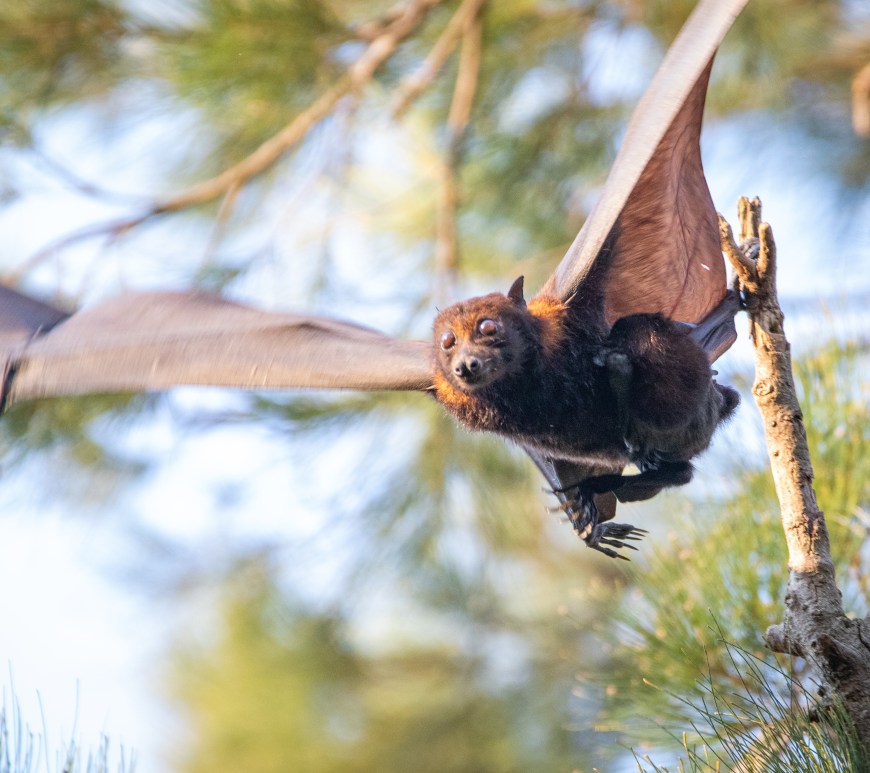
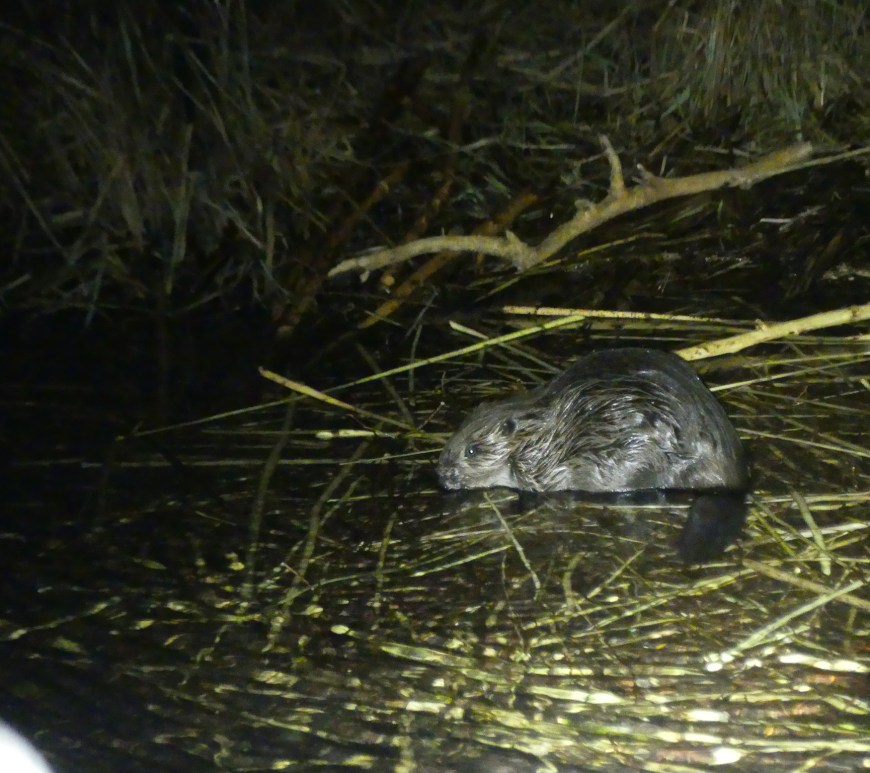
This blog post is provided by Valentin Moser and tells the #StoryBehindThePaper for the article “Habitat heterogeneity and food availability in beaver-engineered streams foster bat richness, activity and feeding”, which was recently published in Journal of Animal Ecology. This study shows that beaver engineering creates structurally diverse habitats that support a broader range of bat species. Beavers are recolonizing large areas in their former range in … Continue reading Beavers boost bat biodiversity

Learning by doing: applying artificial intelligence to biodiversity with BugBox

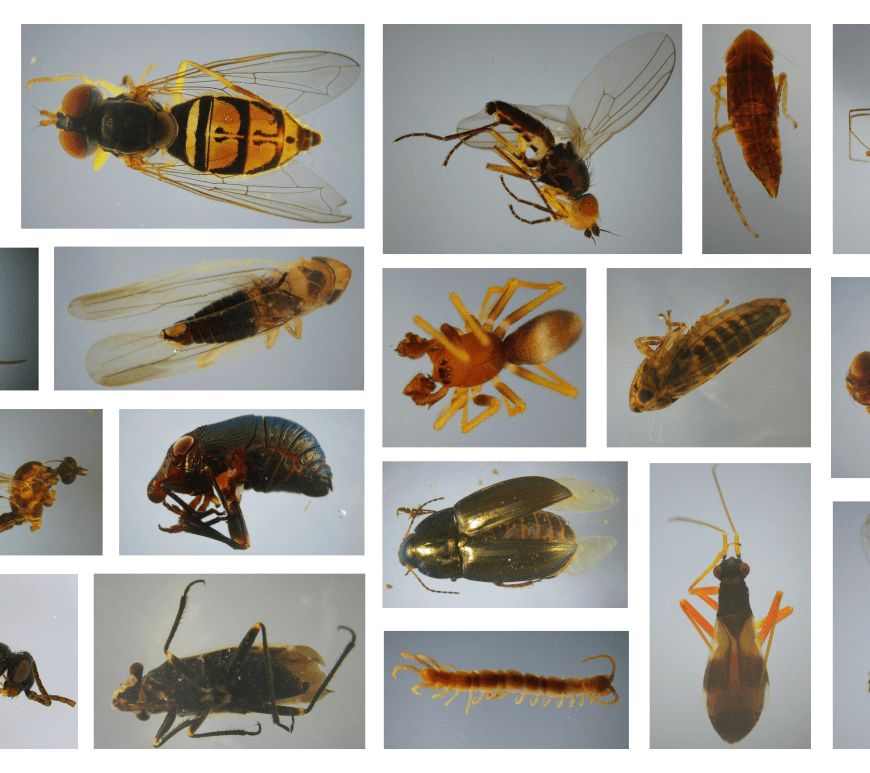
This blog post and audio abstract are provided by Kelton Welch and tells the #StoryBehindThePaper for the article “Evaluation of BugBox, a software platform for AI-assisted bioinventories of arthropods”, which was recently published in Journal of Animal Ecology. This study explores the integration of AI technology, specifically through BugBox, to aid in rapidly processing entomology data, thereby supporting regenerative farming practices and biodiversity research in North … Continue reading Learning by doing: applying artificial intelligence to biodiversity with BugBox

Only the Smarter Stay: How Brain Size Determines Migrating Decisions in a Montane Breeding Swallow

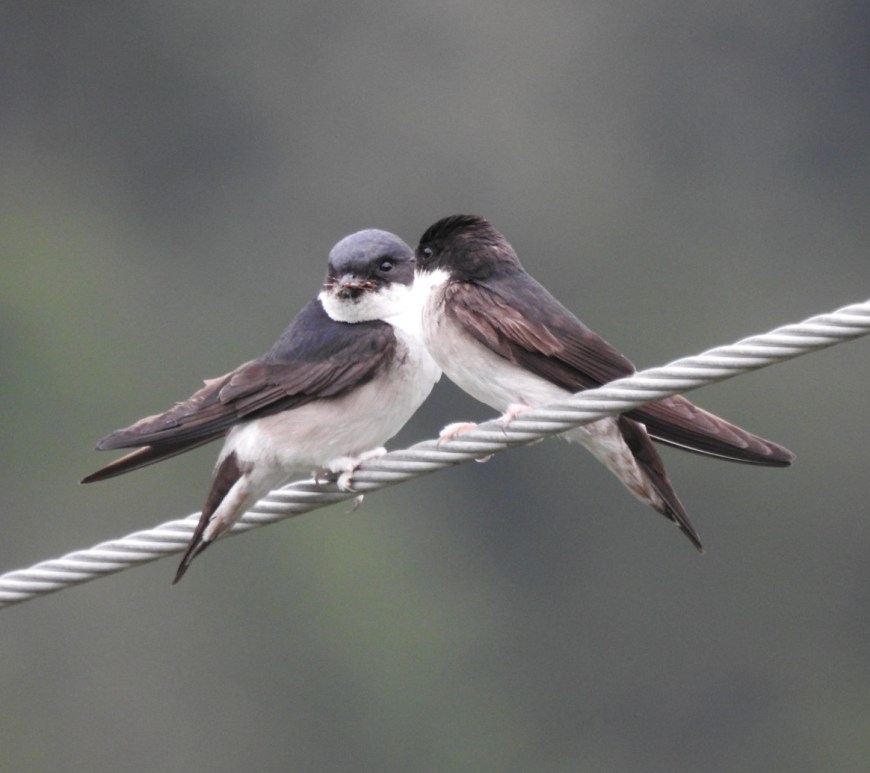
This blog post is provided by Yu-Wen Yang and tells the #StoryBehindThePaper for the article “Relative brain size explains migratory/resident tendency in birds: Partial altitudinal migration in Asian house martins“, which was recently published in Journal of Animal Ecology. This study explores why some martins choose to stay while others migrate by comparing their morphological traits and breeding performance. In the valleys of Lishan at Taiwan’s … Continue reading Only the Smarter Stay: How Brain Size Determines Migrating Decisions in a Montane Breeding Swallow

Faster Isn’t Always Better: The Unexpected Cost of Speed for Lizards

This blog post is provided by Kristoffer Wild and tells the #StoryBehindThePaper for the article “Thermal performance curves, activity and  survival in a free-ranging ectotherm“, which was recently published in Journal of Animal Ecology. In this study on Australian central bearded dragons, Wild et al. challenge assumptions about locomotor performance and survival. Most of us instinctively believe that faster is better. Think of Olympic sprinters … Continue reading Faster Isn’t Always Better: The Unexpected Cost of Speed for Lizards