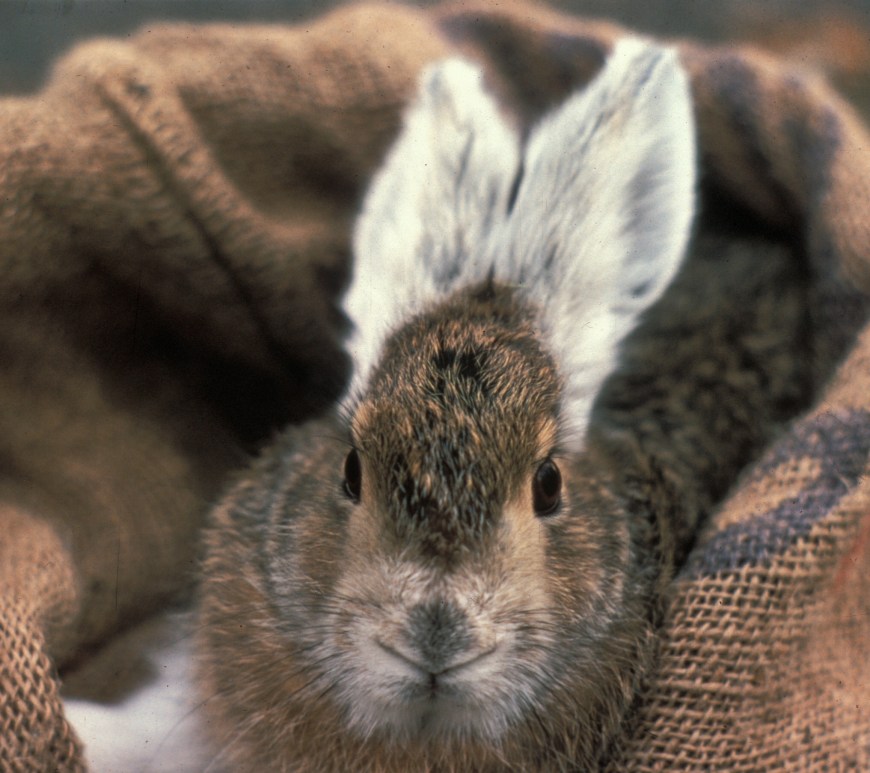
From above to below: how large herbivores affect forests soils

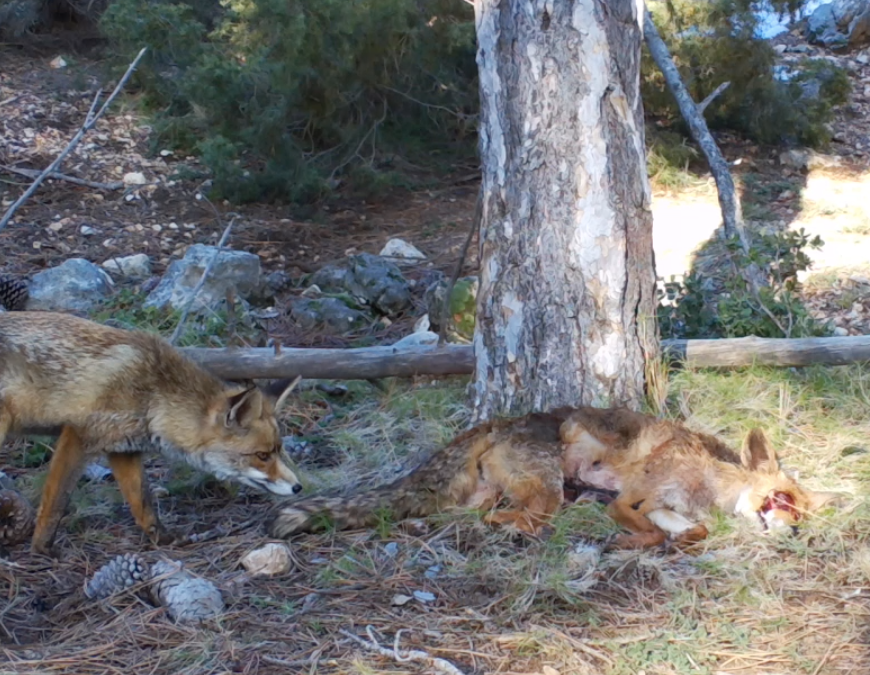
This blog post is provided by Letícia Gonçalves Ribeiro and tells the #StoryBehindThePaper for the article “Belowground effects of ground-dwelling large herbivores in forest ecosystems“, which was recently published in Journal of Animal Ecology. This study reviewed the ways that various types of herbivores affect forest soils in different contexts. A famous quote is “Seeing is believing”, but when we spot a deer or a … Continue reading From above to below: how large herbivores affect forests soils

Beavers boost bat biodiversity

This blog post is provided by Valentin Moser and tells the #StoryBehindThePaper for the article “Habitat heterogeneity and food availability in beaver-engineered streams foster bat richness, activity and feeding”, which was recently published in Journal of Animal Ecology. This study shows that beaver engineering creates structurally diverse habitats that support a broader range of bat species. Beavers are recolonizing large areas in their former range in … Continue reading Beavers boost bat biodiversity

How Co-BreeD can change how we see cooperation in animals

This blog post is provided by Maike Woith and tells the #StoryBehindThePaper for the article “An integrative, peer-reviewed and open-source cooperative-breeding database (Co-BreeD)“, which was recently published in Journal of Animal Ecology. This publication presents the Co-BreeD database, a collaborative tool for studying cooperative breeding across mammals and birds. From wild dogs to warblers, animals across the globe share the work of raising young. But … Continue reading How Co-BreeD can change how we see cooperation in animals

Only the Smarter Stay: How Brain Size Determines Migrating Decisions in a Montane Breeding Swallow

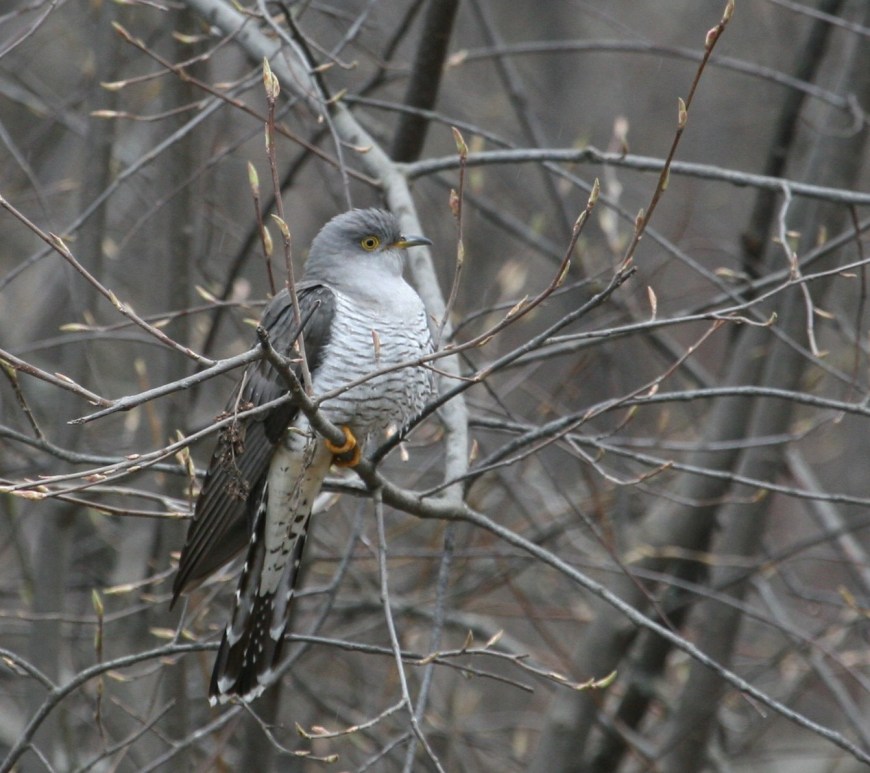
This blog post is provided by Yu-Wen Yang and tells the #StoryBehindThePaper for the article “Relative brain size explains migratory/resident tendency in birds: Partial altitudinal migration in Asian house martins“, which was recently published in Journal of Animal Ecology. This study explores why some martins choose to stay while others migrate by comparing their morphological traits and breeding performance. In the valleys of Lishan at Taiwan’s … Continue reading Only the Smarter Stay: How Brain Size Determines Migrating Decisions in a Montane Breeding Swallow

Mountain living shapes reproductive demography

This blog post is provided by Kevin White and tells the #StoryBehindThePaper for the article “Life-history trade-offs and environmental variability shape reproductive demography in a mountain ungulate“, which was recently published in Journal of Animal Ecology. This study explored how life-history trade-offs and environmental variability influence demography of mountain goats in extreme environments. Living on a steep mountainside, blanketed in snow nine months of the … Continue reading Mountain living shapes reproductive demography

How a remote oil rig can tell us more about hoverflies

This blog post is provided by Oliver M. Poole and tells the #StoryBehindThePaper for the article “Long-range pollen transport across the North Sea: Insights from migratory hoverflies landing on a remote oil rig”, which was recently published in Journal of Animal Ecology. This study utilised samples from an oil rig operator to determine migratory movements of hoverflies and the pollen they transport across the North … Continue reading How a remote oil rig can tell us more about hoverflies

Um achado fortuito em uma floresta familiar: Descobrindo uma nova espécie onde cresci

Esta blog foi escrito por Henrique Negrello-Oliveira e conta a #StoryBehindThePaper do artigo “Across the edge: Spatial segregation drives community structure in tri-trophic multilayer networks at a forest-grassland edge“, publicado recentemente no Journal of Animal Ecology. Este estudo buscou responder se a borda campo/floresta funcionaria como uma barreira ou contínuo ecológico, dada a distribuição espacial das interações entre espécies ao longo da borda Florestas e … Continue reading Um achado fortuito em uma floresta familiar: Descobrindo uma nova espécie onde cresci

A Fortuitous Find in a Familiar Forest: Uncovering a New Species Where I Grew Up

This blog post is provided by Henrique Negrello-Oliveira and tells the #StoryBehindThePaper for the article “Across the edge: Spatial segregation drives community structure in tritrophic multilayer networks at a forest-grassland edge”, which was recently published in Journal of Animal Ecology. This study set out to answer whether this transitional area would function as an ecological barrier or a continuum, given the spatial distribution of species … Continue reading A Fortuitous Find in a Familiar Forest: Uncovering a New Species Where I Grew Up

Climate change and habitat loss together alter species communities

This blog post is provided by Emy Guilbault and tells the #StoryBehindThePaper for the article “Strong context-dependence in the relative importance of climate and habitat on nation-wide macro-moth community changes”, which was recently published in the Journal of Animal Ecology. In their study, Guilbault and colleagues conducted a macroecological study of macro-moths in Finland, identifying the importance of considering both habitat and climate variables when … Continue reading Climate change and habitat loss together alter species communities

Tropical fishes can benefit more from novel than familiar species interactions at their cold-range edges

This blog post is provided by Angus Mitchell, Chloe Hayes, Erick Coni, David Booth, and Ivan Nagelkerken, and tells the #StoryBehindThePaper for the article “Tropical fishes can benefit more from novel than familiar species interactions at their cold-range edges”, which was recently published in the Journal of Animal Ecology. In their study, Mitchell and colleagues investigated the challenges faced by tropical fish shifting their ranges … Continue reading Tropical fishes can benefit more from novel than familiar species interactions at their cold-range edges