Systemic pathogens and coinfection associate with changes in the gut microbiota of bank voles 

This blog post is provided by Ilze Brila and tells the #StoryBehindthePaper for the paper “Idiosyncratic effects of coinfection on the association between systemic pathogens and the gut microbiota of a wild rodent, the bank vole (Myodes glareolus”, which was recently published in Journal of Animal Ecology. In their paper they explore how coinfection of pathogens impact the microbiota of bank voles. Bloga ierakstu angliski iespējams … Continue reading Systemic pathogens and coinfection associate with changes in the gut microbiota of bank voles 

Sistēmiskie patogēni un koinfekcijas ir saistītas ar izmaiņām rūsgano mežstrupastu zarnu mikrobiotā

Šī bloga ieraksta autore ir Ilze Brila, un tas ir stāsts par (#StoryBehindthePaper) publikāciju “Idiosyncratic effects of coinfection on the association between systemic pathogens and the gut microbiota of a wild rodent, the bank vole (Myodes glareolus”, kas nesen publicēts žurnālā Journal of Animal Ecology. Publikācijas autori pēta kā patogēnu infekcijas un koinfekcijas ietekmē rūsgano mežstrupastu zarnu mikrobiotu. Read the blog in English here Zarnu mikrobiota … Continue reading Sistēmiskie patogēni un koinfekcijas ir saistītas ar izmaiņām rūsgano mežstrupastu zarnu mikrobiotā

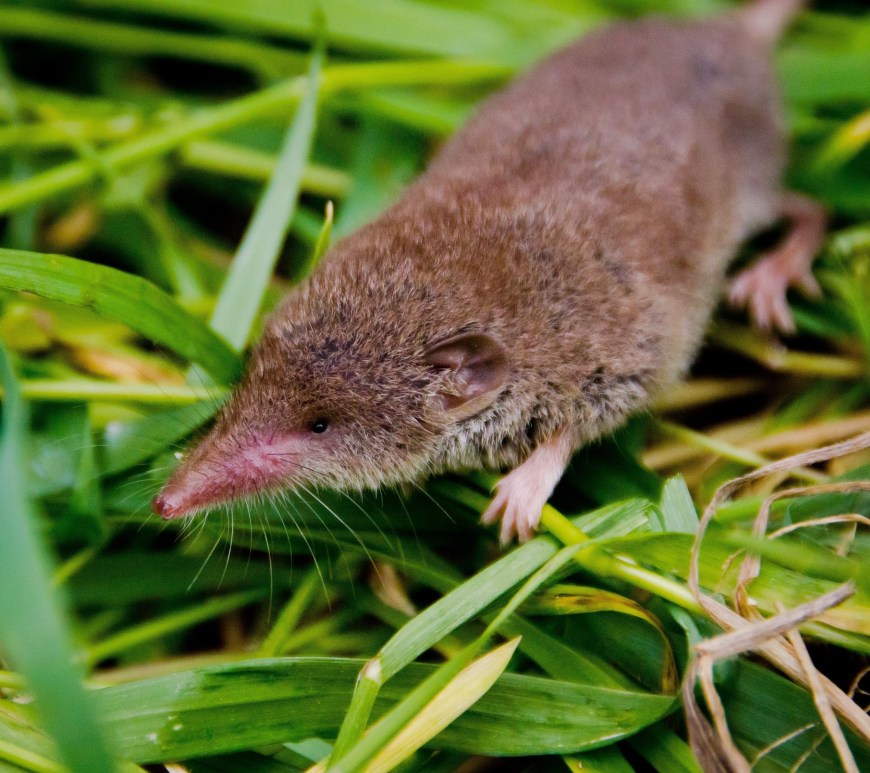
How dietary competition leads to a native shrew being rapidly replaced by an invasive shrew

This blog post is provided by Allan McDevitt and Samuel Browett and tells the #StoryBehindthePaper for the paper “Resource competition drives an invasion-replacement event among shrew species on an island”, which was recently published in Journal of Animal Ecology. In their paper they determine how a recently invading shrew is outcompeting a native shrew for prey resources, ultimately leading to the rapid disappearance of the native … Continue reading How dietary competition leads to a native shrew being rapidly replaced by an invasive shrew

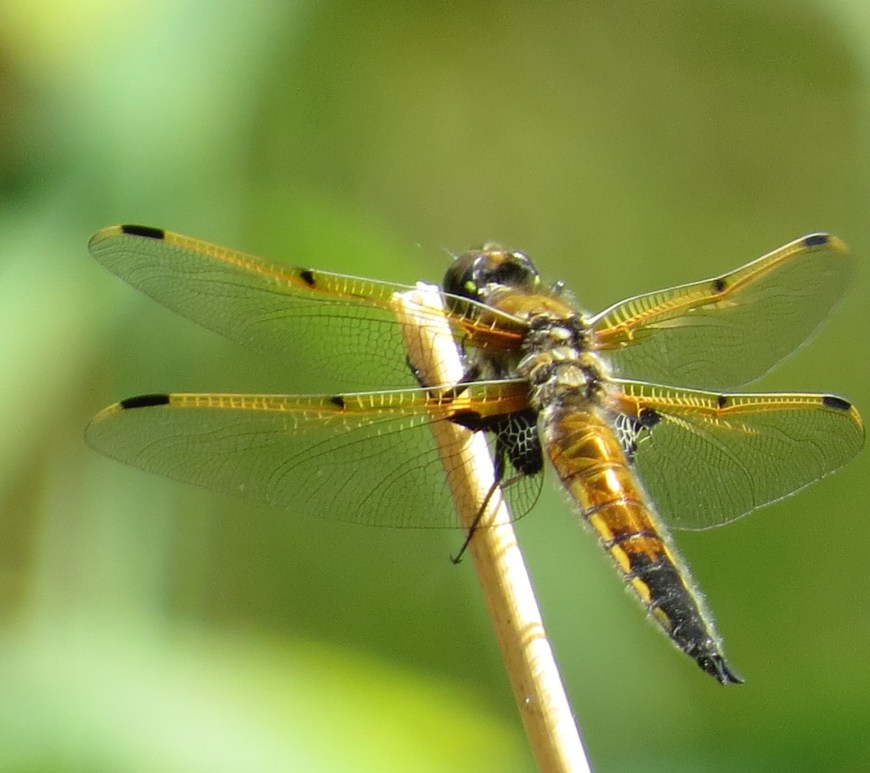
Cold winters drive 8-year population cycles for a beetle pest in agriculture

This blog post is provided by Sara Emery and tells the #StoryBehindthePaper for the paper “Cold winters drive consistent and spatially synchronous 8-year population cycles of cabbage stem flea beetle”, which was recently published in Journal of Animal Ecology. In their paper they explore regular cycles of the cabbage stem flea beetle in Sweden, investigating what impacts these cycles including climatic conditions in the winter. For … Continue reading Cold winters drive 8-year population cycles for a beetle pest in agriculture

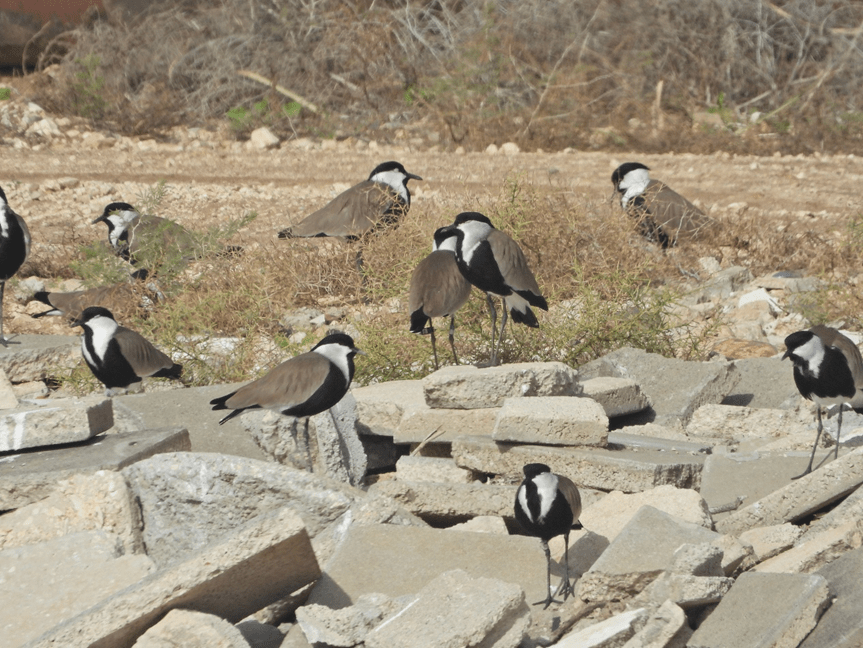
Beyond simple habituation: Anthropogenic habitats influence the escape behavior of spur-winged lapwings in response to both human and non-human threats

This blog post is provided by Bar-Ziv Michael, Sofer Aran, Gorovoy Adel and Spiegel Orr and tells the #StoryBehindthePaper for the paper “Beyond simple habituation: Anthropogenic habitats influence the escape behavior of spur-winged lapwings in response to both human and non-human threats“, which was recently published in Journal of Animal Ecology. In their paper they use a unique “Jack-Truck” to simulate a jackal predator, and explore … Continue reading Beyond simple habituation: Anthropogenic habitats influence the escape behavior of spur-winged lapwings in response to both human and non-human threats

מעבר להתרגלות: סביבה אנושית משפיעה על התנהגות הבריחה של סיקסקים בתגובה לאדם ולתן

בלוג זה מסופק על ידי בר-זיו מיכאל, סופר ארן, גורובוי אדל ושפיגל אור ומספר את #הסיפורשמאחוריהמאמר למאמר “מעבר להתרגלות פשוטה: בתי גידול עירוניים משפיעים על תגובת הבריחה של סיקסקים מאיום אנושי ולא אנושי“, שפורסם לאחרונה בעיתון של Journal of Animal Ecology. במאמר שלהם הם השתמשו בשיטה יחודית עם “ג’יפ-תן” כדי לחכות טורף מסוג תן, וחקרו איך סיקסקים מגיבים לאיום מסוג חדש וכך גם לאדם. Click here for the … Continue reading מעבר להתרגלות: סביבה אנושית משפיעה על התנהגות הבריחה של סיקסקים בתגובה לאדם ולתן

Dispersal mode and competition type matter for outcomes of the competition-colonization trade-off

This blog post is provided by Ilia Maria Ferzoco and Shannon McCauley and tells the #StoryBehindthePaper for the paper “Breaking down the components of the competition-colonization trade-off: New insights into its role in diverse systems“, which was recently published in Journal of Animal Ecology. In their concept paper they explore how dispersal and competition might impact how species compete and coexist, depending on how they … Continue reading Dispersal mode and competition type matter for outcomes of the competition-colonization trade-off

Why do birds of a feather flock together?

This blog post is provided by Shannon Buckley Luepold and tells the #StoryBehindthePaper for the paper “Habitat detection, habitat choice copying, or mating benefits: what drives conspecific attraction in a nomadic songbird?“, which was recently published in Journal of Animal Ecology. The authors explored why wood warblers settle near each other, comparing hypotheses about other birds acting as a signal of good habitat, simply copying … Continue reading Why do birds of a feather flock together?

Do birds build bigger nests when it’s cold?

This blog post is provided by Karina Vanadzina and tells the #StoryBehindthePaper for the paper ‘Global drivers of variation in cup nest size in passerine birds‘, which was recently published in Journal of Animal Ecology. In their study they find that nest size in passerine bird species is closely linked to the conditions in their breeding habitat. A parent bird tending to their chicks in … Continue reading Do birds build bigger nests when it’s cold?

Kuishi pamoja kunawezekana: fisi madoa wanaongiliana na mifugo nyakati za mchana hufanya vizuri

Chapisho hili la blogu limetolewa na Arjun Dheer na Philemon Naman na linaambia #StoryBehindthePaper kwa jarida la ‘Ufugaji wa kila siku haupunguzi uajiri wa vijana wala kuinua mzigo wa fisi wenye madoadoa’, ambayo ilichapishwa hivi majuzi katika Journal of Animal Ecology. Katika utafiti wake, anachunguza athari za ufugaji kwa idadi ya fisi walio na madoadoa katika Ngorongoro, na kugundua kuwa hawaonekani kuwa na mkazo na … Continue reading Kuishi pamoja kunawezekana: fisi madoa wanaongiliana na mifugo nyakati za mchana hufanya vizuri