A Migratory Bird’s Journey from the Andes of Colombia to North America: leave early and take it easy or leave late and migrate fast?

This blog post is provided by Ana M. González and tells the #StoryBehindThePaper for the article “Earlier and slower or later and faster: Spring migration pace linked to departure time in a Neotropical migrant songbird”. Several species of migratory birds, many populations of which are in steep decline, spend the winter exclusively in montane forest in the Andes of northern South America between 1000-2500 m … Continue reading A Migratory Bird’s Journey from the Andes of Colombia to North America: leave early and take it easy or leave late and migrate fast?

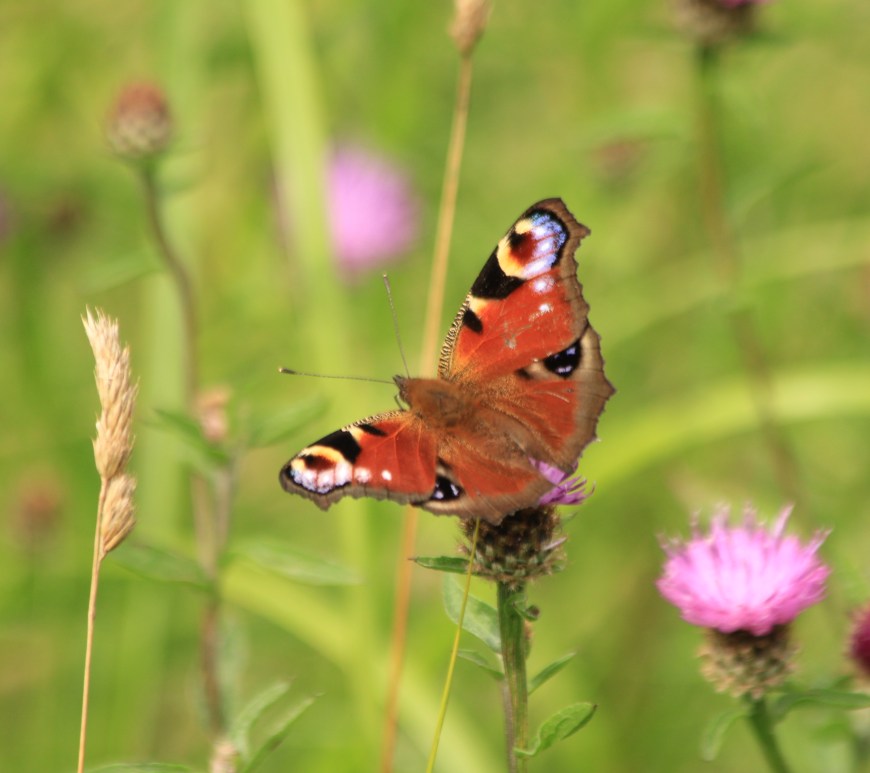
How butterflies keep their cool: taking butterfly temperatures to understand the impacts of climate change.

This blog post is provided by Dr. Andrew Bladon and tells the  #StoryBehindThePaper for the article “How butterflies keep their cool: Physical and ecological traits influence thermoregulatory ability and population trends“, which was recently published in Journal of Animal Ecology. They say that only mad dogs and Englishmen go out in the midday sun. Perhaps we should add lepidopterists – people who study butterflies – to … Continue reading How butterflies keep their cool: taking butterfly temperatures to understand the impacts of climate change.

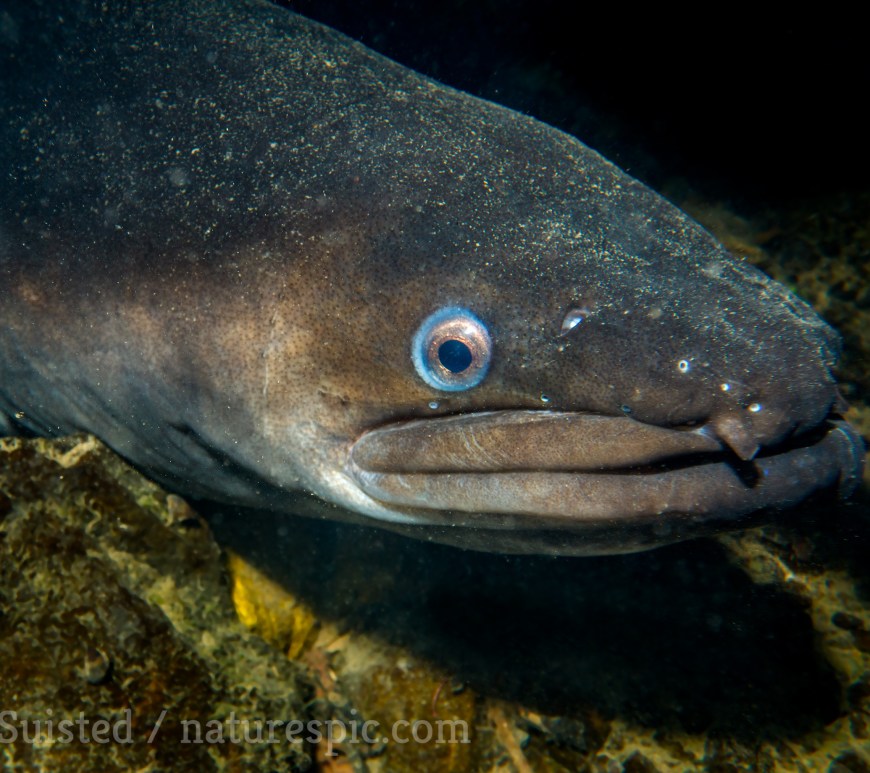
Up silt creek without a niche: how do stream food webs respond to sedimentation?

This blog post is provided by Francis J. Burdon, Angus McIntosh, and Jon Harding and tells the #StoryBehindThePaper for their article ”Mechanisms of landscape disturbance: evidence from landscape disturbance”. Food webs represent a holistic systems approach to characterizing patterns of biodiversity and energy flow by describing trophic interactions between consumers and resources. However, how these ecological networks respond to natural and anthropogenic perturbations remains poorly … Continue reading Up silt creek without a niche: how do stream food webs respond to sedimentation?

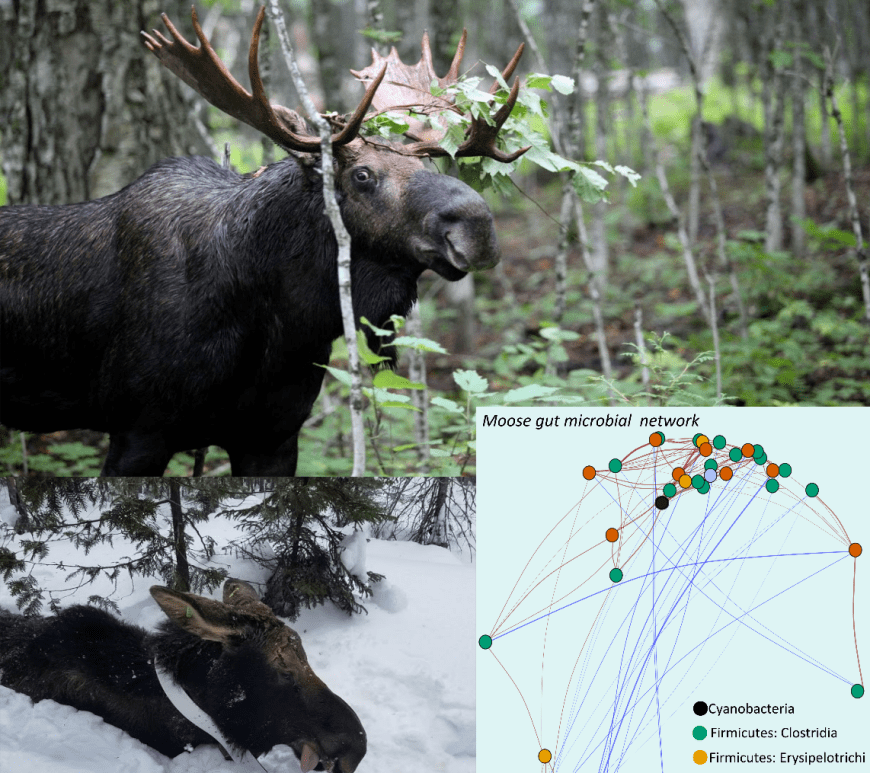
Untangling community dynamics using spatially explicit Bayesian networks

In this article, Nick Fountain-Jones from the University of Tasmania introduces how advances in Bayesian networks can be used to untangle community dynamics and, in particular, the moose microbiome by telling us the #StoryBehindThePaper. Microbial communities are inherently complex systems with potentially hundreds of millions of interacting species. Every surface of the body is occupied by a diverse set of microbes; interactions between them, mediated … Continue reading Untangling community dynamics using spatially explicit Bayesian networks

Frogs and Herbicides: A Gut Feeling

Dr. Sarah Knutie led a study to explore whether a commonly-used herbicide affects the gut microbes of frogs and if the gut microbes could mediate the effect of the herbicide on infection risk by the amphibian chytrid fungus. She conducted the work as a Post-doctoral Researcher at the University of South Florida and is currently an Assistant Professor at the University of Connecticut. Here, she … Continue reading Frogs and Herbicides: A Gut Feeling