
To celebrate International Women’s Day 2025, we are excited to share a collection of blog posts showcasing the work of some of the BES community. In each post, they discuss their experiences in ecology, as well as what this year’s theme, ‘Accelerate Action’, means to them.
What work do you do?
I am a community ecologist, more or less, who works on microbes in soils, mostly. During my PhD, and early career researcher roles, I became an early adopter of using DNA based methods to track plant, and then microbial diversity from field systems. It is interesting to reflect how novel it was, just 30 years ago, to use DNA sequence data as a proxy for the presence, identity and abundance of organisms. The main focus of my work is on the communities and diversity of Arbuscular Mycorrhizal Fungi in natural and managed ecosystems, but because the techniques we use to “count” them are adaptable, that has gradually expanded to different groups or organisms. There are so many exciting things to be studied!
How did you get into ecology?
My mother swears I was born with an interest in it. Like all small children, I asked a lot of questions, but mine were (apparently) mostly about plants and birds. My parents were both migrants to the UK, from Iceland which has a rather depauperate island and high latitude flora and fauna. There was therefore no collective family knowledge about the British natural world, and so my mother couldn’t really answer the questions, despite knowing all the Icelandic animals and plants she grew up with. I was, however, also bookish, so I got books stuck under my nose instead, and took it from there.
Then, in the 1970s, Dutch Elm Disease took hold in the British Isles. It hit the city I grew up in very hard – a large proportion of the standing trees in the city were elms – and that inspired me to move my interest in what was around me to fixing it when it’s broken, and before I went to high school, I was genuinely thinking about arboriculture and tree health as my future. Gerald Durrell’s books also played a part in widening my perspective on ecology, as did David Attenborough’s first Life on Earth TV series – the book of the series is still a treasured possession.
That persisted in various forms in my head, resulting in me signing up for an undergraduate degree in a Forestry Department where most students were expected move on to a management related role in the forestry and environment sector. The few of us who went on to do Postgraduate study all graduated in Ecology Honours, which was the more research focussed end of our studies. While I probably framed this as a wholly active decision at the time, with hindsight, part of me was put off the areas of forestry work I originally aspired to, because of the total lack of women role models and the fact that in those days, there was absolutely no sensible PPE available for short women with small feet! This has improved in 35 years…. a bit.
I really enjoyed the research side, getting the data and doing the field work – typical ecologist really – and continued on to a PhD, and to all my subsequent jobs. I often reflect on how, and why, I have, despite a somewhat winding road, been an ecologist of some form all this time…
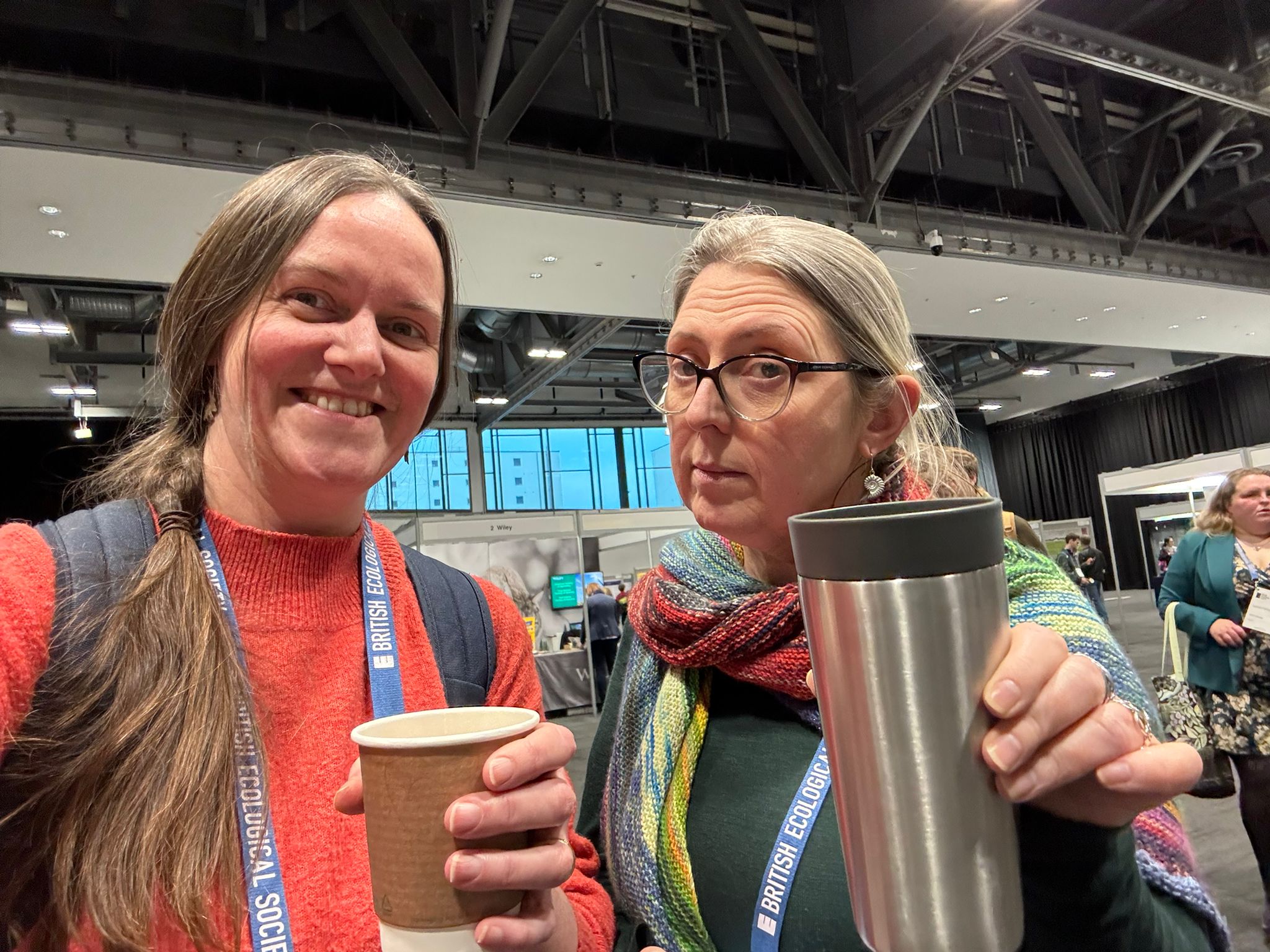
Who inspires you?
That’s really difficult to answer. There are so many different definitions of “inspiration”. Many people will credit a teacher, or trusted adult for enabling them to see things a different way, but it wasn’t like that for me – my school had rather traditional ideas of what their students should be doing, and studying ecology wasn’t what they had mapped out for me at all. But I absolutely credit my parents, because they never ever denigrated or challenged my career choices, which probably gave me more confidence to carry on against my school’s advice. I maybe wouldn’t go as far as to say I was motivated to succeed out of sheer spite and bloody mindedness, but I’d be lying if I didn’t admit that played a part… reverse inspiration, if you will. It’s not often said, but I bet that’s more common than people like to admit!
During my working life, I have had the privilege to work with amazing people and role models. I worked with Alastair Fitter, past BES president, and Peter Young at the University of York for many years, who are both remarkable scientists, and genuinely decent human beings – they both played a big part in the road I have travelled, and I learned so much about science and leadership from them.
Gaining any sense of belonging has been a rather slow process for me, because it took a very long time to “find my people” – that network of friends and academic friends/collaborators who are all on the same wavelength. They are all now my constant source of support, inspiration, and of course many, many gifs. (you know who you are!)
How do you think we could ‘accelerate action’ within ecology and science, to move towards gender equality?
There are two suggestions. First is a process-based answer. Whatever sector we are in, we need to look at recruitment and promotion processes, and we need to look at them at an institutional level. There’s lots of evidence from gender pay gap statistics that the number of women and their remuneration is improving, but the scale of change required to get anywhere close to parity requires processes that actively recruit and promote in proportions that actually reflect the proportion of women who are entering the profession at earlier stages, through degrees, PhDs etc. It’s not enough to “plug the leaky pipeline”.
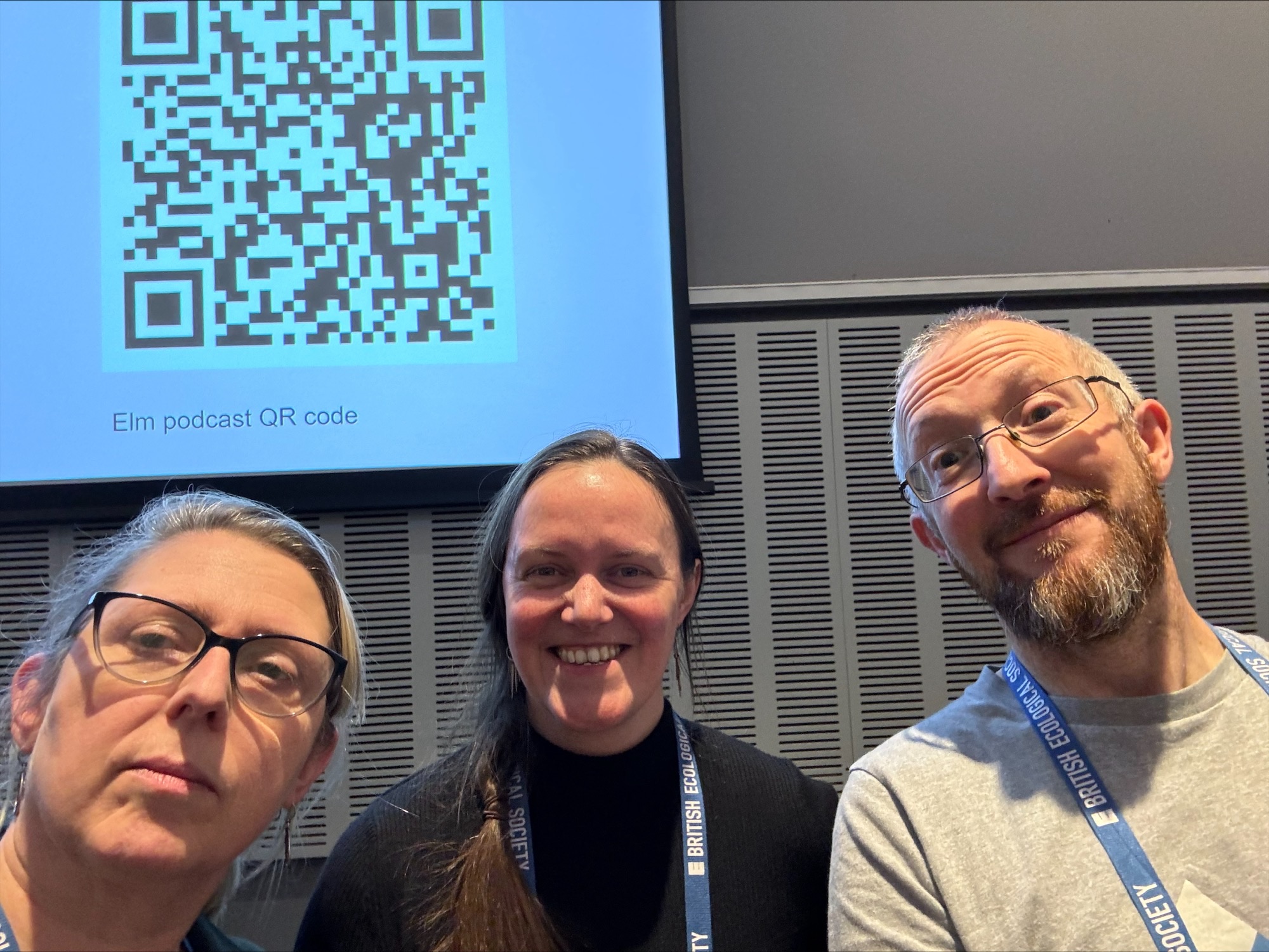
But processes like this need support. The improvements in representation that I have seen most often happen because the pool has been increased in size so that underrepresented groups can be added, if that makes sense. That’s not sustainable. We also have to have active discussion, promotion of, and support for, processes and cultures that require those with the greatest privilege to accept that they will have to accept a slower pace for them to allow others to catch up. Absolutely key to this, is recruiting diverse leadership teams to advocate for this. Would this be a good point to give the BES Elm network a shout out?
 Animal Ecology in Focus