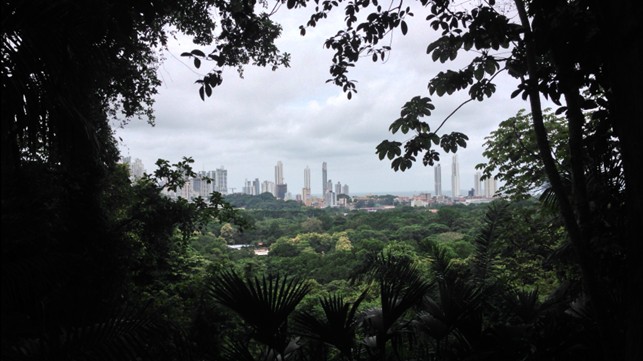
Life in the Fast Lane: Developmental Responses of Tadpoles to Life in the City

This blog post is provided by Andrew Cronin and tells the #StoryBehindThePaper for the article “Urban developmental environments alter tadpole phenotypes depending on origin”, which was recently published in the Journal of Animal Ecology. In their study, Cronin and colleagues investigated the effects of urbanisation on a species with a complex life history, the túngara frog. Crouching next to a sickly-looking puddle adjacent to the … Continue reading Life in the Fast Lane: Developmental Responses of Tadpoles to Life in the City

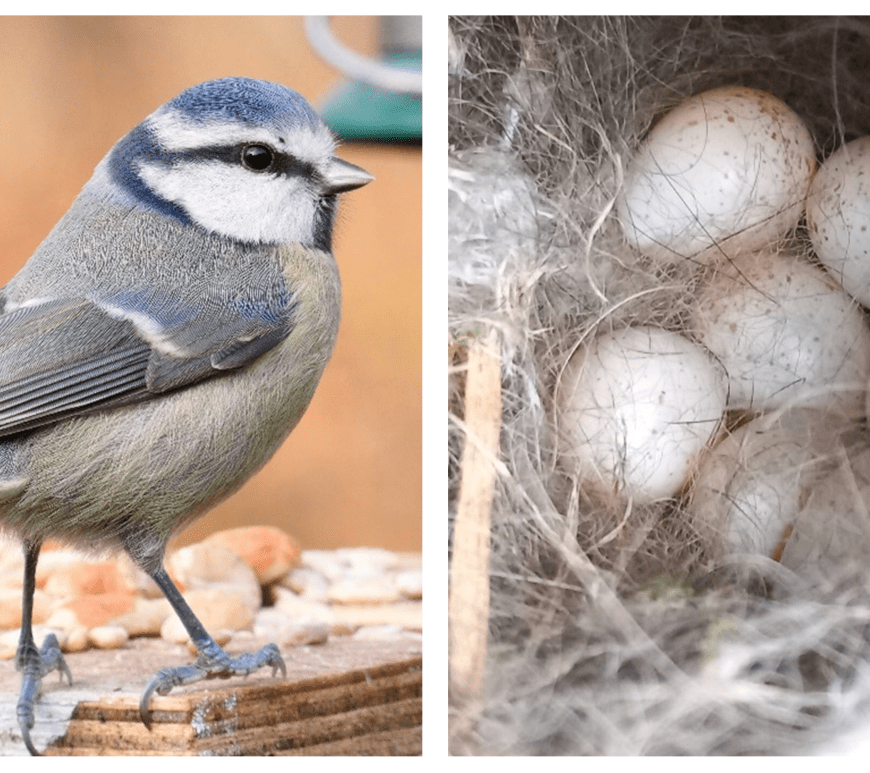
Environmental constraints can explain clutch size differences between urban and forest blue tits: Insights from an egg removal experiment

This blog post is provided by Mark Pitt and tells the #StoryBehindThePaper for the paper “Environmental constraints can explain clutch size differences between urban and forest blue tits: Insights from an egg removal experiment” which was recently published in the Journal of Animal Ecology. The authors find that urban blue tits lay fewer eggs than their non-urban counterparts, possibly as a response to limited resources. … Continue reading Environmental constraints can explain clutch size differences between urban and forest blue tits: Insights from an egg removal experiment

Ants don’t change their behavior to avoid sublethal warming

This blog post is provided by Elsa Youngsteadt and tells the #StoryBehindthePaper for the paper “Can behavior and physiology mitigate effects of warming on ectotherms? A test in urban ants”, which was recently published in Journal of Animal Ecology. In their paper they explore how ants might react to climate change, and whether they can adapt their behaviour to new conditions. Spring flowers are bursting earlier, … Continue reading Ants don’t change their behavior to avoid sublethal warming

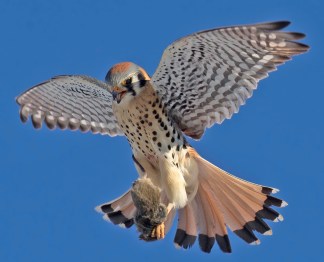
Earlier nesting by generalist predatory bird is associated with human responses to climate change

robpbk9o2086-editThis post is a press release from the authors of Journal of Animal Ecology paper “Earlier nesting by generalist predatory bird is associated with human responses to climate change by Shawn H. Smith et al.

Milder winters have led to earlier growing seasons and noticeable effects on the breeding habits of some predatory birds, according to research by Boise State biologists Shawn Smith and Julie Heath, in collaboration with Karen Steenhof, and The Peregrine Fund’s Christopher McClure. Continue reading “Earlier nesting by generalist predatory bird is associated with human responses to climate change”

Competitive males are a blessing and a curse

jae-2016-00123-r2-2This post is a press release from the authors of Journal of Animal Ecology paper “Sexual selection can both increase and decrease extinction probability: reconciling demographic and evolutionary factors” by Carlos Martínez-Ruiz and Robert J. Knell Issued by Queen Mary, University of London Press Office.

Showy ornaments used by the male of the species in competition for mates, such as the long tail of a peacock or shaggy mane of a lion, could indicate a species’ risk of decline in a changing climate, according to a new study from Queen Mary University of London (QMUL). Continue reading “Competitive males are a blessing and a curse”