MacaqueNet: Connecting The Dots Through Big-team Comparative Behavioural Research

This blog post is provided by Macaela Skelton and tells the #StoryBehindThePaper for the article “MacaqueNet: Advancing comparative behavioural research through large-scale collaboration“, which was recently published in the Journal of Animal Ecology. In their study, Skelton and colleagues highlight the creation of the first standardised database on macaque social behaviour, which is paving the way for large-scale comparative research.  Social behaviour varies widely across … Continue reading MacaqueNet: Connecting The Dots Through Big-team Comparative Behavioural Research

Sticky post

Only the inefficient die young: how selection drives changes in migration efficiency with age

This blog post is provided by Joe Wynn, and tells the #StoryBehindThePaper for the article “Selective disappearance based on navigational efficiency in a long-lived seabird“, which was recently published in the Journal of Animal Ecology. Together with colleague, Joe studies improvements in migratory performance with age in common terns and find that improvements are due to selective disappearance of less efficient navigators rather than learning, … Continue reading Only the inefficient die young: how selection drives changes in migration efficiency with age

How high can you fly: butterflies fly according to the vertical distribution of their plant resources

This blog post is provided by Denise Dalbosco Dell’Aglio, Sebastián Mena, Rémi Mauxion, W. Owen McMillan and Stephen H. Montgomery and tells the #StoryBehindThePaper for the paper “Divergence in Heliconius flight behaviour is associated with local adaptation to different forest structures”, which was recently published in the Journal of Animal Ecology. Butterflies are found everywhere in a tropical forest. Some are found very high in … Continue reading How high can you fly: butterflies fly according to the vertical distribution of their plant resources

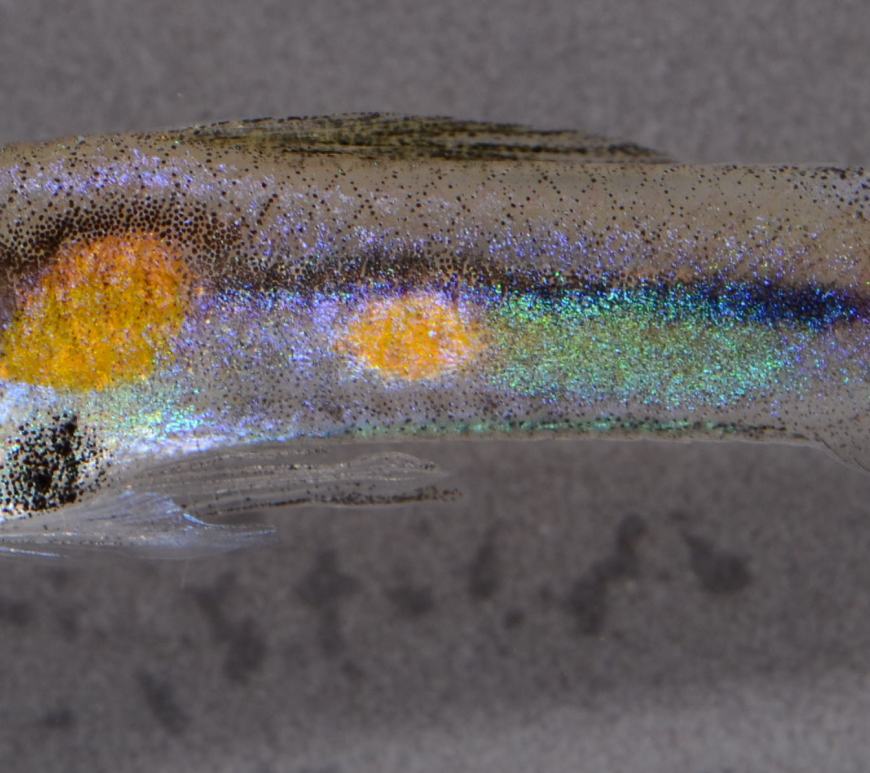
Guppies only avoid infected shoalmates when they pose the highest risk of transmission

Jess Stephenson is a new Assistant Professor at the University of Pittsburgh, USA. She is interested in factors affecting the spread of infectious diseases through natural populations, and how these ecological factors might affect the evolution of both host and parasite. Here, she describes her most recent paper on the role of host behaviour in disease transmission and shares the #StoryBehindThePaper. Across animal taxa, individuals … Continue reading Guppies only avoid infected shoalmates when they pose the highest risk of transmission