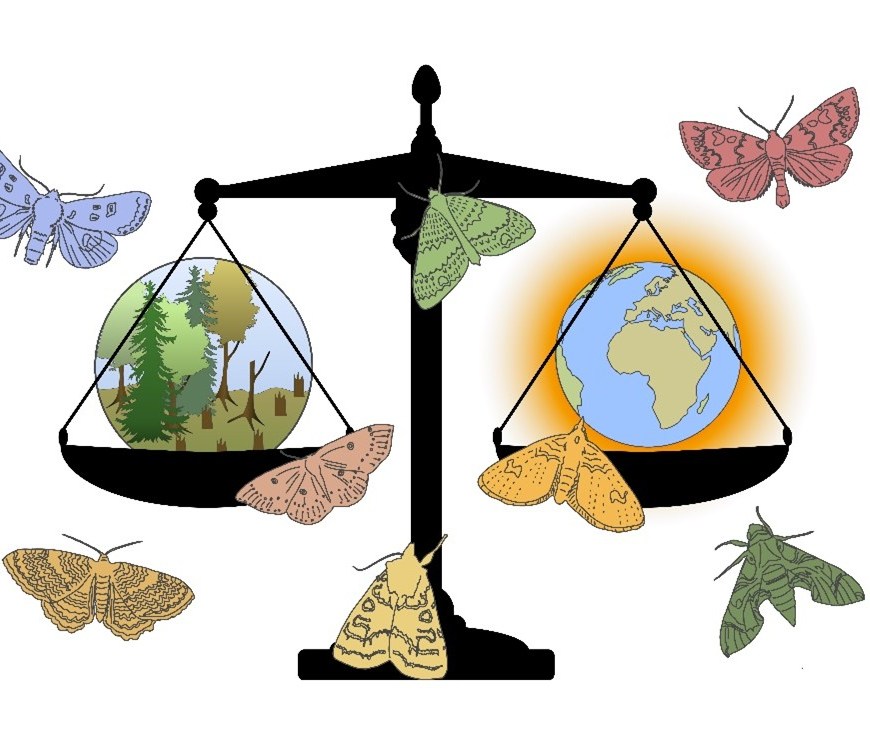
Climate change and habitat loss together alter species communities

This blog post is provided by Emy Guilbault and tells the #StoryBehindThePaper for the article “Strong context-dependence in the relative importance of climate and habitat on nation-wide macro-moth community changes”, which was recently published in the Journal of Animal Ecology. In their study, Guilbault and colleagues conducted a macroecological study of macro-moths in Finland, identifying the importance of considering both habitat and climate variables when … Continue reading Climate change and habitat loss together alter species communities

Lizard population responses to climate and fire regimes: new pathways to ecological resilience

This blog post is provided by Heitor Sousa and Rob Salguero-Gómez and tells the #StoryBehindThePaper for the paper “Severe fire regimes decrease resilience of ectothermic populations”, which was recently published in the Journal of Animal Ecology. In their study, Heitor, Rob and colleagues found that intermediate fire regimes may be the most conducive to resistance for several Cerrado lizard species, and that variation in life … Continue reading Lizard population responses to climate and fire regimes: new pathways to ecological resilience

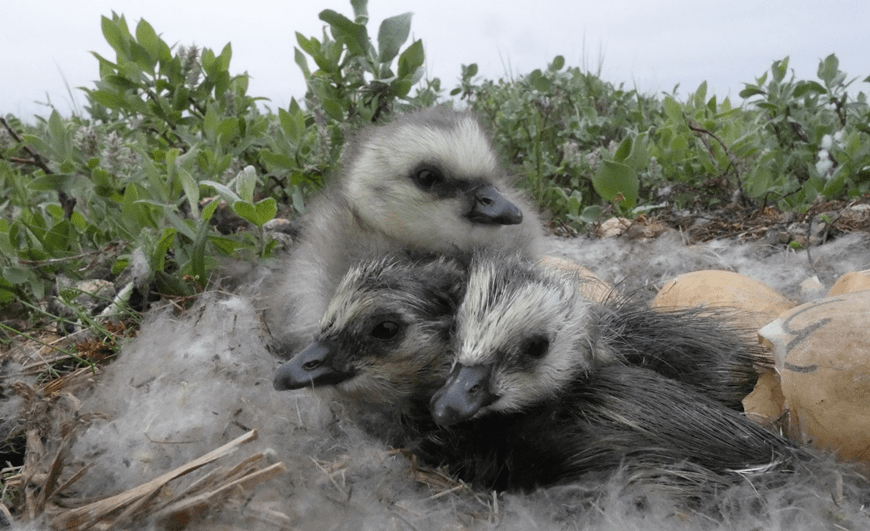
Long days but little time: Goslings grow faster at high latitudes

This blog post is provided by Michiel Boom and tells the #StoryBehindThePaper for the paper “Postnatal growth rate varies with latitude in range-expanding geese – the role of plasticity and day length”, which was recently published in the Journal of Animal Ecology. While some species are clearly struggling to adapt to this rapidly changing world, the barnacle goose seems to be prospering. Contrary to other … Continue reading Long days but little time: Goslings grow faster at high latitudes

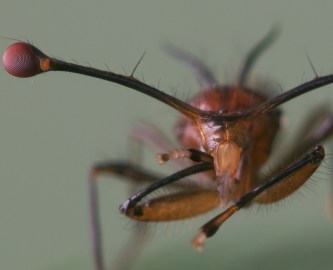
Competitive males are a blessing and a curse

jae-2016-00123-r2-2This post is a press release from the authors of Journal of Animal Ecology paper “Sexual selection can both increase and decrease extinction probability: reconciling demographic and evolutionary factors” by Carlos Martínez-Ruiz and Robert J. Knell Issued by Queen Mary, University of London Press Office.

Showy ornaments used by the male of the species in competition for mates, such as the long tail of a peacock or shaggy mane of a lion, could indicate a species’ risk of decline in a changing climate, according to a new study from Queen Mary University of London (QMUL). Continue reading “Competitive males are a blessing and a curse”