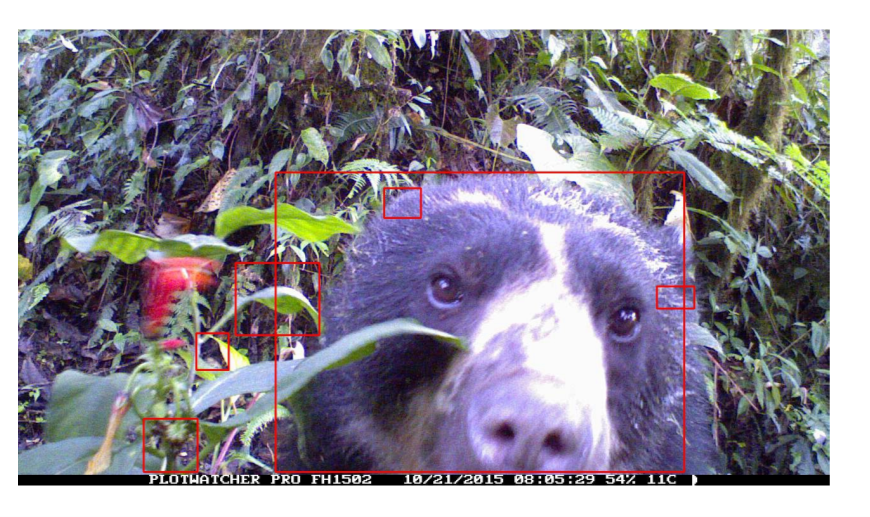
It’s a bear! Adopting a ‘computer vision for animal ecology’

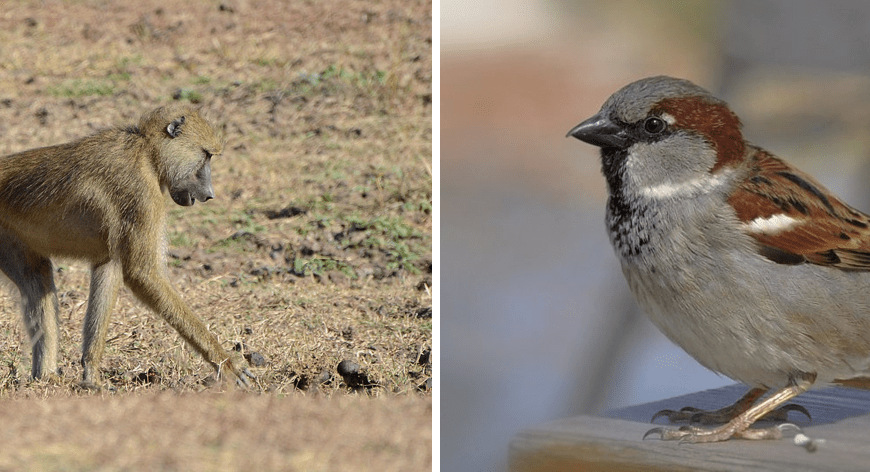
How can automated image processing be applied for detecting, counting and identifying animals in natural landscapes? A recent review article published in the Journal of Animal Ecology covers this exact question! Dr Ben Weinstein is a postdoctoral fellow at Oregon State University interested in community ecology, Bayesian modeling and data science. He studies a wide range of taxa including tropical hummingbirds, Antarctic whales, and temperate trees. … Continue reading It’s a bear! Adopting a ‘computer vision for animal ecology’

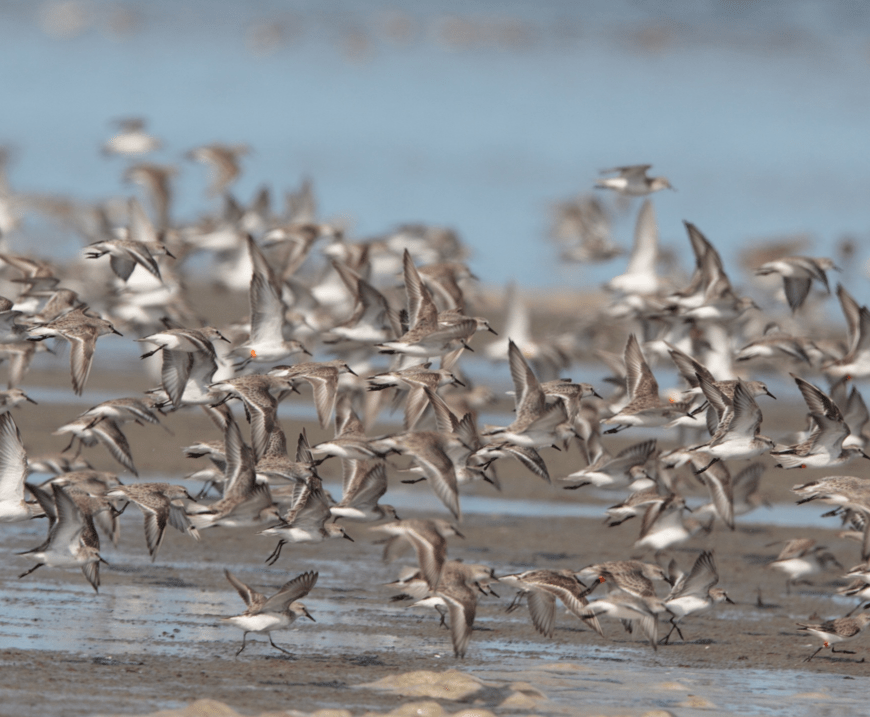
How does infection alter animal migration performance? It’s complicated.

Animals move around. A lot. Migratory animals are widely assumed to play an important role in the long-distance dispersal of parasites and pathogens. But how does this affect the migratory animals themselves? PhD student Alice Risely, Deakin University, explains how infections might alter animal migration. Migratory animals spread pathogens. But how frequently? And how far? Is it super common for migratory birds to spread pathogens … Continue reading How does infection alter animal migration performance? It’s complicated.

Estimating Species Populations – a critical step in understanding ecological processes

Understanding the size of animal populations is necessary – but also extremely challenging. Andrea Campos Candela, a PhD student with the Fish Ecology Lab in the Mediterranean Institute for Advanced Studies (IMEDEA-CSIC) talks us through this problem. “How many animals are there? Understanding ecological processes and the dynamics of wild animal populations is dependent on our answer to such seemingly simple question.  Further, recognizing changes … Continue reading Estimating Species Populations – a critical step in understanding ecological processes

A practical guide for inferring reliable dominance hierarchies and estimating their uncertainty

There are thousands of academic papers published each year. But how do they all come about? Damien Farine and Alfredo Sánchez-Tójar share the ‘behind the scenes’ story of their recent paper on dominance hierarchies, and how it was all due to a fortunate encounter… Do you have a great #StoryBehindThePaper to share? Get in touch! One of the growing challenges in research is data analysis. Here are … Continue reading A practical guide for inferring reliable dominance hierarchies and estimating their uncertainty

Strategic pauses in female elephant seals

A recent paper published in the Journal of Animal Ecology has found that poor-quality female southern elephant seals use breeding pauses as a tactic to produce more offspring over their lifetime.  Here to tell us more are three of the authors: Marine Desprez, Clive McMahon and Rob Harcourt. Breeding is a costly activity. In long-lived multiparous animals, some individuals may skip one or several breeding … Continue reading Strategic pauses in female elephant seals

Dodgy gut? Have a lemur cuddle!

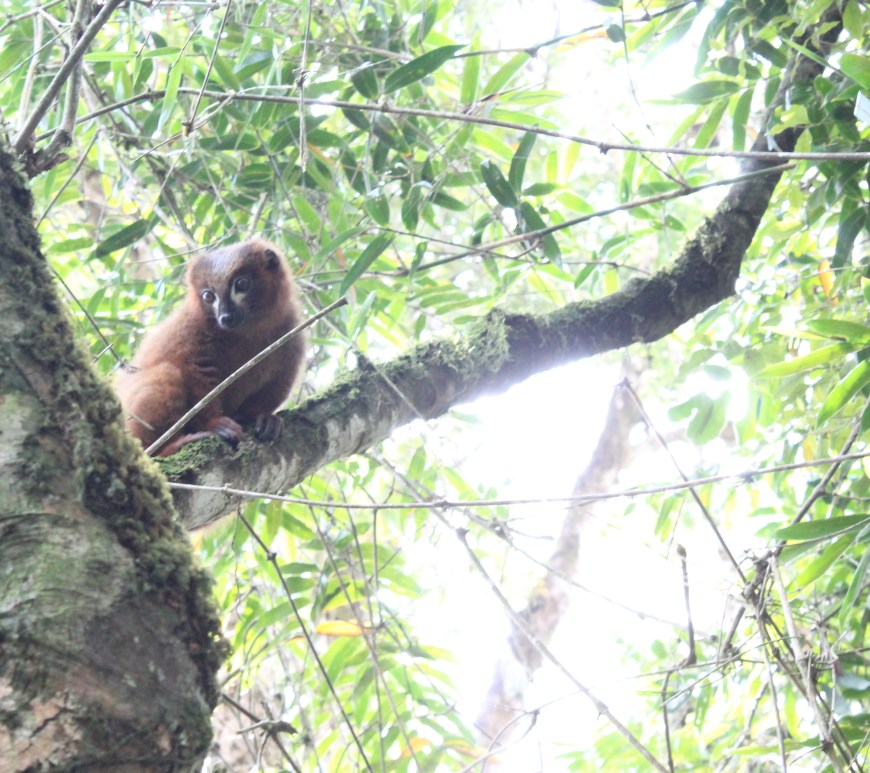
According to new research published in the Journal of Animal Ecology, physical contact may be good for your health.  Well, at least if you’re a lemur. Scientists have found a direct link between physical contact and gut bacteria in red-bellied lemurs (Eulemur rubriventer).  The study aim was to better understand causes of diversity within the animal’s gut microbiome.  These communities of belly bacteria play a key … Continue reading Dodgy gut? Have a lemur cuddle!

A Marine Mammal Odyssey!

Our Blog Editor, Dr Sarah Marley, reports back on last month’s Society for Marine Mammalogy (SMM) conference in Halifax, Canada. Last month saw over 2,000 marine mammalogists travel to Halifax, Nova Scotia for the 22nd Biennial Conference on the Biology of Marine Mammals.  This year’s theme was “A Marine Mammal Odyssey, Eh!” and incorporated the Canadian flair that was a strong feature throughout the week.  … Continue reading A Marine Mammal Odyssey!

Badgers and Disease Ecology

Traditionally one of the UK’s most charismatic (and certainly distinctive) mammals, the badger has received mixed attention in recent times as a result of their involvement in disease transmission.  To celebrate National Badger Day, Dr Andy Robertson  describes the long-term study of these animals in Woodchester Park.  Dr Robertson is a NERC Knowledge Exchange Fellow at the University of Exeter’s Environment and Sustainability Institute, and … Continue reading Badgers and Disease Ecology

Otterly Awesome

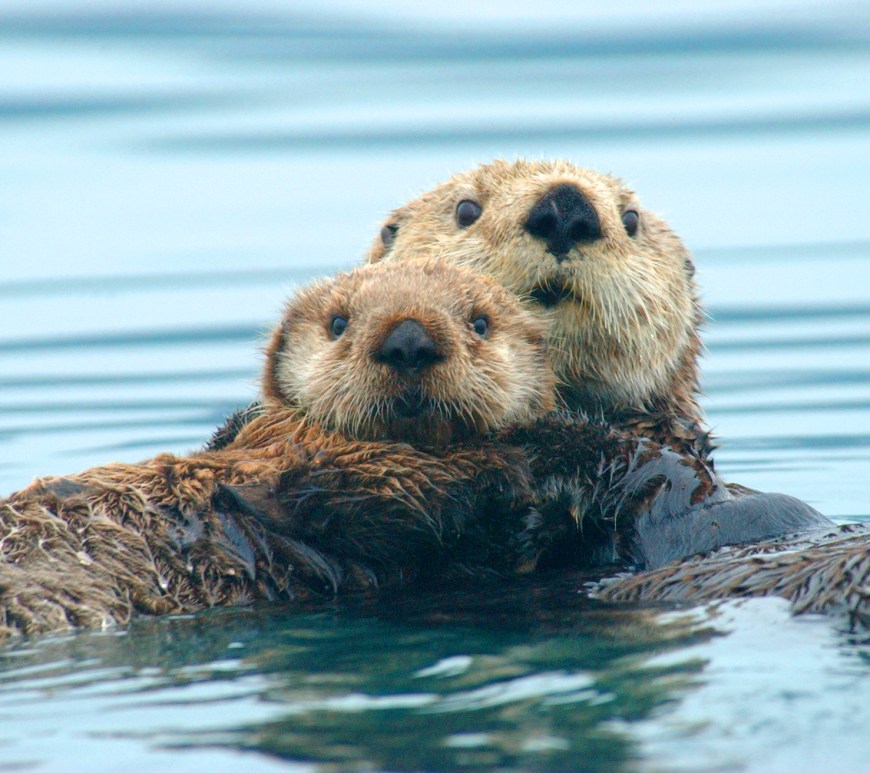
Everyone loves sea otters – not to would be ‘otter’ nonsense!  But how much do you know about them?  The last week of September is ‘otterwise’ known as Sea Otter Awareness Week, offering a perfect chance to learn more! Dr Sylvia Parsons*, a Research Associate at the Centre for Marine Science and Technology (CMST) at Curtin University, shares some ‘otterly’ amazing facts about these marine … Continue reading Otterly Awesome

High Society – The social network of vultures

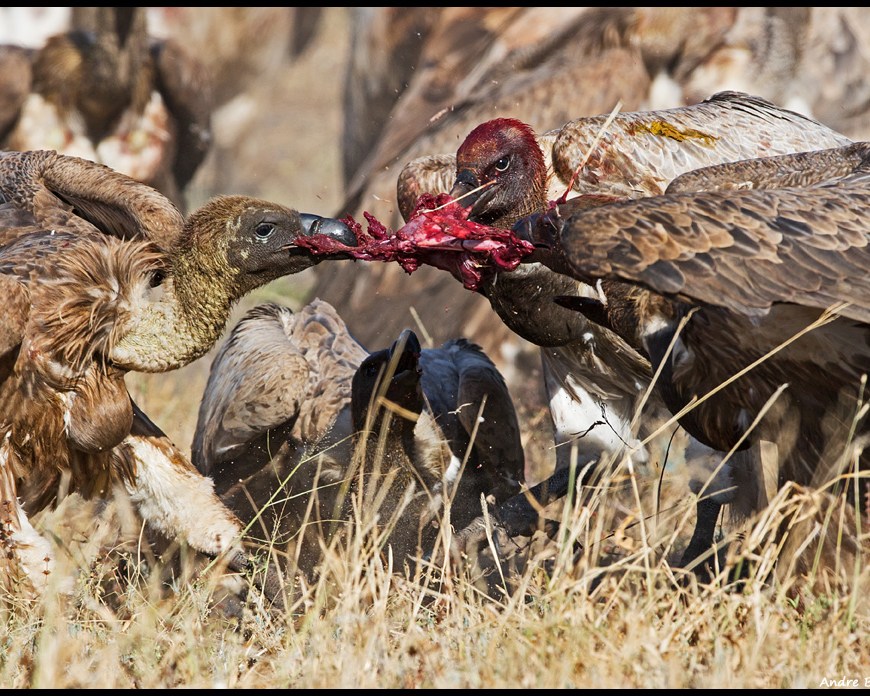
When you think of vultures, you might just think “feathered carrion-eaters”.  But do you think of their social networks, foraging strategies, and daily lives?  Probably not!  Dr Adam Kane (University College Cork) and Dr Kevin Healy (University of St Andrews) are postdoctoral researchers working on the behaviour, conservation and evolutionary ecology of scavengers.  As International Vulture Awareness Day was on the 3rd September, they have … Continue reading High Society – The social network of vultures