Sticky post

Disease risk perception in animals and potential applications

This blog post is provided by Cécile Sarabian (cognitive ecologist and current Canon Foundation Research Fellow at Nagoya University, Japan; center), Andrew MacIntosh (behavioural ecologist and Associate Professor at Kyoto University, Japan; left) and Jorge Tobajas (conservation ecologist at the University of Cordoba, Spain; right) on behalf of all co-authors, and tells the #StoryBehindthePaper for the paper “Disgust in animals and the application of disease … Continue reading Disease risk perception in animals and potential applications

Sticky post

Who’s the big bad wolf afraid of? Investigating how humans affect the predatory behavior of wolves

This blog post is provided by Kristin Barker and tells the #StoryBehindthePaper for the paper “Large carnivores avoid humans while prioritizing prey acquisition in anthropogenic areas“, which was recently published in Journal of Animal Ecology. In the study, they investigate the impact of human activity on the behaviour of grey wolves, finding a nuanced response to different human influences depending on the context. Right now, … Continue reading Who’s the big bad wolf afraid of? Investigating how humans affect the predatory behavior of wolves

Using microclimatic data and niche modeling to predict the daily activity of a desert lizard

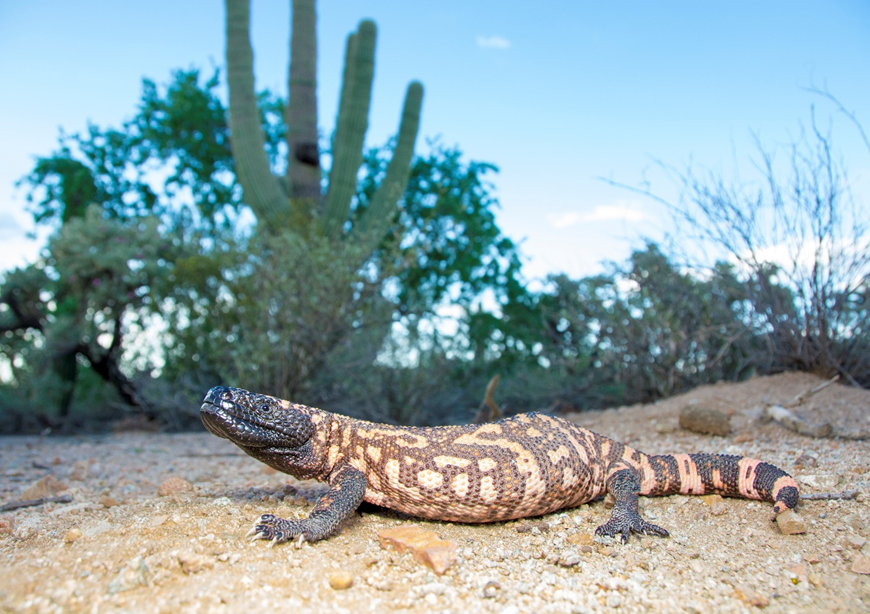
This blog post is provided by Felipe A. Toro-Cardona, Juan L. Parra and Octavio R. Rojas-Soto and tells the #StoryBehindthePaper for the paper “Predicting daily activity time through ecological niche modeling and microclimatic data”, which was recently published in Journal of Animal Ecology. In their paper they explore how the Gila monster’s daily activity is impacted by microclimate, and find that daily activity varies between seasons, … Continue reading Using microclimatic data and niche modeling to predict the daily activity of a desert lizard

What makes an urban bird?

This blog post is provided by Jenny Ouyang and tells the #StoryBehindthePaper for the paper “Changes in the rearing environment cause reorganization of molecular networks associated with DNA methylation”, which was recently published in Journal of Animal Ecology. In their paper they explore the impact of urbanisation on DNA methylation in young birds. Urbanization is one of the most prevailing forms of habitat change, causing … Continue reading What makes an urban bird?

Combined analysis of primate and parasite traits reveals new insights on ecological networks

This blog post is provided by James Herrera, Ph.D., Duke Lemur Center SAVA Conservation Initiative and tells the #StoryBehindthePaper for the paper “Predicting primate-parasite associations using exponentional random graph models”, which was recently published in Journal of Animal Ecology. In their paper they show that large primates in warm climates and sharing the same biogeographic region have more parasites than small species in cool, dry climates. … Continue reading Combined analysis of primate and parasite traits reveals new insights on ecological networks

陆生生态系统垂直维度中的生态格局与过程

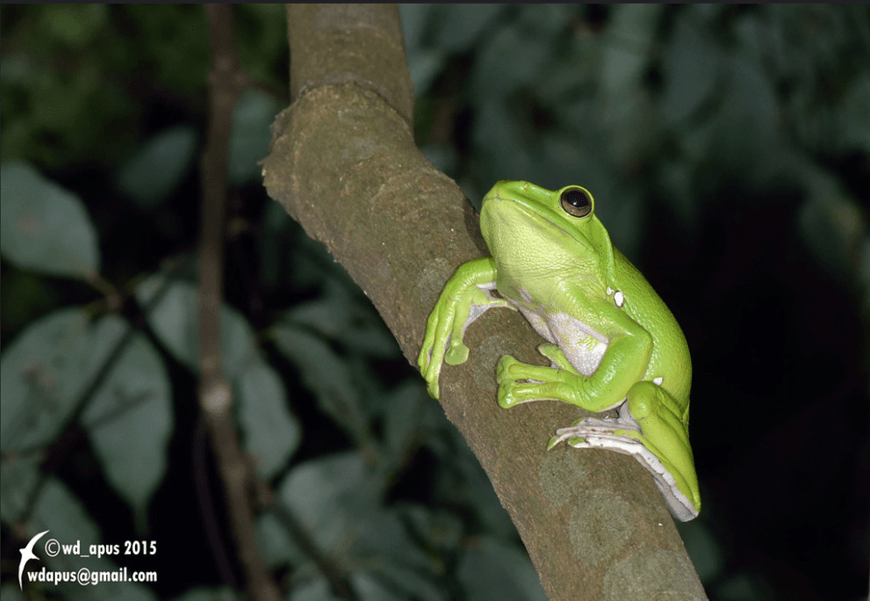
这篇博文由邢爽提供,讲述了其最近发表在《Journal of Animal Ecology》上的论文“Ecological patterns and processes in the vertical dimension of terrestrial ecosystems” #文章背后的故事。在这篇论文中,作者们探讨了森林中从地面到林冠所呈现的生态格局。 Read the blog in English here. 陆生植被所形成的垂直结构为生物多样性的发生、扩散和繁衍提供了重要的栖息地。从地面到林冠,食物资源,微气候与栖息地结构的变化在较短的空间距离上形成了复杂的环境梯度组合。在这篇综述里,我们探讨总结了垂直维度如何成为森林物种生态进化的重要驱动力,并如何在大的空间和时间尺度上塑造了生物地理格局。 垂直维度中的生态格局 在不同类群和生态系统中,森林生态系统都是一个三维的空间系统,支持物种在水平和垂直空间中移动、调整并选择他们最适合的微生境。树冠和枝叶的形态结构与树的高度共同为树栖生物提供了具有高度异质性的垂直环境 (图一)。同时,不同林层及从地面到林冠的垂直距离塑造了气候梯度。总体上,林冠的微气候相比于林下更加干燥、温暖和多变。因此,树栖物种的分布并不均匀,在不同动物类群中展现出垂直分层格局。在垂直梯度下的微气候、食物资源和植被结构及其交互作用的变化共同影响了物种的垂直分布,并可能进一步在大空间尺度上塑造物种分布格局。与此同时,物种的垂直分布也由于关键环境因素和自身生活史的影响从日间到年间在不同时间尺度上发生变化。除此之外,物种的垂直生态位也会受到包括同一营养级之间的竞争,及跨营养级的寄生、捕食、植食、传粉和食果等物种间相互作用的限制。 垂直维度中的生态机制 物种为适应不同垂直分层的生存环境形成了多种机制。我们将这些适应机制归纳为以下三类:气候适应、扩散能力和特化的生活史 (图二)。随着从地面到林冠的微气候变化,生物的生理、形态和行为会随之变化以适应环境。比如,相较于地面栖息的物种,林冠物种趋向有较广的生理耐受度。并且与气候适应相关的形态特征,比如体型和体色,也在一些动物类群(如:蚁类和蛙类)中呈现出了垂直差异性。为了克服在垂直方向移动的挑战,许多树栖动物演化出了包括飞行、降落和滑翔等在空中移动的行为。一些哺乳动物和爬行类如毛耳飞鼠(Belomys pearsonii Gray,见图三)和金花蛇(Chrysopelea ornate,见图四)利用滑翔在树冠间移动。而对于像大树蛙Rhacophorus dennysi (见图五)这样的树栖蛙类,趾端的吸盘结构可以帮助它们抓握和附着于光滑的叶片和树枝表面。一些物种在其生活史中,会通过在地面和林冠之间 “迁移”来利用垂直结构中不同的微生境和微气候条件。 未来研究方向 我们鼓励生态学家们关注和投入到对于生态系统多维度性的研究中,并围绕垂直维度来验证生态学理论。我们建议唯有在水平维度之上加以对垂直维度中的格局,过程和机制的思考,才能全面的了解物种分布形成的机制以及物种将如何应对全球变化。 关于作者 我是来自中山大学的助理教授邢爽。我研究物种和生态网络对环境变化的响应。我的研究致力于理解物种和生态系统在气候变化,森林丧失和野生动物贸易等综合威胁下的脆弱性。 Twitter账号:@ShannonXing Continue reading 陆生生态系统垂直维度中的生态格局与过程

Ecological patterns and processes in the vertical dimension of terrestrial ecosystems

This blog post is provided by Shuang Xing and tells the #StoryBehindthePaper for the paper “Ecological patterns and processes in the vertical dimension of terrestrial ecosystems”, which was recently published in Journal of Animal Ecology. In their paper they explore how forests show ecological patterns from forest floor to canopy. 请在此阅读中文版的博文 The vertical structures of terrestrial vegetation provide important habitats for diverse forms of life to … Continue reading Ecological patterns and processes in the vertical dimension of terrestrial ecosystems

Ants don’t change their behavior to avoid sublethal warming

This blog post is provided by Elsa Youngsteadt and tells the #StoryBehindthePaper for the paper “Can behavior and physiology mitigate effects of warming on ectotherms? A test in urban ants”, which was recently published in Journal of Animal Ecology. In their paper they explore how ants might react to climate change, and whether they can adapt their behaviour to new conditions. Spring flowers are bursting earlier, … Continue reading Ants don’t change their behavior to avoid sublethal warming

Sistēmiskie patogēni un koinfekcijas ir saistītas ar izmaiņām rūsgano mežstrupastu zarnu mikrobiotā

Šī bloga ieraksta autore ir Ilze Brila, un tas ir stāsts par (#StoryBehindthePaper) publikāciju “Idiosyncratic effects of coinfection on the association between systemic pathogens and the gut microbiota of a wild rodent, the bank vole (Myodes glareolus”, kas nesen publicēts žurnālā Journal of Animal Ecology. Publikācijas autori pēta kā patogēnu infekcijas un koinfekcijas ietekmē rūsgano mežstrupastu zarnu mikrobiotu. Read the blog in English here Zarnu mikrobiota … Continue reading Sistēmiskie patogēni un koinfekcijas ir saistītas ar izmaiņām rūsgano mežstrupastu zarnu mikrobiotā

Systemic pathogens and coinfection associate with changes in the gut microbiota of bank voles 

This blog post is provided by Ilze Brila and tells the #StoryBehindthePaper for the paper “Idiosyncratic effects of coinfection on the association between systemic pathogens and the gut microbiota of a wild rodent, the bank vole (Myodes glareolus”, which was recently published in Journal of Animal Ecology. In their paper they explore how coinfection of pathogens impact the microbiota of bank voles. Bloga ierakstu angliski iespējams … Continue reading Systemic pathogens and coinfection associate with changes in the gut microbiota of bank voles