Research gaps in Animal Social Network Analysis

Post provided by Damien Farine, Sebastian Sosa, David Jacoby, Mathieu Lihoreau and Cédric Sueur Here at Methods in Ecology & Evolution and the Journal of Animal Ecology we are excited by the new directions that the next decade of research into animal social networks will bring. We hope to encourage new advances in the study of animal social networks by calling for high-quality papers for … Continue reading Research gaps in Animal Social Network Analysis

The baboons of Amboseli

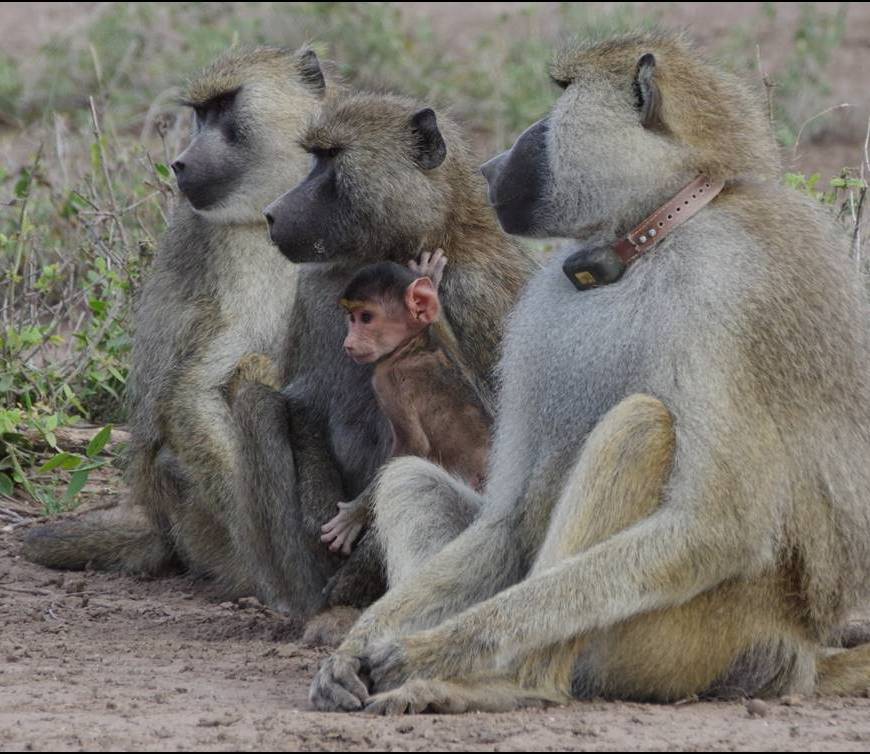
Founded in 1971, the Amboseli Baboon Project is one of the longest-running studies of wild primates in the world. The project centres on the savannah baboon, Papio cynocephalus that lives in the Amboseli basin of southern Kenya and tracks hundreds of known individuals in several social groups over the course of their entire lives. With over 40 years of data, the project can answer questions … Continue reading The baboons of Amboseli

Meet the Blog Editor: Sarah Marley

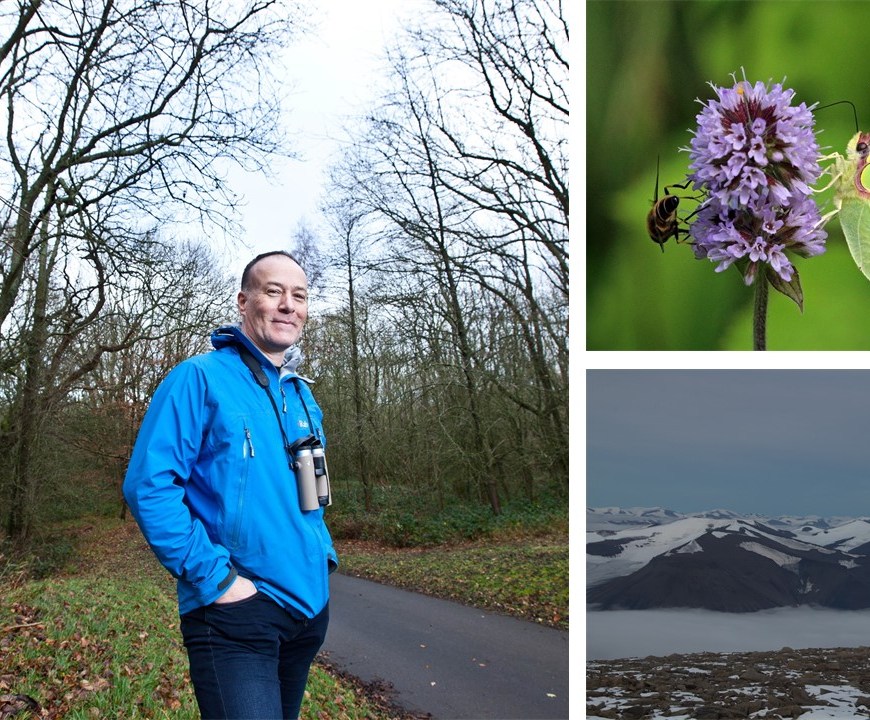
Next up in our Meet the Editor series is our Blog Editor Sarah Marley, marine biologist and fan of ancient woodlands. Catch Sarah at any of the breaks at the British Ecological Society Annual Meeting or during the Nature and Humans session on Tuesday morning (Hall 5). What can you tell us about the first paper you published? My first publication was based on my … Continue reading Meet the Blog Editor: Sarah Marley

Speed Review at the BES Annual Meeting: Get a Senior Editor Opinions on YOUR Manuscript

Coming to the BES Annual Meeting? Planning to submit a paper to a BES journal? Then you should sign up for the Speed Review Session on Monday 17 December, sign-up sheets will be on the BES Stand in the Exhibition Hall! What is a Speed Review Session? Essentially, the Speed Review session is a chance for you to get a Senior Editor’s opinion on your … Continue reading Speed Review at the BES Annual Meeting: Get a Senior Editor Opinions on YOUR Manuscript

Meet the Editor: Jean-Michel Gaillard

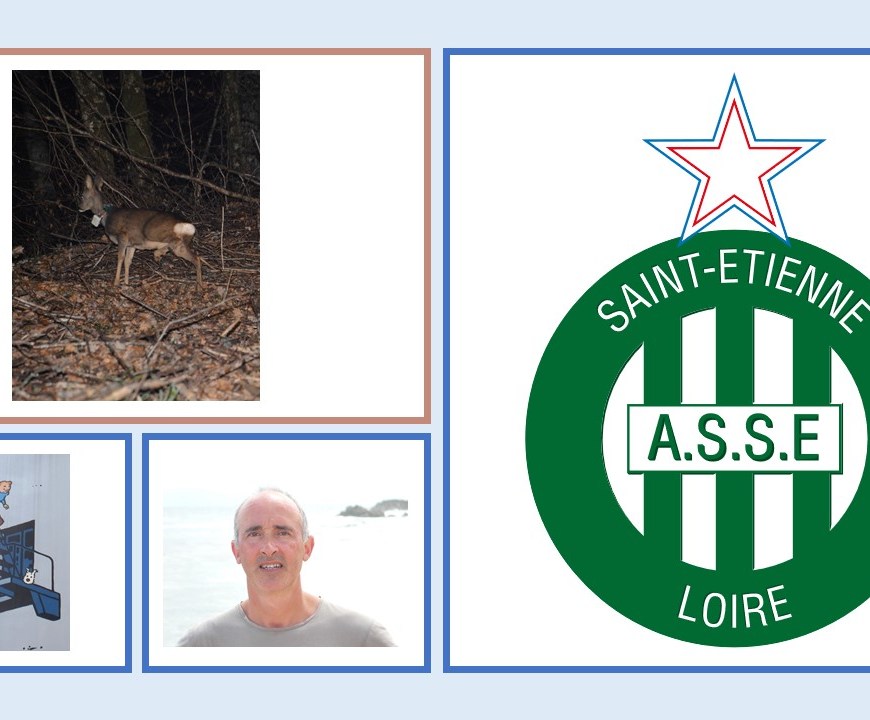
Next up in our new Meet the Editor series is AS Saint-Etienne and Tintin fan Jean-Michel Gaillard. You can catch Jean-Michel over lunch at British Ecological Society Annual Meeting.     What can you tell us about the first paper you published? This paper, published in Canadian Journal of Zoology in 1986, was not really in line with my research themes. I acted as a … Continue reading Meet the Editor: Jean-Michel Gaillard

Meet the Editor: Ken Wilson

Next up in our new Meet the Editor series is Liverpool FC fan and Executive Editor Ken Wilson. Find out who Ken would like to join his lab and where you can catchup with him at this year’s British Ecological Society Annual Meeting. What can you tell us about the first paper you published? It was published in Animal Behaviour and it came from my … Continue reading Meet the Editor: Ken Wilson

Making the most of #BES2018 – Highlights of events to make you a teaching pro!

It can be tricky being an academic, managing so many competing demands can mean that we might struggle to find time to be a great teacher as well as carrying out our research. With the release of the packed programme for the BES Annual Meeting, now is a great time to start thinking about how you might be able to fit in a few events … Continue reading Making the most of #BES2018 – Highlights of events to make you a teaching pro!

Meet the Editor: Ben Sheldon

Ahead of this year’s British Ecological Society Annual Meeting, where you have a chance to meet our Senior Editors, we thought it would be good to get to know the people behind the decision letters. First up is Ben Sheldon. What can you tell us about the first paper you published? Sheldon and Duckworth (1990) Rediscovery of the Madagascar Serpent Eagle. Bull Brit. Orn. Club. … Continue reading Meet the Editor: Ben Sheldon

Diversity in Peer review – the perspective of Journal of Animal Ecology Associate Editors

Fitting with our theme of #DiversityinEcology the theme of peer review week 2018 is diversity in peer review. To celebrate we decided to ask the people at the coalface of delivering the peer review process, our Associate Editors, why diversity in peer review is so important. At JAE our committed team of Associate Editors are responsible for selecting and inviting reviewers and subsequently evaluating the … Continue reading Diversity in Peer review – the perspective of Journal of Animal Ecology Associate Editors

Why island birds sometimes move in with strangers

In many animal species, young stay with their parents long after they have become sexually mature. Why individuals delay dispersal and independent breeding is an interesting question from an evolutionary viewpoint because individuals are expected to pass on as many genes as possible to future generations. In the Seychelles warbler, a group-living species, opportunities for independent breeding are limited, and dispersal attempts can be seen … Continue reading Why island birds sometimes move in with strangers