Environmental phenology drives spring migration timing 

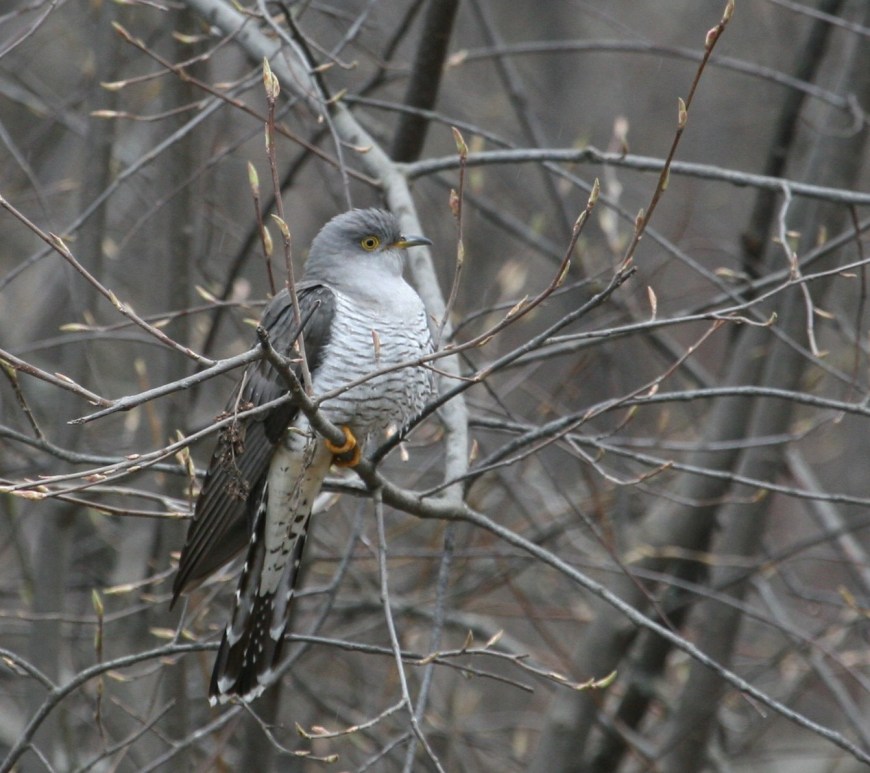
This blog post is provided by Oleg Bourski and tells the #StoryBehindThePaper for the article “Environmental phenology drives spring migration timing“, which was recently published in Journal of Animal Ecology. This study utilises long-term bird arrival data in central Siberia to demonstrate the effectiveness of utilising the environmental phenology index to predict arrival dates. In the context of increasing global warming, it is important to … Continue reading Environmental phenology drives spring migration timing 

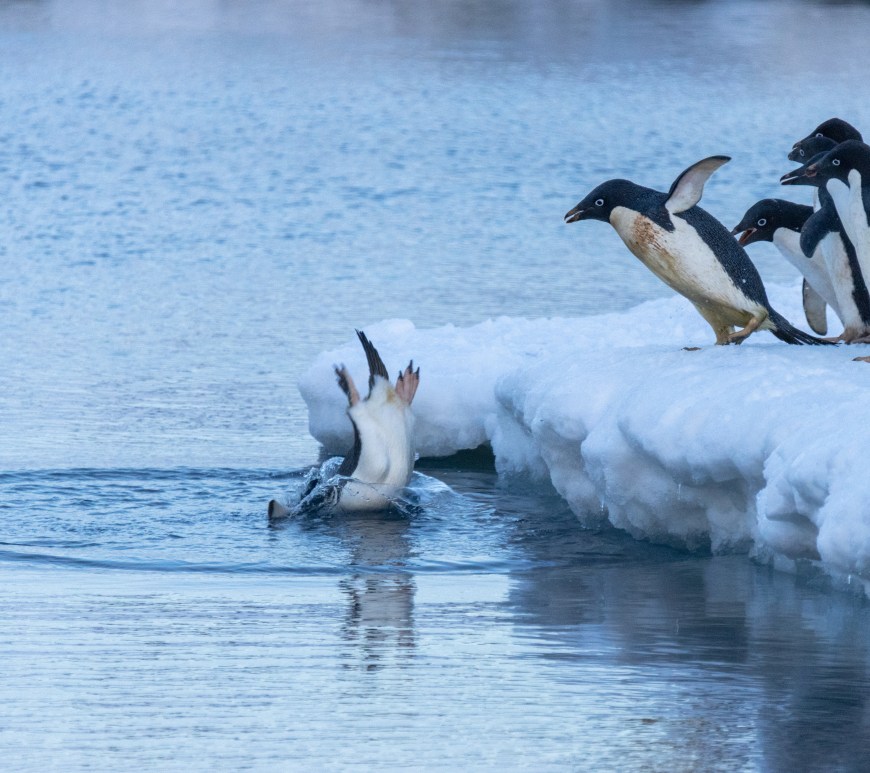
Diving into a Quarter-Century of  Penguin Energetics

This blog post is provided by Benjamin Dupuis and tells the #StoryBehindThePaper for the article “Energetics link long-term environmental variations to breeding success in a wild penguin population“, which was recently published in Journal of Animal Ecology. This study used long-term bio-logging data to examine how individual responses to environmental variation affect Adélie penguin population dynamics. For the majority of time since humans have tried … Continue reading Diving into a Quarter-Century of  Penguin Energetics

Showcasing equitable collaborations at BES 2025

This blog post is provided by Rowan Kuminski (Associate Blog Editor, Journal of Animal Ecology) and features the work of three presenters at BES 2025 who are taking steps to form equitable collaborations in the field of ecology. This year BES (British Ecological Society) 2025 took place in Edinburgh from 15-18 December, and demonstrated a fantastic breadth of research being done in the field of … Continue reading Showcasing equitable collaborations at BES 2025

Cuando la muerte toca tierra: cómo las carroñas de carnívoros y herbívoros modelan los suelos mediterráneos

Esta entrada de blog está escrita por Adrián Colino Barea y cuenta la #StoryBehindThePaper del artículo “Herbivore and mesocarnivore carcasses trigger divergent short-term changes in soil properties“, publicado recientemente en Journal of Animal Ecology. Este estudio exploró las diferencias en la actividad de los carroñeros y en las propiedades del suelo en cadáveres de mesocarnívoros y herbívoros. Amanece en el Parque Regional de Sierra Espuña … Continue reading Cuando la muerte toca tierra: cómo las carroñas de carnívoros y herbívoros modelan los suelos mediterráneos

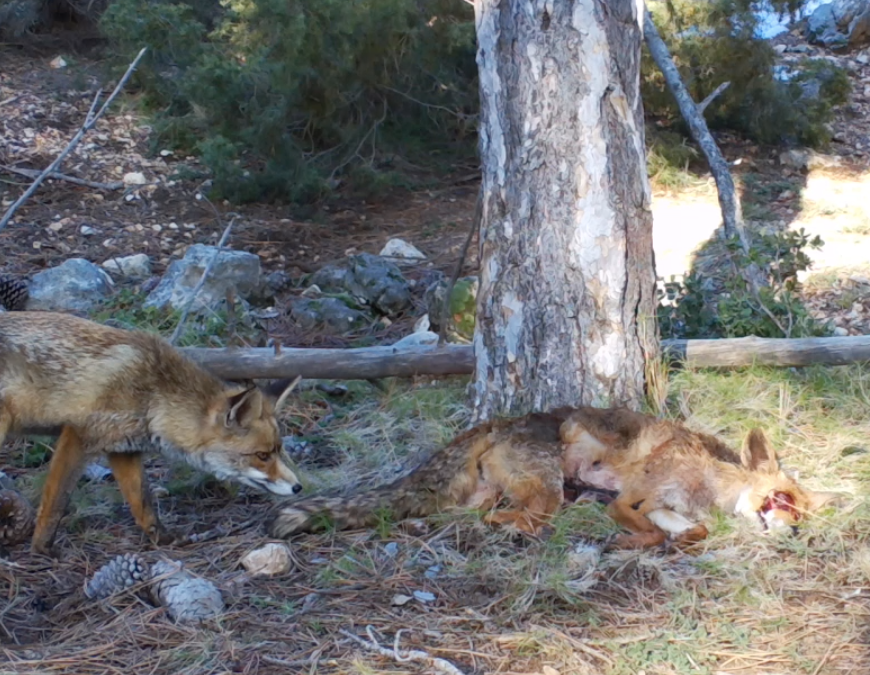
When death hits the ground: How carnivore and herbivore carcasses shape Mediterranean soils

This blog post is provided by Adrián Colino Barea and tells the #StoryBehindThePaper for the article “Herbivore and mesocarnivore carcasses trigger divergent short-term changes in soil properties“, which was recently published in Journal of Animal Ecology. This study explored the differences in scavenger activity and soil properties at mesocarnivore and herbivore carcasses. At dawn in Sierra Espuña Regional Park (Murcia, Spain), the landscape feels austere … Continue reading When death hits the ground: How carnivore and herbivore carcasses shape Mediterranean soils

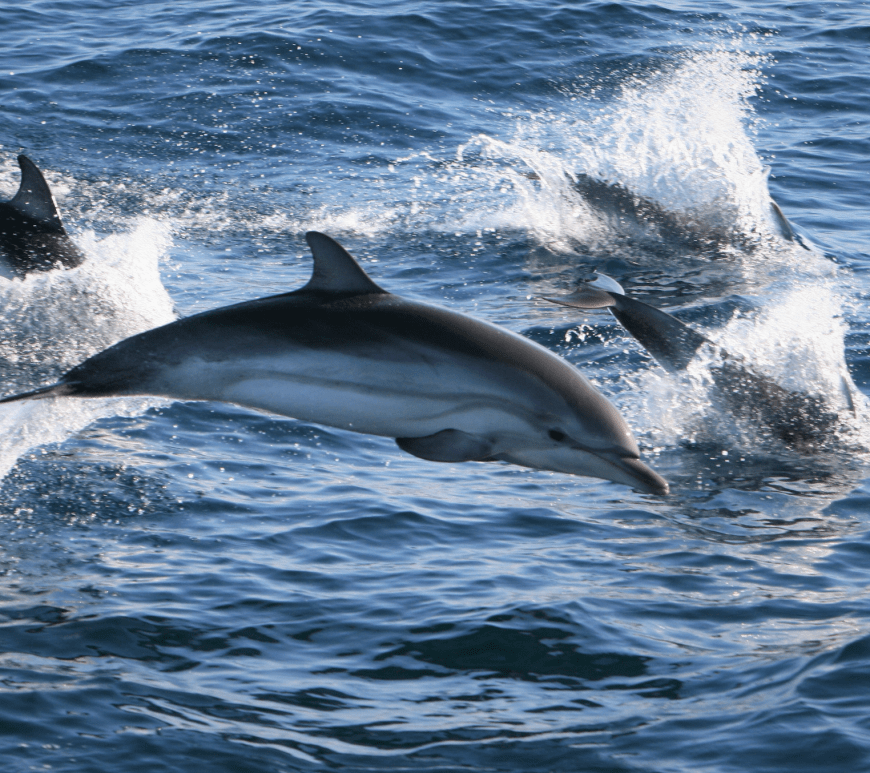
More Than Hitchhikers: How Epibiotic Crustaceans Help Monitor Dolphin Morbillivirus Epidemics

This blog post is provided by Sofía Ten and Francisco Javier Aznar, and tells the #StoryBehindThePaper for the article “Long-term trends of epibionts reflect Mediterranean striped dolphin abundance shifts caused by morbillivirus epidemics”, which was recently published in the Journal of Animal Ecology. This study explores the epidemiology of dolphin morbillivirus (DMV) and the potential of epibiotic crustaceans to indicate shifts in striped dolphin population abundance … Continue reading More Than Hitchhikers: How Epibiotic Crustaceans Help Monitor Dolphin Morbillivirus Epidemics

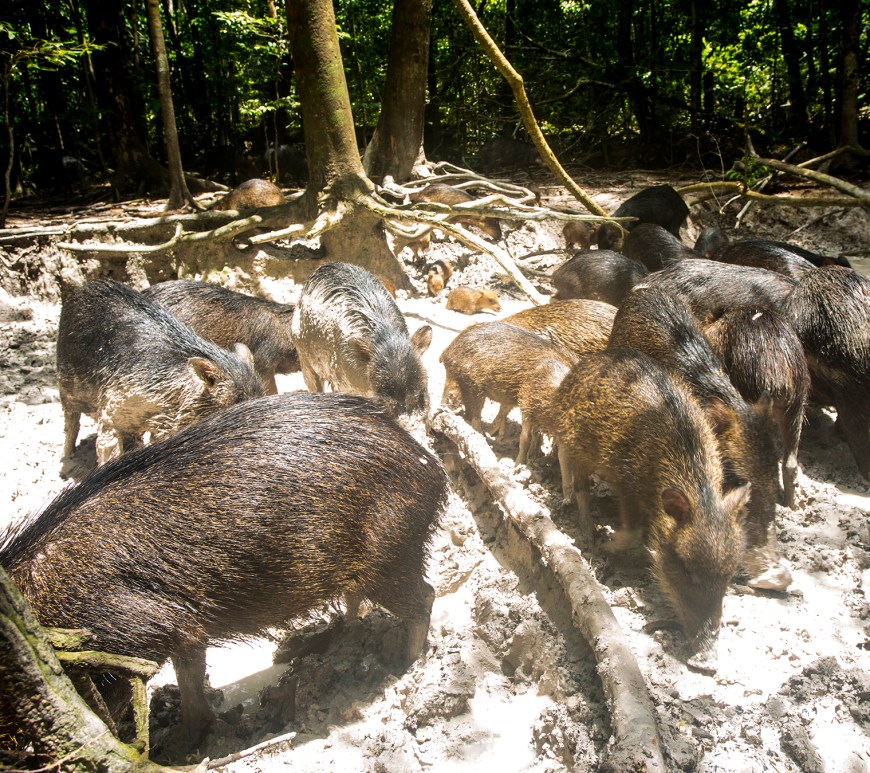
From above to below: how large herbivores affect forests soils

This blog post is provided by Letícia Gonçalves Ribeiro and tells the #StoryBehindThePaper for the article “Belowground effects of ground-dwelling large herbivores in forest ecosystems“, which was recently published in Journal of Animal Ecology. This study reviewed the ways that various types of herbivores affect forest soils in different contexts. A famous quote is “Seeing is believing”, but when we spot a deer or a … Continue reading From above to below: how large herbivores affect forests soils

How Co-BreeD can change how we see cooperation in animals

This blog post is provided by Maike Woith and tells the #StoryBehindThePaper for the article “An integrative, peer-reviewed and open-source cooperative-breeding database (Co-BreeD)“, which was recently published in Journal of Animal Ecology. This publication presents the Co-BreeD database, a collaborative tool for studying cooperative breeding across mammals and birds. From wild dogs to warblers, animals across the globe share the work of raising young. But … Continue reading How Co-BreeD can change how we see cooperation in animals

Mountain living shapes reproductive demography

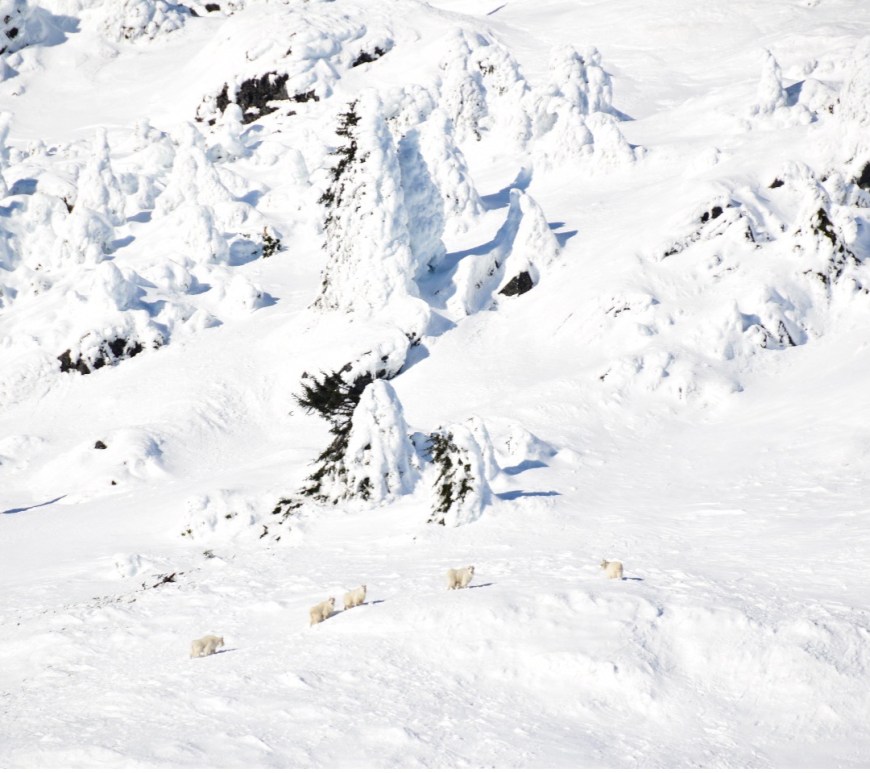
This blog post is provided by Kevin White and tells the #StoryBehindThePaper for the article “Life-history trade-offs and environmental variability shape reproductive demography in a mountain ungulate“, which was recently published in Journal of Animal Ecology. This study explored how life-history trade-offs and environmental variability influence demography of mountain goats in extreme environments. Living on a steep mountainside, blanketed in snow nine months of the … Continue reading Mountain living shapes reproductive demography

How a remote oil rig can tell us more about hoverflies

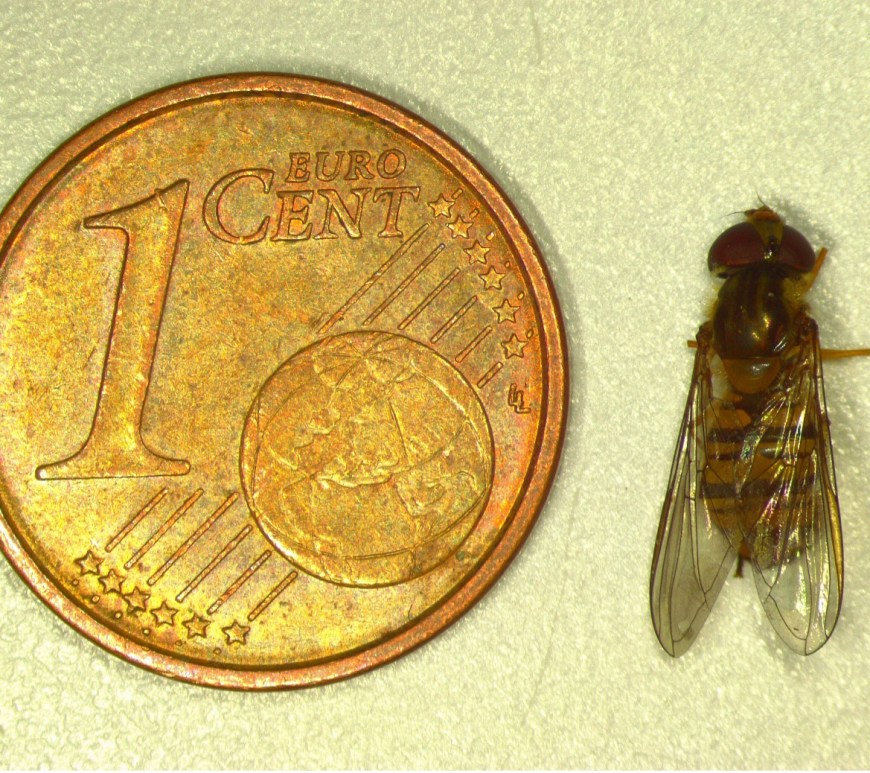
This blog post is provided by Oliver M. Poole and tells the #StoryBehindThePaper for the article “Long-range pollen transport across the North Sea: Insights from migratory hoverflies landing on a remote oil rig”, which was recently published in Journal of Animal Ecology. This study utilised samples from an oil rig operator to determine migratory movements of hoverflies and the pollen they transport across the North … Continue reading How a remote oil rig can tell us more about hoverflies