Uncovering climate and land-use impacts on Wisconsin’s common loons

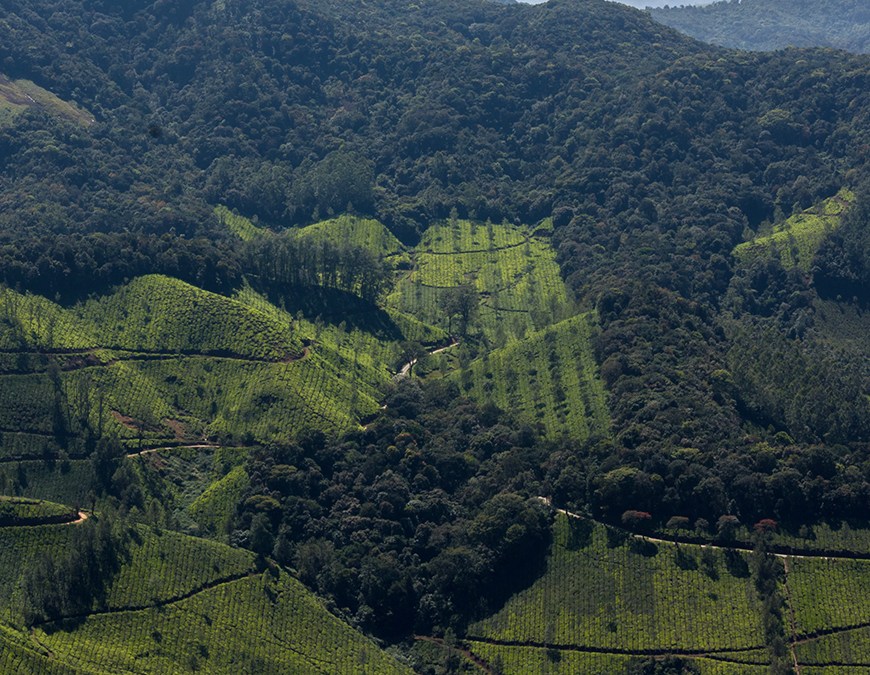
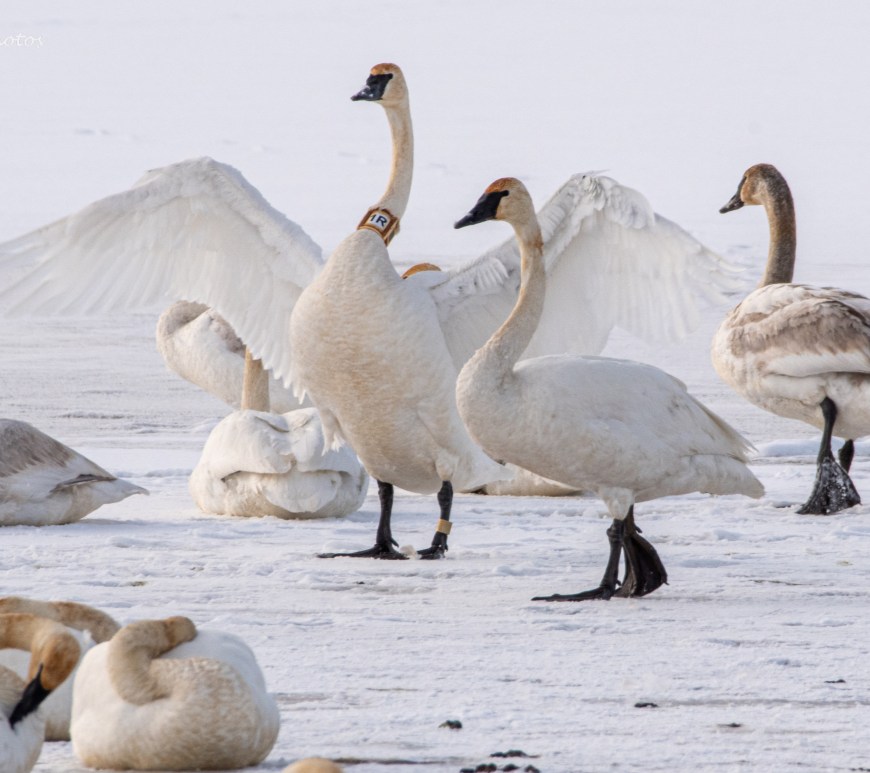
This blog post is provided by Walter Piper and Sarah Saunders and tells the #StoryBehindThePaper for the article “Interrelated impacts of climate and land-use change on a widespread waterbird“, which was recently published in Journal of Animal Ecology. Loon capture is a peculiar annual ritual. Working from dusk until dawn, three members of the research team set out in a 12-foot motorboat to scour the surface of Wisconsin … Continue reading Uncovering climate and land-use impacts on Wisconsin’s common loons

Ecosystem restoration – insights from theory

This blog post is provided by Klementyna Gawecka and tells the #StoryBehindThePaper for the paper “Habitat restoration in spatially explicit metacommunity models“, which was recently published in Journal of Animal Ecology. Healthy ecosystems are vital for supporting the great diversity of life on Earth and providing us, humans, with benefits such as clean water, flood mitigation or recreation. But our activities, such as pollution, overexploitation or clearing … Continue reading Ecosystem restoration – insights from theory

Devil in a blue dress: colour morph affects fitness in Arctic foxes

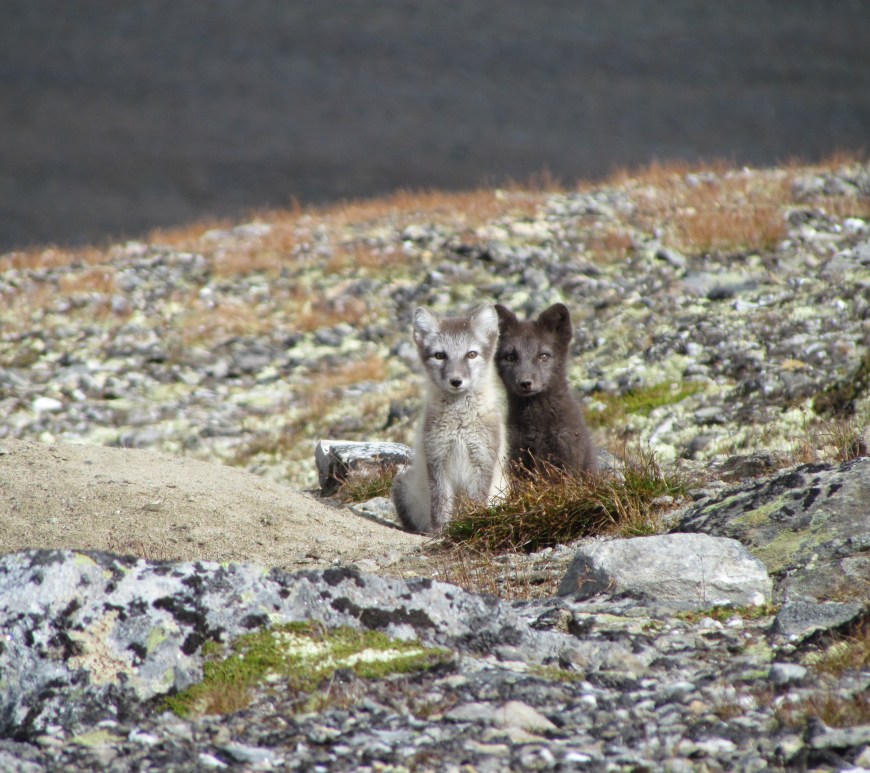
This blog post is provided by Cecilia Di Bernardi and tells the #StoryBehindThePaper for the article “Fitness and fur colouration – testing the camouflage and thermoregulation hypotheses in an Arctic mammal“, which was recently published in Journal of Animal Ecology. Living in extreme environments leads to a wide range of adaptations in Arctic and alpine animals, which have drawn scientists’ attention and fascination for a … Continue reading Devil in a blue dress: colour morph affects fitness in Arctic foxes

A “How-to” Guide for Interpreting Parameters in Habitat-Selection Analyses

This blog post is provided by John Fieberg, Johannes Signer, Brian Smith and Tal Avgar and tells the “StoryBehindthePaper for the article “A ‘How-to’ Guide for Interpreting Parameters in Habitat-Selection Analyses”, which was recently published in Journal of Animal Ecology. John Fieberg (University of Minnesota), Johannes Signer (University of Goettingen), and Tal Avgar (Utah State University) teach quantitative courses at their institutions and have also … Continue reading A “How-to” Guide for Interpreting Parameters in Habitat-Selection Analyses

Sexual Selection and Personality in Red Junglefowl

This blog post is provided by Allison M. Roth and tells the #StoryBehindThePaper for the article “Sexual selection and personality: Individual and group‐level effects on mating behavior in red junglefowl“, which was recently published in Journal of Animal Ecology. Over the past two decades, behavioral ecologists have become increasingly interested in consistent between-individual differences in behavior, otherwise known as “animal personality”. It is, however, unclear why such between-individual … Continue reading Sexual Selection and Personality in Red Junglefowl

Disentangling temporal food web structure

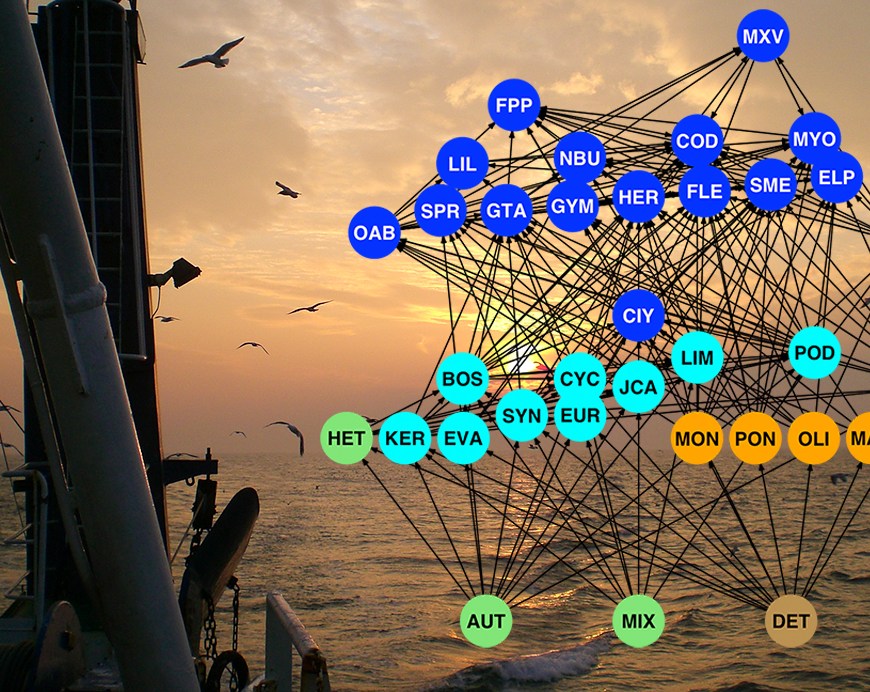
This blog post is provided by Susanne Kortsch, Romain Frelat, Ivars Putnis, and Marie Nordström and tells the #StoryBehindThePaper for their article ‘Disentangling temporal food web dynamics facilitates understanding of ecosystem functioning’, which was recently published in the Journal of Animal Ecology. Communities are organized into consumer networks, or food webs, describing who eats whom. Food webs provide the “energetic” backbones of ecosystems and are essential … Continue reading Disentangling temporal food web structure

Take Cover: Even a post-fire specialist needs a break from the burn for part of its life cycle

This blog post is provided by Meredith Walker, Communications Specialist at The Institute for Bird Populations, and tells the #StoryBehindThePaper for the article “Juvenile survival of a burned forest specialist in response to variation in fire characteristics“, led by Andrew Stillman, which was recently published in Journal of Animal Ecology. When Andrew Stillman and field crews from The Institute for Bird Populations (IBP) tagged fledgling … Continue reading Take Cover: Even a post-fire specialist needs a break from the burn for part of its life cycle

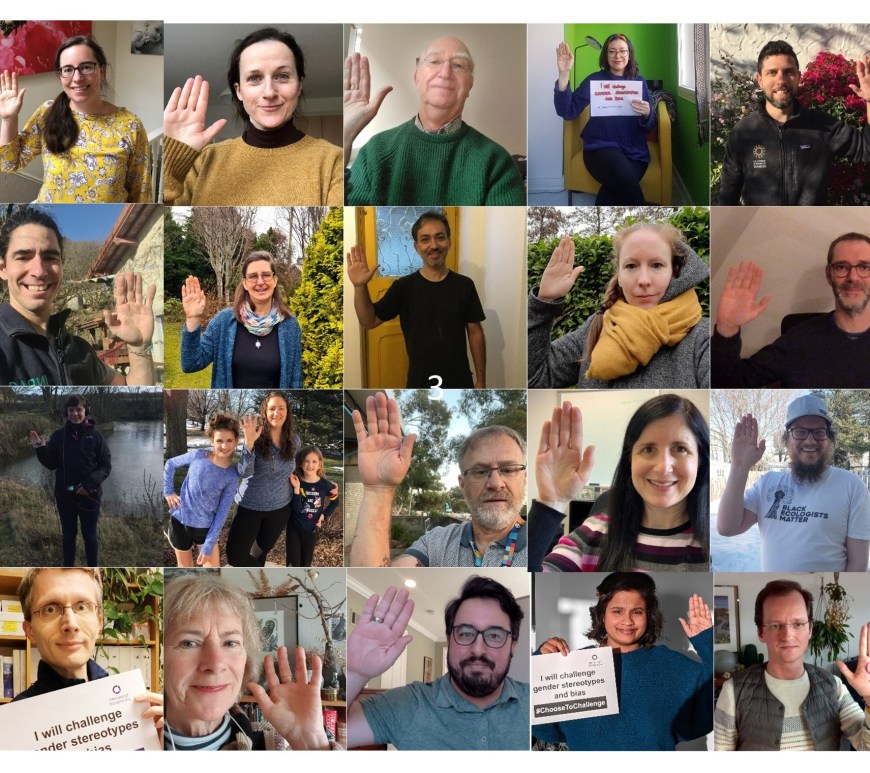
International Women’s Day 2021: #ChooseToChallenge

Originally posted on The Applied Ecologist:
The theme for International Women’s Day 2021 is #ChooseToChallenge. “A challenged world is an alert world. Individually, we’re all responsible for our own thoughts and actions – all day, every day. We can all choose to challenge and call out gender bias and inequality. We can all choose to seek out and celebrate women’s achievements. Collectively, we can all… Continue reading International Women’s Day 2021: #ChooseToChallenge

EL VIAJE DE UN AVE MIGRATORIA DESDE LOS ANDES DE COLOMBIA A NORTE AMÉRICA: ¿SALIR TEMPRANO Y TOMARLO CON CALMA O SALIR MAS TARDE Y MIGRAR RÁPIDO?

This blog post is provided by Ana M Gonzalaez and is the Spanish version of the #StoryBehindThePaper for the article “Earlier and slower or later and faster: Spring migration pace linked to departure time in a Neotropical migrant songbird” which was recently published in Journal of Animal Ecology.  You can find the English version here. Este blog fue escrito por Ana M. González y cuenta la … Continue reading EL VIAJE DE UN AVE MIGRATORIA DESDE LOS ANDES DE COLOMBIA A NORTE AMÉRICA: ¿SALIR TEMPRANO Y TOMARLO CON CALMA O SALIR MAS TARDE Y MIGRAR RÁPIDO?

Catching the parasite: three-spined sticklebacks eat trematode free-living stages

This blog post is provided by Ana Born-Torrijos and Miroslava Soldánová and tells the #StoryBehindThePaper for their article “Cercarial behaviour alters the consumer functional response of three-spined sticklebacks“, which was recently published in Journal of Animal Ecology. When we see a small fish swimming about in a lake, we might assume they are searching for something to eat, perhaps some copepods, cladocerans or ostracods. What … Continue reading Catching the parasite: three-spined sticklebacks eat trematode free-living stages