To migrate, or not to migrate, that is the question.

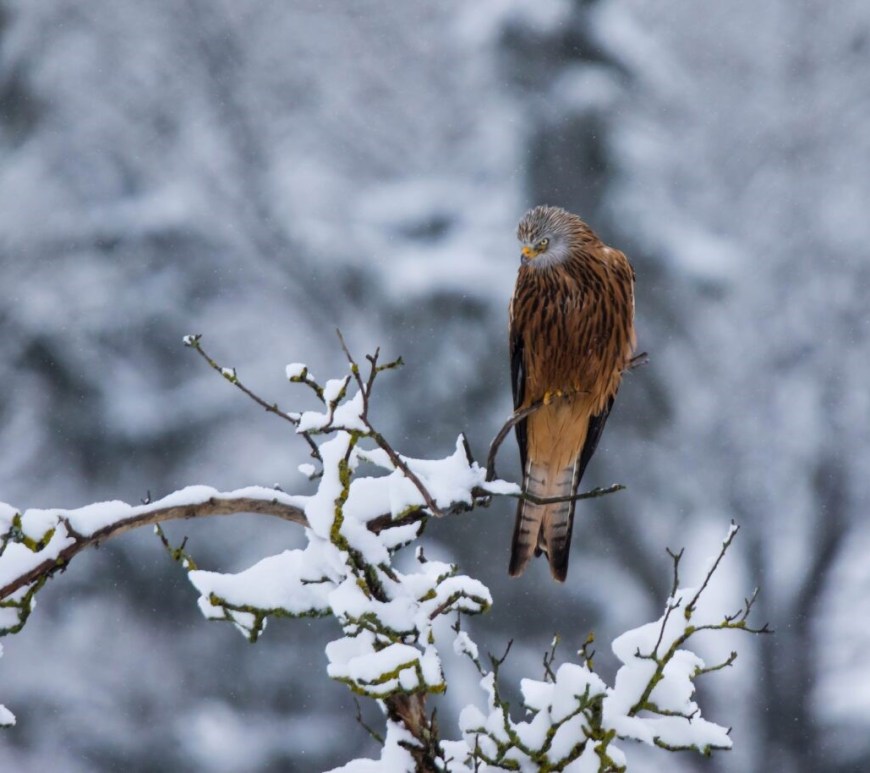
This blog post is provided by Stephanie Witczak and tells the #StoryBehindThePaper for the paper “Sex and size shape the ontogeny of partial migration” which was recently published in the Journal of Animal Ecology. With colleagues, Stephanie explores whether and how red kite migratory behaviour has changed since 2015. They find that age, sex and size all affect migration. Our questions and motivation This paper … Continue reading To migrate, or not to migrate, that is the question.

Unveiling a Toolkit to Process and Explore Animal Tracking Data

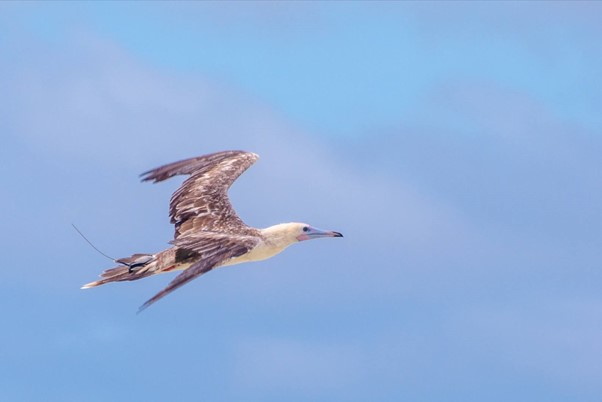
This blog post is provided by Liam Patrick Langley, Stephen Lang, Luke Ozsanlav-Harris, Alice Trevail and tells the #StoryBehindthePaper for the paper “ExMove: An open source toolkit for processing and exploring animal tracking data in R”, which was recently published in the Journal of Animal Ecology. In their paper, they present an R toolkit for cleaning and processing raw data files from animal tracking devices. … Continue reading Unveiling a Toolkit to Process and Explore Animal Tracking Data

A tale on brown sleepy lizards, yellow bananas and red cherry tomatoes

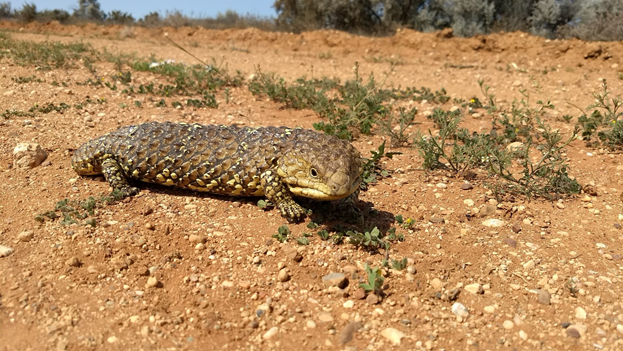
This blog post is provided by Orr Spiegel and Marcus Michelangeli and tells the #StoryBehindthePaper for the paper “Resource manipulation reveals interactive phenotype-dependent foraging in free-ranging lizards”, which was recently published in the Journal of Animal Ecology. Using bananas and tomatoes, the authors explore how the foraging behaviour of sleepy lizards in South Australia is affected by their boldness and aggressiveness behavioural type. It was … Continue reading A tale on brown sleepy lizards, yellow bananas and red cherry tomatoes

Monitoring successional appearance of dung-associated insects with environmental DNA

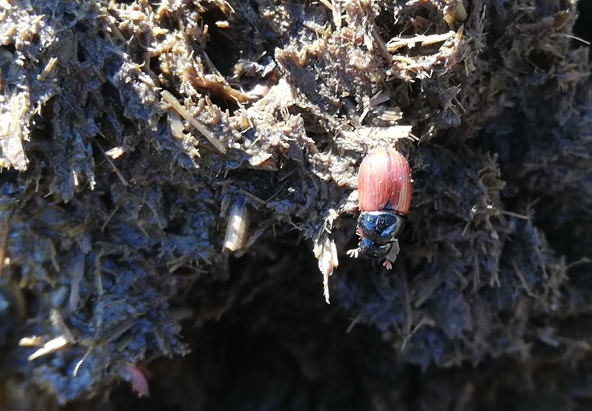
This blog post is provided by Emil Ellegaard Thomassen and Philip Francis Thomsen and tells the #StoryBehindThePaper for the paper “Environmental DNA metabarcoding reveals temporal dynamics but functional stability of arthropod communities in cattle dung” which was recently published in the Journal of Animal Ecology. In their study, they use eDNA analysis to give a detailed picture of species communities in the dung pads at … Continue reading Monitoring successional appearance of dung-associated insects with environmental DNA

Sticky post

Diversity begets stability in Atlantic rainforest stream food webs

This blog post is provided by Victor Saito and tells the #StoryBehindthePaper for the paper “Untangling the complex food webs of tropical rainforest streams”, which was recently published in the Journal of Animal Ecology. In their study, Saito and colleagues characterise the food webs of rocky streams in the Atlantic Rainforest, finding the systems to be highly complex and diverse, which results in high stability. … Continue reading Diversity begets stability in Atlantic rainforest stream food webs

Sticky post

An organismal crystal ball during marine heatwaves: Predicting death across heat doses

This blog post is provided by Andrew Villeneuve and tells the #StoryBehindThePaper for the paper „Predicting organismal response to marine heatwaves using dynamic thermal tolerance landscape models”, which was recently published in the Journal of Animal Ecology. In their paper, Villeneuve and White used mechanistic thermal death time models to understand how different marine heatwave profiles might impact species with different thermal adaptations. In their … Continue reading An organismal crystal ball during marine heatwaves: Predicting death across heat doses

The CariView Experience: Migratory caribou teach researchers where critical summer foods and habitats are located – all from the animal’s perspective

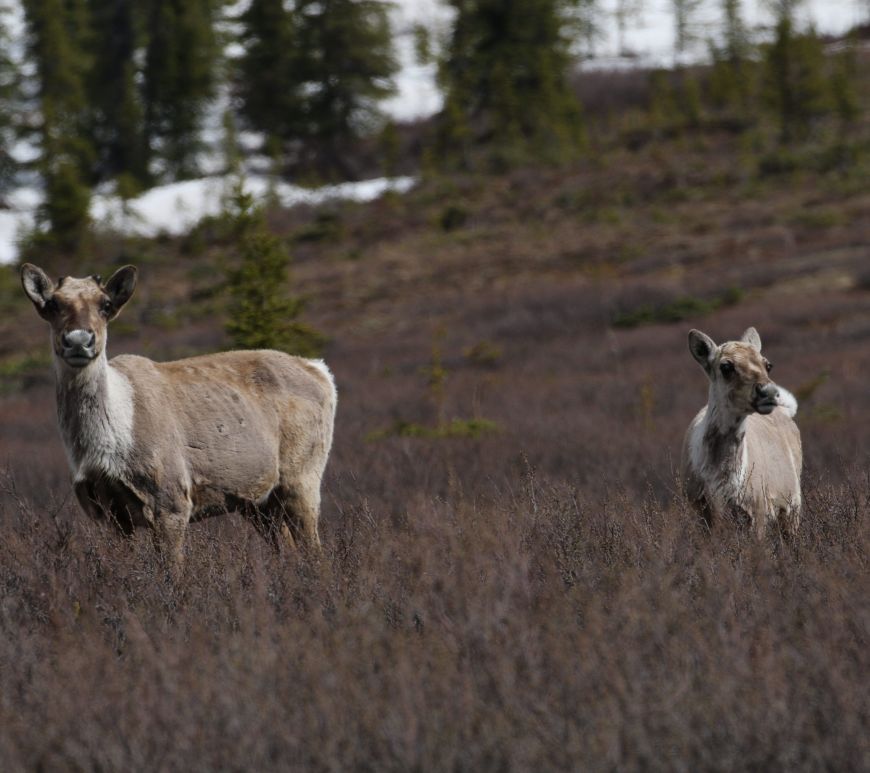
This blog post is provided by Libby Ehlers and tells the #StoryBehindthePaper for the paper “A taste of space: remote animal observations and discrete-choice models provide new insights into foraging dynamics and density for a large subarctic herbivore”, which was recently published in the Journal of Animal Ecology. In this blog post, Libby tells the story of how she and colleagues used video collars to … Continue reading The CariView Experience: Migratory caribou teach researchers where critical summer foods and habitats are located – all from the animal’s perspective

JAE Associate Editor – Blog Editor Opening (maternity cover)

The Animal Ecology in Focus blog is the widely-read blog for the Journal of Animal Ecology, which receives over 100,000 views a year. We are currently look for a second blog editor for a one-year role (maternity cover). The role takes ~2 hours per week and is unpaid, but the successful candidate will receive all of the benefits that the journal’s Associate Editors receive. We … Continue reading JAE Associate Editor – Blog Editor Opening (maternity cover)

Sticky post

Body size mediates trophic interaction strength of novel fish assemblages under climate change

This blog post is provided by Minami Sasaki, Kelsey M. Kingsbury, David J Booth and Ivan Nagelkerken and tells the #StoryBehindthePaper for the paper “Body size mediates trophic interaction strength of novel fish assemblages under climate change”, which was recently published in Journal of Animal Ecology. In their study, they investigate how fish species changing ranges and sizes due to climate change interact. They explore what happens when … Continue reading Body size mediates trophic interaction strength of novel fish assemblages under climate change

Sticky post

Estimating migration timing and abundance in partial migratory systems using automated telemetry

This blog post is provided by M. C. Dzul, W.L. Kendall, C.B. Yackulic, D.R. Van Haverbeke, P. Mackinnon, K. Young, M.J. Pillow & J. Thomas and tells the #StoryBehindThePaper for the paper „Estimating migration timing and abundance in partial migratory systems by integrating continuous antenna detections with physical captures”, which was recently published in the Journal of Animal Ecology. In their paper the authors describe … Continue reading Estimating migration timing and abundance in partial migratory systems using automated telemetry