Effects of sea temperature on wild fish behaviour

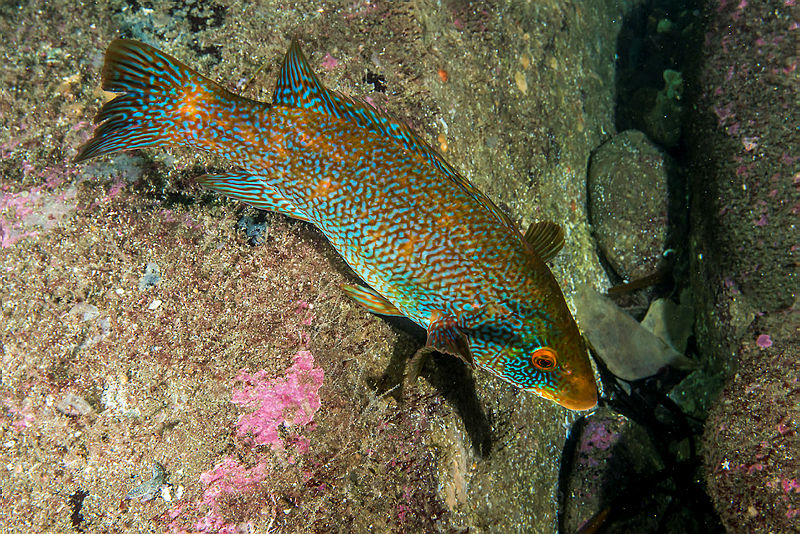
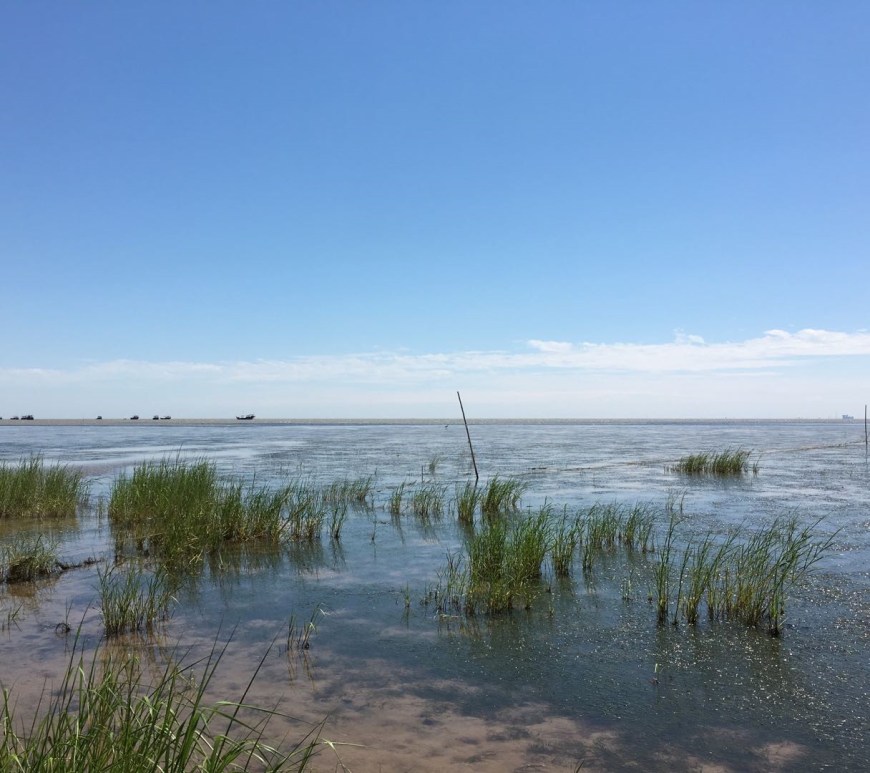
This blog post is provided by Carla Freitas, David Villegas‐Ríos, Even Moland and Esben Moland Olsen and tells the #StoryBehindThePaper for their article “Sea temperature effects on depth use and habitat selection in a marine fish community“, which was recently published in the Journal of Animal Ecology. A cod rests between two rocks at the bottom of a southern Norwegian fjord. It is a sunny summer … Continue reading Effects of sea temperature on wild fish behaviour

LET’S EAT TOGETHER: ATOMS FROM AMINO ACIDS REVEAL COMMON DOLPHINS’ FEEDING STRATEGY

This blog post is provided by Rocio Iliana Ruiz-Cooley, Tim Gerrodette and Susan Chivers and tells the #StoryBehindThePaper for the paper “Cooperative feeding in common dolphins as suggested by ontogenetic patterns in δ15N bulk and amino acids“, which was recently published in Journal of Animal Ecology. Featured image: Four short-beaked common dolphins surface to breathe, part of a group of about 250 dolphin foraging over … Continue reading LET’S EAT TOGETHER: ATOMS FROM AMINO ACIDS REVEAL COMMON DOLPHINS’ FEEDING STRATEGY

How global heating can disconnect tropical forests from freshwater ecosystems

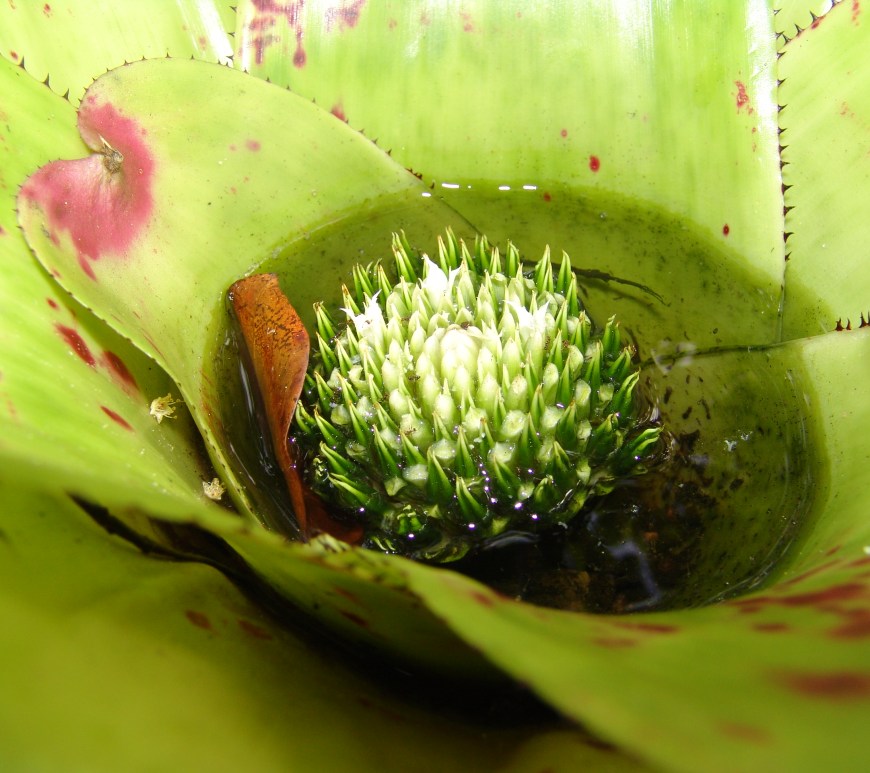
This blog post is provided by Liam Nash and tells the #StoryBehindThePaper for his article “Warming of aquatic ecosystems disrupts aquatic-terrestrial linkages in the tropics“, with co-authors Pablo Antiqueira, Gustavo Romero, Paula de Omena, and Pavel Kratina, which was recently published in the Journal of Animal Ecology. Liam is currently doing a PhD at Queen Mary University of London on aquatic-terrestrial linkages around the world. Throughout … Continue reading How global heating can disconnect tropical forests from freshwater ecosystems

The enemy of my enemy is my friend: Nematode infection of non-pollinating fig wasps in Ficus petiolaris

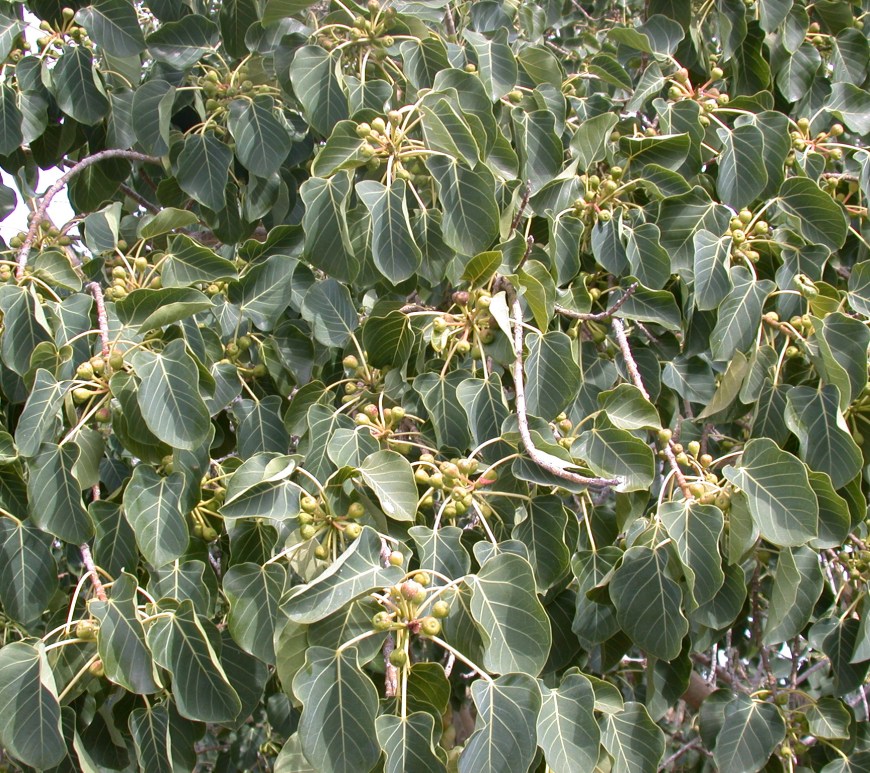
This blog post is provided by Justin Van Goor, Finn Piatscheck, Derek Houston, and John Nason and tells the #StoryBehindThePaper for their article “Differential effects of nematode infection on pollinating and non-pollinating fig wasps: can shared antagonism provide net benefits to a mutualism?“, which was recently published in the Journal of Animal Ecology. Justin Van Goor completed his PhD at Iowa State University studying fig nematodes … Continue reading The enemy of my enemy is my friend: Nematode infection of non-pollinating fig wasps in Ficus petiolaris

Testing how global warming changes freshwater communities

Elton Prize shortlisted Article This blog post is provided by Natalie T. Jones and tells the #StoryBehindThePaper for the article “Predators drive community reorganization during experimental range shifts”. Natalie has been shortlisted for the 2020 Elton Prize for this article. Natalie completed this research as a postdoctoral fellow working with Dr. Jonathan Shurin at the University of California, San Diego. She is currently a postdoctoral … Continue reading Testing how global warming changes freshwater communities

Sex matters in the race to combat climate change

This blog post is provided by Rachael Y. Dudaniec, Alexander R. Carey, Erik I. Sve­­nsson, Bengt Hansson, Chuan Ji Yong and Lesley T. Lancaster and tells the #StoryBehindThePaper for the paper ‘Latitudinal clines in sexual selection, sexual size dimorphism, and sex‐specific genetic dispersal during a poleward range expansion’, which was recently published in the Journal of Animal Ecology. As climate change is facilitating many species to … Continue reading Sex matters in the race to combat climate change

Evolution of cold tolerance and thermal plasticity in life history, behaviour and physiology during a poleward range expansion

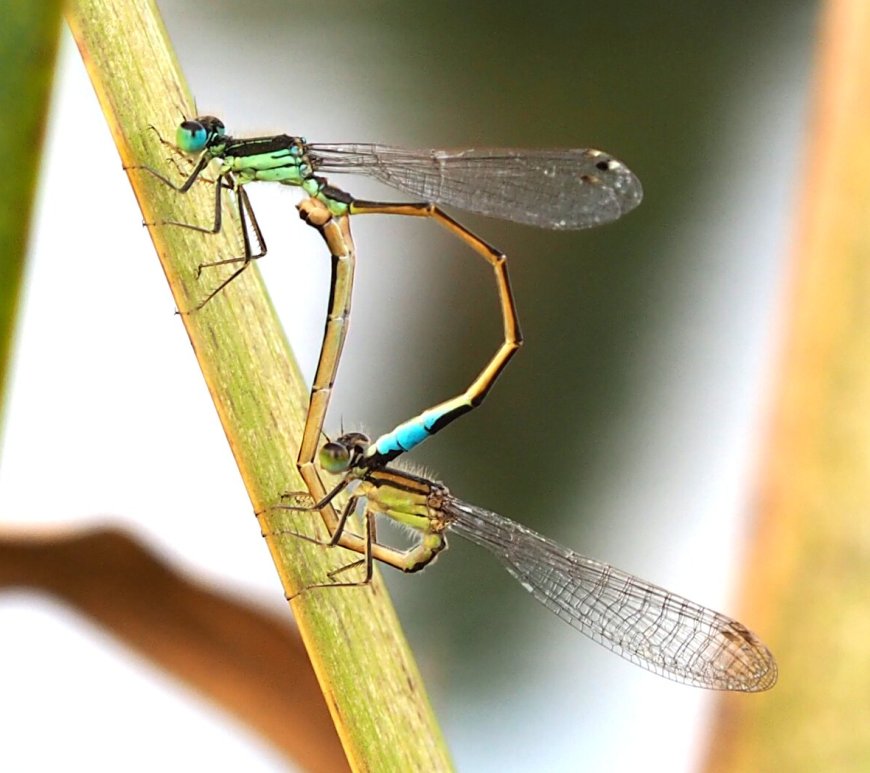
This blog post is provided by José A. Carbonell, Ying-Jie Wang & Robby Stoks and tells the #StoryBehindThePaper for the article “Evolution of cold tolerance and thermal plasticity in life history, behaviour and physiology during a poleward range expansion“, which was recently published in Journal of Animal Ecology. Many species are moving polewards due to climate change. During these expansions, species encounter novel thermal regimes … Continue reading Evolution of cold tolerance and thermal plasticity in life history, behaviour and physiology during a poleward range expansion

Why Do We Sometimes See “Random” Viral Outbreaks?

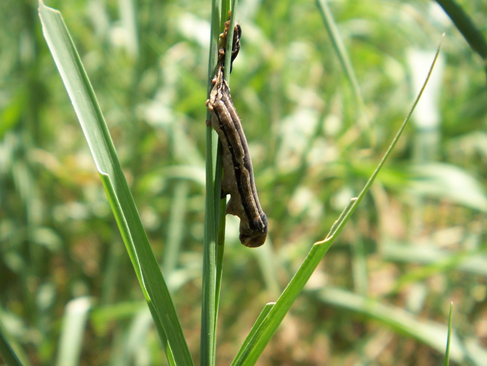
This blog post is provided by Rob Graham (@DrRIGraham) and Ken Wilson (@spodoptera007) and tells the #StoryBehindThePaper for the paper “Trans-generational viral transmission and immune priming are dose-dependent”, which was recently published in Journal of Animal Ecology. The authors found that vertical transmission of virus and priming of the immune system are both dependent on the magnitude of the viral challenge in an insect-pathogen system. … Continue reading Why Do We Sometimes See “Random” Viral Outbreaks?

Time flies: detecting seasonal declines in experimental populations of Drosophila

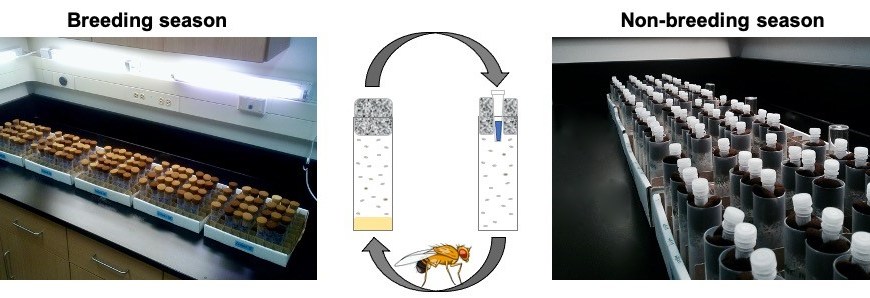
This blog post is provided by Joseph Burant and Ryan Norris and tells the #StoryBehindThePaper for the paper “Early warning indicators of population collapse in a seasonal environment“, which was recently published in Journal of Animal Ecology. In this post, Joseph Burant and Ryan Norris introduce the experiment behind their recent paper in Journal of Animal Ecology, in which they and their co-authors explore the … Continue reading Time flies: detecting seasonal declines in experimental populations of Drosophila

Daylength is an ultimate factor of migration

This blog post is provided by Ivan Pokrovsky, Andrea Kölzsch, Sherub Sherub, Wolfgang Fiedler, Peter Glazov, Olga Kulikova, Martin Wikelski and Andrea Flack and tells the #StoryBehindThePaper for the article “Longer days enable higher diurnal activity for migratory birds“, which was recently published in Journal of Animal Ecology. In general, animals attempt to live in conditions that fit them best. Species’ fitness results from a tradeoff between … Continue reading Daylength is an ultimate factor of migration