Take Cover: Even a post-fire specialist needs a break from the burn for part of its life cycle

This blog post is provided by Meredith Walker, Communications Specialist at The Institute for Bird Populations, and tells the #StoryBehindThePaper for the article “Juvenile survival of a burned forest specialist in response to variation in fire characteristics“, led by Andrew Stillman, which was recently published in Journal of Animal Ecology. When Andrew Stillman and field crews from The Institute for Bird Populations (IBP) tagged fledgling … Continue reading Take Cover: Even a post-fire specialist needs a break from the burn for part of its life cycle

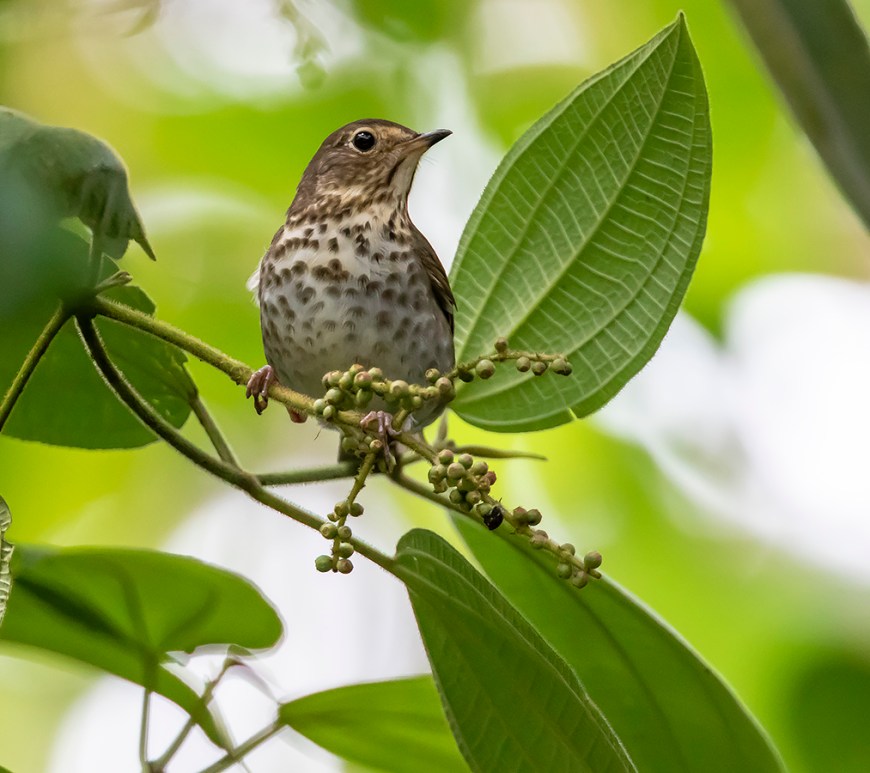
EL VIAJE DE UN AVE MIGRATORIA DESDE LOS ANDES DE COLOMBIA A NORTE AMÉRICA: ¿SALIR TEMPRANO Y TOMARLO CON CALMA O SALIR MAS TARDE Y MIGRAR RÁPIDO?

This blog post is provided by Ana M Gonzalaez and is the Spanish version of the #StoryBehindThePaper for the article “Earlier and slower or later and faster: Spring migration pace linked to departure time in a Neotropical migrant songbird” which was recently published in Journal of Animal Ecology.  You can find the English version here. Este blog fue escrito por Ana M. González y cuenta la … Continue reading EL VIAJE DE UN AVE MIGRATORIA DESDE LOS ANDES DE COLOMBIA A NORTE AMÉRICA: ¿SALIR TEMPRANO Y TOMARLO CON CALMA O SALIR MAS TARDE Y MIGRAR RÁPIDO?

Catching the parasite: three-spined sticklebacks eat trematode free-living stages

This blog post is provided by Ana Born-Torrijos and Miroslava Soldánová and tells the #StoryBehindThePaper for their article “Cercarial behaviour alters the consumer functional response of three-spined sticklebacks“, which was recently published in Journal of Animal Ecology. When we see a small fish swimming about in a lake, we might assume they are searching for something to eat, perhaps some copepods, cladocerans or ostracods. What … Continue reading Catching the parasite: three-spined sticklebacks eat trematode free-living stages

Eggs and cooperation: a long-term study

This blog post is provided by Rita Fortuna and tells the #StoryBehindThePaper for the article “Maternal allocation in relation to weather, predation and social factors in a colonial cooperative bird“, which was recently published in Journal of Animal Ecology. For almost a decade, we weighed over 9,000 sociable weaver eggs (Philetairus socius). Behind this paper, as with every long-term study, is an incredible amount of … Continue reading Eggs and cooperation: a long-term study

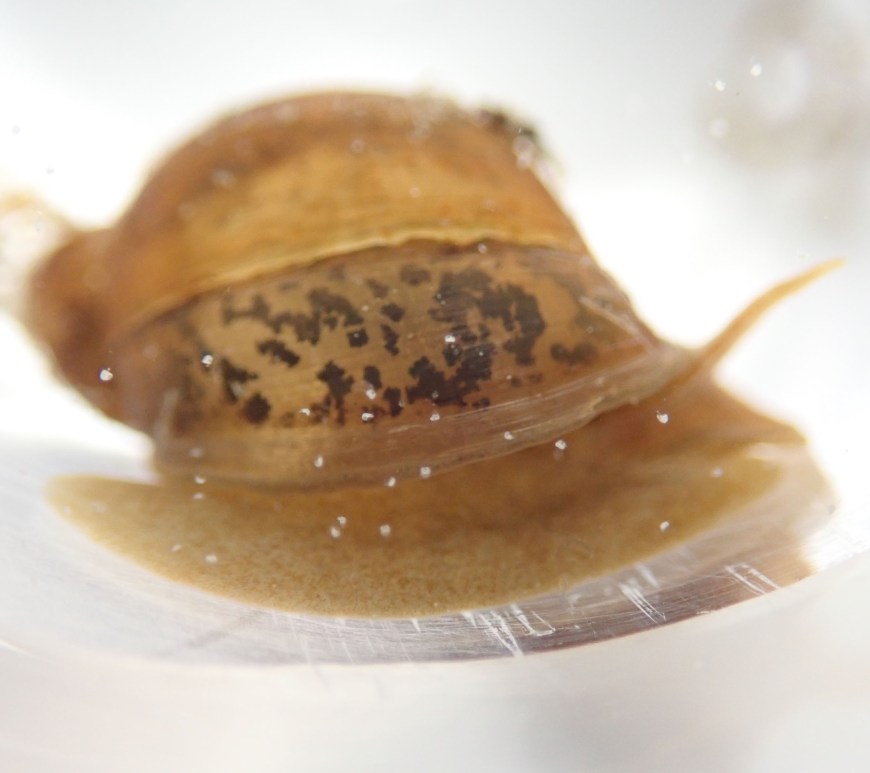
Time to use some mussel: Exploring drivers of parasite community structure

This blog post is provided by Joshua Brian and tells the #StoryBehindThePaper for the article “Abundance data applied to a novel model invertebrate host sheds new light on parasite community assembly in nature“, which was recently published in Journal of Animal Ecology. As much as we might try to avoid thinking about this, parasites are everywhere! However, the last couple of decades have seen a major shift in the … Continue reading Time to use some mussel: Exploring drivers of parasite community structure

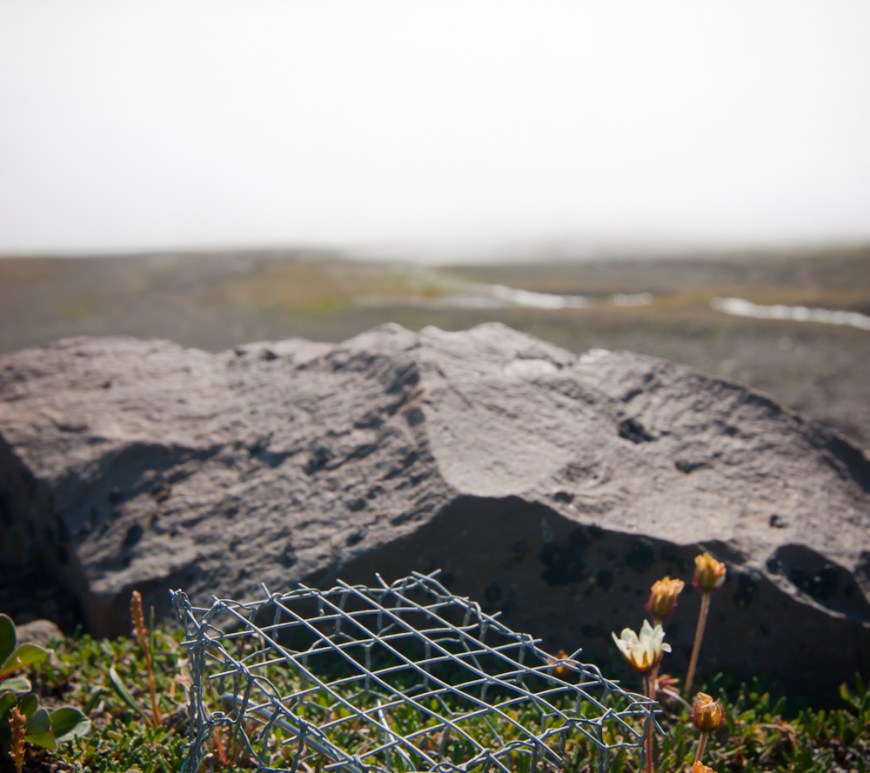
Skiing after Darwin wasps

This blog post is provided by Tuomas Kankaanpää and tells the #StoryBehindThePaper for the article “Microclimate structures communities, predation and herbivory in the High Arctic“, which was recently published in Journal of Animal Ecology. While we can predict the physical nature of climate change with high accuracy, our understanding of how it will affect complex biological systems is still unarguably poor. In my PhD thesis, I, Tuomas Kankaanpää, set … Continue reading Skiing after Darwin wasps

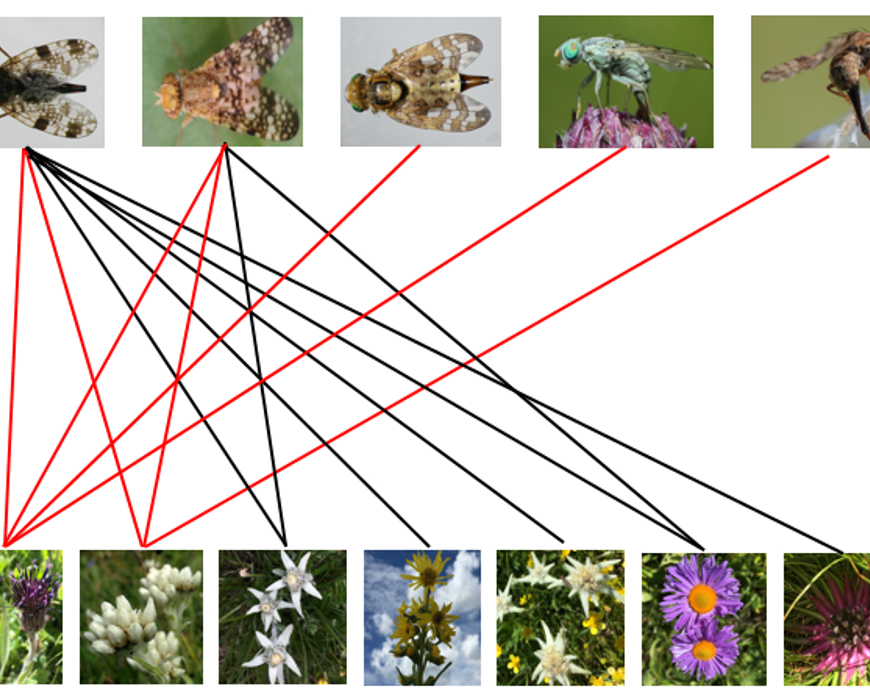
Plant volatile defenses rather than non-volatile defenses mediate evolutionary interactions between plants and tephritid flies

This blog post is provided by Hua Wang and tells the #StoryBehindThePaper for the article “Plant volatiles mediate evolutionary interactions between plants and tephritid flies and are evolutionarily more labile than non-volatile defenses”, which was recently published in Journal of Animal Ecology. Why do I study the relationship between plants and flies? Even before starting my PhD research, I have known of and been fascinated by … Continue reading Plant volatile defenses rather than non-volatile defenses mediate evolutionary interactions between plants and tephritid flies

Stay home order: why do some ungulates return to the same places?

This blog post is provided by Thomas Morrison from the Institute of Biodiversity, Animal Health and Comparative Medicine, University of Glasgow and tells the #StoryBehindThePaper for the article “Drivers of site fidelity in ungulates“, which was recently published in the Journal of Animal Ecology. In a classic study, inauspiciously titled “A lesson in the limitations of field experiments: shrubsteppe birds and habitat alteration”, John Wiens … Continue reading Stay home order: why do some ungulates return to the same places?

Flexible or Familiar? Migrating Gulls are both!

This blog post is provided by Morgan Brown and tells the #StoryBehindThePaper for the article “Long‐distance migrants vary migratory behaviour as much as short‐distance migrants: An individual‐level comparison from a seabird species with diverse migration strategies”, which was recently published in Journal of Animal Ecology. Morgan Brown is a PhD candidate with Prof. Judy Shamoun-Baranes and Prof. Willem Bouten in the Institute for Biodiversity and … Continue reading Flexible or Familiar? Migrating Gulls are both!

Indirect interactions through shared predation can drive food-web responses to environmental change: lessons learnt from a lake mesocosm experiment

This blog post is provided by Fernando Chaguaceda and tells the #StoryBehindThePaper for the article “Short-term apparent mutualism drives responses of aquatic prey to increasing productivity“, which was recently published in Journal of Animal Ecology. Mobile generalist predators that feed on more than one prey are common in nature, from the majestic whales that spread their feeding habitats from pole to pole to small animals … Continue reading Indirect interactions through shared predation can drive food-web responses to environmental change: lessons learnt from a lake mesocosm experiment