Coordination in chick provisioning increases reproductive success in a cooperative breeding bird

This blog post is provided by Eva Trapote and tells the #StoryBehindthePaper for the paper ‘Fitness benefits of alternated chick provisioning in cooperatively breeding carrion crows’, which was recently published in Journal of Animal Ecology. Trapote and colleagues investigated brood provisioning in breeding carrion crows to understand whether the degree of alternation at the nest by caregivers increases their reproductive success and is thereby favoured … Continue reading Coordination in chick provisioning increases reproductive success in a cooperative breeding bird

The stability of bird communities

This blog post is provided by Hannah J. White, Joseph J. Bailey and Samuel R. P.-J. Ross and tells the #StoryBehindthePaper for the paper ‘Response trait diversity and species asynchrony underlie the diversity–stability relationship in Romanian bird communities’, which was recently published in Journal of Animal Ecology.  The number of individuals and what species there are within ecological communities varies through time. This is known … Continue reading The stability of bird communities

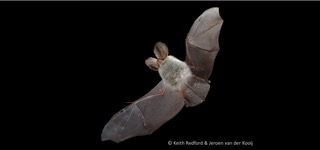
The “small bat in summer” model

This blog post is provided by Mari Aas Fjelldal and tells the #StoryBehindthePaper for the paper “The small-bat-in-summer paradigm: energetics and adaptive behavioural routines of bats investigated through a stochastic dynamic model”, which was recently published in Journal of Animal Ecology. In their study, they present a model framework of the behavioural decisions small bats make in order to survive the short summer nights at high … Continue reading The “small bat in summer” model

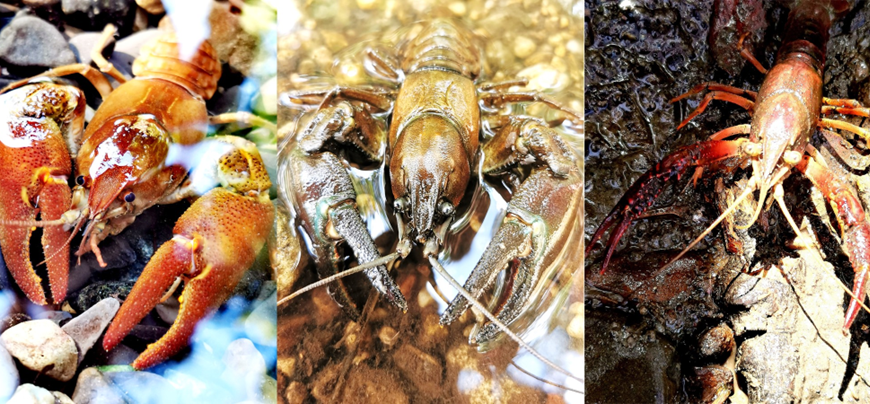
Historical ecology to address long-term niche dynamics

This blog post is provided by Duarte S. Viana, Francisco J. Oficialdegui, María del Carmen Soriano, Virgilio Hermoso and Miguel Clavero and tells the #StoryBehindthePaper for the paper “Niche dynamics along two centuries of multiple crayfish invasions“, which was recently published in Journal of Animal Ecology. In their study, they explore how using historical records of species can track their spread and distribution through time, revealing … Continue reading Historical ecology to address long-term niche dynamics

Reproductive Performance of Peregrine Falcons in southern Scotland Relative to the Use of Organochlorine Pesticides, 1946-2021

This blog post is provided by Madan K. Oli, George D. Smith, Michael J. McGrady, Vratika Chaudhary, Chris J. Rollie, Richard Mearns, Ian Newton and Xavier Lambin and tells the #StoryBehindthePaper for the paper “Reproductive Performance of Peregrine Falcons Relative to the Use of Organochlorine Pesticides, 1946-2021”, which was recently published in Journal of Animal Ecology. They explore how banning pesticides like DDT impacted Peregrine Falcons … Continue reading Reproductive Performance of Peregrine Falcons in southern Scotland Relative to the Use of Organochlorine Pesticides, 1946-2021

Sticky post

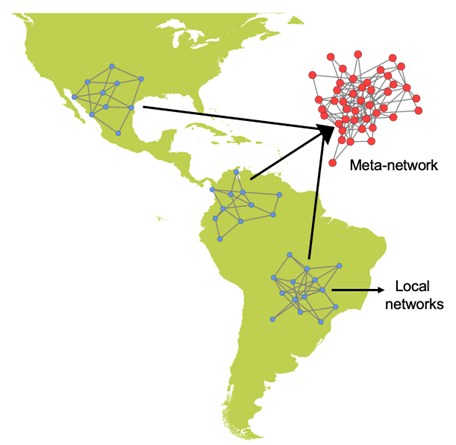
What makes a bird important for plants’ seed dispersal?

This blog post is provided by Gabriel Moulatlet, Wesley Dáttilo and Fabricio Villalobos and tells the #StoryBehindthePaper for the paper “Species-level drivers of avian centrality within seed-dispersal networks across different levels of organization“, which was recently published in Journal of Animal Ecology. In their study, they investigate the factors that influence birds relationships with plants for seed dispersal, in a network context, at both local … Continue reading What makes a bird important for plants’ seed dispersal?

Sticky post

¿Qué hace que un ave sea más (o menos) importante para la dispersión de semillas?

Esta entrada de blog proviene de Gabriel Moulatlet, Wesley Dáttilo y Fabricio Villalobos, y nos cuenta la #HistoriaDetrásdelArtículo del artículo “Species-level drivers of avian centrality within seed-dispersal networks across different levels of organization” (“Impulsores de la centralidad de las especies de aves en redes de dispersión de semillas en diferentes niveles de organización”), que fue recientemente publicado en el Journal of Animal Ecology. En su … Continue reading ¿Qué hace que un ave sea más (o menos) importante para la dispersión de semillas?

Sticky post

Unveiling Seasonal Risk Landscapes: How Ecological Disturbance and Human Recreation Shape Panther and Deer Responses

This blog post is provided by Heather N. Abernathy and tells the #StoryBehindthePaper for the paper ‘Rain, recreation and risk: Human activity and ecological disturbance create seasonal risk landscapes for the prey of an ambush predator’, which was recently published in Journal of Animal Ecology. In their study, they show how panthers’ avoidance of human recreation and flooding create distinct schedules of risk for deer, … Continue reading Unveiling Seasonal Risk Landscapes: How Ecological Disturbance and Human Recreation Shape Panther and Deer Responses

Sticky post

Billfish use an oxygen minimum zone boundary to hunt

This blog post is provided by Ryan Logan and tells the #StoryBehindthePaper for the paper “Patrolling the border: billfish exploit the hypoxic boundary created by the world’s largest oxygen minimum zone”, which was recently published in Journal of Animal Ecology. Blue marlin and sailfish are top predators in the pelagic environment, but little is known about their hunting behavior. Ryan Logan, the lead author of the … Continue reading Billfish use an oxygen minimum zone boundary to hunt

Sticky post

Human land-uses homogenize stream assemblages and reduce animal biomass production

This blog post is provided by Dieison André Moi and tells the #StoryBehindthePaper for the paper ‘Human land-uses homogenize stream assemblages and reduce animal biomass production’, which was recently published in Journal of Animal Ecology. In their study, Dieison and colleagues evaluated the effects of four land-uses on taxonomic richness, functional and trait diversityof fishes, arthropods, and macrophytesbased on data from 61 stream sites in … Continue reading Human land-uses homogenize stream assemblages and reduce animal biomass production