It’s a bear! Adopting a ‘computer vision for animal ecology’

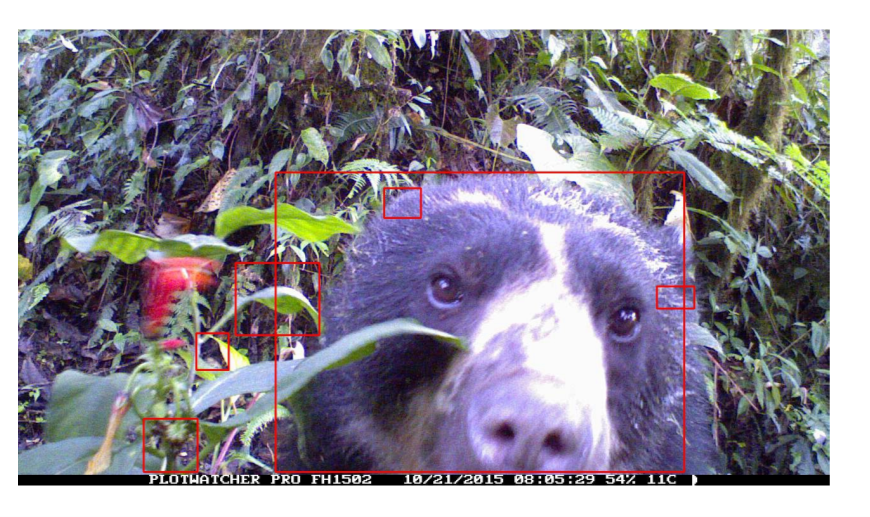
How can automated image processing be applied for detecting, counting and identifying animals in natural landscapes? A recent review article published in the Journal of Animal Ecology covers this exact question! Dr Ben Weinstein is a postdoctoral fellow at Oregon State University interested in community ecology, Bayesian modeling and data science. He studies a wide range of taxa including tropical hummingbirds, Antarctic whales, and temperate trees. … Continue reading It’s a bear! Adopting a ‘computer vision for animal ecology’

How does infection alter animal migration performance? It’s complicated.

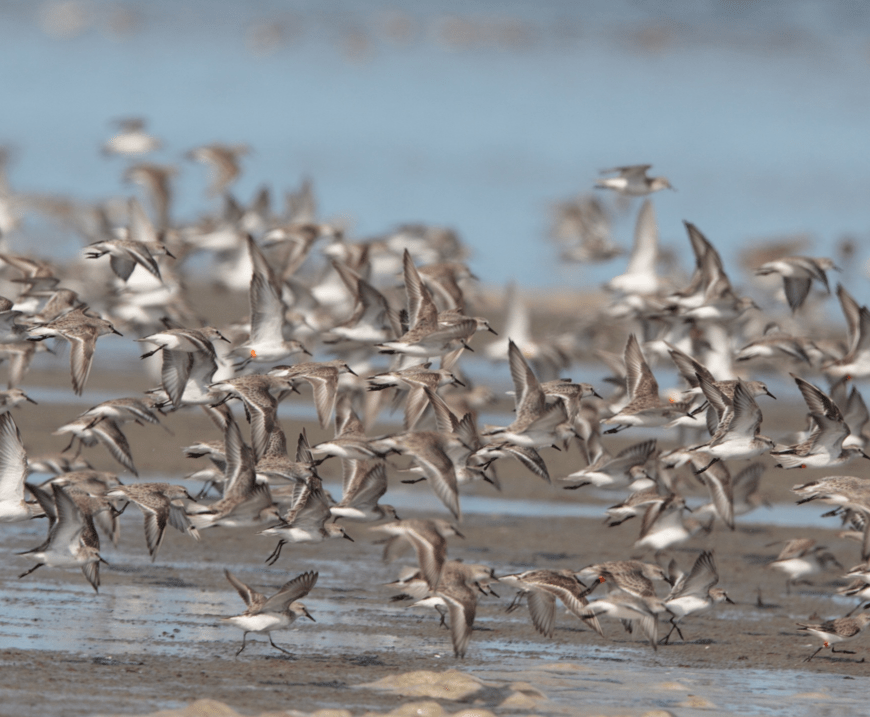
Animals move around. A lot. Migratory animals are widely assumed to play an important role in the long-distance dispersal of parasites and pathogens. But how does this affect the migratory animals themselves? PhD student Alice Risely, Deakin University, explains how infections might alter animal migration. Migratory animals spread pathogens. But how frequently? And how far? Is it super common for migratory birds to spread pathogens … Continue reading How does infection alter animal migration performance? It’s complicated.

Estimating Species Populations – a critical step in understanding ecological processes

Understanding the size of animal populations is necessary – but also extremely challenging. Andrea Campos Candela, a PhD student with the Fish Ecology Lab in the Mediterranean Institute for Advanced Studies (IMEDEA-CSIC) talks us through this problem. “How many animals are there? Understanding ecological processes and the dynamics of wild animal populations is dependent on our answer to such seemingly simple question.  Further, recognizing changes … Continue reading Estimating Species Populations – a critical step in understanding ecological processes

A practical guide for inferring reliable dominance hierarchies and estimating their uncertainty

There are thousands of academic papers published each year. But how do they all come about? Damien Farine and Alfredo Sánchez-Tójar share the ‘behind the scenes’ story of their recent paper on dominance hierarchies, and how it was all due to a fortunate encounter… Do you have a great #StoryBehindThePaper to share? Get in touch! One of the growing challenges in research is data analysis. Here are … Continue reading A practical guide for inferring reliable dominance hierarchies and estimating their uncertainty

Strategic pauses in female elephant seals

A recent paper published in the Journal of Animal Ecology has found that poor-quality female southern elephant seals use breeding pauses as a tactic to produce more offspring over their lifetime.  Here to tell us more are three of the authors: Marine Desprez, Clive McMahon and Rob Harcourt. Breeding is a costly activity. In long-lived multiparous animals, some individuals may skip one or several breeding … Continue reading Strategic pauses in female elephant seals

Badgers and Disease Ecology

Traditionally one of the UK’s most charismatic (and certainly distinctive) mammals, the badger has received mixed attention in recent times as a result of their involvement in disease transmission.  To celebrate National Badger Day, Dr Andy Robertson  describes the long-term study of these animals in Woodchester Park.  Dr Robertson is a NERC Knowledge Exchange Fellow at the University of Exeter’s Environment and Sustainability Institute, and … Continue reading Badgers and Disease Ecology

Scaly Not Scary – Reconciling Humans and Snakes

Snakes have long been vilified in popular media – but do they deserve such a bad reputation?  Many people believe otherwise, with 16th July marking World Snake Day and providing the opportunity to learn more about these fascinatingly-misunderstood animals.  Dr Xavier Bonnet, Director of the Centre d’Etudes Biologique de Chizé at the French National Centre for Scientific Research (CNRS), discusses the history of our relationship with snakes … Continue reading Scaly Not Scary – Reconciling Humans and Snakes

Marine Mammal Conservation in the Light of Marine Spatial Use

Earlier this month, the European Cetacean Society (ECS) held their 31st annual conference in Middelfart, Denmark.  Established in 1987, ECS has several hundred members from more than 25 European countries as well as several countries outside Europe.  It aims to promote and advance the scientific studies and conservation efforts of marine mammals, and to gather and disseminate information about them to members of the Society … Continue reading Marine Mammal Conservation in the Light of Marine Spatial Use

International Women’s day

International Women_s day

Today is International Women’s day, an annual event celebrating the achievements of women all over the world and helping to drive positive change to achieve gender parity.

The latest Global Gender Gap report by the World Economic Forum reveals that progress towards closing the gender gap over the past year has been ambiguous at best. In the UK, for example, the pace of change has slowed over the past three years.

The World Economic Forum predicts that the gender gap won’t close entirely for another 170 years. In response, the 2017 IWD campaign is asking everyone to #BeBoldForChange to spur faster change.

In this blog post, some of our female Associate Editors offer their perspectives on the recent changes they have observed for women in science, and share the experiences that shaped and inspired their careers. Continue reading “International Women’s day”

What makes a great paper for Journal of Animal Ecology?

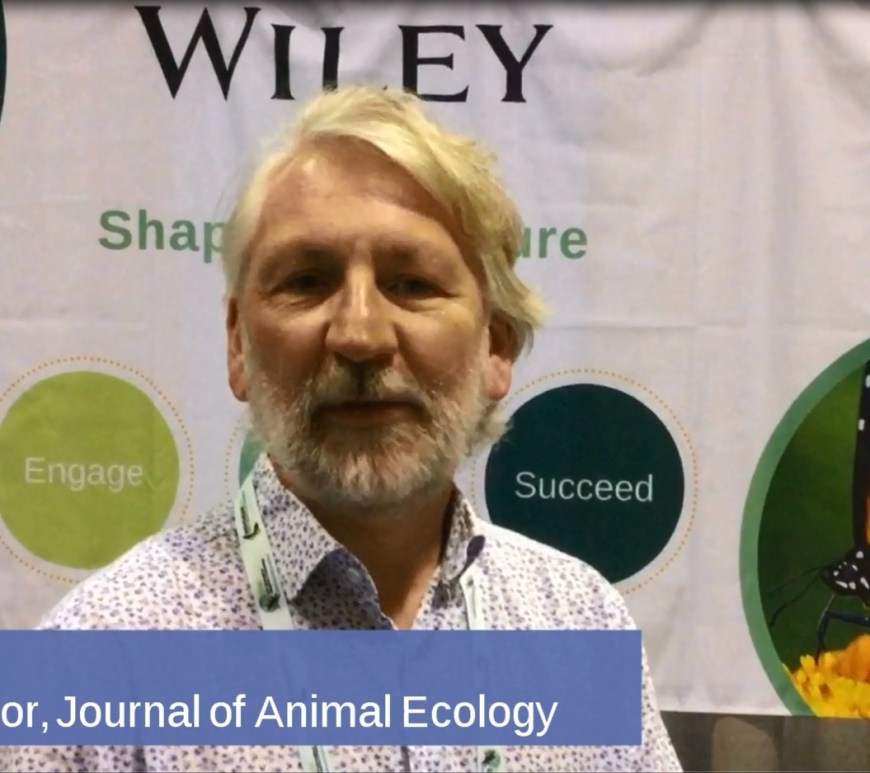
In this video Executive Editor Ken Wilson discusses what he is looking for from a great paper for Journal of Animal Ecology. The message from Ken is that papers must have a clear structure, clear message, clear narrative & be genuinely novel. Ken goes onto discuss our popular feature papers including Synthesis and ‘How to…’ papers. Ken discusses how synthesis papers are reviews focused on … Continue reading What makes a great paper for Journal of Animal Ecology?