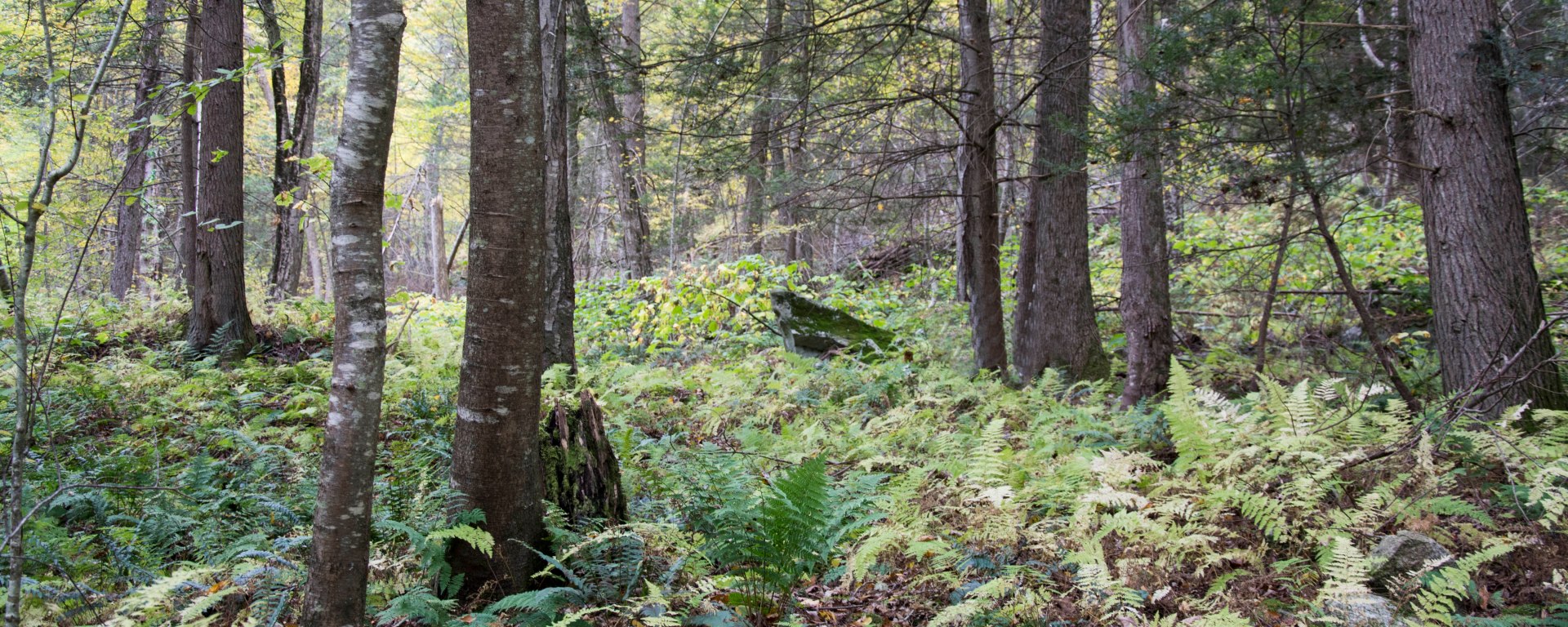
This blog post is provided by Felicia Keesing and tells the #StoryBehindThePaper for the article “Climate warming, acorn masting, and the dynamics of rodent populations: Comparing long-term studies“, which was recently published in Journal of Animal Ecology. This study takes advantage of the accidental similarity between two long-term studies of acorns, rodents, and climate, exploring the similarities and differences in their results.
More than forty years ago, when Margaret Thatcher was leading the United Kingdom and Ronald Reagan the United States, a research team in the US state of Maine started counting and weighing rodents every August in a beautiful patch of woods beside a lake. The team visited the woods in spring as well, to count acorns that had fallen the previous autumn. Over the years, they documented, too, the sizes of the red oak trees from which the acorns fell.
A few years after mouse traps were first set down in those woods in Maine, and several states away in New York, a different researcher had a strikingly similar idea – documenting the ups and downs of rodents in the forests of New York’s Hudson Valley. Back in 1991, young scientist Rick Ostfeld had just moved to New York for a position as an animal ecologist at the Cary Institute of Ecosystem Studies. A perk of his new job was the 2000 acres of fields, streams, and forests that surrounded the research buildings of the Institute. Ostfeld knew an opportunity when he saw one: from that year to this, 35 years later, he and his field crews have been counting creatures in the woods he can see from his office window.
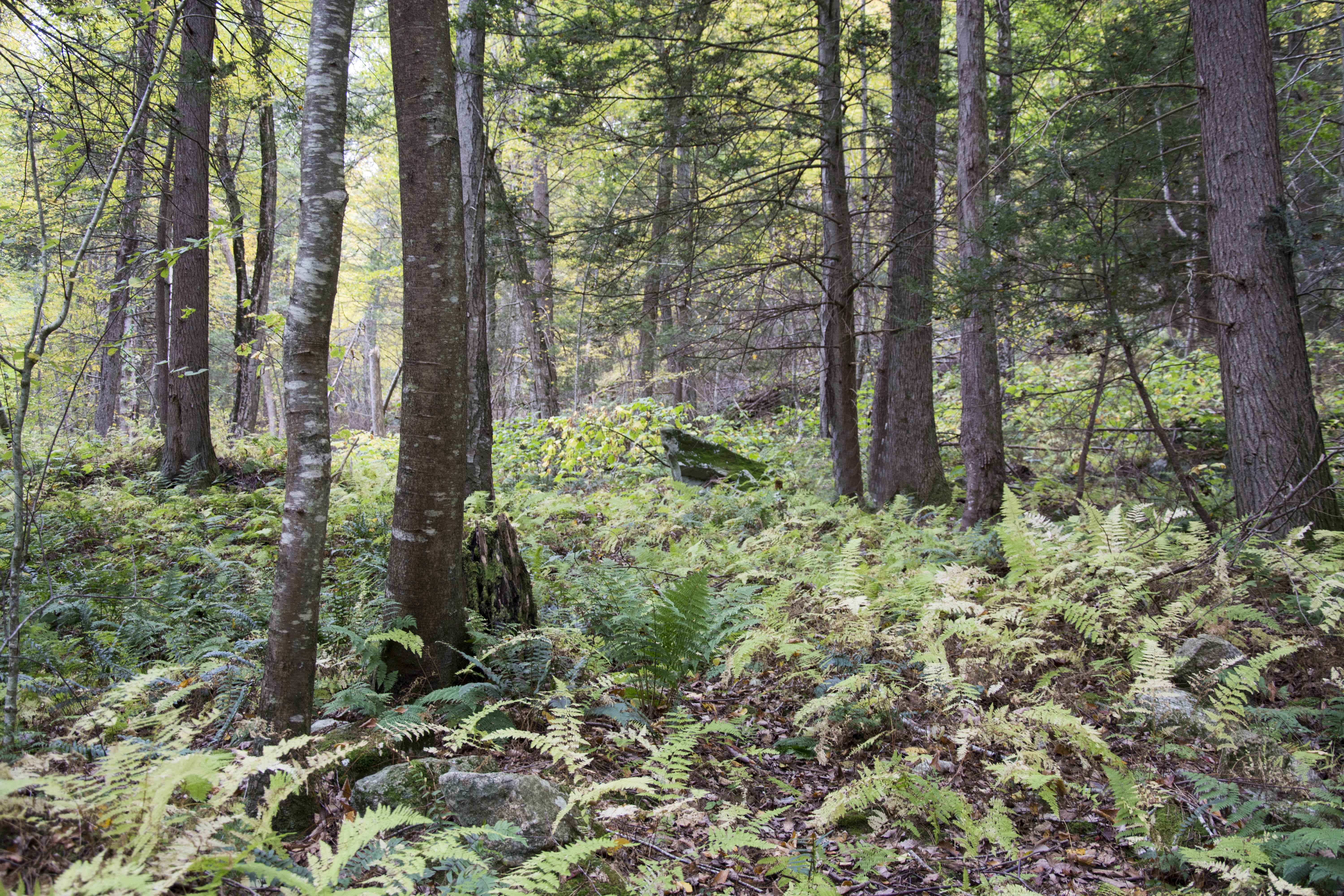
Long-term records of ecological change like the data from Maine and New York are rare. Even rarer are records that include careful counts and weights of individual animals. Rarest of all, though, is the opportunity to compare the results of such strikingly similar long-term studies. In the summer of 2025, when the Maine research team published decades-worth of data from their work on acorns and mice, Ostfeld saw another opportunity, the chance to compare the forests. That opportunity was even more enticing because the Maine team had documented patterns that Ostfeld’s team, for all its many fascinating discoveries, had not noticed. White-footed mice (Peromyscus leucopus) in Maine, the most common rodents in those lakeshore woods, were getting more numerous over time, and chubbier. Did New York’s mice have a similar story to tell?
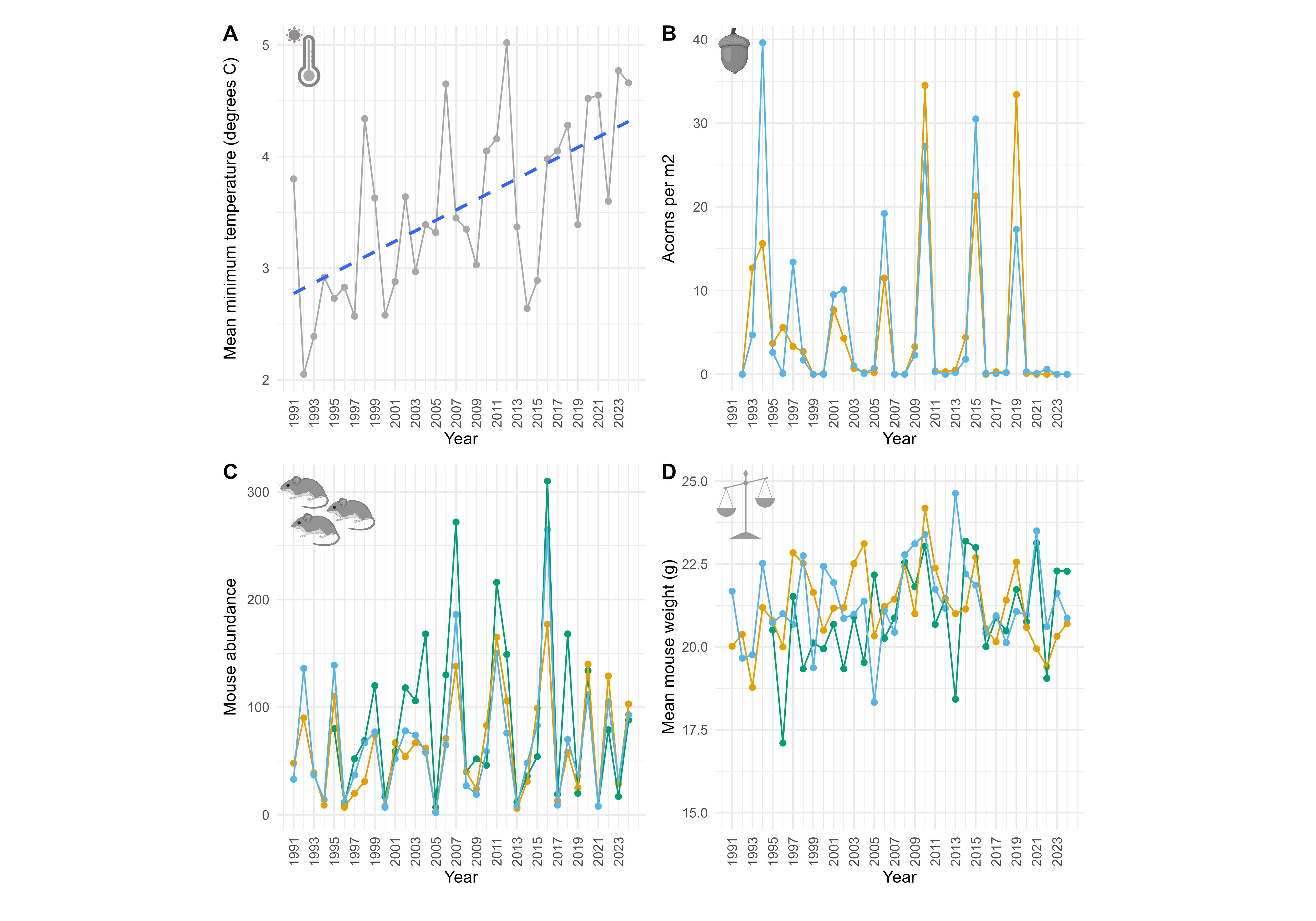
When the Maine team was starting their monitoring in the early 1980s, the big environmental concerns of the day were the ozone hole over Antarctica and deforestation of the Amazon. The environmental catastrophe that rivets our attention now – global climate change – wouldn’t come into public view for a few more years, with the creation of the Intergovernmental Panel on Climate Change in 1988. The consequences of ever more heat-trapping gases in the atmosphere were there all along, though, slowly ticking up the temperatures in forests of both Maine and New York, as we can see now with hindsight and long-term data.
Temperatures weren’t all that was subtly growing in the woods. So too were the oak trees, bit by bit, year after year. And there the stories from Maine and New York begin to diverge. In Maine, over time, the trees were producing more acorns as they grew, and when oaks make acorns, they’re not subtle about it. Every two years or so in Maine, the oaks were dropping huge quantities of acorns onto the forest floor, a phenomenon called masting. Surges in such a tasty, nutritious food led to surges one year later in the number of mice. In the intervening years, when masting did not occur, the red oaks produced virtually no acorns at all, starving out their seed predators in one of nature’s slowest games of cat and mouse – but with the twist that in this case the mice are the cats.
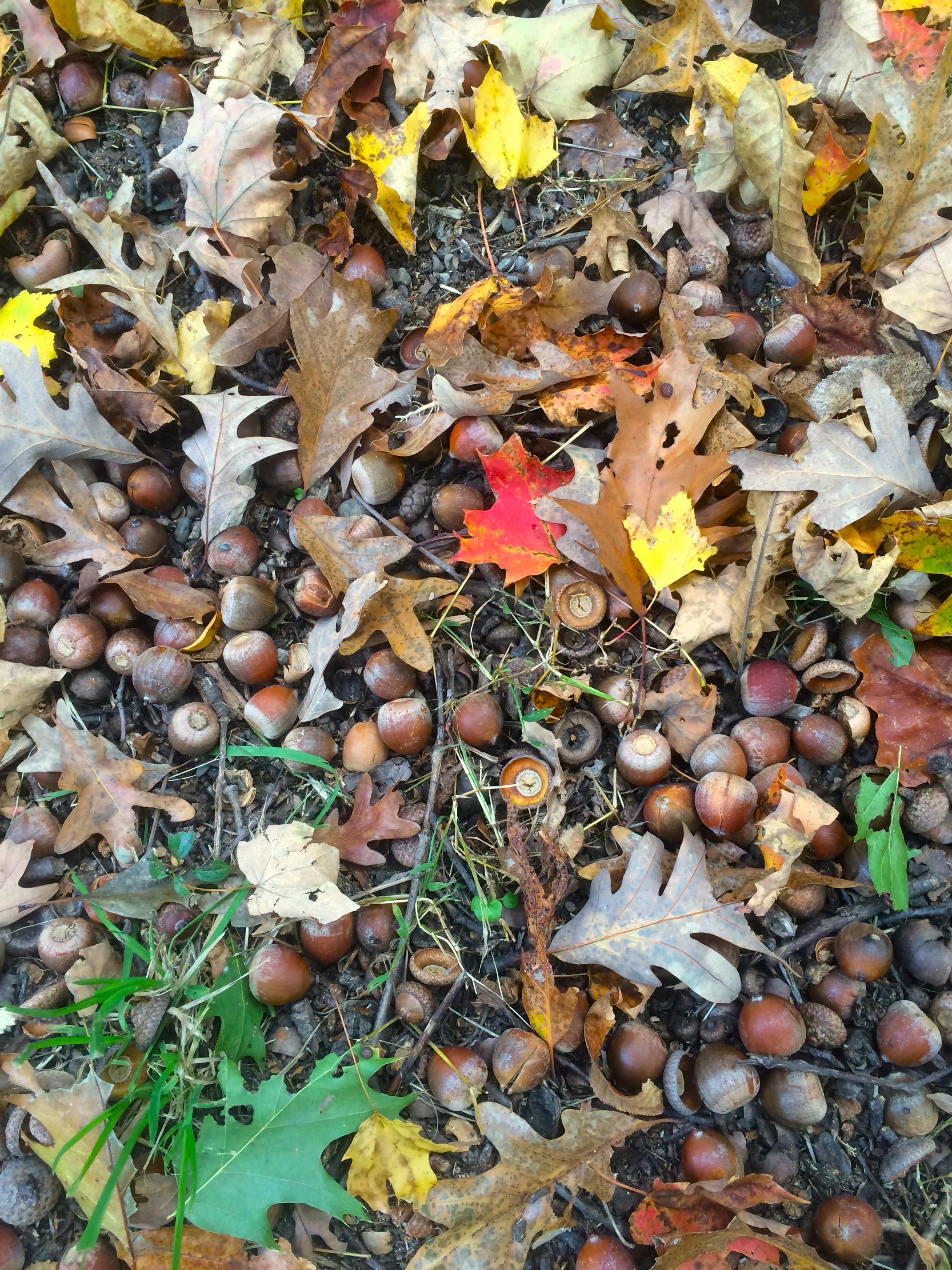
New York’s red oaks have masting years, too, and the New York mice are responding just as powerfully as their cousins in Maine do. But the New York oaks aren’t producing more acorns over time, as the trees grow. The New York oaks also don’t seem to be responding to climate change, at least not as the Maine trees are. In Maine, balmier spring temperatures as the climate warms lead to even more acorns during masting years. But in New York, spring temperatures aren’t increasing over time. Instead, summer and fall temperatures are, and acorn production shows no directional trend, either from tree growth or from warmer weather.
These differences in acorn production at the two sites are the tell. Maine’s mice are becoming ever more abundant as the trees and temperatures grow, producing more acorns. The mice are beefier, too. But New York’s mice have retained their numbers – and their figures – from earlier decades, their abundance but not their size plumped by acorns every few years.
This might be just a nice story about the natural history of oak forests, and a testament to the work of boots-on-the-ground ecologists working carefully and deliberately over decades, were it not for the consequences – for the health of people, of wildlife, and of trees.
When the project in Maine was just getting started, human cases of a new tick-borne illness – Lyme disease – were steadily growing in the eastern US. It didn’t take long for both the bacterium that causes the disease and the ticks that transmit it to people to be linked to the very same mice flourishing after mast years in both Maine and New York. In New York at least, based on Ostfeld’s long-term sites, risk of exposure to the disease is tightly linked to the number of blacklegged ticks (Ixodes scapularis) – more acorns means more mice means more ticks. In Maine, it’s not yet known whether burgeoning mice are fostering the state’s burgeoning tick populations.
Another unknown in Maine is whether the growing mouse population decimates ground-nesting songbirds, as mice do in Ostfeld’s New York forests. Nor is it known if a growing mass of mice in Maine might control outbreaks of the tree-devouring spongy moths (Lymantria dispar), as they do in New York.
What is clear is this: long-term on-the-ground research, funded by steady financial support, is the key to good management of people’s health risks, of forests, and of wildlife.
The study in New York was funded by the Long-Term Research in Environmental Biology (LTREB) program of the US National Science Foundation.
Read the paper here:

