Soft-minded or suffering? The wellbeing taboo of PhD students

Sometimes asking for help feels like an impossible task. Especially if you fear being judged or dismissed as weak for needing help in the first place. Following our #DiversityInEcology theme, PhD student Chloe Robinson is back to help break the wellbeing taboo and share some resources that are available for those in need of help. ‘It will all be worth it in the end’. If I had a … Continue reading Soft-minded or suffering? The wellbeing taboo of PhD students

Go Big or Go Home: Pitcher plant hosts and their crab spider tenants

The carnivorous traps of Nepenthes pitcher plants are sometimes inhabited by a species of crab spider which ambushes insects as they arrive at traps. Recently published work by Weng Ngai Lam and Hugh Tan showed that this apparent thievery is actually beneficial to the plants — but only when crab spiders attack big prey with high nutrient contents. Pitcher plants are carnivorous plants that trap … Continue reading Go Big or Go Home: Pitcher plant hosts and their crab spider tenants

Respuestas ecofisiológicas al cambio climático

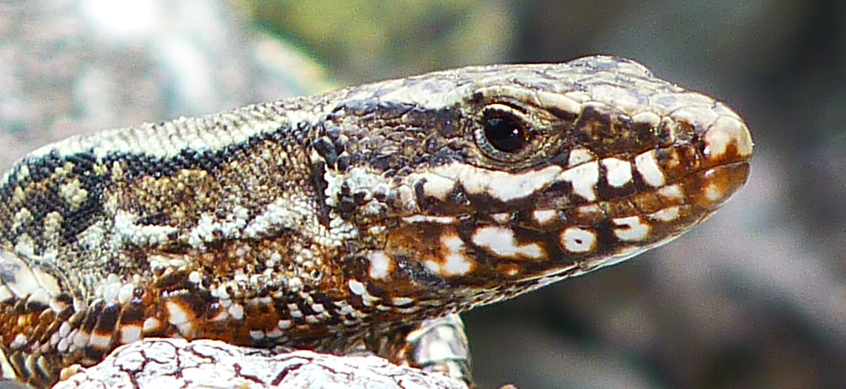
La variación en la tolerancia térmica entre poblaciones modifica los periodos de actividad diurna determinados por el clima en las especies de sangre fría. Este fenómeno queda ilustrado para lagartijas y lagartos ibéricos en un artículo recientemente publicado en el Journal of Animal Ecology. Dr. Salvador Herrando Pérez es un ecólogo generalista con experiencia en ecología de comunidades, demografía, ecofisiología y paleoecología, y realiza en … Continue reading Respuestas ecofisiológicas al cambio climático

Being 100% of Yourself

Nobody should have to hide who they are. Unfortunately, many people in the LGBT+ community feel too shy or nervous to come out in the workplace. Following our #DiversityInEcology theme, in this blog post PhD student Chloe Robinson tells us what initiative she has been recently involved with that aim to support students, help tackle any issues of discrimination or unfair treatment in the workplace due to … Continue reading Being 100% of Yourself

Is beta-diversity the elephant in the room?

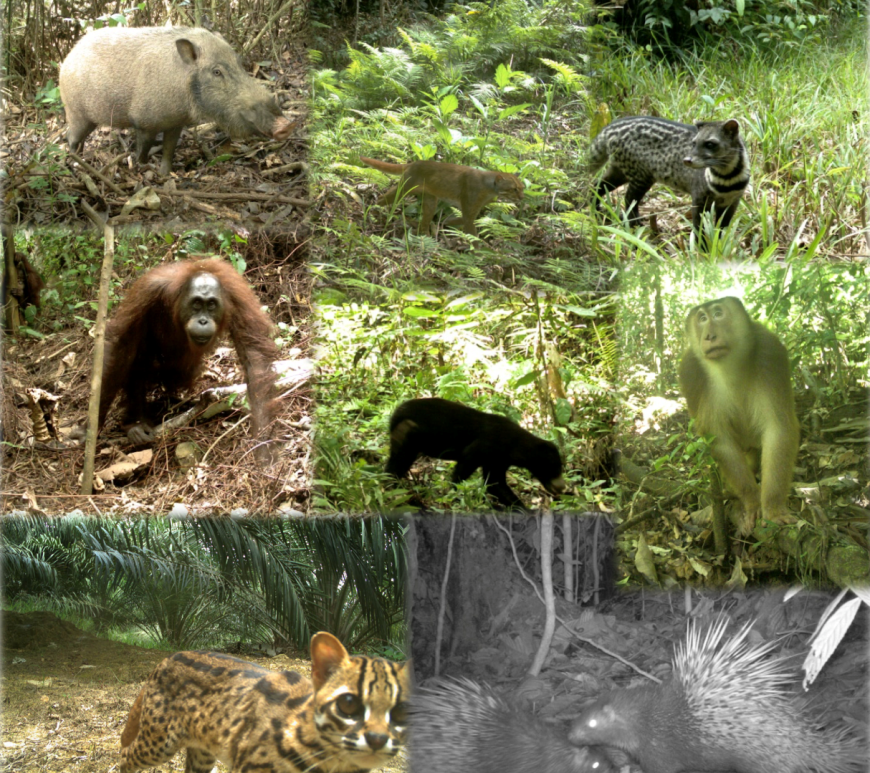
Do you understand beta-diversity? If not, you are likely not alone. Here to explain this under-appreciated concept is Dr Ollie Wearn, an AXA Research Fellow at the Institute of Zoology, London. He is interested in a broad-range of topics, including land-use change, habitat fragmentation, biodiversity monitoring and practically anything involving camera-trapping and-or mammals. There’s a problem in land-use change research, and we’re not talking about … Continue reading Is beta-diversity the elephant in the room?

Ecophysiological feedbacks under climate change

Variability in heat tolerance among populations modifies the climate-driven periods of diurnal activity expected for ectotherm species. This phenomenon is illustrated for Iberian lizards in a paper recently published in the Journal of Animal Ecology. Lead author Dr Salvador Herrando-Pérez is a generalist ecologist with expertise in community ecology, demography, ecophysiology and palaeoecology, and currently undertaking his second postdoc. Here, he explains the approach used … Continue reading Ecophysiological feedbacks under climate change

How can you help Arctic skuas?

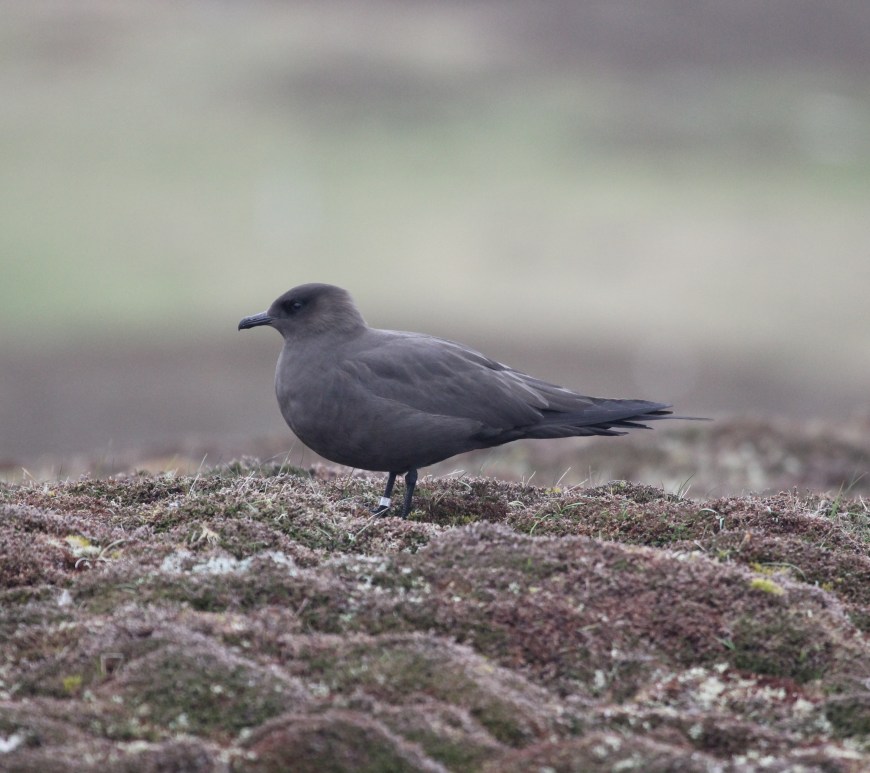
Continuing from last week’s post describing the challenges faced by Arctic skuas, Dr Allan Perkins (RSPB Centre for Conservation Science) is back with some advice on what you can to to help. Arctic skuas may well be heading towards extinction as a breeding species within the UK. That is the stark warning from our recent study, which found that Arctic skuas have declined by 81% in Scotland. What … Continue reading How can you help Arctic skuas?

Understanding what’s driving Arctic skua declines in Scotland

Dr Allan Perkins is a Senior Conservation Scientist at the RSPB Centre for Conservation Science. Here, he describes some of the challenges faced by Arctic skuas and his paper assessing ‘bottom-up’ processes, which was recently published in JAE. Arctic skuas are spectacular birds, pirates among our seabird communities. Having spent the winter, off Namibia and South Africa, they return each spring to nest on the coastal … Continue reading Understanding what’s driving Arctic skua declines in Scotland

Looking for people like me

Following our #DiversityInEcology theme, this blog talks about diversity in role models and the challenges of finding ‘someone like me’ provide scientific mentoring from the perspective of Jordan Ellison, an undergraduate student at the Colorado College. If anyone feels like they are in a position to provide mentoring for Jordan, please Contact Us! When people talk about diversity in the sciences, it seems to me as if … Continue reading Looking for people like me

Guppies only avoid infected shoalmates when they pose the highest risk of transmission

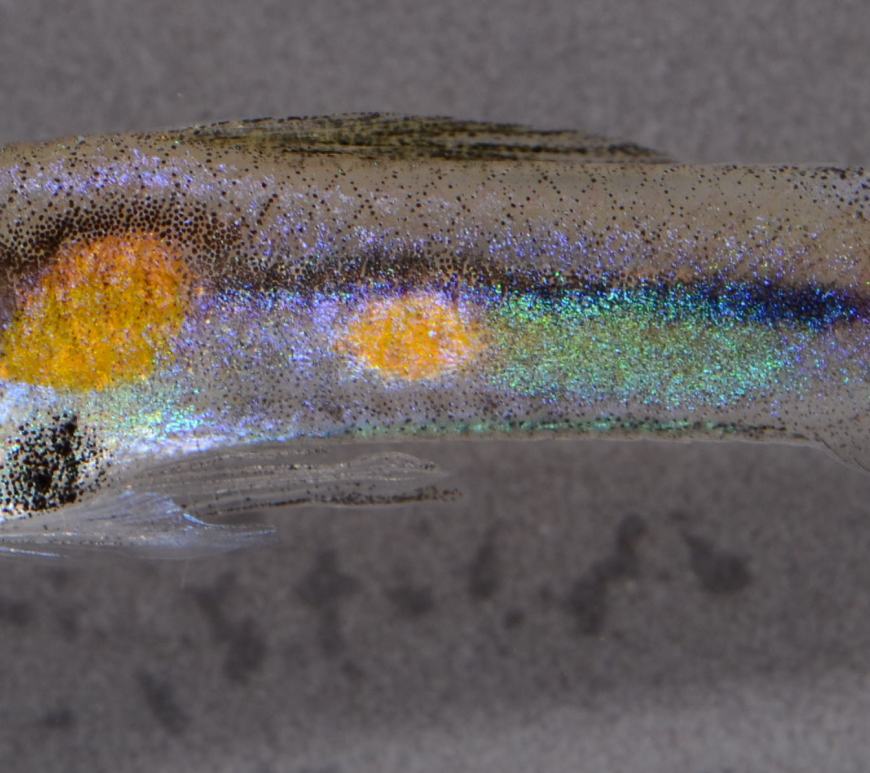
Jess Stephenson is a new Assistant Professor at the University of Pittsburgh, USA. She is interested in factors affecting the spread of infectious diseases through natural populations, and how these ecological factors might affect the evolution of both host and parasite. Here, she describes her most recent paper on the role of host behaviour in disease transmission and shares the #StoryBehindThePaper. Across animal taxa, individuals … Continue reading Guppies only avoid infected shoalmates when they pose the highest risk of transmission