Insights for Sustaining Life on Earth

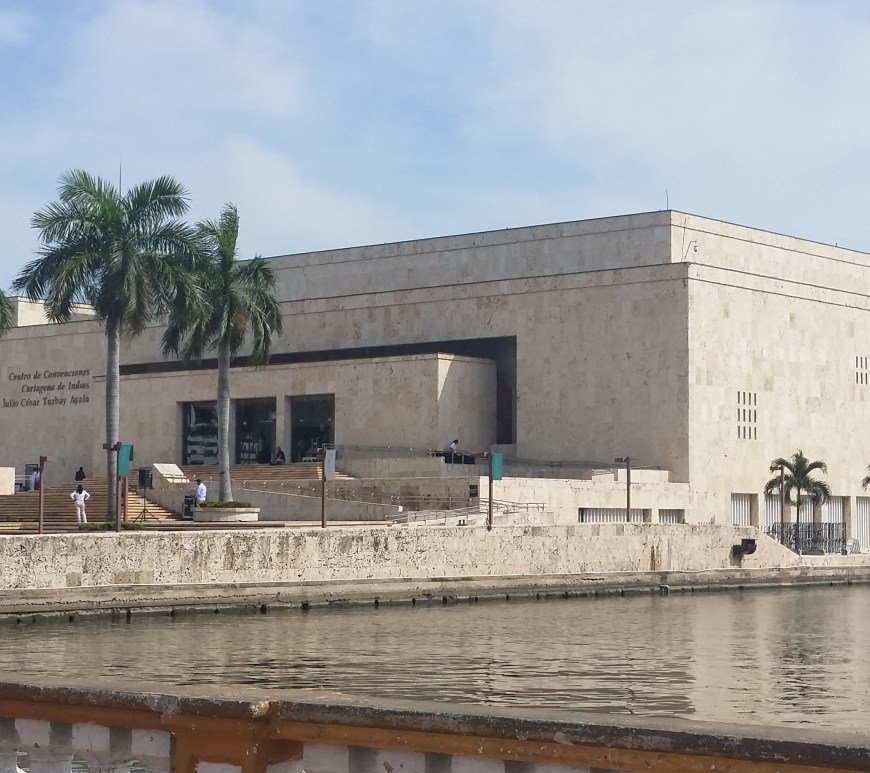
Primate researcher Dr Xyomara Carretero-Pinzón, from the University of Queensland (Australia), recently attended the International Congress for Conservation Biology (ICCB) in Colombia.  Here she reports back on the conference in general and why it was so special for her in particular, finishing with a vital message for conservationists.       Late last month, between July 23rd and 27th, the 28th International Congress for Conservation Biology … Continue reading Insights for Sustaining Life on Earth

Why Mark Twain was wrong about lizards

In the many discussions regarding Mark Twain, relatively few probably relate to his opinion on lizards.  However, this is the focus of our guest post by Professor Shai Meiri from Tel Aviv University, which aptly marks World Lizard Day (14th August)! One of humanities greatest wits – and one of the first modern tourists – Mark Twain, visited the Holy Land some 150 years ago … Continue reading Why Mark Twain was wrong about lizards

Giving a hoot about owl populations

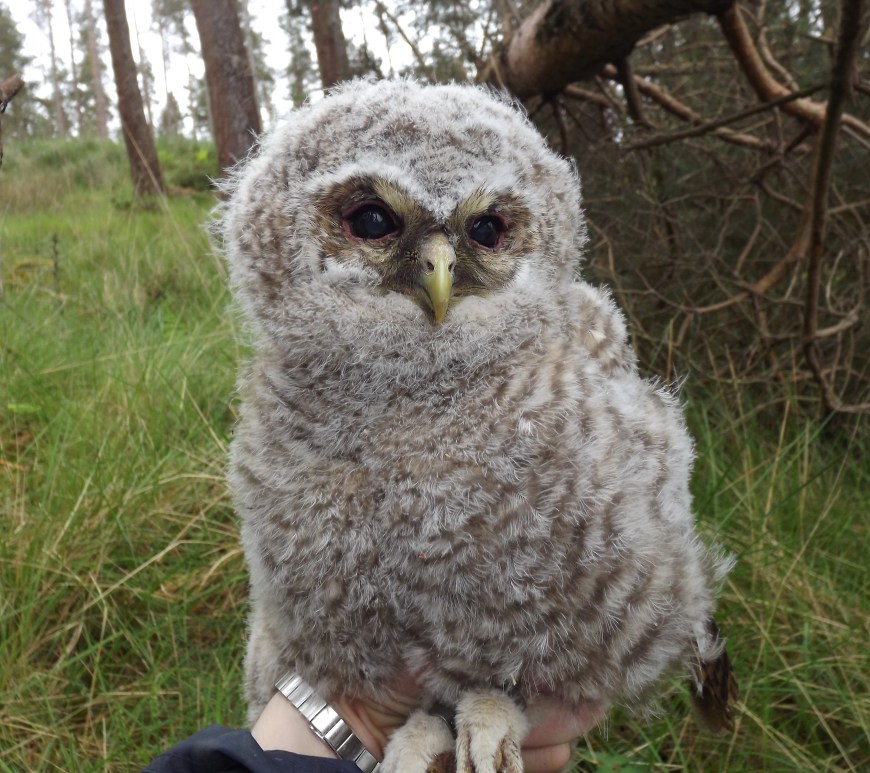
International Owl Day – who gives a hoot?  Dr Sarah Hoy sure does!  Sarah completed her PhD at the University of Aberdeen, which studied how the demography and dynamics of tawny owls have changed over the last 30 years in response to changing environmental conditions.  She is now a researcher in the School of Forest Resources and Environmental Science at Michigan Technological University, working with the … Continue reading Giving a hoot about owl populations

Advances in Mammalogy in a Changing World

Our own Blog Editor Sarah Marley was fortunate enough to attend the International Mammal Congress earlier this month.  Here, she gives us the conference low-down from the land down-under! Earlier this month, the International Mammal Congress (IMC) was held in my adopted city of Perth, Western Australia.  Held every four years, IMC is considered the premier international mammal conference, providing an important forum for professional … Continue reading Advances in Mammalogy in a Changing World

Scaly Not Scary – Reconciling Humans and Snakes

Snakes have long been vilified in popular media – but do they deserve such a bad reputation?  Many people believe otherwise, with 16th July marking World Snake Day and providing the opportunity to learn more about these fascinatingly-misunderstood animals.  Dr Xavier Bonnet, Director of the Centre d’Etudes Biologique de Chizé at the French National Centre for Scientific Research (CNRS), discusses the history of our relationship with snakes … Continue reading Scaly Not Scary – Reconciling Humans and Snakes

When Some Choughs Do Better Than Others

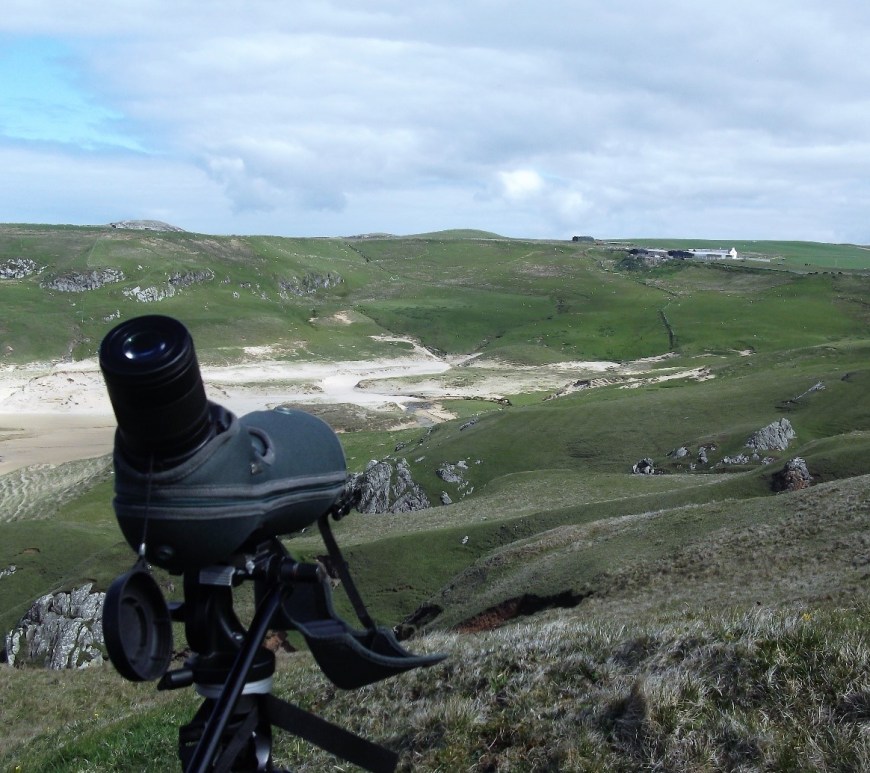
Red-billed choughs are a species of conservation concern, as discussed a recent Journal of Animal Ecology publication investigating their effective population size.  Amanda Trask, lead author of the study, recently finished her PhD at the University of Aberdeen on conservation genetics and demographics of one of the last remaining red-billed chough populations in Scotland, and is currently working as a Research Ecologist with the British Trust for … Continue reading When Some Choughs Do Better Than Others

Social networks and disease transmission – A story of giraffes

World Giraffe Day celebrates the longest-necked animal on the longest day (or night, depending on your hemisphere!) of the year – 21st June.  Yet many aspects of giraffe ecology remain poorly studied.  Dr Kim VanderWaal, a researcher at the University of Minnesota, studies how animal social behaviour translates into contact networks and pathogen transmission patterns.  To mark World Giraffe Day, she tells us about her … Continue reading Social networks and disease transmission – A story of giraffes

Marine Mammal Conservation in the Light of Marine Spatial Use

Earlier this month, the European Cetacean Society (ECS) held their 31st annual conference in Middelfart, Denmark.  Established in 1987, ECS has several hundred members from more than 25 European countries as well as several countries outside Europe.  It aims to promote and advance the scientific studies and conservation efforts of marine mammals, and to gather and disseminate information about them to members of the Society … Continue reading Marine Mammal Conservation in the Light of Marine Spatial Use

Mild winters have butterflies in a flap

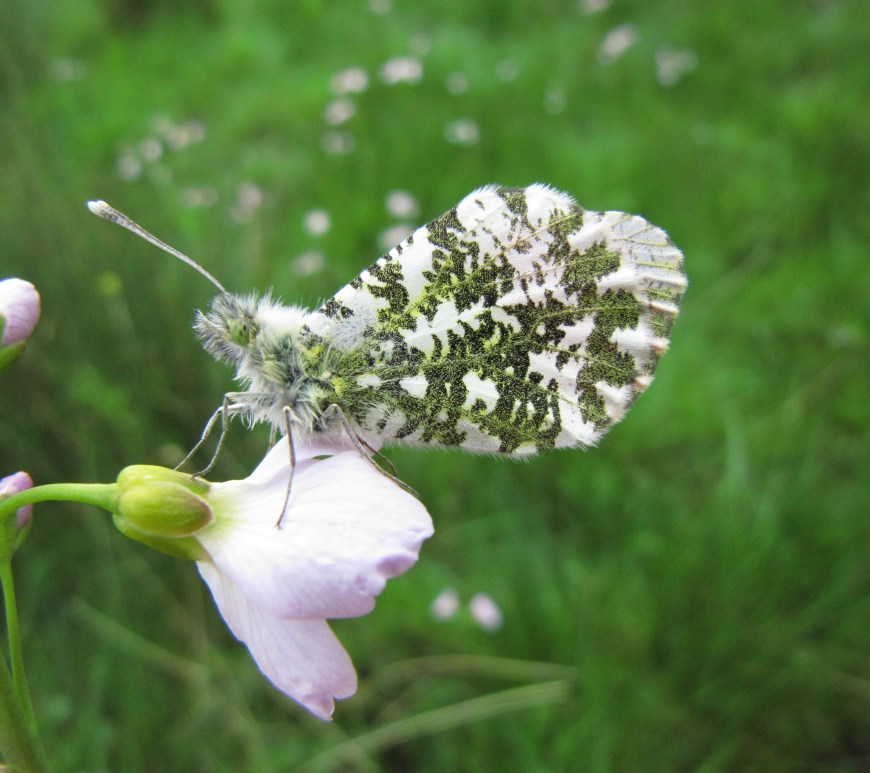
The study of phenology – cyclical patterns of biological events – has long been used to investigate relationships between climate and natural phenomena.  In this way, events such as bird migrations, animal breeding periods and plant flowing can be predicted, knowledge which has numerous economic and conservation applications.  However, climate change can alter these timings, with dramatic consequences for a range of species.  To illustrate … Continue reading Mild winters have butterflies in a flap