Field experiments, ecology and physiology: studying cultural propensities in wild species

This blog post is provided by Kelly Ray Mannion and tells the #StoryBehindthePaper for the paper ‘A multicomponent approach to study cultural propensities during foraging in the wild‘, which was recently published in Journal of Animal Ecology. In their paper, they review previous work done with field experiments, how to assess diet and ecology, as well as physiology to offer a framework to study cultural … Continue reading Field experiments, ecology and physiology: studying cultural propensities in wild species

Functional Traits Predict Sensitivity of Forest Birds to Habitat Disturbance in Tropical Countryside

This blog post is provided by Ian Ausprey and tells the #StoryBehindthePaper for the paper ‘Functional response traits and altered ecological niches drive the disassembly of cloud forest bird communities in tropical montane countrysides‘, which was recently published in Journal of Animal Ecology. In their study they examine how functional response traits related to morphology, diet, foraging behaviour and environmental niche breadth of birds predict … Continue reading Functional Traits Predict Sensitivity of Forest Birds to Habitat Disturbance in Tropical Countryside

To understand how mule deer use fire-impacted areas, consider the season and account for their predators

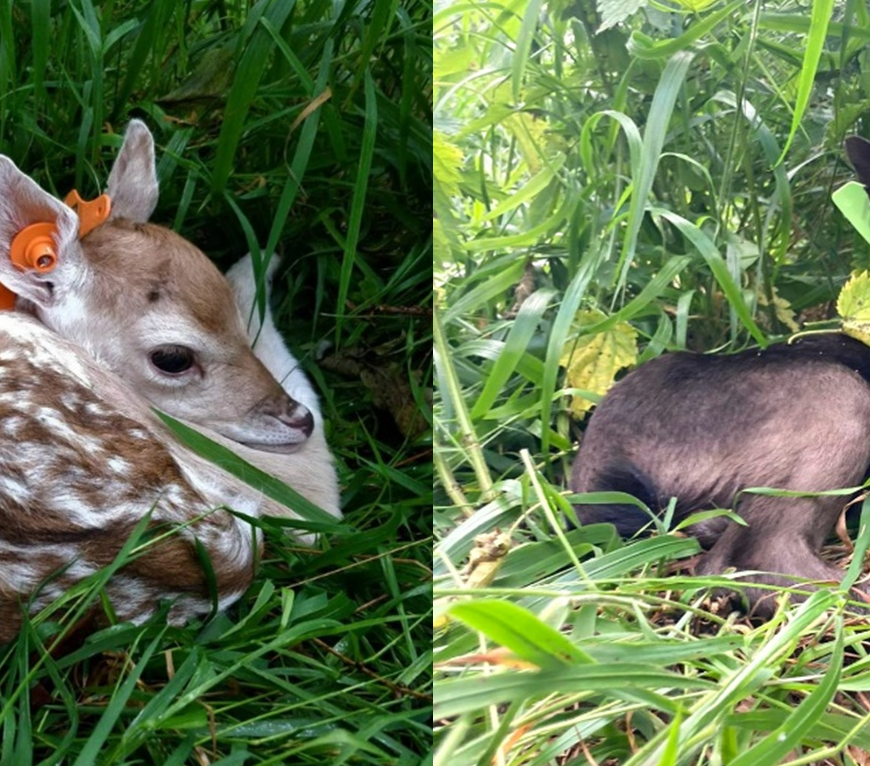
This blog post is provided by Taylor Ganz and tells the #StoryBehindthePaper for the paper ‘Interactive effects of wildfires, season, and predator activity shape mule deer movements‘, which was recently published in Journal of Animal Ecology. In their study, they investigate how changes in food availability and predator vulnerability, due to wildfires, impact mule deer. Across the American West, wildfires are becoming more frequent, larger, … Continue reading To understand how mule deer use fire-impacted areas, consider the season and account for their predators

El tamaño si importa: ¿Como afectan los rasgos el rol de los peces depredadores en las tramas tróficas y redes espaciales en el Río Paraná Medio?

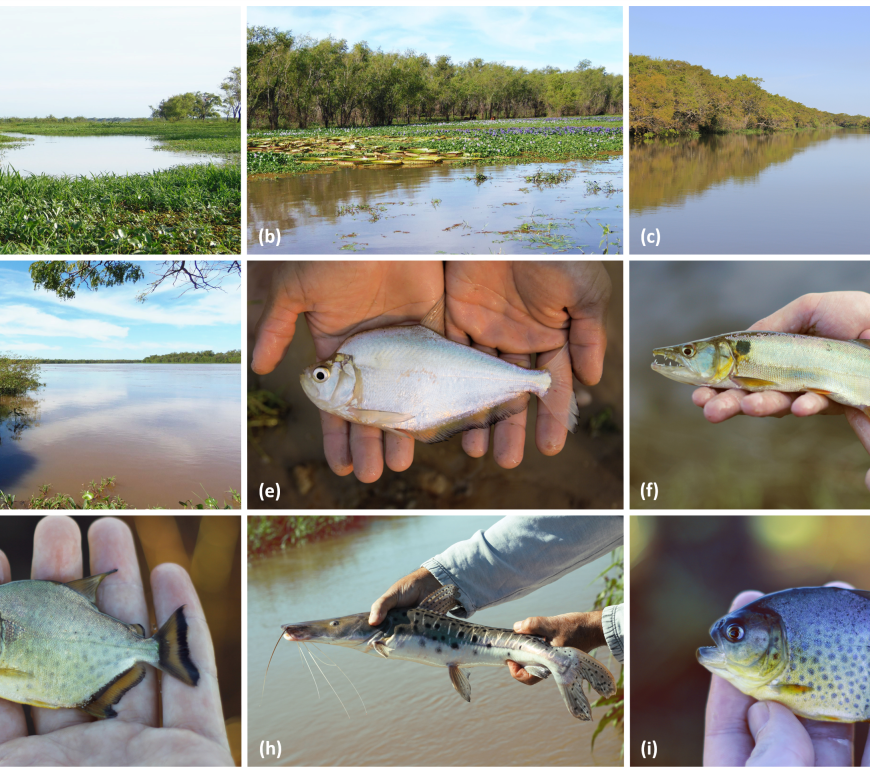
Este posteo fue proporcionado por Dalmiro Borzone Mas y Pablo Scarabotti y nos cuenta #StoryBehindthePaper para el trabajo “Simetrías y asimetrías en los roles topológicos de los peces depredadores entre las redes de ocurrencia y las tramas tróficas” el cual fue recientemente publicado en el Journal of Animal Ecology. En este estudio ellos exploran como las redes de ocurrencia y las tramas tróficas tienen una … Continue reading El tamaño si importa: ¿Como afectan los rasgos el rol de los peces depredadores en las tramas tróficas y redes espaciales en el Río Paraná Medio?

Size does matter: how do traits affect the role of predatory fish on food webs and spatial networks in the middle Paraná River?

This blog post is provided by Dalmiro Borzone Mas and Pablo Scarabotti and tells the #StoryBehindthePaper for the paper “Symmetries and asymmetries in the topological roles of piscivorous fishes between occurrence networks and food webs“, which was recently published in the Journal of Animal Ecology. In their study, they explore whether occurrence networks and food webs of the Paraná River have a modular structure and … Continue reading Size does matter: how do traits affect the role of predatory fish on food webs and spatial networks in the middle Paraná River?

Bee declines: what’s the stress all about?

This blog post is provided by Aoife Cantwell-Jones and tells the #StoryBehindThePaper for the paper “Signatures of increasing environmental stress in bumblebee wings over the past century: Insights from museum specimens”, which was recently published in the Journal of Animal Ecology. The authors looked at how bumblebee wing asymmetry has changed over the 20th century. They found that wing asymmetry started increasing around 1925 and … Continue reading Bee declines: what’s the stress all about?

Artificial selection in human-wildlife feeding interactions.

This blog post is provided by Laura L. Griffin and tells the #StoryBehindthePaper for the paper “Artificial selection in human-wildlife feeding interactions“, which was recently published in the Journal of Animal Ecology. In their study, they link human-wildlife feeding interactions with the production of heavier offspring, identifying these interactions as a driver for artificial selection. Here, author Laura L. Griffin tells us more. Humans are … Continue reading Artificial selection in human-wildlife feeding interactions.

Mountain lion predation on wild donkeys rewires an ancient food web

This blog post is provided by Erick Lundgren and tells the #StoryBehindThePaper for the paper “A novel trophic cascade between cougars and feral donkeys shapes desert wetlands“, which was recently published in the Journal of Animal Ecology. Contrary to popular belief, they find that mountain lions are capable of hunting wild donkeys, positively affecting wetlands due to changes in donkey activity levels. Around 12,000 years … Continue reading Mountain lion predation on wild donkeys rewires an ancient food web

Which genes and functions respond to environmental change?

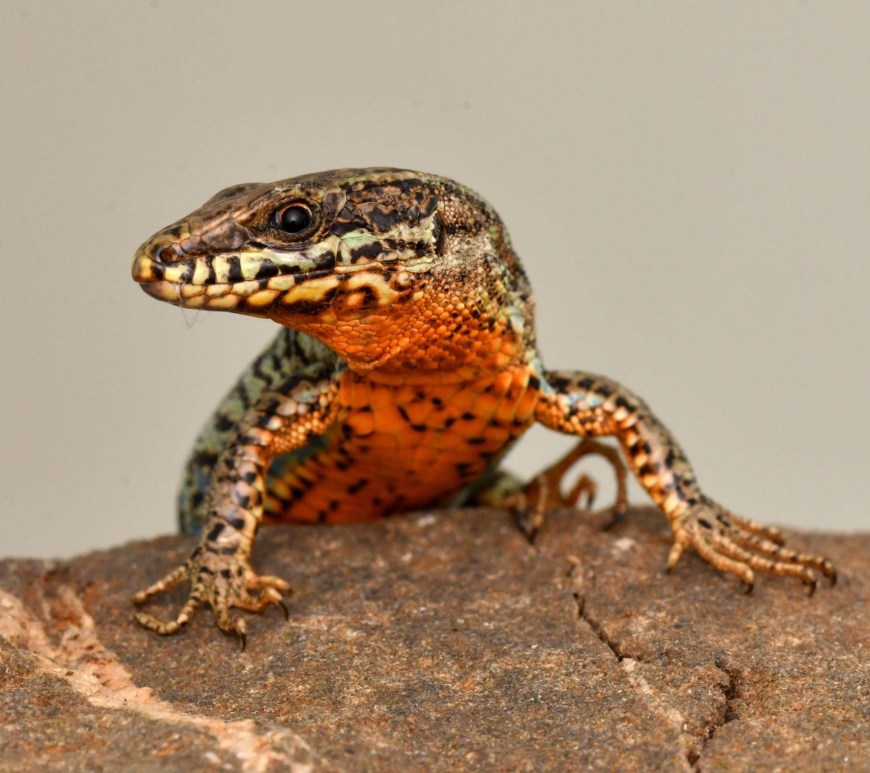
This blog post is provided by Katharina Wollenberg Valero and tells the #StoryBehindThePaper for the paper “Functional genomics of abiotic environmental adaptation in lacertid lizards and other vertebrates“, which was recently published in the Journal of Animal Ecology. This paper is part of the Journal of Animal Ecology Special Feature: “Understanding climate change response in the age of genomics”. In their study, they investigate which … Continue reading Which genes and functions respond to environmental change?

SPECIAL FEATURE: Understanding climate change response in the age of genomics

The June issue of Journal of Animal Ecology is out now and includes a Special feature, Understanding climate change response in the age of genomics. As global temperatures continue to rise, there is a major threat to species and ecosystems worldwide. In order to develop conservation and mitigation strategies, an understanding of how animal populations respond to changing environments is crucial. This Special Feature highlights … Continue reading SPECIAL FEATURE: Understanding climate change response in the age of genomics