Rainbow Research: Learning to be interdisciplinary: queer(ing) practice beyond binaries

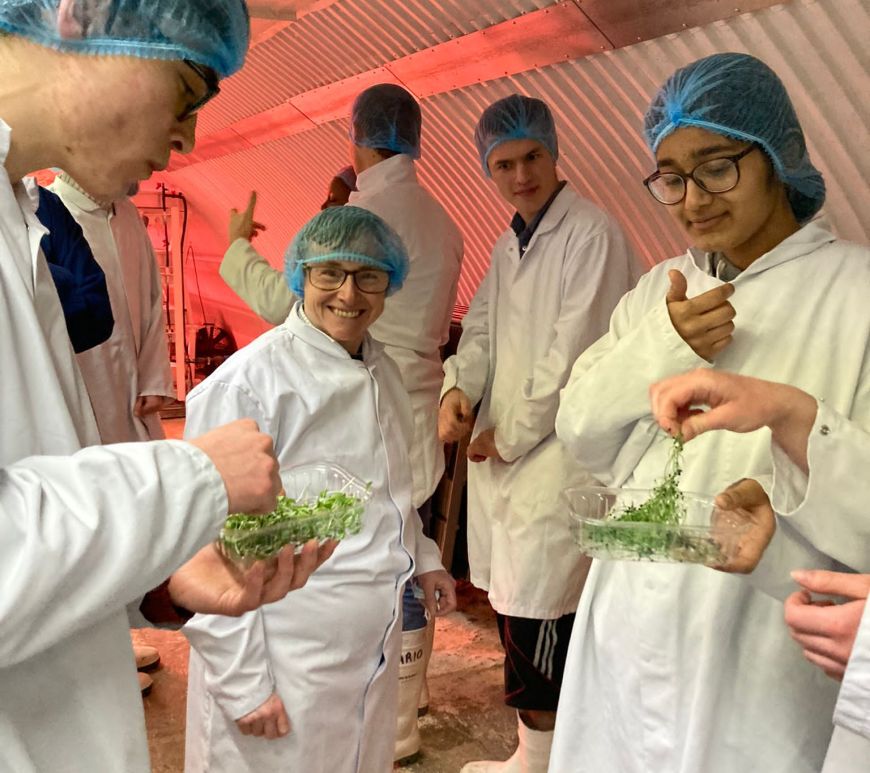
The Rainbow Research series returns to the British Ecological Society to celebrate Pride month 2022! These special posts promote visibility and share stories from STEM researchers who belong to the LGBTQIA2S+ community. Each post is connected to one of the themes represented by the colours in the Progress Pride flag (Daniel Quasar 2018). In this post, Ash Brockwell shares his story of Transgender Pride and working in interdisciplinary … Continue reading Rainbow Research: Learning to be interdisciplinary: queer(ing) practice beyond binaries

LET’S TALK ABOUT HUMMINGBIRDS, SEX & FLOWERS

This blog post is provided by María A. Maglianesi and tells the #StoryBehindThePaper for the paper “Behavioural and morphological traits influence sex-specific floral resource use by hummingbirds“, which was recently published in the Journal of Animal Ecology. In their study, they investigate how the differences in behaviour and physical form of male and female hummingbirds, even of the same species, changes their relationship with the … Continue reading LET’S TALK ABOUT HUMMINGBIRDS, SEX & FLOWERS

Rainbow Research: Transgender Pride

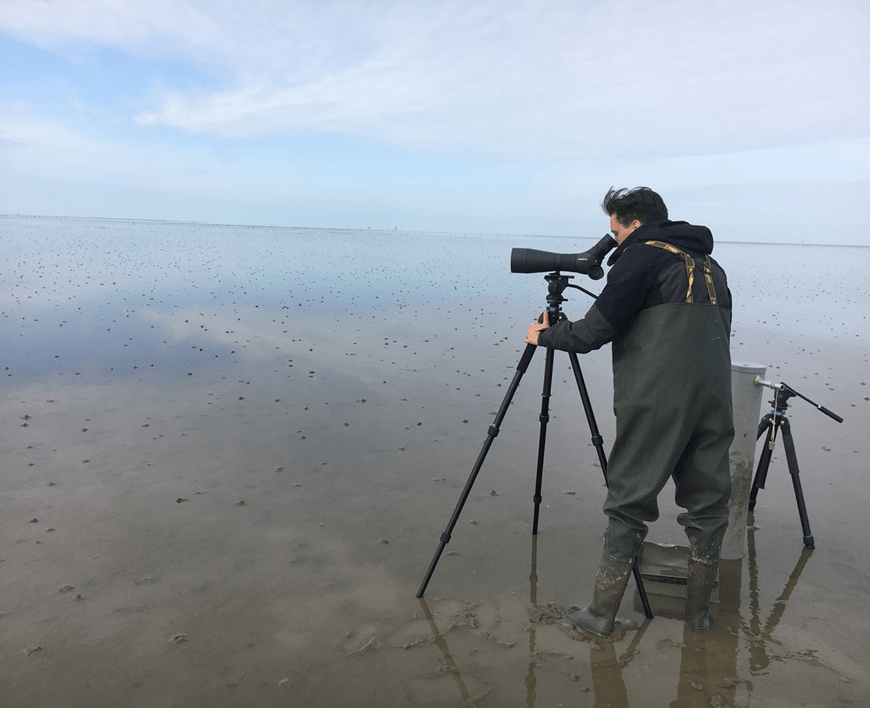
The Rainbow Research series returns to the British Ecological Society to celebrate Pride month 2022! These special posts promote visibility and share stories from STEM researchers who belong to the LGBTQIA2S+ community. Each post is connected to one of the themes represented by the colours in the Progress Pride flag (Daniel Quasar 2018). In this post, Mees van Laanen shares his story of studying birds in the Netherlands, … Continue reading Rainbow Research: Transgender Pride

Which genes and functions respond to environmental change?

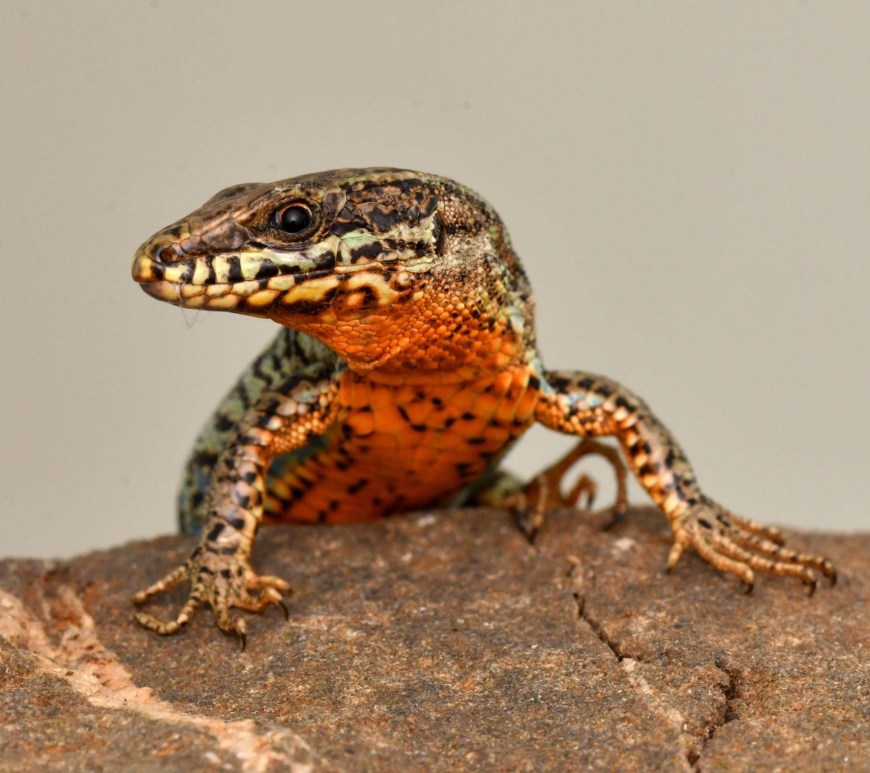
This blog post is provided by Katharina Wollenberg Valero and tells the #StoryBehindThePaper for the paper “Functional genomics of abiotic environmental adaptation in lacertid lizards and other vertebrates“, which was recently published in the Journal of Animal Ecology. This paper is part of the Journal of Animal Ecology Special Feature: “Understanding climate change response in the age of genomics”. In their study, they investigate which … Continue reading Which genes and functions respond to environmental change?

Songbird parents coordinate in space and time

This blog post is provided by Davide Baldan and tells the #StoryBehindThePaper for the paper “Songbird parents coordinate offspring provisioning at fine spatio-temporal scales“, which was recently published in the Journal of Animal Ecology. Being a parent is certainly not an easy job. It takes a considerable amount of time and energy to successfully raise offspring. That is why each parent would like, if possible, … Continue reading Songbird parents coordinate in space and time

Raising young from a bird’s eye view – adjusted social interactions keep a male godwit’s brood alive

This blog post is provided by Luke Wilde and tells the #StoryBehindThePaper for the paper “Behavioral adjustments in the social associations of a precocial shorebird mediate the costs and benefits of grouping decisions“, which was recently published in the Journal of Animal Ecology. Luke received his Masters from the University of South Carolina in 2021 before starting his doctoral research at the University of Wyoming … Continue reading Raising young from a bird’s eye view – adjusted social interactions keep a male godwit’s brood alive

Migrating through a storm: how do songbirds respond to environmental pressures across the annual cycle?

This blog post is provided by Devin de Zwaan and tells the #StoryBehindThePaper for the paper “The relative influence of cross-seasonal and local weather effects on the breeding success of a migratory songbird“, which was recently published in the Journal of Animal Ecology. Devin de Zwaan is a postdoctoral research fellow wrapping up contracts with the University of British Columbia (UBC) and Environment and Climate … Continue reading Migrating through a storm: how do songbirds respond to environmental pressures across the annual cycle?

Rainbow Research: Contribute to our Pride Month Blog Series!

Originally posted on Methods Blog:
Following the success of last year’s Rainbow Research blog series, we are once again inviting contributions from LGBTQ+ ecologists and evolutionary biologists for a series of blog posts across the British Ecological Society journals to celebrate UK Pride Month this June. The series aims to promote visibility and inclusion of researchers from the LGBTQ+ community with posts and videos promoting them… Continue reading Rainbow Research: Contribute to our Pride Month Blog Series!

Data type matters when known hosts are used to guide future virus surveillance

This blog post is provided by Nathaniel Mull and tells the #StoryBehindThePaper for the paper “Virus isolation data improve host predictions for New World rodent orthohantaviruses“, which was recently published in the Journal of Animal Ecology. Nathaniel is a PhD student in the Fayetteville Disease Ecology lab at University of Arkansas. His dissertation is broadly examining how habitat management and community interactions influence the infection … Continue reading Data type matters when known hosts are used to guide future virus surveillance

Predicting heat stress on seasonal tropical shores: why are “suboptimal” temperatures preferred by an intertidal snail?

This blog post is provided by Tommy Hui and tells the #StoryBehindThePaper for the paper “Why are “suboptimal” temperatures preferred in a tropical intertidal ectotherm?”, which was recently published in the Journal of Animal Ecology. The authors are all part of the Tropical Intertidal Ecology group (tidehku.com) at the Swire Institute of Marine Science (SWIMS), The University of Hong Kong. Tommy Hui and Sam Crickenberger … Continue reading Predicting heat stress on seasonal tropical shores: why are “suboptimal” temperatures preferred by an intertidal snail?