Sharks surf the slope: current updrafts reduce energy expenditure of aggregating marine predators

This blog post is provided by Yannis P. Papastamatiou, Gil Iosilevskii, Valentina Di Santo, Charlie Huveneers, Tarek Hattab, Serge Planes, Laurent Ballesta and Johann Mourier and tells the #StoryBehindThePaper for the paper ‘Sharks surf the slope: current updrafts reduce energy expenditure for aggregating marine predators‘, which was recently published in the Journal of Animal Ecology. Animals must continuously make decisions regarding which habitats to use. They … Continue reading Sharks surf the slope: current updrafts reduce energy expenditure of aggregating marine predators

Native predator loss opens all-year roadkill buffet for remaining scavengers

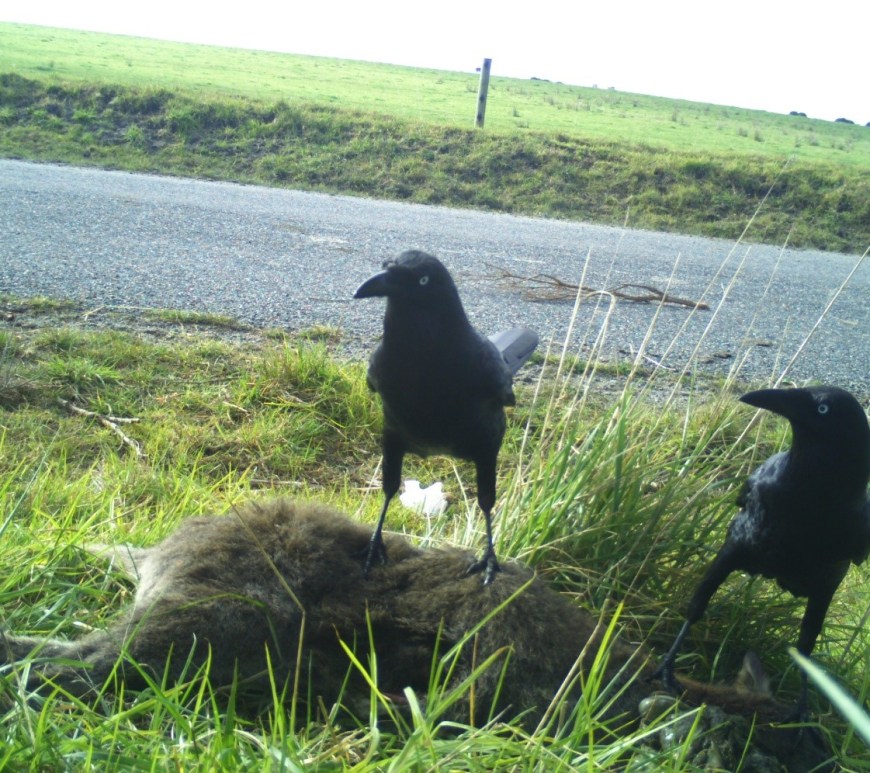
This blog post is provided by Matthew Fielding and tells the #StoryBehindThePaper for the paper ‘Roadkill islands: Carnivore extinction shifts seasonal use of roadside carrion by generalist avian scavenger’, which was recently published in the Journal of Animal Ecology. Matthew Fielding is a PhD student at the School of Natural Sciences at UTAS. A self-confessed “bird nerd”, you can usually find him in the Tasmanian wilderness … Continue reading Native predator loss opens all-year roadkill buffet for remaining scavengers

Rainbow Research: Nature

To celebrate UK Pride Month, the British Ecological Society journal blogs are hosting a ‘Rainbow Research’ series, which aims to promote visibility of STEM researchers from the LGBTQ+ community. Each post will be connected to a theme represented by one of the colours shown in the Progress Pride flag. In this post, Dr Numair Masud discusses the role scientists can play for LGBTQ+ activism, under the … Continue reading Rainbow Research: Nature

Can a generalist parasitoid act like Paine’s starfish?

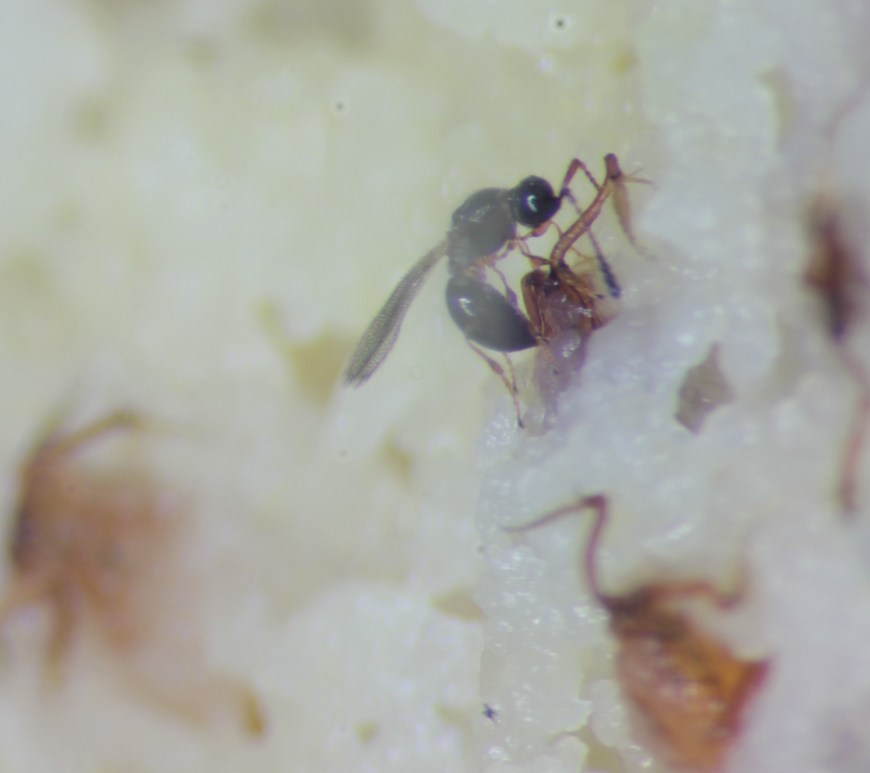
This blog post is provided by Jinlin Chen and Chris Terry and tells the #StoryBehindThePaper for the paper ‘Natural enemies have inconsistent impacts on the coexistence of competing species’, which was recently published in the Journal of Animal Ecology. A forgotten fruit in the kitchen will pretty quickly attract your attention by recruiting a swarm of fruit flies lingering around. Similar sights can be seen in … Continue reading Can a generalist parasitoid act like Paine’s starfish?

Animals in the driver’s seat: a methodological roadmap to animal-mediated nutrient translocation

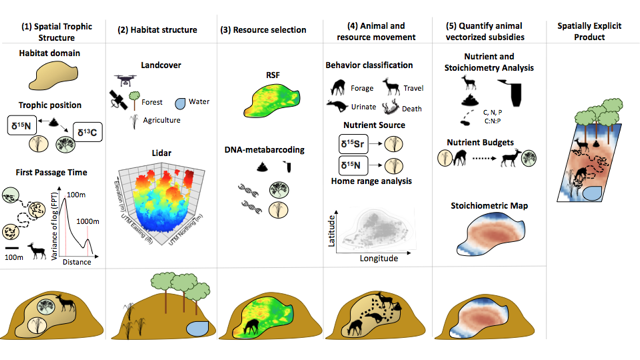
This blog post is provided by Kristy M. Ferraro and Diego Ellis-Soto and tells the #StoryBehindThePaper for their article “A methodological roadmap to quantify animal-vectored spatial ecosystem subsidies“, which was recently published in the Journal of Animal Ecology. Animals are constantly on the move – whether it’s the snow-shoe hare’s quick hop around its home range or a Galapagos tortoise’s seasonal migration up and down a … Continue reading Animals in the driver’s seat: a methodological roadmap to animal-mediated nutrient translocation

HOW DOES A FOOD WEB MAINTAIN ITS RESILIENCE?

This blog post is provided by Xiaoxiao Li and tells the #StoryBehindThePaper for the paper ‘Energetic constraints imposed on trophic interaction strengths enhance resilience in empirical and model food webs’, which was recently published in the Journal of Animal Ecology. The authors explored the underlying biological mechanisms behind the complex trophic interactions that enhance food web resilience. Food webs depict the trophic interactions, i.e. who eats … Continue reading HOW DOES A FOOD WEB MAINTAIN ITS RESILIENCE?

Effects of sea temperature on wild fish behaviour

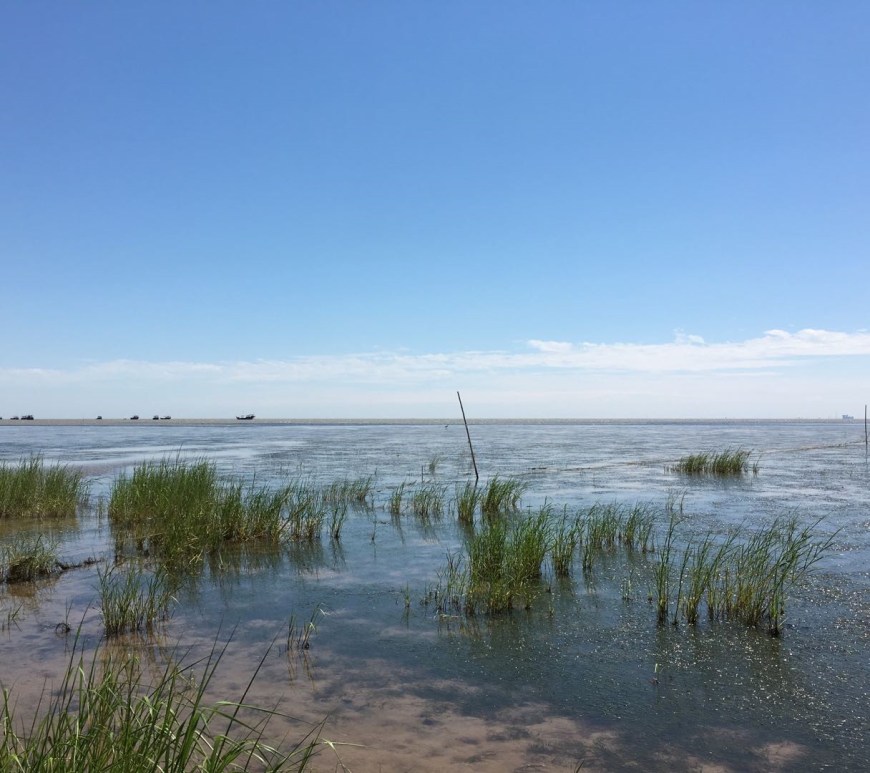
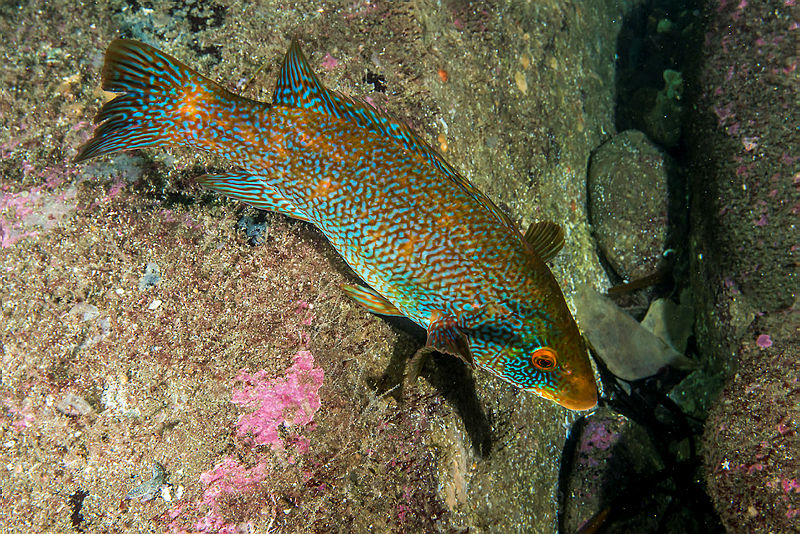
This blog post is provided by Carla Freitas, David Villegas‐Ríos, Even Moland and Esben Moland Olsen and tells the #StoryBehindThePaper for their article “Sea temperature effects on depth use and habitat selection in a marine fish community“, which was recently published in the Journal of Animal Ecology. A cod rests between two rocks at the bottom of a southern Norwegian fjord. It is a sunny summer … Continue reading Effects of sea temperature on wild fish behaviour

LET’S EAT TOGETHER: ATOMS FROM AMINO ACIDS REVEAL COMMON DOLPHINS’ FEEDING STRATEGY

This blog post is provided by Rocio Iliana Ruiz-Cooley, Tim Gerrodette and Susan Chivers and tells the #StoryBehindThePaper for the paper “Cooperative feeding in common dolphins as suggested by ontogenetic patterns in δ15N bulk and amino acids“, which was recently published in Journal of Animal Ecology. Featured image: Four short-beaked common dolphins surface to breathe, part of a group of about 250 dolphin foraging over … Continue reading LET’S EAT TOGETHER: ATOMS FROM AMINO ACIDS REVEAL COMMON DOLPHINS’ FEEDING STRATEGY

How global heating can disconnect tropical forests from freshwater ecosystems

This blog post is provided by Liam Nash and tells the #StoryBehindThePaper for his article “Warming of aquatic ecosystems disrupts aquatic-terrestrial linkages in the tropics“, with co-authors Pablo Antiqueira, Gustavo Romero, Paula de Omena, and Pavel Kratina, which was recently published in the Journal of Animal Ecology. Liam is currently doing a PhD at Queen Mary University of London on aquatic-terrestrial linkages around the world. Throughout … Continue reading How global heating can disconnect tropical forests from freshwater ecosystems

The enemy of my enemy is my friend: Nematode infection of non-pollinating fig wasps in Ficus petiolaris

This blog post is provided by Justin Van Goor, Finn Piatscheck, Derek Houston, and John Nason and tells the #StoryBehindThePaper for their article “Differential effects of nematode infection on pollinating and non-pollinating fig wasps: can shared antagonism provide net benefits to a mutualism?“, which was recently published in the Journal of Animal Ecology. Justin Van Goor completed his PhD at Iowa State University studying fig nematodes … Continue reading The enemy of my enemy is my friend: Nematode infection of non-pollinating fig wasps in Ficus petiolaris