Sex matters in the race to combat climate change

This blog post is provided by Rachael Y. Dudaniec, Alexander R. Carey, Erik I. Sve­­nsson, Bengt Hansson, Chuan Ji Yong and Lesley T. Lancaster and tells the #StoryBehindThePaper for the paper ‘Latitudinal clines in sexual selection, sexual size dimorphism, and sex‐specific genetic dispersal during a poleward range expansion’, which was recently published in the Journal of Animal Ecology. As climate change is facilitating many species to … Continue reading Sex matters in the race to combat climate change

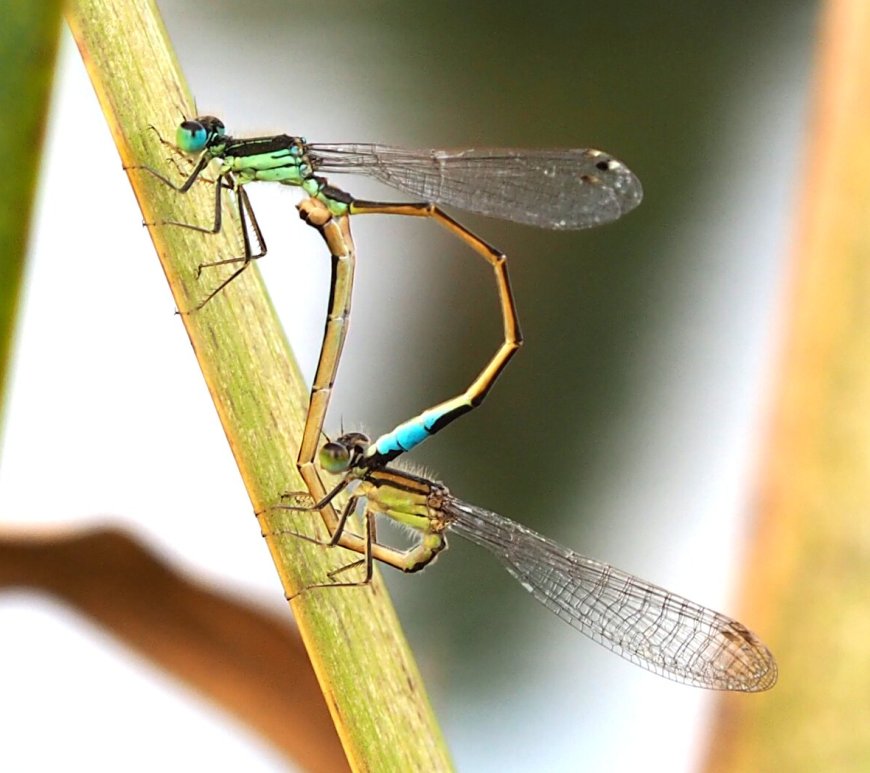
Evolution of cold tolerance and thermal plasticity in life history, behaviour and physiology during a poleward range expansion

This blog post is provided by José A. Carbonell, Ying-Jie Wang & Robby Stoks and tells the #StoryBehindThePaper for the article “Evolution of cold tolerance and thermal plasticity in life history, behaviour and physiology during a poleward range expansion“, which was recently published in Journal of Animal Ecology. Many species are moving polewards due to climate change. During these expansions, species encounter novel thermal regimes … Continue reading Evolution of cold tolerance and thermal plasticity in life history, behaviour and physiology during a poleward range expansion

Why Do We Sometimes See “Random” Viral Outbreaks?

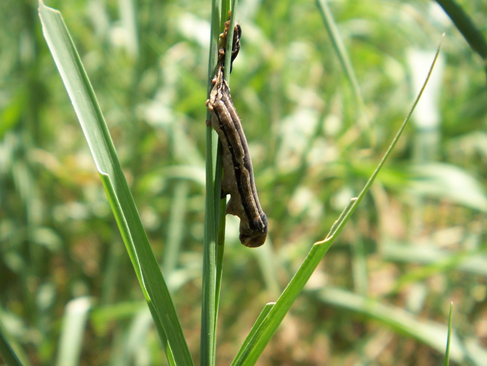
This blog post is provided by Rob Graham (@DrRIGraham) and Ken Wilson (@spodoptera007) and tells the #StoryBehindThePaper for the paper “Trans-generational viral transmission and immune priming are dose-dependent”, which was recently published in Journal of Animal Ecology. The authors found that vertical transmission of virus and priming of the immune system are both dependent on the magnitude of the viral challenge in an insect-pathogen system. … Continue reading Why Do We Sometimes See “Random” Viral Outbreaks?

Moving forward with cheetah research and conservation

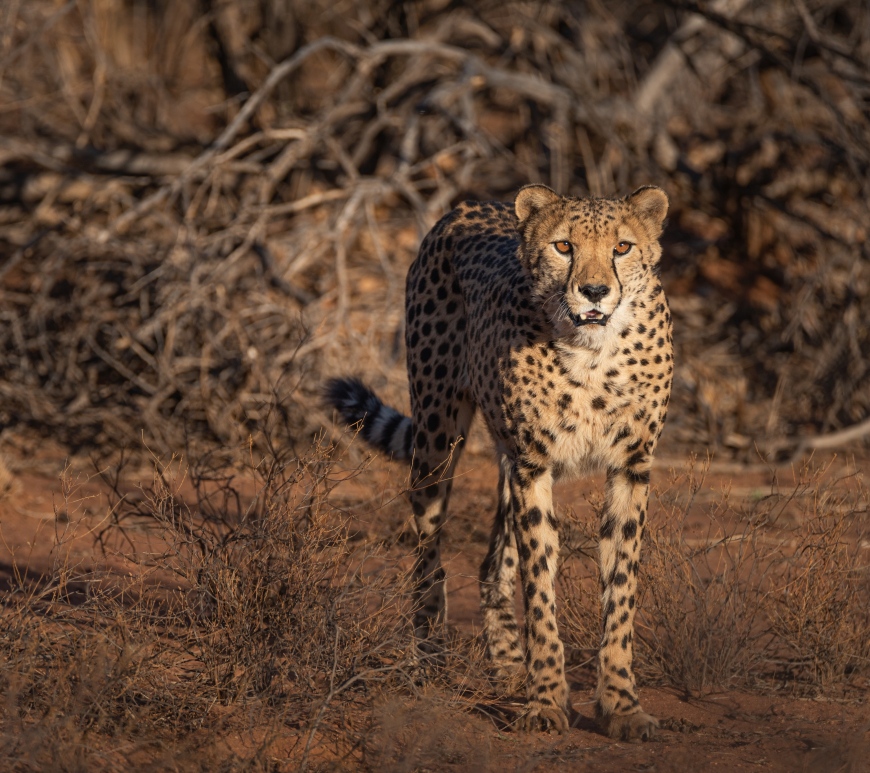
This blog post is provided by Cédric Scherer and Jörg Melzheimer after winning the ‘pretty map’ category of MoveMapCompetition from the BES Movement Ecology SIG The cheetah is the rarest big cat species in Africa and its numbers have substantially decreased over the last decades to now less than 7,000 adult individuals. In central Namibia, one of the most important strongholds of the species, the cheetahs … Continue reading Moving forward with cheetah research and conservation

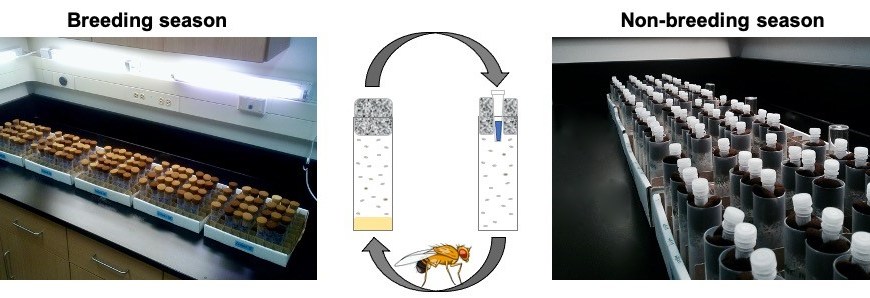
Time flies: detecting seasonal declines in experimental populations of Drosophila

This blog post is provided by Joseph Burant and Ryan Norris and tells the #StoryBehindThePaper for the paper “Early warning indicators of population collapse in a seasonal environment“, which was recently published in Journal of Animal Ecology. In this post, Joseph Burant and Ryan Norris introduce the experiment behind their recent paper in Journal of Animal Ecology, in which they and their co-authors explore the … Continue reading Time flies: detecting seasonal declines in experimental populations of Drosophila

Daylength is an ultimate factor of migration

This blog post is provided by Ivan Pokrovsky, Andrea Kölzsch, Sherub Sherub, Wolfgang Fiedler, Peter Glazov, Olga Kulikova, Martin Wikelski and Andrea Flack and tells the #StoryBehindThePaper for the article “Longer days enable higher diurnal activity for migratory birds“, which was recently published in Journal of Animal Ecology. In general, animals attempt to live in conditions that fit them best. Species’ fitness results from a tradeoff between … Continue reading Daylength is an ultimate factor of migration

Asymmetric foraging in aquatic animals

This blog post is provided by Junjie Zheng and tells the #StoryBehindThePaper for the paper “Asymmetric foraging lowers the trophic level and omnivory in natural food webs“, which was recently published in Journal of Animal Ecology. The authors found a prevalence of asymmetric foraging in natural aquatic food webs. Featured image by Tingnan Zhou Food webs depict the network of “who eats whom” in nature. … Continue reading Asymmetric foraging in aquatic animals

Eurasian reed warbler (still) benefits from climate change

This blog post is provided by Lucyna Halupka and tells the #StoryBehindThePaper for their article “Fitness consequences of longer breeding seasons of a migratory passerine under changing climatic conditions“, which was recently published in Journal of Animal Ecology Most changes in the world have opposing effects, positive or negative, on different individuals or groups. This concerns for example the current situation during the Covid-19 pandemic, … Continue reading Eurasian reed warbler (still) benefits from climate change

Blown away: How male pectoral sandpipers look for their next partner

This blog post is provided by Johannes Krietsch  after winning the nerdy” category category of MoveMapCompetition from the BES Movement Ecology SIG. Congratulations Johannes! A key aspect in the study of animal movement is to understand the interaction between the moving subject and the medium in which it moves. In the case of flying birds, the medium is the atmosphere. Flying can be energetically costly … Continue reading Blown away: How male pectoral sandpipers look for their next partner

When, where, and why are soaring migrants dying? Geographic differences in the survival of the globally threatened Egyptian vulture

This blog post is provided by Evan Buechley, Ron Efrat and Steffen Oppel and tells the #StoryBehindThePaper for their article “Differential survival throughout the full annual cycle of a migratory bird presents a life history trade-off“, which was recently published in the Journal of Animal Ecology. Evan Buechley received his PhD from the University of Utah with a thesis focused on the movement ecology and … Continue reading When, where, and why are soaring migrants dying? Geographic differences in the survival of the globally threatened Egyptian vulture