Invasive species and the carp-ocalypse

This blog post is provided by Victoria Dominguez Almela, Josie South & Robert Britton and tells the #StoryBehindThePaper for the paper ‘Predicting the competitive interactions and trophic niche consequences of a globally invasive fish with threatened native species‘, which was recently published in the Journal of Animal Ecology. Non-native species are a problem in the environment when they establish new populations and disperse – i.e. … Continue reading Invasive species and the carp-ocalypse

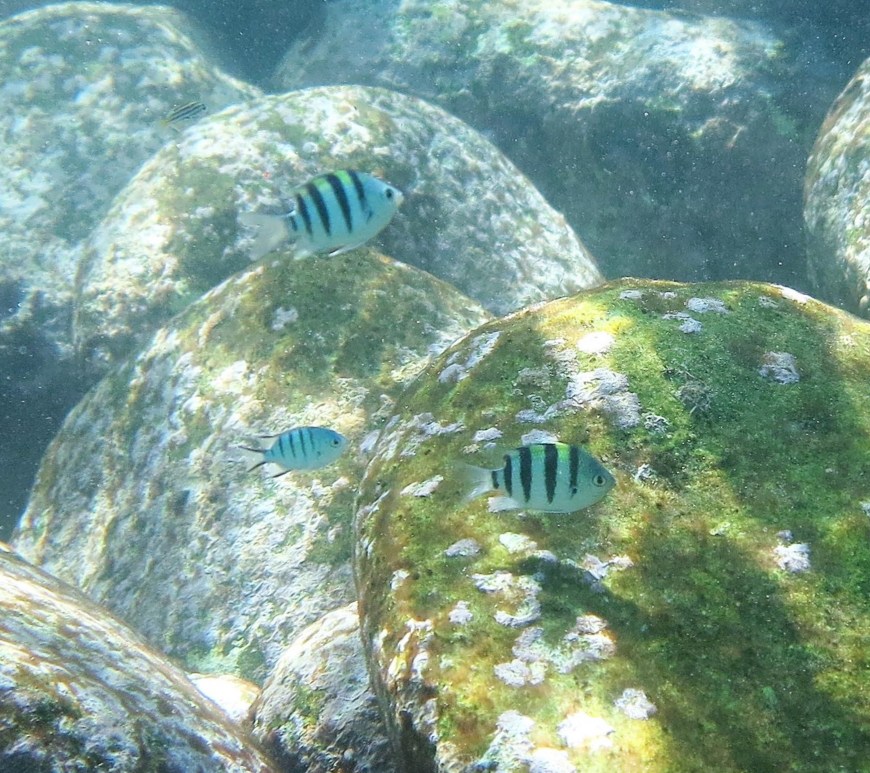
Studying Abroad With A Bahamian Coastal Fish

This blog post tells the #StoryBehindThePaper from the perspective of one author, Matt Jenkins, for the article “Natural and anthropogenic sources of habitat variation influence exploration behaviour, stress response and brain morphology in a coastal fish” by Matt Jenkins, Jack Cummings, Alex Cabe, Kaj Hulthén, Nils Peterson, and Brian Langerhans, which was recently published in the Journal of Animal Ecology. As the human population continuously … Continue reading Studying Abroad With A Bahamian Coastal Fish

Alliance of ecologists and physiologists to study the effect of size and food quantity on muscle metabolism in the European sardine Sardina pilchardus

This blog post is provided by Elisa Thoral, Claire Saraux and Loïc Teulier and tells the #StoryBehindThePaper for the paper ‘Changes in foraging mode caused by a decline in prey size have major bioenergetic consequences for a small pelagic fish’, which was recently published in the Journal of Animal Ecology. Elisa Thoral (PhD student) and Loïc Teulier (her thesis co-director), are from the University of Lyon in France. … Continue reading Alliance of ecologists and physiologists to study the effect of size and food quantity on muscle metabolism in the European sardine Sardina pilchardus

Songbirds harbour different microbes depending on where they live

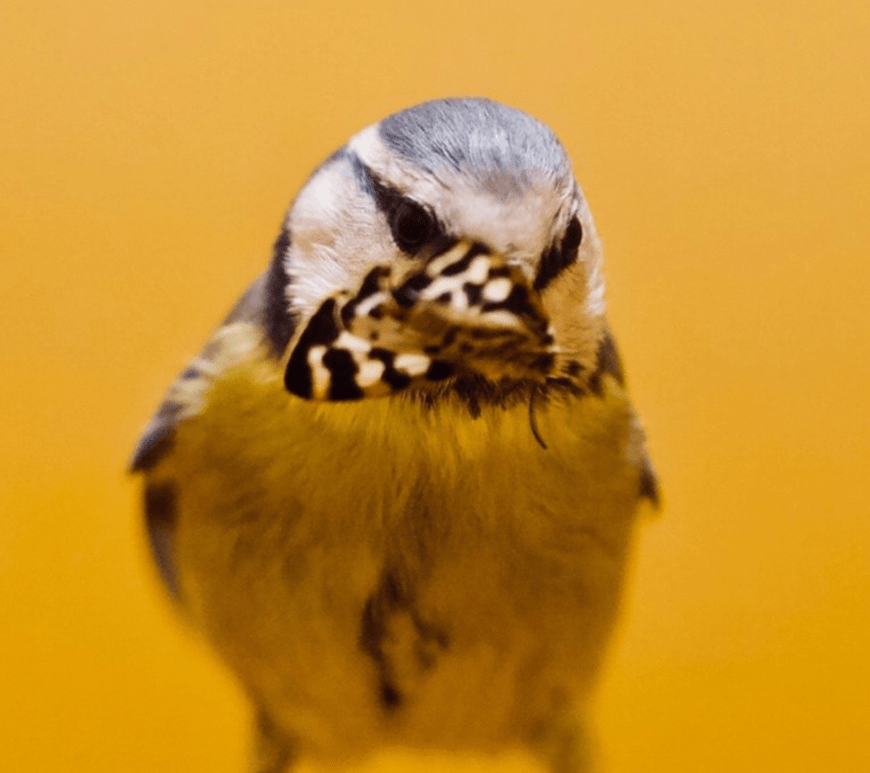
This blog post is provided by Leanne Grieves and tells the #StoryBehindThePaper for the paper ‘Preen gland microbiota of songbirds differ across populations but not sexes’, which was recently published in the Journal of Animal Ecology. Microbiome research is a hot topic. Exciting new studies have found links between the symbiotic microbes (bacteria, fungi, archaea and protists) that live naturally on animals’ bodies and animal health, fitness … Continue reading Songbirds harbour different microbes depending on where they live

KALAHARI APARTMENT BLOCKS

This blog post is provided by Anthony M. Lowney and Robert L. Thomson from the Fitzpatrick Institute of African Ornithology, University of Cape Town and tells the #StoryBehindThePaper for the paper ‘Ecological engineering across a temporal gradient: sociable weaver colonies create year-round animal biodiversity hotspots’, which was recently published in the Journal of Animal Ecology. Sociable weavers (Philetairus socius) are small passerine birds, no bigger than … Continue reading KALAHARI APARTMENT BLOCKS

Sharks surf the slope: current updrafts reduce energy expenditure of aggregating marine predators

This blog post is provided by Yannis P. Papastamatiou, Gil Iosilevskii, Valentina Di Santo, Charlie Huveneers, Tarek Hattab, Serge Planes, Laurent Ballesta and Johann Mourier and tells the #StoryBehindThePaper for the paper ‘Sharks surf the slope: current updrafts reduce energy expenditure for aggregating marine predators‘, which was recently published in the Journal of Animal Ecology. Animals must continuously make decisions regarding which habitats to use. They … Continue reading Sharks surf the slope: current updrafts reduce energy expenditure of aggregating marine predators

Native predator loss opens all-year roadkill buffet for remaining scavengers

This blog post is provided by Matthew Fielding and tells the #StoryBehindThePaper for the paper ‘Roadkill islands: Carnivore extinction shifts seasonal use of roadside carrion by generalist avian scavenger’, which was recently published in the Journal of Animal Ecology. Matthew Fielding is a PhD student at the School of Natural Sciences at UTAS. A self-confessed “bird nerd”, you can usually find him in the Tasmanian wilderness … Continue reading Native predator loss opens all-year roadkill buffet for remaining scavengers

Rainbow Research: Nature

To celebrate UK Pride Month, the British Ecological Society journal blogs are hosting a ‘Rainbow Research’ series, which aims to promote visibility of STEM researchers from the LGBTQ+ community. Each post will be connected to a theme represented by one of the colours shown in the Progress Pride flag. In this post, Dr Numair Masud discusses the role scientists can play for LGBTQ+ activism, under the … Continue reading Rainbow Research: Nature

Can a generalist parasitoid act like Paine’s starfish?

This blog post is provided by Jinlin Chen and Chris Terry and tells the #StoryBehindThePaper for the paper ‘Natural enemies have inconsistent impacts on the coexistence of competing species’, which was recently published in the Journal of Animal Ecology. A forgotten fruit in the kitchen will pretty quickly attract your attention by recruiting a swarm of fruit flies lingering around. Similar sights can be seen in … Continue reading Can a generalist parasitoid act like Paine’s starfish?

Animals in the driver’s seat: a methodological roadmap to animal-mediated nutrient translocation

This blog post is provided by Kristy M. Ferraro and Diego Ellis-Soto and tells the #StoryBehindThePaper for their article “A methodological roadmap to quantify animal-vectored spatial ecosystem subsidies“, which was recently published in the Journal of Animal Ecology. Animals are constantly on the move – whether it’s the snow-shoe hare’s quick hop around its home range or a Galapagos tortoise’s seasonal migration up and down a … Continue reading Animals in the driver’s seat: a methodological roadmap to animal-mediated nutrient translocation