Parenting on the Edge

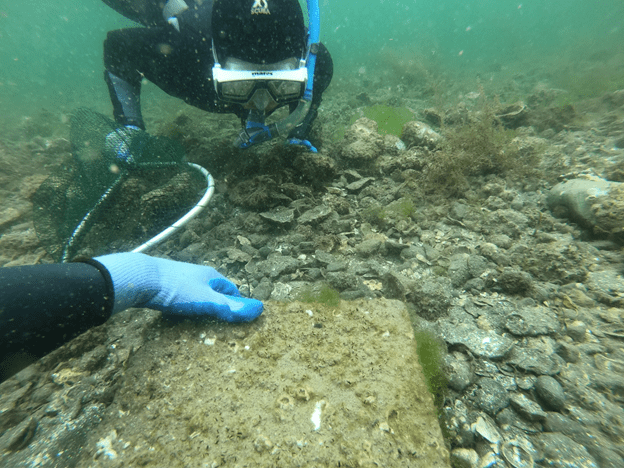
This blog post is provided by Nicole Yee and Nick Brown tell the #StoryBehindThePaper for the paper “Consequences of nest site selection vary along a tidal gradient”, which was recently published in Journal of Animal Ecology. Parenting is a balancing act—making sacrifices is a daily reality as parents strive to raise healthy children. While the needs of parents and their children can match up, all … Continue reading Parenting on the Edge

The high abundances of small-ranged island endemics reduce their extinction risks, but only in natural habitats

This blog post is provided by Rachakonda Sreekar and Eben Goodale and tells their #StoryBehindthePaper for the article ‘Endemicity and land‐use type influence the abundance–range‐size relationship of birds on a tropical island’, which was recently published in Journal of Animal Ecology. Have you heard of a species going extinct? More often than not, it was an island endemic, like the Dodo, the Thylacine, and the … Continue reading The high abundances of small-ranged island endemics reduce their extinction risks, but only in natural habitats

Reproductive senescence in a small fish: the case of the Nothobranchius furzeri

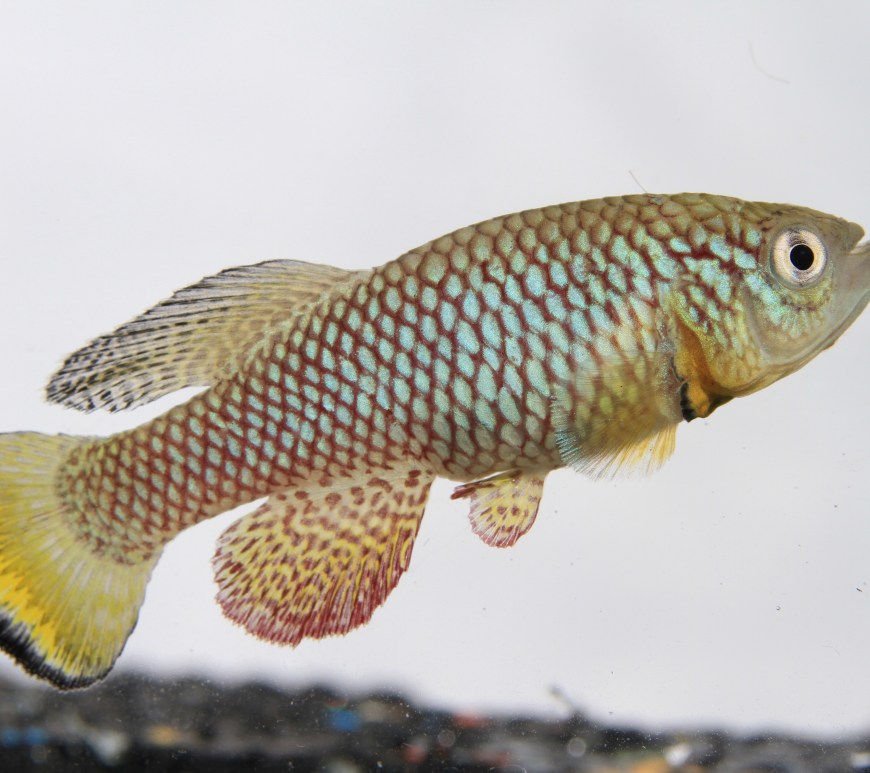
This blog post is provided by Jakub ĆœĂĄk and Martin Reichard and tells their #StoryBehindthePaper for the article ‘Reproductive senescence in a short-lived fish’ which was recently published in Journal of Animal Ecology. Jakub ĆœĂĄk is a PhD candidate at Charles University, Czech Republic. He combines the field and laboratory approach to understand various aspects of ageing in short-lived annual killifish. Martin Reichard is senior … Continue reading Reproductive senescence in a small fish: the case of the Nothobranchius furzeri

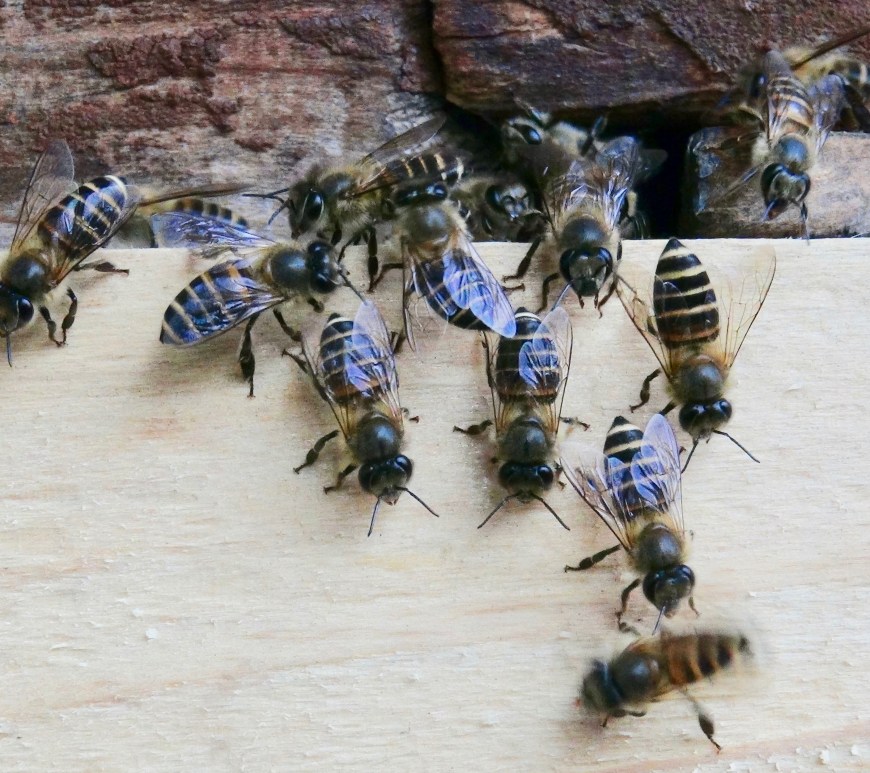
Stressful environments put bumblebees at risk

This blog post is provided by Cristina BotĂ­as and Dave Goulson and tells the #StoryBehindThePaper for the article “Multiple stressors interact to impair the performance of bumblebee (Bombus terrestris) colonies”. Cristina BotĂ­as is a Research Fellow at the Apicultural and Agri-environmental Research Center (CIAPA-IRIAF, Spain), working on a range of applied research related to bee health. Dave Goulson is a Professor of Biology at the University … Continue reading Stressful environments put bumblebees at risk

Personality and pace-of-life in free-ranging lemon sharks: a field recipe

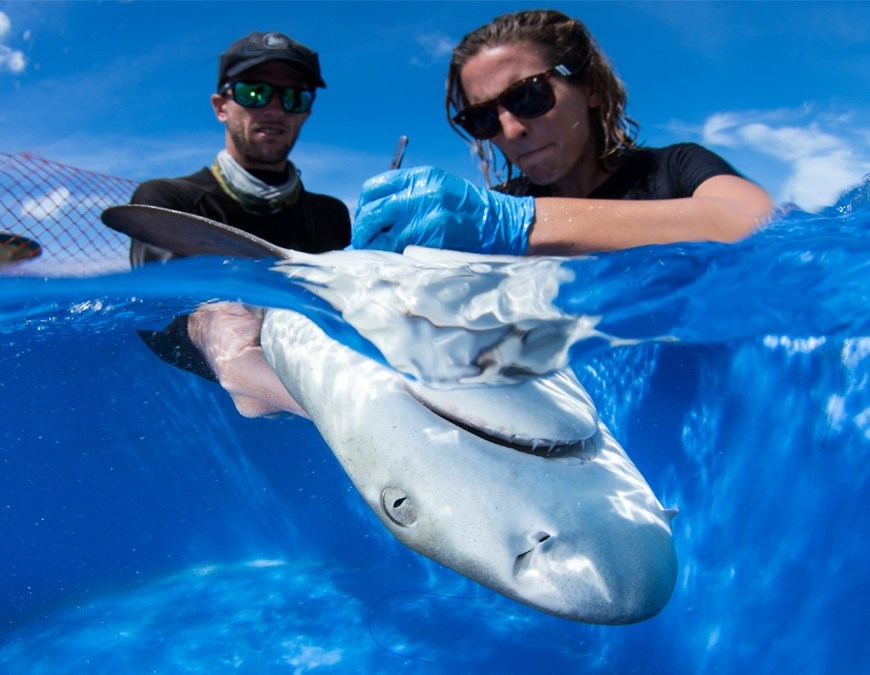
This blog post is provided by FĂ©licie Dhellemmes and tells the #StoryBehindThePaper for the article “Personality‐driven life history trade‐offs differ in two subpopulations of free‐ranging predators”. Ingredients: Two (or more) wild populations of juvenile lemon sharks which are known to differ in their predator abundance 15 to 23 people who are ready to fish for twelve exceptionally long nights (every year, since 1993 (or start A.S.A.P.)), to … Continue reading Personality and pace-of-life in free-ranging lemon sharks: a field recipe

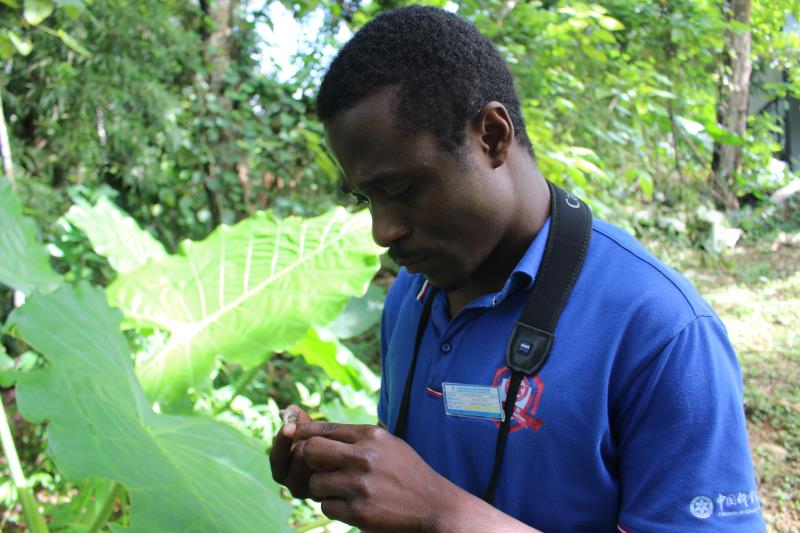
A Journey to understanding, saving and conserving the Nigerian Biodiversity

This blog post is provided by Gideon Deme Gywa and is a special feature for Black History Month, in which the British Ecological Society (BES) journals are celebrating the work of Black ecologists from around the world and sharing their stories. Introduction I am Gideon Deme Gywa from Ganawuri (a small hub) in Plateau State, Nigeria. Growing up with my paternal grandparents was fun, and it really … Continue reading A Journey to understanding, saving and conserving the Nigerian Biodiversity

A Migratory Bird’s Journey from the Andes of Colombia to North America: leave early and take it easy or leave late and migrate fast?

This blog post is provided by Ana M. GonzĂĄlez and tells the #StoryBehindThePaper for the article “Earlier and slower or later and faster: Spring migration pace linked to departure time in a Neotropical migrant songbird”. Several species of migratory birds, many populations of which are in steep decline, spend the winter exclusively in montane forest in the Andes of northern South America between 1000-2500 m … Continue reading A Migratory Bird’s Journey from the Andes of Colombia to North America: leave early and take it easy or leave late and migrate fast?

How butterflies keep their cool: taking butterfly temperatures to understand the impacts of climate change.

This blog post is provided by Dr. Andrew Bladon and tells the  #StoryBehindThePaper for the article “How butterflies keep their cool: Physical and ecological traits influence thermoregulatory ability and population trends“, which was recently published in Journal of Animal Ecology. They say that only mad dogs and Englishmen go out in the midday sun. Perhaps we should add lepidopterists – people who study butterflies – to … Continue reading How butterflies keep their cool: taking butterfly temperatures to understand the impacts of climate change.

Up silt creek without a niche: how do stream food webs respond to sedimentation?

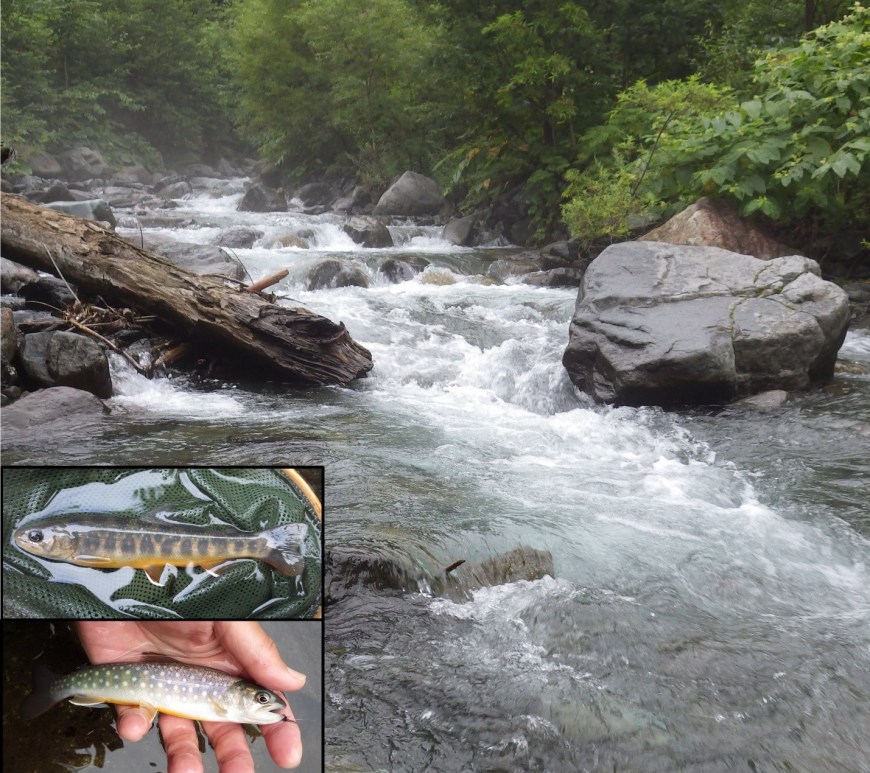
This blog post is provided by Francis J. Burdon, Angus McIntosh, and Jon Harding and tells the #StoryBehindThePaper for their article ”Mechanisms of landscape disturbance: evidence from landscape disturbance”. Food webs represent a holistic systems approach to characterizing patterns of biodiversity and energy flow by describing trophic interactions between consumers and resources. However, how these ecological networks respond to natural and anthropogenic perturbations remains poorly … Continue reading Up silt creek without a niche: how do stream food webs respond to sedimentation?