Explaining population variability in marine fishes

Populations are not stable. But despite decades of study, the drivers of population variability are yet to be fully understood. A new study in the Journal of Animal Ecology suggests that somatic growth variation can be as important as early life‐history survival in driving population fluctuations in some marine fish species. Quantitative ecologist Dr Christine Stawitz led the study as part of her dissertation research with … Continue reading Explaining population variability in marine fishes

The baboons of Amboseli

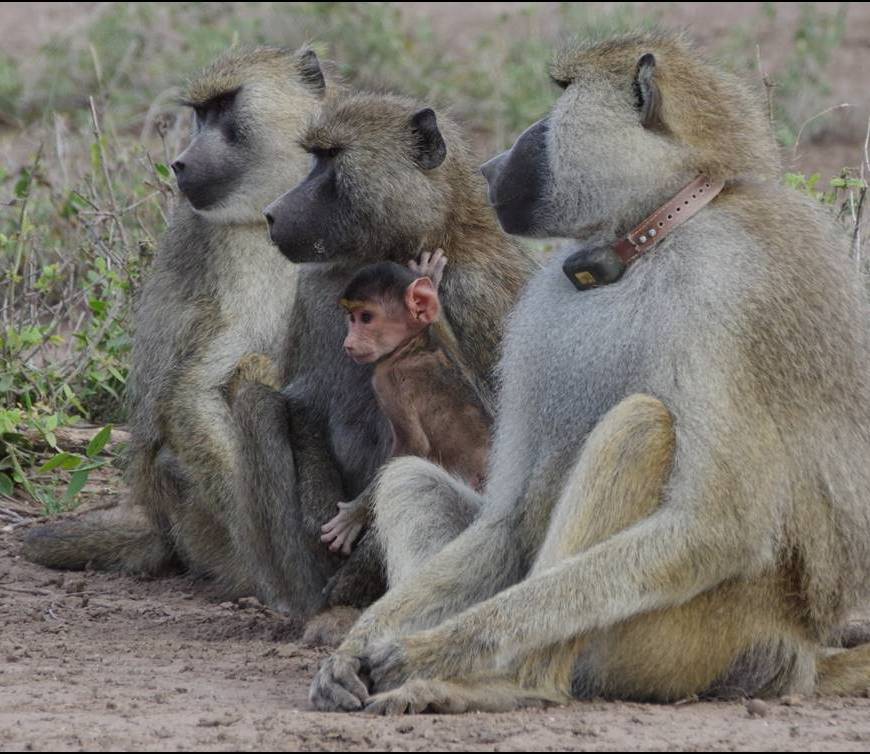
Founded in 1971, the Amboseli Baboon Project is one of the longest-running studies of wild primates in the world. The project centres on the savannah baboon, Papio cynocephalus that lives in the Amboseli basin of southern Kenya and tracks hundreds of known individuals in several social groups over the course of their entire lives. With over 40 years of data, the project can answer questions … Continue reading The baboons of Amboseli

A Colourful Distribution

Skinks come in a variety of colours and patterns. But why and how are these colour polymorphisms maintained? Genevieve Matthews, a PhD student at Monash University, has been studying skinks for four years. Her research examines the maintenance of genetic variation in the form of colour pattern polymorphism in the delicate skink, and the costs associated with sexual conflict. Here, Genevieve summarises her recent publication … Continue reading A Colourful Distribution

Go Big or Go Home: Pitcher plant hosts and their crab spider tenants

The carnivorous traps of Nepenthes pitcher plants are sometimes inhabited by a species of crab spider which ambushes insects as they arrive at traps. Recently published work by Weng Ngai Lam and Hugh Tan showed that this apparent thievery is actually beneficial to the plants — but only when crab spiders attack big prey with high nutrient contents. Pitcher plants are carnivorous plants that trap … Continue reading Go Big or Go Home: Pitcher plant hosts and their crab spider tenants

Making the most of #BES2018 – Highlights of events to make you a teaching pro!

It can be tricky being an academic, managing so many competing demands can mean that we might struggle to find time to be a great teacher as well as carrying out our research. With the release of the packed programme for the BES Annual Meeting, now is a great time to start thinking about how you might be able to fit in a few events … Continue reading Making the most of #BES2018 – Highlights of events to make you a teaching pro!

Respuestas ecofisiológicas al cambio climático

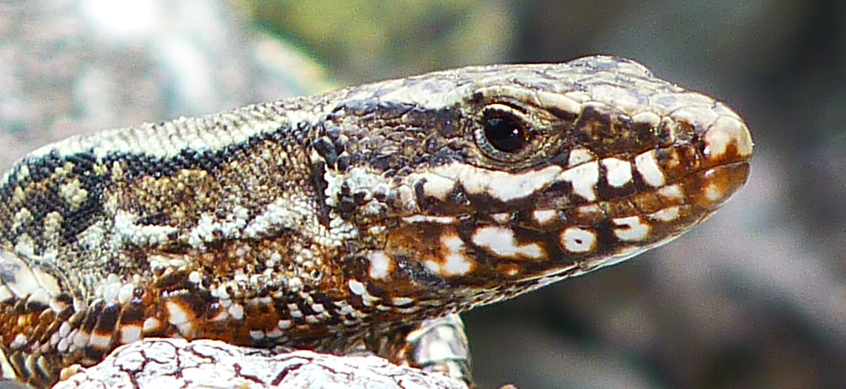
La variación en la tolerancia térmica entre poblaciones modifica los periodos de actividad diurna determinados por el clima en las especies de sangre fría. Este fenómeno queda ilustrado para lagartijas y lagartos ibéricos en un artículo recientemente publicado en el Journal of Animal Ecology. Dr. Salvador Herrando Pérez es un ecólogo generalista con experiencia en ecología de comunidades, demografía, ecofisiología y paleoecología, y realiza en … Continue reading Respuestas ecofisiológicas al cambio climático

Is beta-diversity the elephant in the room?

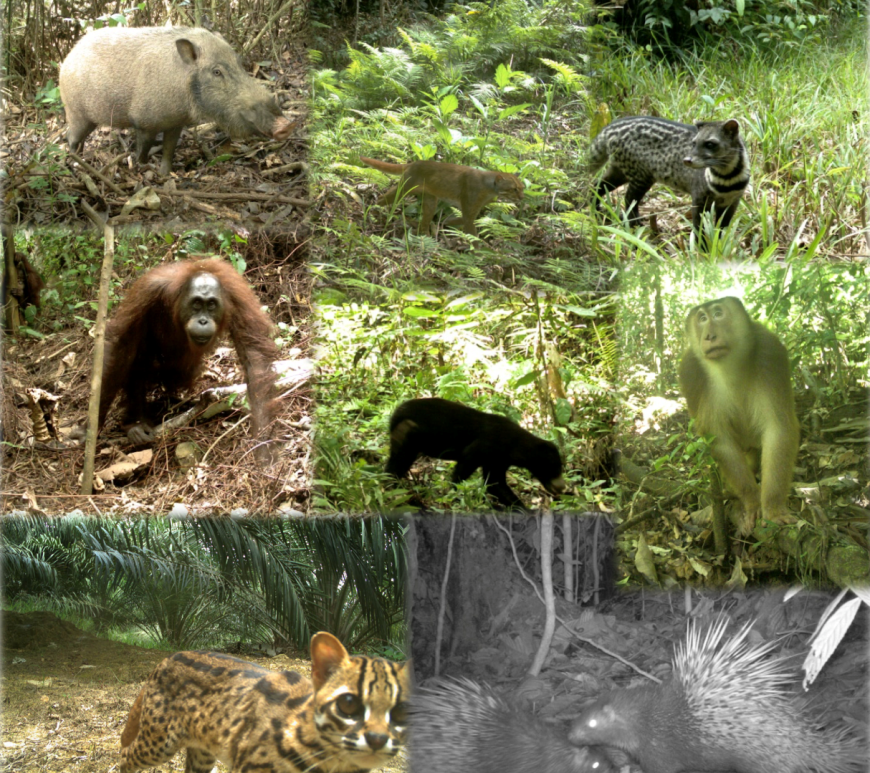
Do you understand beta-diversity? If not, you are likely not alone. Here to explain this under-appreciated concept is Dr Ollie Wearn, an AXA Research Fellow at the Institute of Zoology, London. He is interested in a broad-range of topics, including land-use change, habitat fragmentation, biodiversity monitoring and practically anything involving camera-trapping and-or mammals. There’s a problem in land-use change research, and we’re not talking about … Continue reading Is beta-diversity the elephant in the room?

Ecophysiological feedbacks under climate change

Variability in heat tolerance among populations modifies the climate-driven periods of diurnal activity expected for ectotherm species. This phenomenon is illustrated for Iberian lizards in a paper recently published in the Journal of Animal Ecology. Lead author Dr Salvador Herrando-Pérez is a generalist ecologist with expertise in community ecology, demography, ecophysiology and palaeoecology, and currently undertaking his second postdoc. Here, he explains the approach used … Continue reading Ecophysiological feedbacks under climate change

How can you help Arctic skuas?

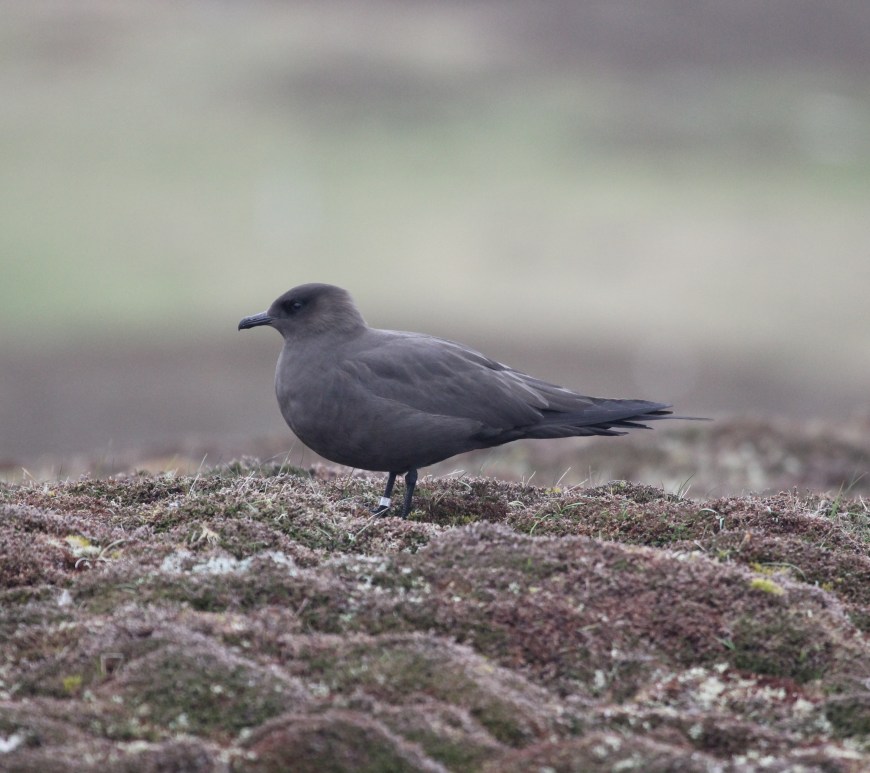
Continuing from last week’s post describing the challenges faced by Arctic skuas, Dr Allan Perkins (RSPB Centre for Conservation Science) is back with some advice on what you can to to help. Arctic skuas may well be heading towards extinction as a breeding species within the UK. That is the stark warning from our recent study, which found that Arctic skuas have declined by 81% in Scotland. What … Continue reading How can you help Arctic skuas?

Understanding what’s driving Arctic skua declines in Scotland

Dr Allan Perkins is a Senior Conservation Scientist at the RSPB Centre for Conservation Science. Here, he describes some of the challenges faced by Arctic skuas and his paper assessing ‘bottom-up’ processes, which was recently published in JAE. Arctic skuas are spectacular birds, pirates among our seabird communities. Having spent the winter, off Namibia and South Africa, they return each spring to nest on the coastal … Continue reading Understanding what’s driving Arctic skua declines in Scotland