Sticky post

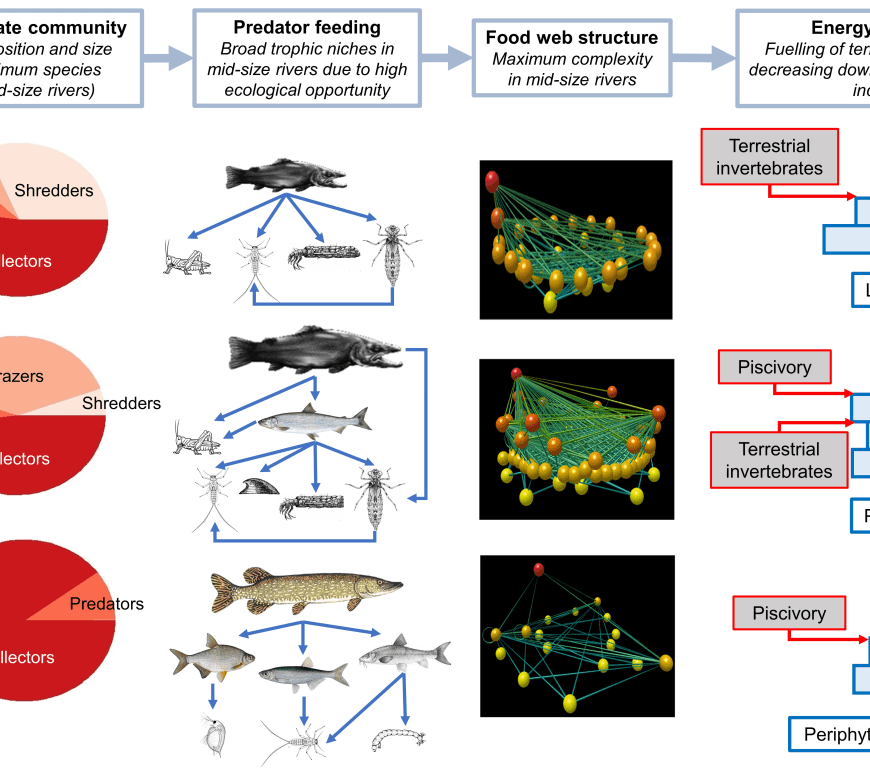
Fresh perspectives on the River Continuum Concept require trophic ecology approaches focussed on food web structure and energy mobilisation routes. 

This blog post is provided by Javier Sánchez-Hernández and tells the StoryBehindthePaper for the paper “Fresh perspectives on the River Continuum Concept require trophic ecology approaches focused on food web structure and energy mobilisation routes”, which was recently published in Journal of Animal Ecology. This concept details several ways about how food web approaches can be accommodated within the River Continuum Concept (RCC) in order … Continue reading Fresh perspectives on the River Continuum Concept require trophic ecology approaches focussed on food web structure and energy mobilisation routes. 

Sticky post

The middle-out ecology movement

This blog post is provided by David Jachowski and tells the #StoryBehindthePaper for the paper “Support for the size-mediated sensitivity hypothesis within a diverse carnivore community”, which was recently published in Journal of Animal Ecology. In their paper they explore the role of often overlooked meso-predators in ecosystems. Popularity of large carnivores has long infiltrated ecology. Open any ecology textbook and you will find a case … Continue reading The middle-out ecology movement

Sticky post

Robot frog helps to understand the function of a multimodal signal used by males in territorial contests

This blog post is provided by Vinícius Caldart. Vinícius is a shortlisted candidate for the 2023 Elton Prize, for work on Function of a multimodal signal: a multiple hypothesis test using a robot frog. Animals communicate with each other through signals. Signals can be visual, auditory, olfactory, tactile, seismic, or electric and play a crucial role in the behavior and social interactions of animals. Signals of … Continue reading Robot frog helps to understand the function of a multimodal signal used by males in territorial contests

Sticky post

Rã robô ajuda a entender a função de um sinal multimodal utilizado por machos em disputas territoriais

Esta postagem no blog é fornecida por Vinícius Caldart. Vinícius é um candidato pré-selecionado para o Prêmio Elton de 2023, pelo trabalho: Function of a multimodal signal: a multiple hypothesis test using a robot frog. Os animais se comunicam uns com os outros através de sinais. Os sinais podem ser visuais, auditivos, olfativos, táteis, sísmicos ou elétricos e desempenham um papel crucial no comportamento e nas … Continue reading Rã robô ajuda a entender a função de um sinal multimodal utilizado por machos em disputas territoriais

Sticky post

Who’s the big bad wolf afraid of? Investigating how humans affect the predatory behavior of wolves

This blog post is provided by Kristin Barker and tells the #StoryBehindthePaper for the paper “Large carnivores avoid humans while prioritizing prey acquisition in anthropogenic areas“, which was recently published in Journal of Animal Ecology. In the study, they investigate the impact of human activity on the behaviour of grey wolves, finding a nuanced response to different human influences depending on the context. Right now, … Continue reading Who’s the big bad wolf afraid of? Investigating how humans affect the predatory behavior of wolves

Prophylactic antibiotic use and its consequences for snails’ ability to cope with predators

This blog post is provided by Denis Meuthen and tells the #StoryBehindthePaper for the paper ‘On the use of antibiotics in plasticity research: gastropod shells unveil a tale of caution’, which was recently published in Journal of Animal Ecology. In the study, they look at how antibiotic exposure affects shell-thickness responses in the snail Physella acuta, which is known to develop thicker shells in the … Continue reading Prophylactic antibiotic use and its consequences for snails’ ability to cope with predators

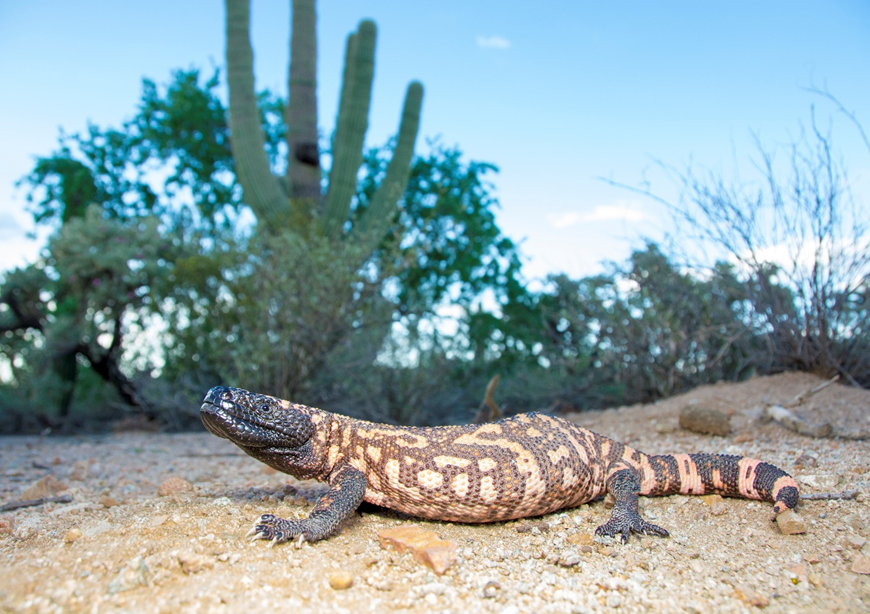
Using microclimatic data and niche modeling to predict the daily activity of a desert lizard

This blog post is provided by Felipe A. Toro-Cardona, Juan L. Parra and Octavio R. Rojas-Soto and tells the #StoryBehindthePaper for the paper “Predicting daily activity time through ecological niche modeling and microclimatic data”, which was recently published in Journal of Animal Ecology. In their paper they explore how the Gila monster’s daily activity is impacted by microclimate, and find that daily activity varies between seasons, … Continue reading Using microclimatic data and niche modeling to predict the daily activity of a desert lizard

What makes an urban bird?

This blog post is provided by Jenny Ouyang and tells the #StoryBehindthePaper for the paper “Changes in the rearing environment cause reorganization of molecular networks associated with DNA methylation”, which was recently published in Journal of Animal Ecology. In their paper they explore the impact of urbanisation on DNA methylation in young birds. Urbanization is one of the most prevailing forms of habitat change, causing … Continue reading What makes an urban bird?

Combined analysis of primate and parasite traits reveals new insights on ecological networks

This blog post is provided by James Herrera, Ph.D., Duke Lemur Center SAVA Conservation Initiative and tells the #StoryBehindthePaper for the paper “Predicting primate-parasite associations using exponentional random graph models”, which was recently published in Journal of Animal Ecology. In their paper they show that large primates in warm climates and sharing the same biogeographic region have more parasites than small species in cool, dry climates. … Continue reading Combined analysis of primate and parasite traits reveals new insights on ecological networks

Ecological patterns and processes in the vertical dimension of terrestrial ecosystems

This blog post is provided by Shuang Xing and tells the #StoryBehindthePaper for the paper “Ecological patterns and processes in the vertical dimension of terrestrial ecosystems”, which was recently published in Journal of Animal Ecology. In their paper they explore how forests show ecological patterns from forest floor to canopy. 请在此阅读中文版的博文 The vertical structures of terrestrial vegetation provide important habitats for diverse forms of life to … Continue reading Ecological patterns and processes in the vertical dimension of terrestrial ecosystems