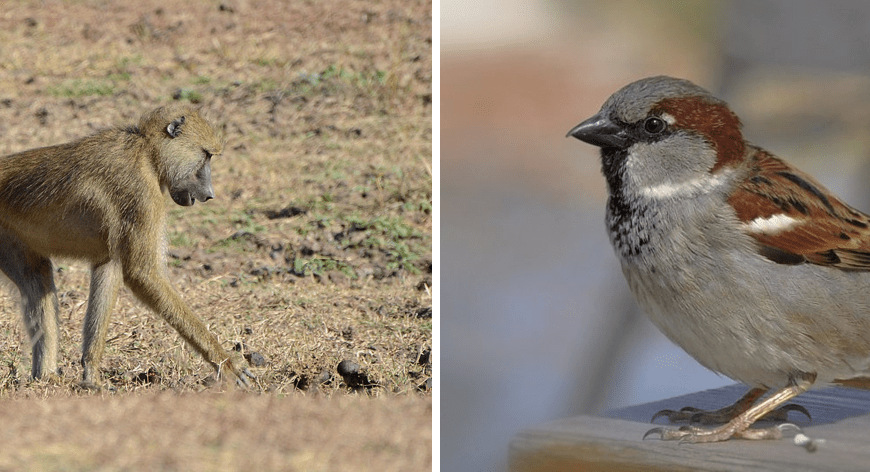
A practical guide for inferring reliable dominance hierarchies and estimating their uncertainty

There are thousands of academic papers published each year. But how do they all come about? Damien Farine and Alfredo Sánchez-Tójar share the ‘behind the scenes’ story of their recent paper on dominance hierarchies, and how it was all due to a fortunate encounter… Do you have a great #StoryBehindThePaper to share? Get in touch! One of the growing challenges in research is data analysis. Here are … Continue reading A practical guide for inferring reliable dominance hierarchies and estimating their uncertainty

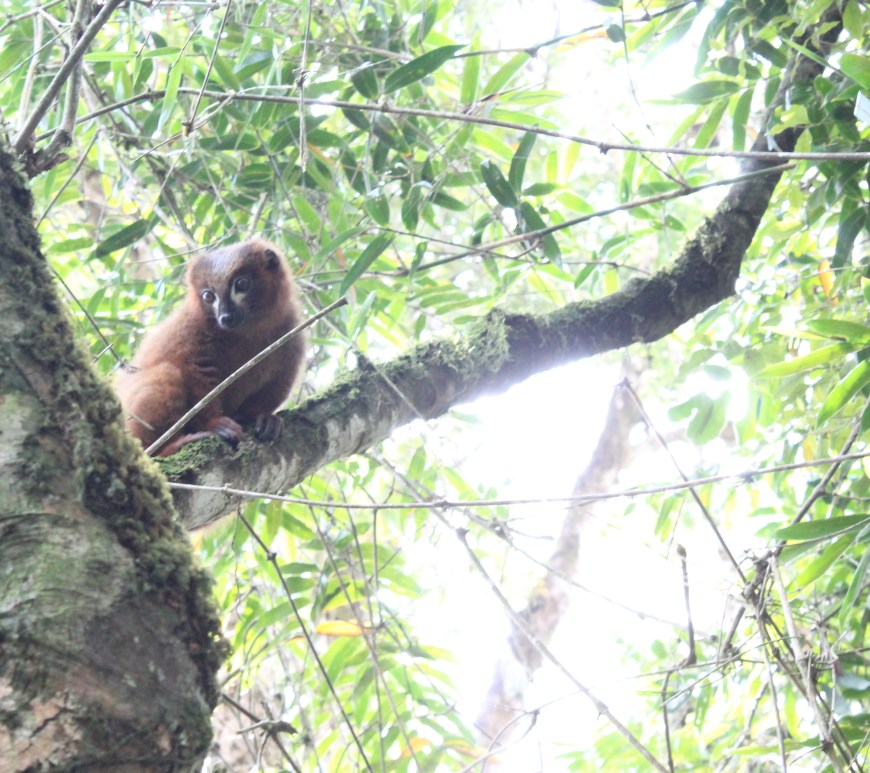
Dodgy gut? Have a lemur cuddle!

According to new research published in the Journal of Animal Ecology, physical contact may be good for your health.  Well, at least if you’re a lemur. Scientists have found a direct link between physical contact and gut bacteria in red-bellied lemurs (Eulemur rubriventer).  The study aim was to better understand causes of diversity within the animal’s gut microbiome.  These communities of belly bacteria play a key … Continue reading Dodgy gut? Have a lemur cuddle!

High Society – The social network of vultures

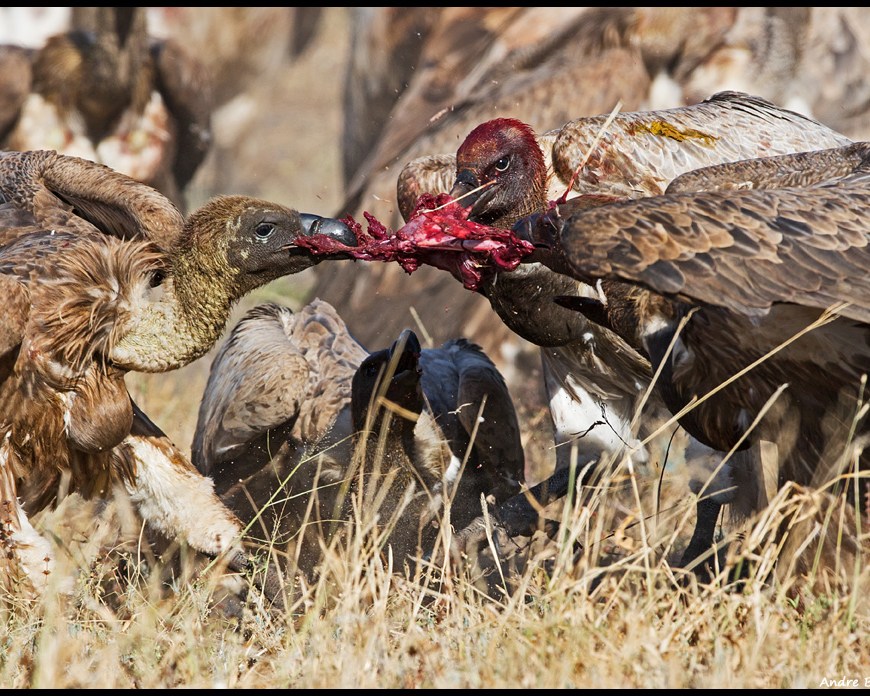
When you think of vultures, you might just think “feathered carrion-eaters”.  But do you think of their social networks, foraging strategies, and daily lives?  Probably not!  Dr Adam Kane (University College Cork) and Dr Kevin Healy (University of St Andrews) are postdoctoral researchers working on the behaviour, conservation and evolutionary ecology of scavengers.  As International Vulture Awareness Day was on the 3rd September, they have … Continue reading High Society – The social network of vultures

Giving a hoot about owl populations

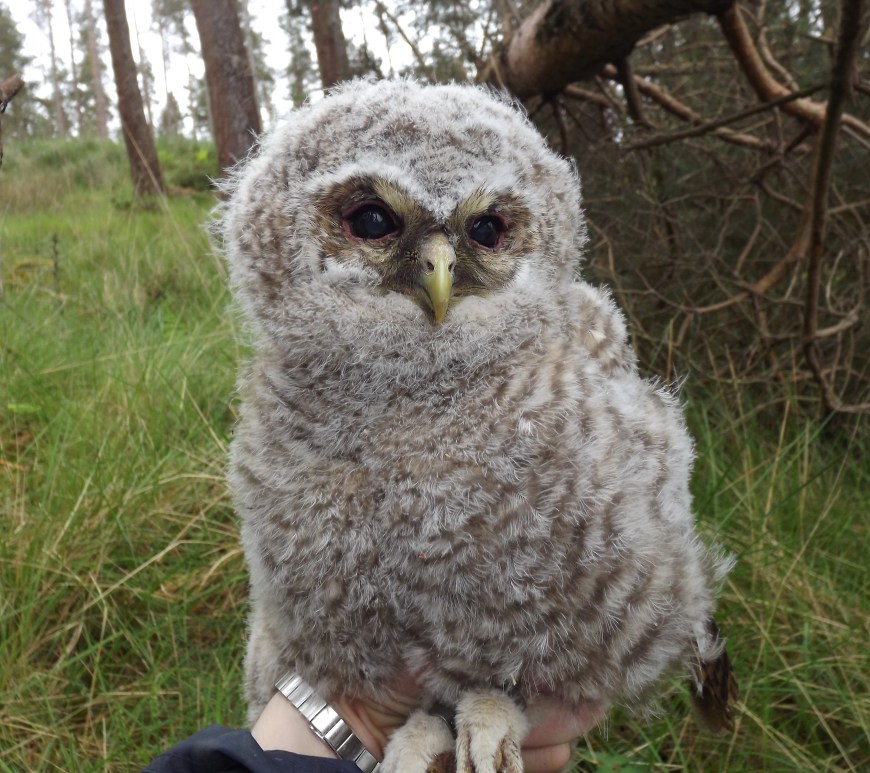
International Owl Day – who gives a hoot?  Dr Sarah Hoy sure does!  Sarah completed her PhD at the University of Aberdeen, which studied how the demography and dynamics of tawny owls have changed over the last 30 years in response to changing environmental conditions.  She is now a researcher in the School of Forest Resources and Environmental Science at Michigan Technological University, working with the … Continue reading Giving a hoot about owl populations

Social networks and disease transmission – A story of giraffes

World Giraffe Day celebrates the longest-necked animal on the longest day (or night, depending on your hemisphere!) of the year – 21st June.  Yet many aspects of giraffe ecology remain poorly studied.  Dr Kim VanderWaal, a researcher at the University of Minnesota, studies how animal social behaviour translates into contact networks and pathogen transmission patterns.  To mark World Giraffe Day, she tells us about her … Continue reading Social networks and disease transmission – A story of giraffes

Volume 86:4 slideshow

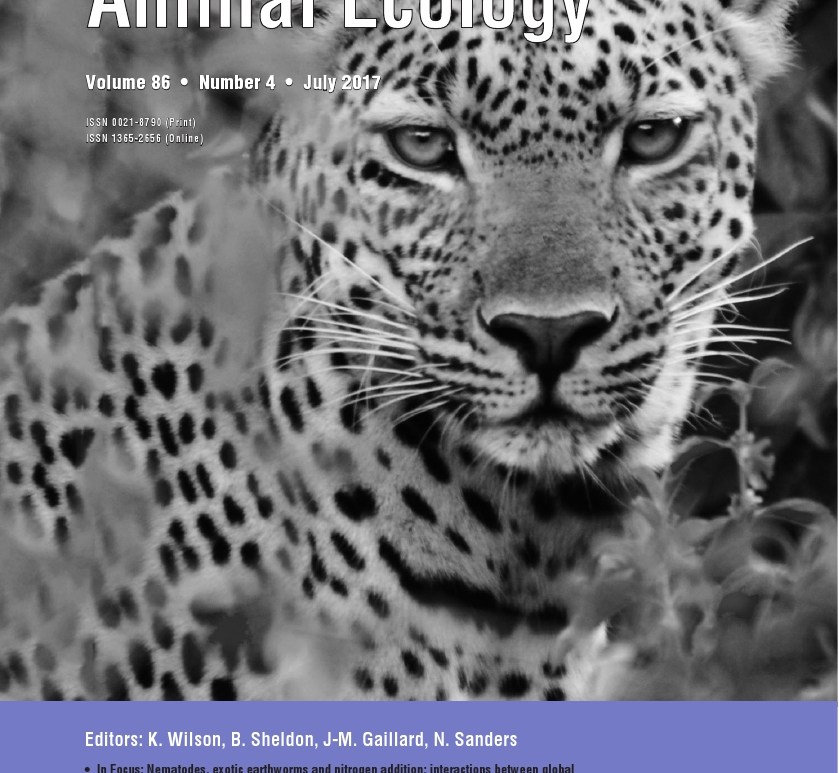
Issue 86:4 is now out. The In Focus in this issue is by Jonathan De Long and looks at the paper by Yuanhu Shao on “Nitrogen deposition cancels out exotic earthworm effects on plant‐feeding nematode communities”. We also an review paper by Remington J. Moll which features on the cover titled “The many faces of fear: a synthesis of the methodological variation in characterizing predation … Continue reading Volume 86:4 slideshow

Volume 86:3 slideshow

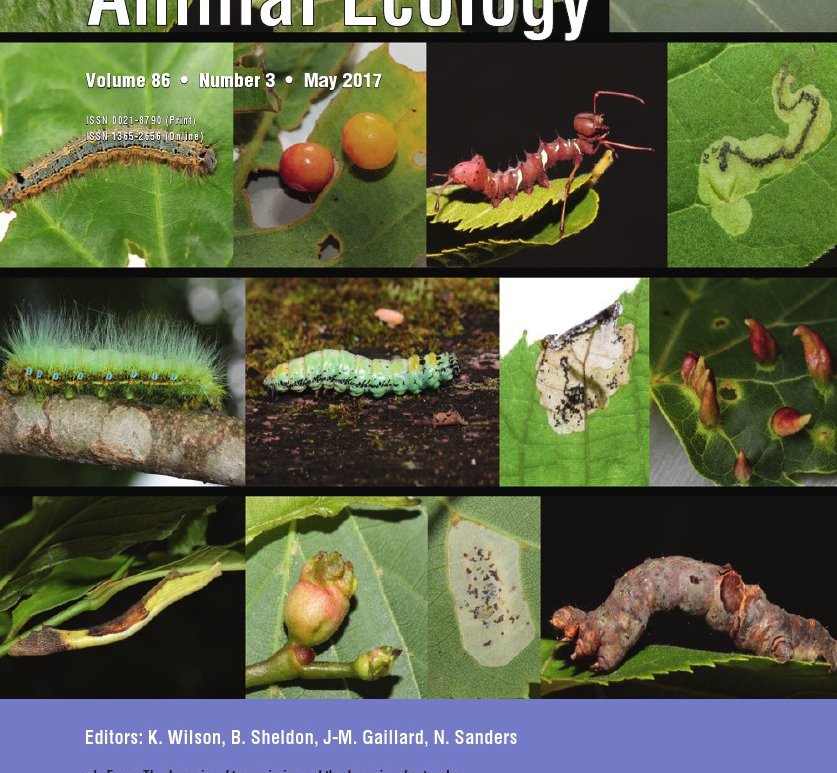
Issue 86:3 is now out. The In Focus in this issue is by Damien Farine and looks at the paper by Andrea Springer on “Dynamic vs. static social networks in models of parasite transmission: predicting Cryptosporidium spread in wild lemurs”. We also have papers on community ecology, trophic interactions, behavioural ecology, population ecology, spatial ecology and demography. As always to make the most of all … Continue reading Volume 86:3 slideshow

Volume 85:6 a slideshow

jane_v85_i6_oc_rev4_crx_spgh_to-crop
Male Montagu’s Harrier Edwin on the hunt for grasshoppers near Djilas, Senegal. Ellinor Schlaich et al. http://dx.doi.org/10.1111/1365-2656.12583

Issue 85:6 is now online and for the first time we have two In Focus papers in the issue as we no longer want to limit ourselves to championing only one great paper!

The First is by Pedro Jardano and takes a look at the paper by Sazatornil et al. on morphological matches and the assembly of mutualistic hawkmoth–plant networks. The second is by Shawn Wilder and Punidan Jeyasingh and they review the paper by Zhang et al. on how warming and predation risk shape stoichiometry.

To make the most of all the great photos from our authors we have included a slideshow of the best images.

Read the full November 2016 issue here.

Continue reading “Volume 85:6 a slideshow”