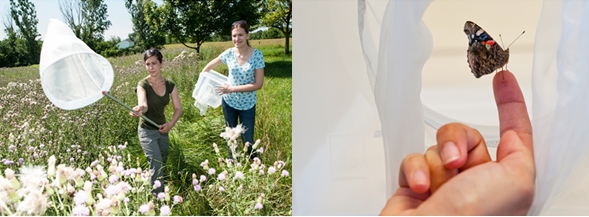
How are North American butterflies shifting their ranges in response to climate change?

This blog post is provided by Carmen da Silva and Sarah Diamond and tells the #StoryBehindThePaper for the paper “Local climate change velocities and evolutionary history explains range shifts in a North American butterfly assemblage” which was recently published in the Journal of Animal Ecology. da Silva and Diamond use a large database of citizen science collected butterfly occurrence records over an 18-year time period … Continue reading How are North American butterflies shifting their ranges in response to climate change?

Reproductive Performance of Peregrine Falcons in southern Scotland Relative to the Use of Organochlorine Pesticides, 1946-2021

This blog post is provided by Madan K. Oli, George D. Smith, Michael J. McGrady, Vratika Chaudhary, Chris J. Rollie, Richard Mearns, Ian Newton and Xavier Lambin and tells the #StoryBehindthePaper for the paper “Reproductive Performance of Peregrine Falcons Relative to the Use of Organochlorine Pesticides, 1946-2021”, which was recently published in Journal of Animal Ecology. They explore how banning pesticides like DDT impacted Peregrine Falcons … Continue reading Reproductive Performance of Peregrine Falcons in southern Scotland Relative to the Use of Organochlorine Pesticides, 1946-2021

Sticky post

COVID-19 lockdowns and citizen science data reveal species traits most vulnerable to mortality on roads

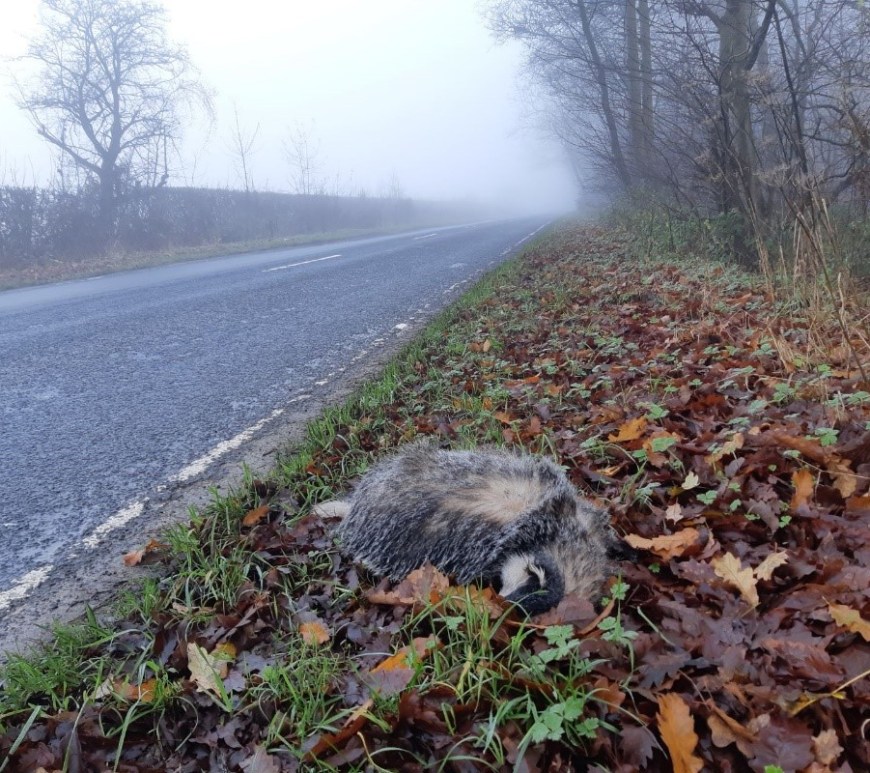
This blog post is provided by Sarah Raymond and tells the #StoryBehindthePaper for the paper ‘The impact of the COVID-19 lockdowns on wildlife-vehicle collisions in the UK’, which was recently published in Journal of Animal Ecology. In their study, Sarah and colleagues utilize the reduction of traffic due to COVID-lockdowns and citizen science data on roadkill to study which traits make species vulnerable to being … Continue reading COVID-19 lockdowns and citizen science data reveal species traits most vulnerable to mortality on roads

Citizen Science Podcast: Mark Ditmer

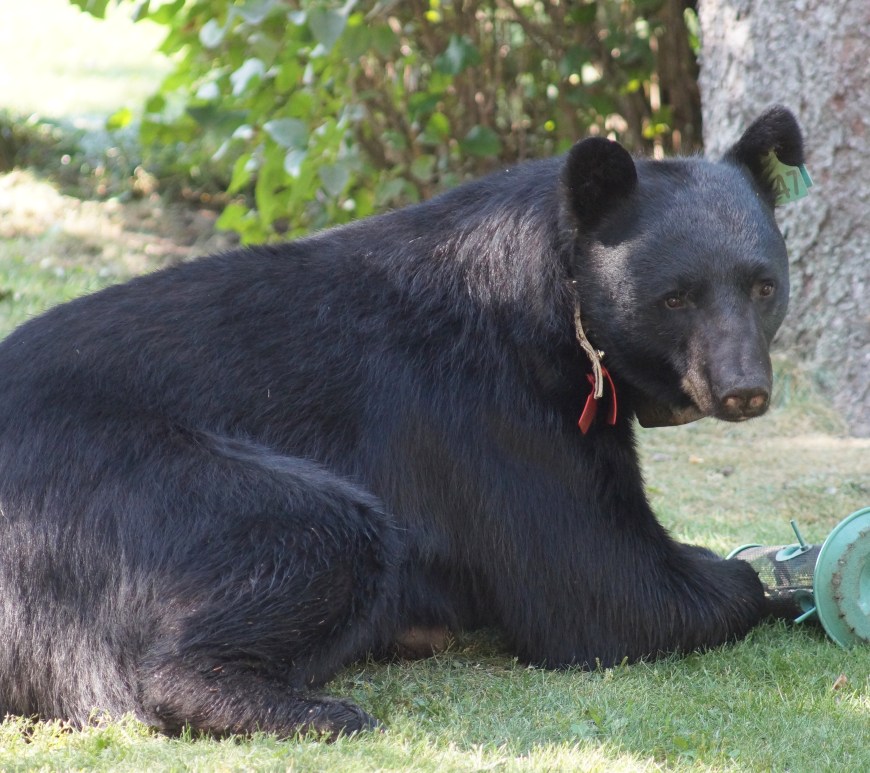
The fifth and final episode in our Citizen Science Special Issue podcast is live. Mark Ditmer tells us about their paper Artificial night light helps account for observer bias in citizen science monitoring of an expanding large mammal population, which was part of the Citizen Science Special Feature. Featured image: An American black bear collared for research by the Minnesota Department of Natural Resources rests after snacking … Continue reading Citizen Science Podcast: Mark Ditmer

Citizen Science Podcast: Heather Williams

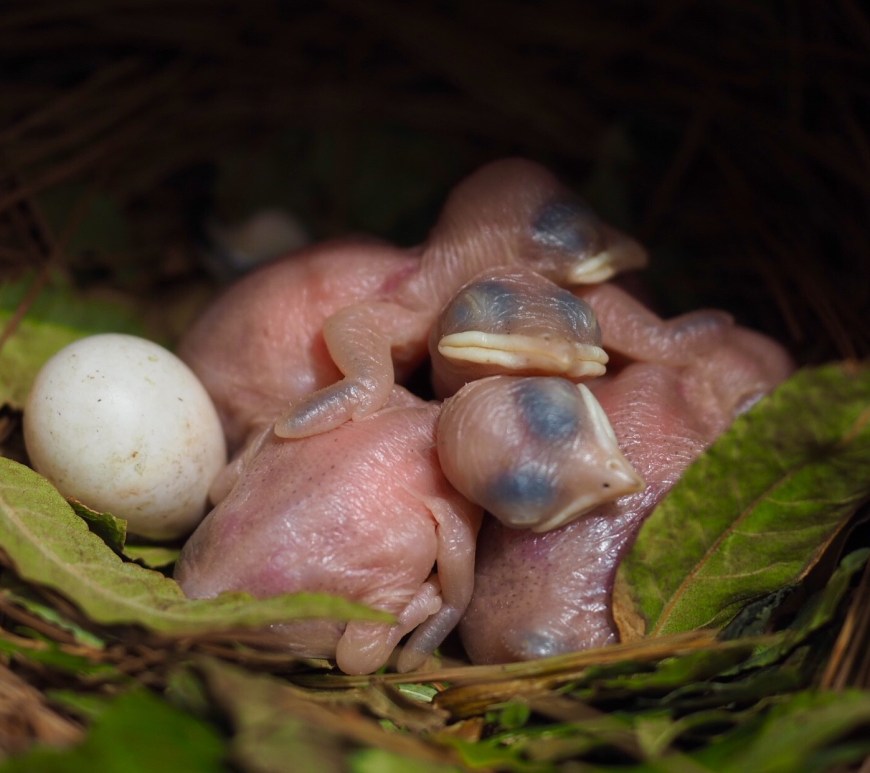
The fourth episode in our Citizen Science Special Issue podcast is live. Heather Williams tells us about their paper Support for a relationship between demography and modeled habitat suitability is scale dependent for the purple martin Progne subis, which was part of the Citizen Science Special Feature. Featured image: Purple martin nestlings (about 2 days old). © Adam Wilson. COMING UP: 25/02/2021 – Journal of Animal Ecology: Citizen Science … Continue reading Citizen Science Podcast: Heather Williams

Call for papers: Special Feature on citizen science

Ecological projects involving citizen scientists have rapidly increased in number and there is now a general consensus that they can produce high-quality data. Citizen science projects generate large datasets that allow novel ecological questions to be addressed, but can require developing both new analytical tools to handle big data and large open-data platforms. Citizen science projects can also play an important role in engaging people with … Continue reading Call for papers: Special Feature on citizen science

How can you help Arctic skuas?

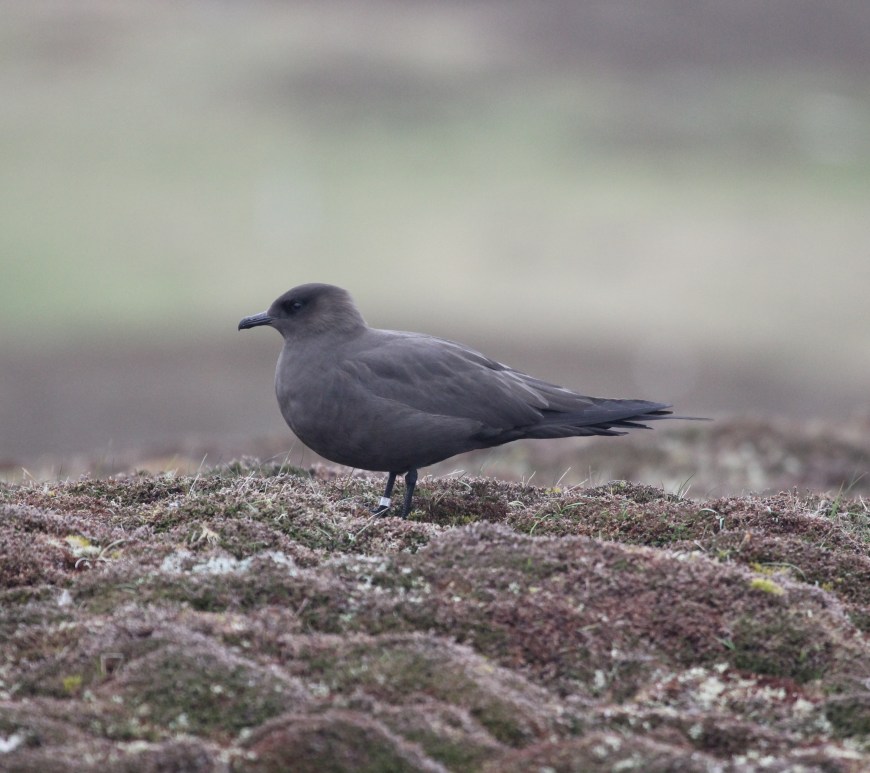
Continuing from last week’s post describing the challenges faced by Arctic skuas, Dr Allan Perkins (RSPB Centre for Conservation Science) is back with some advice on what you can to to help. Arctic skuas may well be heading towards extinction as a breeding species within the UK. That is the stark warning from our recent study, which found that Arctic skuas have declined by 81% in Scotland. What … Continue reading How can you help Arctic skuas?

Building “SealSpotter” and Working with Citizen Scientists

A new citizen-science initiative has just been launched in southern Australia. But don’t worry if you’re not local – volunteers can assist from anywhere in the world thanks to the online platform! Here to tell us more is Dr Rebecca McIntosh (with some help from Ross Holmberg) from Phillip Island Nature Parks. Australian fur seals (Arctocephalus pusillus doriferus) are near-apex predators, and have been recognised … Continue reading Building “SealSpotter” and Working with Citizen Scientists

How do birds avoid their sibling-species competitors?

Being similar can be problematic. When ecologically-similar species co-occur, competition can result. So how can this be avoided? A recent paper published in the Journal of Animal Ecology shows how birds avoid their sibling-species competitors. Authors Lechosław Kuczyński, Anna Skoracka, Jiri Reif and Radka Reifova explain. Mechanisms that enable coexistence of ecologically-similar species are crucial in maintaining biological diversity. When such species co‑occur they inevitably compete for resources, such as … Continue reading How do birds avoid their sibling-species competitors?

New technologies for listening to bats

As well as being fascinating creatures with a unique sensory ecology, bats are also potentially useful indicator species whose population trends may help to provide broader information about the health of ecosystems. To mark Halloween, Ella Browning and Rory Gibb describe new research developing smart tools to more effectively and accurately monitor bat populations across the globe. Ella Browning and Rory Gibb are both PhD … Continue reading New technologies for listening to bats