Building “SealSpotter” and Working with Citizen Scientists

A new citizen-science initiative has just been launched in southern Australia. But don’t worry if you’re not local – volunteers can assist from anywhere in the world thanks to the online platform! Here to tell us more is Dr Rebecca McIntosh (with some help from Ross Holmberg) from Phillip Island Nature Parks. Australian fur seals (Arctocephalus pusillus doriferus) are near-apex predators, and have been recognised … Continue reading Building “SealSpotter” and Working with Citizen Scientists

Return to the Wild: Conservation hope for the scimitar-horned oryx

In this post for Endangered Species Day Jared Stabach, a research ecologist at the Smithsonian Conservation Biology Institute highlights the sharp decline in large mammal species across the Sahara and focuses on species that individuals and organizations are working to reintroduce. Deserts cover approximately 17% of the world’s land mass.  While understudied and underappreciated, these systems support a unique and charismatic flora and fauna, with … Continue reading Return to the Wild: Conservation hope for the scimitar-horned oryx

The intersection of wildlife conservation, disease, and human health

Today marks Endangered Species Day, when people around the world are encouraged to discover more about threatened species and their habitats. For conservation efforts to succeed, it is necessary to understand how animals interact with each other, with their environment – and with humans. Lauren White (University of Minnesota) addresses this by studying the idea of One Health – the intersection of human, animal, and … Continue reading The intersection of wildlife conservation, disease, and human health

Countdown to ISEC!

There are only three more days to register for the next International Statistical Ecology Conference (ISEC). Many workshops are now fully-booked, but there is still a significant line-up of invited sessions, general speakers, and social events on offer. And with so many statistical ecologists attending, this conference promises to be well above average! But for those of you facing uncertainty, Dr Rachel McCrea, Chair of the ISEC Scientific … Continue reading Countdown to ISEC!

A Marine Mammal Odyssey!

Our Blog Editor, Dr Sarah Marley, reports back on last month’s Society for Marine Mammalogy (SMM) conference in Halifax, Canada. Last month saw over 2,000 marine mammalogists travel to Halifax, Nova Scotia for the 22nd Biennial Conference on the Biology of Marine Mammals.  This year’s theme was “A Marine Mammal Odyssey, Eh!” and incorporated the Canadian flair that was a strong feature throughout the week.  … Continue reading A Marine Mammal Odyssey!

Otterly Awesome

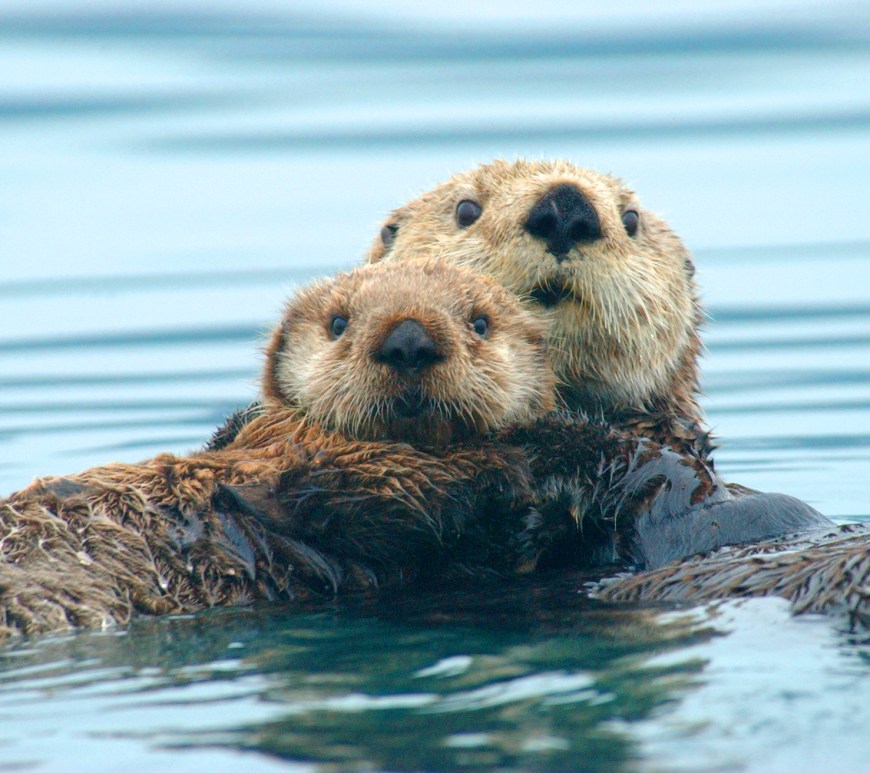
Everyone loves sea otters – not to would be ‘otter’ nonsense!  But how much do you know about them?  The last week of September is ‘otterwise’ known as Sea Otter Awareness Week, offering a perfect chance to learn more! Dr Sylvia Parsons*, a Research Associate at the Centre for Marine Science and Technology (CMST) at Curtin University, shares some ‘otterly’ amazing facts about these marine … Continue reading Otterly Awesome

Insights for Sustaining Life on Earth

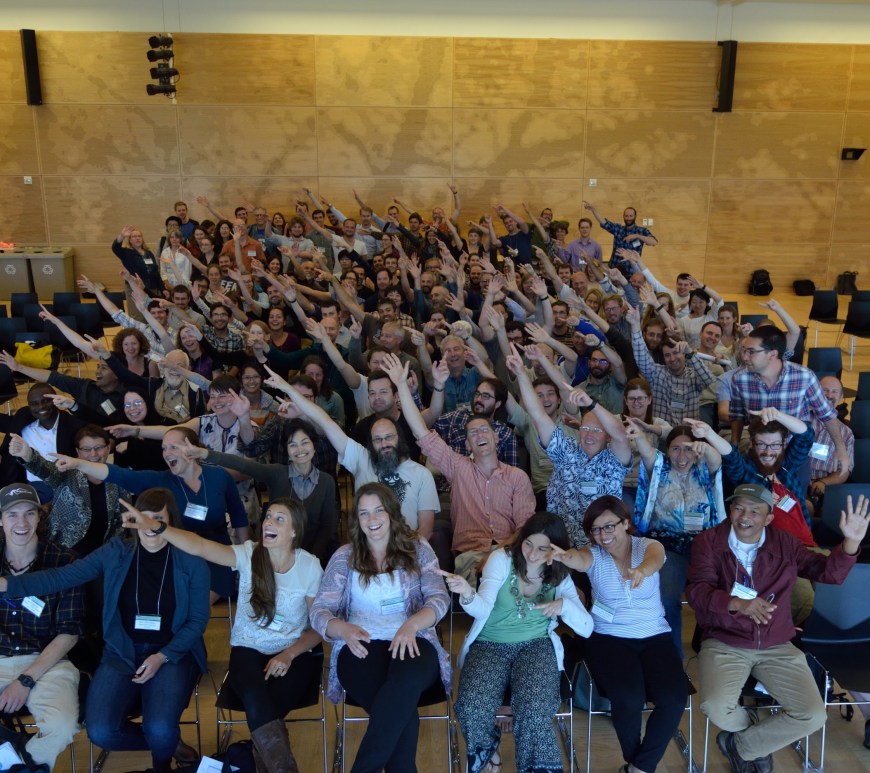
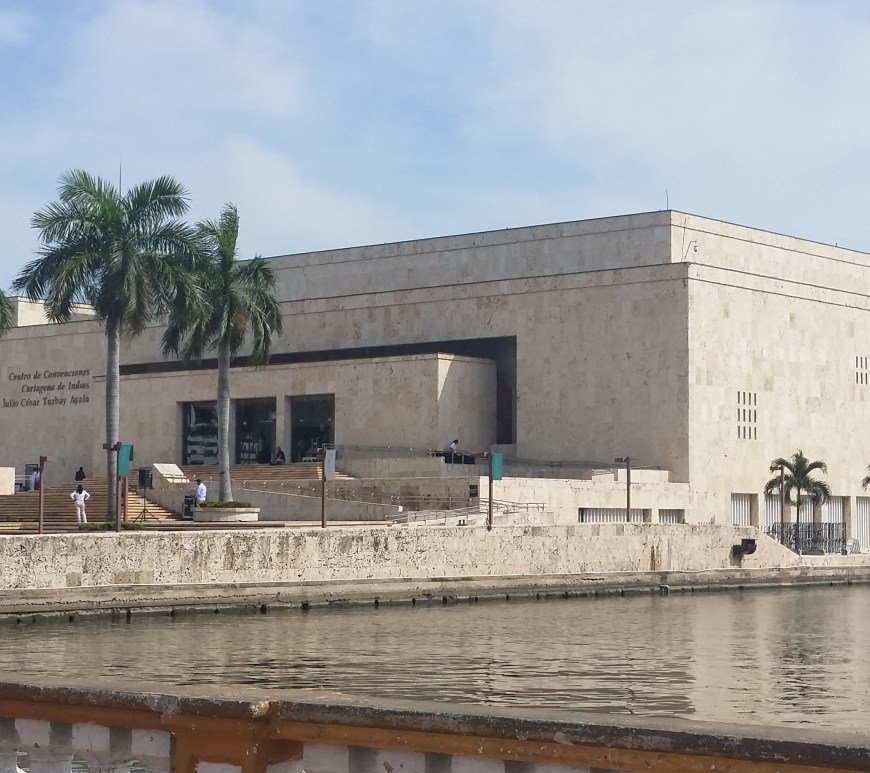
Primate researcher Dr Xyomara Carretero-Pinzón, from the University of Queensland (Australia), recently attended the International Congress for Conservation Biology (ICCB) in Colombia.  Here she reports back on the conference in general and why it was so special for her in particular, finishing with a vital message for conservationists.       Late last month, between July 23rd and 27th, the 28th International Congress for Conservation Biology … Continue reading Insights for Sustaining Life on Earth

Why Mark Twain was wrong about lizards

In the many discussions regarding Mark Twain, relatively few probably relate to his opinion on lizards.  However, this is the focus of our guest post by Professor Shai Meiri from Tel Aviv University, which aptly marks World Lizard Day (14th August)! One of humanities greatest wits – and one of the first modern tourists – Mark Twain, visited the Holy Land some 150 years ago … Continue reading Why Mark Twain was wrong about lizards

Giving a hoot about owl populations

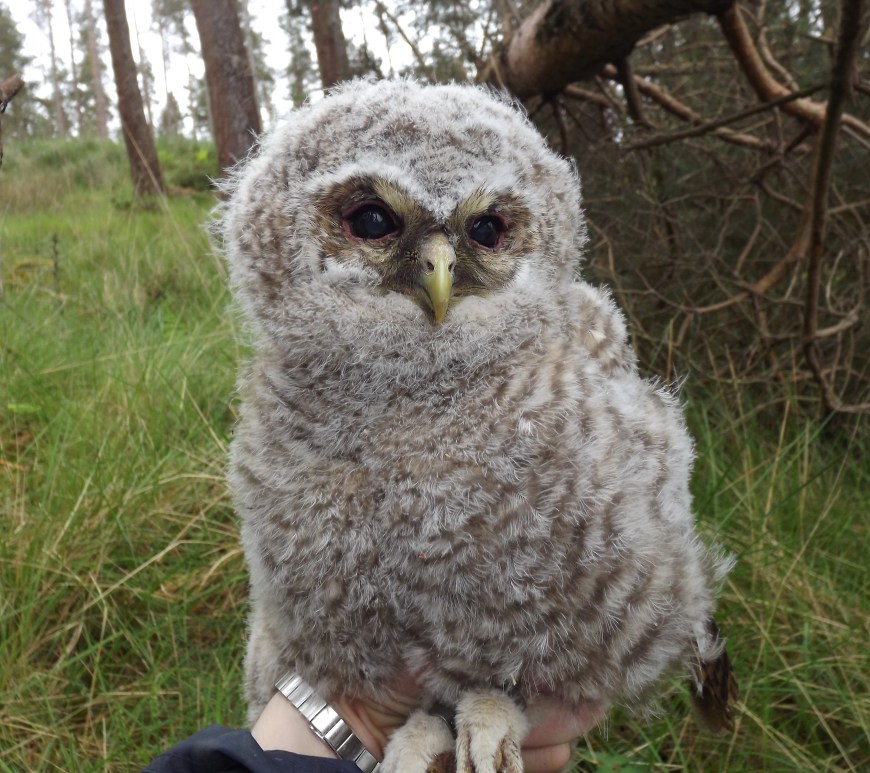
International Owl Day – who gives a hoot?  Dr Sarah Hoy sure does!  Sarah completed her PhD at the University of Aberdeen, which studied how the demography and dynamics of tawny owls have changed over the last 30 years in response to changing environmental conditions.  She is now a researcher in the School of Forest Resources and Environmental Science at Michigan Technological University, working with the … Continue reading Giving a hoot about owl populations

Advances in Mammalogy in a Changing World

Our own Blog Editor Sarah Marley was fortunate enough to attend the International Mammal Congress earlier this month.  Here, she gives us the conference low-down from the land down-under! Earlier this month, the International Mammal Congress (IMC) was held in my adopted city of Perth, Western Australia.  Held every four years, IMC is considered the premier international mammal conference, providing an important forum for professional … Continue reading Advances in Mammalogy in a Changing World