Key Concepts in Ecology: Parasitism and infectious disease

This blog post on ‘Parasitism and infectious disease’ is part of the BES ‘Key Concepts in Ecology’ series, designed to help ecologists in learning the key topics in ecology! Take a look at the full series for a list of key topics you might typically find in an ecology textbook, each providing a quick introduction to the topic, and a list of suggested papers for … Continue reading Key Concepts in Ecology: Parasitism and infectious disease

Sticky post

Disease risk perception in animals and potential applications

This blog post is provided by Cécile Sarabian (cognitive ecologist and current Canon Foundation Research Fellow at Nagoya University, Japan; center), Andrew MacIntosh (behavioural ecologist and Associate Professor at Kyoto University, Japan; left) and Jorge Tobajas (conservation ecologist at the University of Cordoba, Spain; right) on behalf of all co-authors, and tells the #StoryBehindthePaper for the paper “Disgust in animals and the application of disease … Continue reading Disease risk perception in animals and potential applications

Data type matters when known hosts are used to guide future virus surveillance

This blog post is provided by Nathaniel Mull and tells the #StoryBehindThePaper for the paper “Virus isolation data improve host predictions for New World rodent orthohantaviruses“, which was recently published in the Journal of Animal Ecology. Nathaniel is a PhD student in the Fayetteville Disease Ecology lab at University of Arkansas. His dissertation is broadly examining how habitat management and community interactions influence the infection … Continue reading Data type matters when known hosts are used to guide future virus surveillance

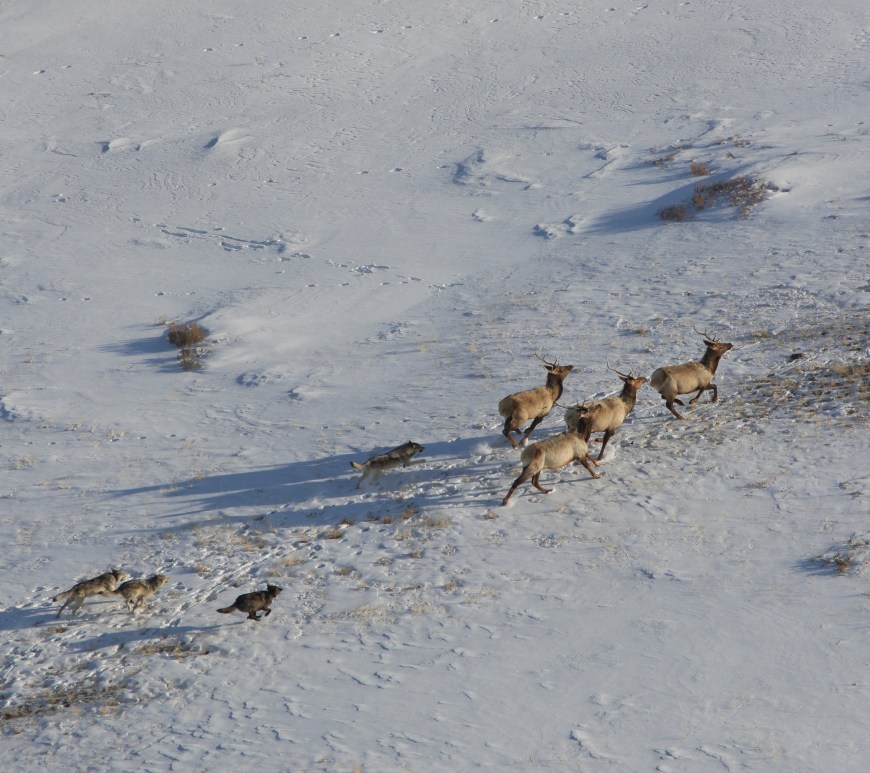
Do predators create healthier prey populations?

This blog post is provided by Ellen E. Brandell and tells the #StoryBehindThePaper for the paper “Examination of the interaction between age-specific predation and chronic disease in the Greater Yellowstone Ecosystem”, which was recently published in the Journal of Animal Ecology. The debate about if and how predators kill their prey to result in “healthier” prey populations has been ongoing for the past three decades, but … Continue reading Do predators create healthier prey populations?

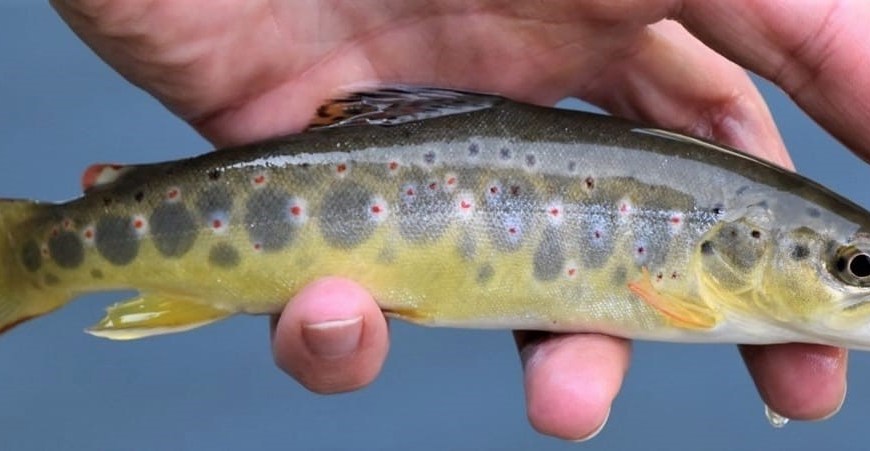
An underwater unravelling of the immune landscape

This blog post is provided by Christyn Bailey and Helmut Segner and tells the #StoryBehindThePaper for the paper ‘It’s a hard knock life for some: heterogeneity in infection life-history of salmonids influences parasite disease outcomes‘, which was recently published in the Journal of Animal Ecology. You can also listen to the blog post on Soundcloud. The role of immunity on a population-level has garnered broad … Continue reading An underwater unravelling of the immune landscape

Congratulations to Daniel J. Becker on winning the Sidnie Manton Award

Today we are pleased to announce that to Daniel J. Becker has won the second Sidnie Manton Award for his paper ‘Macroimmunology: The drivers and consequences of spatial patterns in wildlife immune defence’. Daniel is a postdoctoral fellow at Indiana University. His research explores the ecological and evolutionary factors that shape infectious disease dynamics in wildlife and cross-species transmission. Daniel’s paper was selected as a … Continue reading Congratulations to Daniel J. Becker on winning the Sidnie Manton Award

Determinants of micro- and macroparasite diversity in birds: the fruits of comparing apples and oranges

Identifying the factors shaping variation in parasite diversity among host species is crucial to understand wildlife diseases. A recent paper in Journal of Animal Ecology investigated the role of host life history and ecology in explaining the species richness of micro- and macro-parasites in birds world-wide. Lead author Dr Jorge Sanchez Gutierrez explains more about the study. The phrase “comparing apples and oranges” is often … Continue reading Determinants of micro- and macroparasite diversity in birds: the fruits of comparing apples and oranges

Manipulation of gut microbiota during critical developmental windows affect host physiological performance and disease susceptibility across ontogeny

Colonisation of gut microbiomes during early life can shape metabolism and immunity of adult animals. However, most data are derived from antibiotic‐treated or germ‐free laboratory mammals. Furthermore, few studies have explored how microbial colonization during critical windows influences a suite of other fitness‐related traits in wild animals. A recent study in the Journal of Animal Ecologytested whether hatching constitutes a critical development window for microbiome … Continue reading Manipulation of gut microbiota during critical developmental windows affect host physiological performance and disease susceptibility across ontogeny

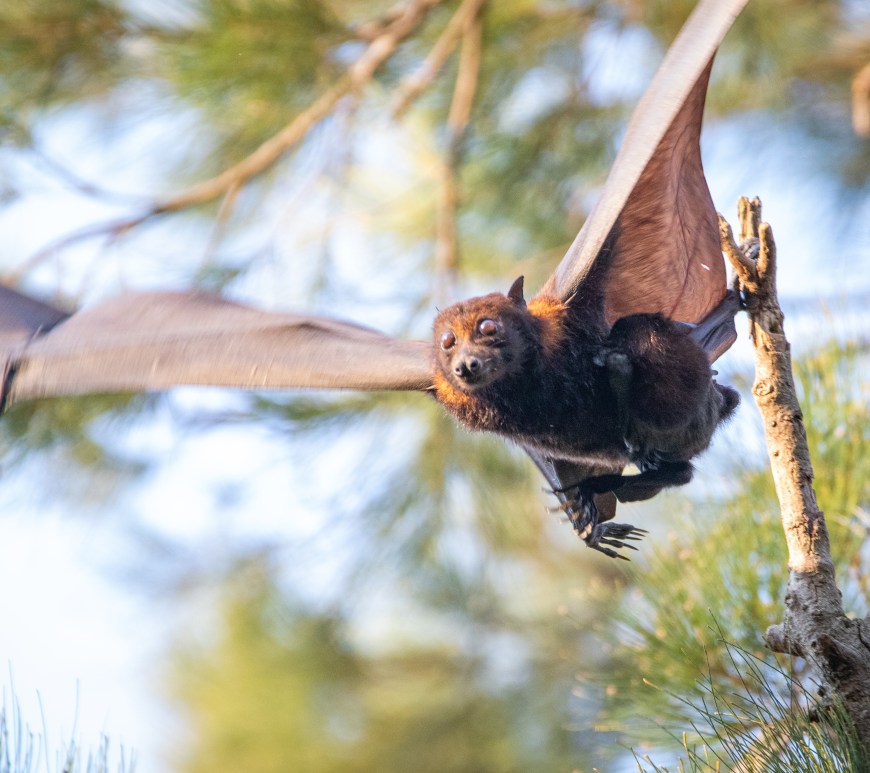
Disentangling disease transmission in Madagascar fruit bats

Bats can carry various diseases, including many which are transferable to humans. A recent study published in the Journal of Animal Ecology investigated disease extent, seasonality, and mechanisms of transmission among Malagasy fruit bats. Lead author Dr Cara Brook (Princeton University and UC Berkeley) explains more about the paper. Bats (order Chiroptera) have received much attention in recent years for their roles as reservoirs for … Continue reading Disentangling disease transmission in Madagascar fruit bats