Citizen Science Podcast: Chris Latimer

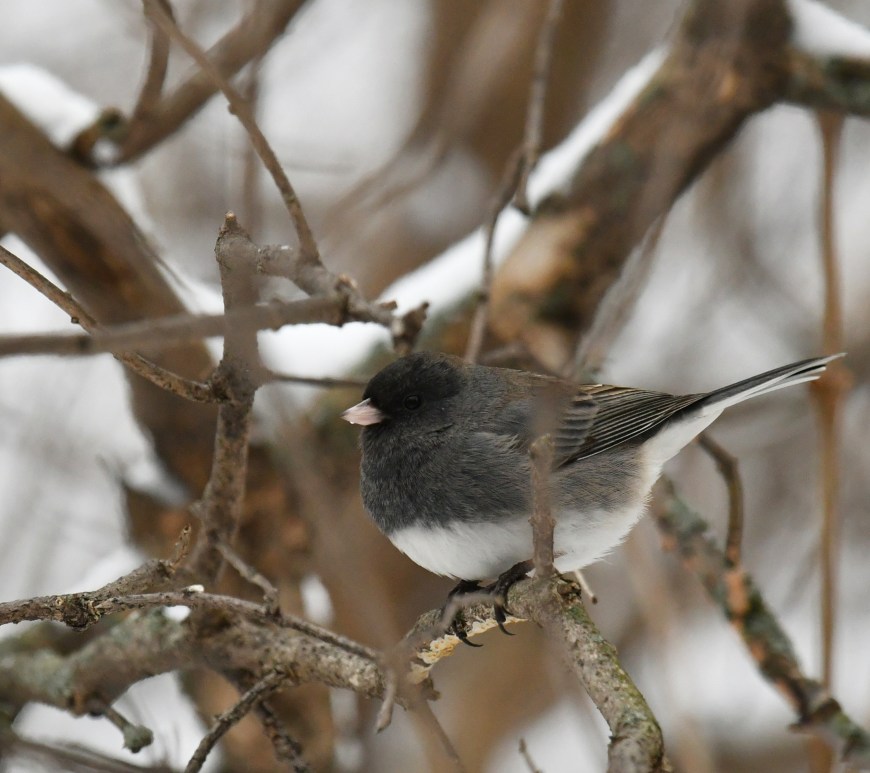
The third episode in our Citizen Science Special Issue podcast is live. Chris Latimer tells us about their paper Habitat loss and thermal tolerances influence the sensitivity of resident bird populations to winter weather at regional scales, which was part of the Citizen Science Special Feature. Featured image by Jeremy Cohen Coming up: 19/02/2021 – Journal of Animal Ecology: Citizen Science Special Issue, episode 4 … Continue reading Citizen Science Podcast: Chris Latimer

Natural selection in action on seasonal migration during extreme storms

This blog post is provided by Paul Acker, Francis Daunt, Sarah Burthe, Mark Newell, & Jane Reid and tells the #StoryBehindThePaper for the article “Strong survival selection on seasonal migration versus residence induced by extreme climatic events“, which was recently published in Journal of Animal Ecology. Ongoing global changes are causing rapid and substantial alterations of environments to which species had previously adapted. Resulting mismatches between individuals and their … Continue reading Natural selection in action on seasonal migration during extreme storms

Open call for papers: Special Feature on understanding climate change response in the age of genomics

Anthropogenic climate change is rapidly transforming environments and poses a major threat to species and ecosystems worldwide. Understanding how animal populations respond to these changing environments is crucial for developing conservation and mitigation strategies as global temperatures continue to rise. It is now becoming increasingly feasible to generate data at genome and population-wide scales for many species, including those at the greatest risk from the … Continue reading Open call for papers: Special Feature on understanding climate change response in the age of genomics

Penguin niche-partitioning resilient to climate change

Competition for limited food resources can be particularly fierce where similarly-related species overlap. Harriet L. Clewlow is a PhD student based at the British Antarctic Survey and linked with University of Exeter and WWF (World Wide Fund for Nature). Her research investigates how climate change is altering interactions between sympatric Antarctic penguin species and predicting their responses to future climate scenarios. Competition is a widely studied … Continue reading Penguin niche-partitioning resilient to climate change

Mild winters have butterflies in a flap

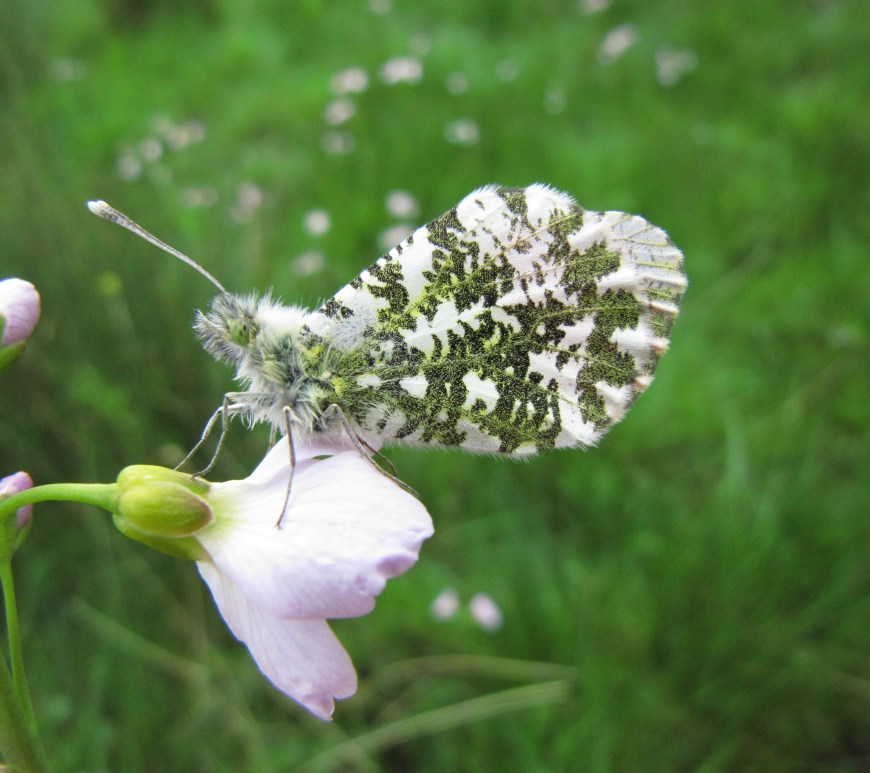
The study of phenology – cyclical patterns of biological events – has long been used to investigate relationships between climate and natural phenomena.  In this way, events such as bird migrations, animal breeding periods and plant flowing can be predicted, knowledge which has numerous economic and conservation applications.  However, climate change can alter these timings, with dramatic consequences for a range of species.  To illustrate … Continue reading Mild winters have butterflies in a flap

What will the wasp plague be like this year?

This post is a press release from the authors of Journal of Animal Ecology paper “The long-term population dynamics of common wasps in their native and invaded” by Phil Lester et al.
New research from Victoria University of Wellington has revealed the population of the common wasp is amplified by spring weather, with warmer and drier springs often meaning more wasps and wasp stings in summer. Continue reading “What will the wasp plague be like this year?”

Earlier nesting by generalist predatory bird is associated with human responses to climate change

robpbk9o2086-editThis post is a press release from the authors of Journal of Animal Ecology paper “Earlier nesting by generalist predatory bird is associated with human responses to climate change by Shawn H. Smith et al.

Milder winters have led to earlier growing seasons and noticeable effects on the breeding habits of some predatory birds, according to research by Boise State biologists Shawn Smith and Julie Heath, in collaboration with Karen Steenhof, and The Peregrine Fund’s Christopher McClure. Continue reading “Earlier nesting by generalist predatory bird is associated with human responses to climate change”

Competitive males are a blessing and a curse

jae-2016-00123-r2-2This post is a press release from the authors of Journal of Animal Ecology paper “Sexual selection can both increase and decrease extinction probability: reconciling demographic and evolutionary factors” by Carlos Martínez-Ruiz and Robert J. Knell Issued by Queen Mary, University of London Press Office.

Showy ornaments used by the male of the species in competition for mates, such as the long tail of a peacock or shaggy mane of a lion, could indicate a species’ risk of decline in a changing climate, according to a new study from Queen Mary University of London (QMUL). Continue reading “Competitive males are a blessing and a curse”

Research into extreme weather effects may explain recent butterfly decline

common_blue
Common Blue butterfly. Photo by Dr Aldina Franco.

This post is a press release from the authors of Journal of Animal Ecology paper “Sensitivity of UK butterflies to local climatic extremes: which life stages are most at risk?” by Osgur McDermott Long et al. Issued by University of East Anglia.


Increasingly frequent extreme weather events could threaten butterfly populations in the UK and could be the cause of recently reported butterfly population crashes, according to research from the University of East Anglia (UEA).

Researchers investigated the impact of Extreme Climatic Events (ECEs) on butterfly populations. The study shows that the impact can be significantly positive and negative, but questions remain as to whether the benefits outweigh the negative effects.

While it is well known that changes to the mean climate can affect ecosystems, little is known about the impact of short-term extreme climatic events (ECEs) such as heatwaves, heavy rainfall or droughts. Continue reading “Research into extreme weather effects may explain recent butterfly decline”